If you drive a Jeep Grand Cherokee, comfort and control are key. One part many drivers overlook is the steering wheel position.
It’s not just about comfort. The right steering wheel height helps you handle the vehicle better and reduces fatigue during long drives.
Adjusting the steering wheel is easy, but some drivers find the mechanism confusing, especially if it’s their first time using a tilt or telescoping wheel. This guide will show you exactly how to push the steering wheel up in your Jeep Grand Cherokee, why it matters, and what mistakes to avoid.
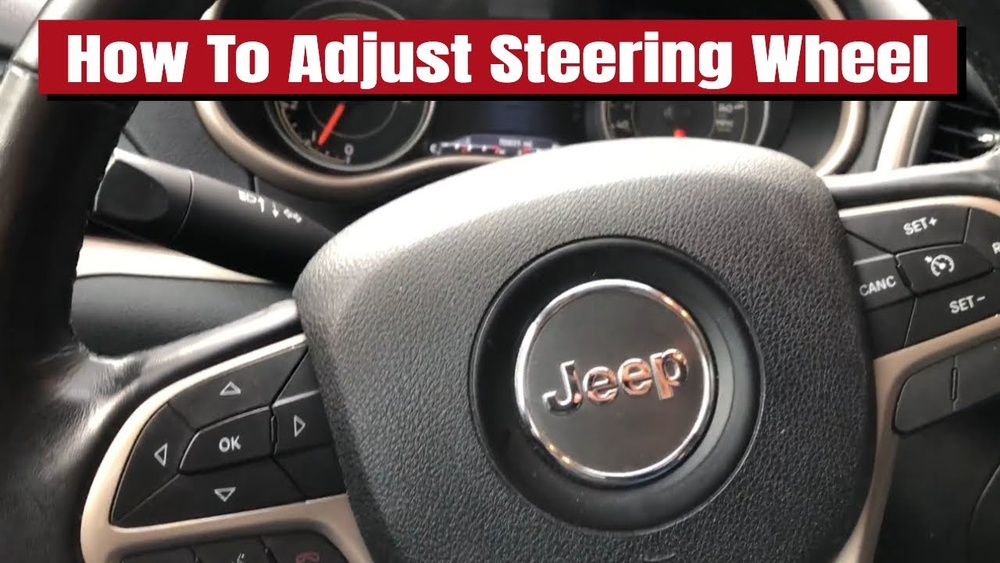
Why Steering Wheel Position Matters
The steering wheel height affects how you sit and drive. If it’s too low, your arms can get tired, and you might have trouble seeing the dashboard. If it’s too high, steering can feel awkward. A poorly adjusted wheel also impacts safety. In a crash, airbags work best when the wheel is properly positioned.
Studies show that proper steering wheel adjustment reduces strain and improves reaction time. According to the National Highway Traffic Safety Administration, drivers with correct wheel positions respond faster during emergencies.
Understanding Your Jeep Grand Cherokee’s Steering Wheel Mechanism
Not every Grand Cherokee has the same adjustment system. Models from different years offer tilt-only, tilt-and-telescoping, or even power adjustment. Here’s a quick comparison:
| Model Year | Adjustment Type | Control Location | Common Features |
|---|---|---|---|
| 2011–2013 | Tilt only | Below steering wheel | Manual lever |
| 2014–2021 | Tilt & telescoping | Below steering wheel | Manual or power |
| 2022–present | Power tilt & telescoping | Left side dashboard | Electric switch |
Knowing your model helps you find the right control and avoid mistakes. For example, some drivers try to force a manual lever on a power wheel, which can damage the mechanism.
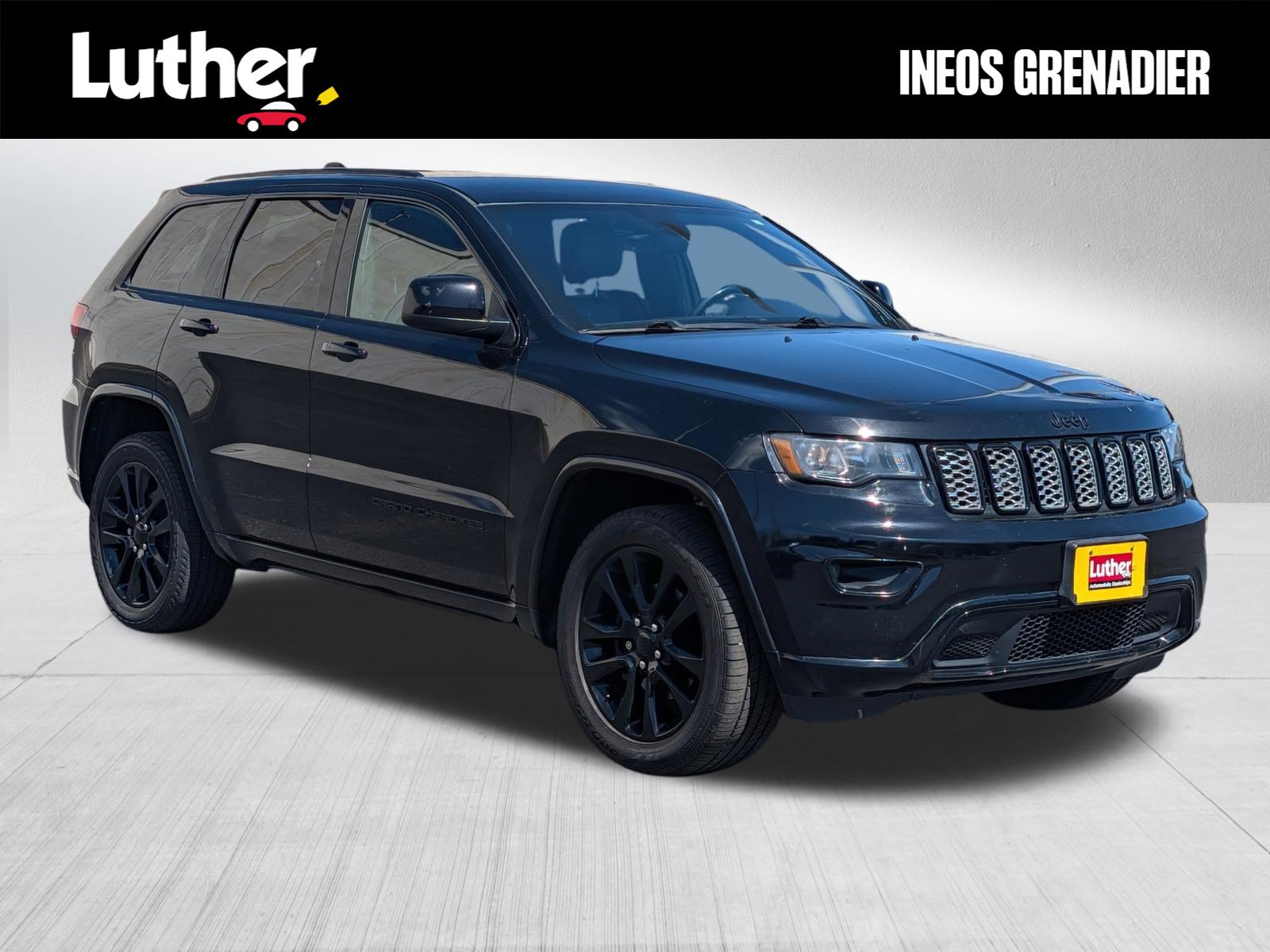
Step-by-step: Pushing The Steering Wheel Up
Let’s get practical. Here’s how to raise the steering wheel in a Jeep Grand Cherokee.
The process is simple, but small details matter.
1. Prepare Your Vehicle
Before making adjustments, always:
- Park on a level surface.
- Turn off the engine (especially for manual systems).
- Set the parking brake.
These steps keep you safe and prevent sudden movements.
2. Locate The Adjustment Control
Depending on your model:
- Manual lever: Look under the steering column. Most levers are gray or black and easy to spot.
- Power switch: Find the small switch or knob on the left side of the dashboard, close to the steering wheel.
Some models have a button labeled “Steering Wheel” or an icon of a wheel.
3. Unlock The Steering Wheel
For manual systems, pull the lever down or out. This unlocks the steering column and lets you move the wheel.
For power systems, pressing the button or moving the switch activates the adjustment motor.
Many drivers forget to unlock the wheel, making it impossible to move. This is a common mistake, especially for beginners.
4. Push The Steering Wheel Up
- Manual: Use both hands. Gently push the wheel upward. Don’t force it—if it feels stuck, check the lever again.
- Power: Move the switch upward. The motor will raise the wheel smoothly.
You should feel the wheel move into place. Some wheels move quickly, others are slower. Don’t rush.
5. Lock The Steering Wheel
After finding the right height:
- Manual: Push the lever back up or in to lock the wheel. You’ll hear a click.
- Power: The wheel locks automatically when you release the switch.
Always check if the wheel is secure. Gently wiggle it if it moves, lock it again.
6. Test Your Position
Before driving, check:
- Your arms are slightly bent.
- You can see the dashboard clearly.
- Your hands reach the wheel comfortably at “10 and 2” or “9 and 3”.
If you feel strained, repeat the steps and adjust as needed.
Tips For The Best Steering Wheel Position
Small tweaks can make a big difference. Here are practical tips:
- Keep airbag safety in mind: The wheel should point at your chest, not your face.
- Adjust after seat movement: If you change your seat height, adjust the wheel again.
- Don’t over-tighten: For manual levers, locking too tightly can damage the mechanism.
- Check knee clearance: Make sure your knees don’t hit the wheel.
- Avoid blocking gauges: Raise the wheel just enough to see all dashboard info.
Most drivers focus only on comfort. But safety and visibility are just as important.
Common Mistakes When Adjusting The Steering Wheel
Many Jeep owners make errors when changing the wheel height. Here are mistakes to avoid:
- Forcing the wheel: If the wheel doesn’t move easily, double-check the lock. Forcing it can break the adjustment mechanism.
- Ignoring the seat position: Adjusting the steering wheel without setting your seat first can lead to poor ergonomics.
- Not locking the wheel: Driving with an unlocked wheel is dangerous. Always secure it after adjustment.
- Blocking airbags: If the wheel is too high, airbags may not protect you properly.
- Misusing power controls: Some drivers hold the power switch too long, overheating the motor. Use short presses.
These mistakes cause discomfort, damage, and safety risks. Take your time and follow the steps.
Differences Between Manual And Power Adjustment
Some Grand Cherokees have manual levers, others have power switches. Here’s a quick comparison:
| Feature | Manual Adjustment | Power Adjustment |
|---|---|---|
| Ease of Use | Requires strength | Simple button press |
| Speed | Instant but can be jerky | Smooth, slower movement |
| Risk of Damage | Can break if forced | Motor can overheat |
| Adjustment Range | Limited | Wider range |
If you’re buying a used Grand Cherokee, check which system it has. Power adjustment is easier, especially for older drivers or those with limited mobility.
Real-world Example: Adjusting For Family Drivers
Consider a family with two drivers—one tall, one short. Each time they switch, the wheel needs adjusting. Modern Grand Cherokees offer memory settings. With a press of a button, the wheel moves to the saved position.
This feature is not obvious at first glance. Check your owner’s manual for memory setup.
It’s a time saver if you share your car.
How Often Should You Adjust The Steering Wheel?
Some drivers set it once and forget. But you should adjust the wheel whenever:
- You change seats.
- Someone else drives your car.
- You feel discomfort during driving.
Adjusting once a month keeps you comfortable and safe.

What To Do If The Steering Wheel Won’t Move
Sometimes, the wheel refuses to move. Here’s what to check:
- Is the lever/switch unlocked? Most issues come from forgetting to unlock.
- Is the car off? Some power systems need the engine running.
- Is there debris? Dirt or objects under the column can block movement.
- Is the wheel damaged? Old cars may have worn mechanisms.
If none of these work, consult a mechanic. Forcing the wheel can cause expensive repairs.
Maintenance Tips For Steering Wheel Adjustment Mechanisms
Keep your adjustment system working smoothly:
- Clean under the column: Use compressed air to remove dust.
- Lubricate joints: Once a year, apply a small amount of silicone spray.
- Check for wear: Listen for grinding sounds or stiffness.
Regular maintenance extends the life of your steering system.
Jeep Grand Cherokee Steering Wheel Adjustment: Data Overview
To see how the Grand Cherokee compares to other SUVs, here’s a quick data snapshot:
| Vehicle | Steering Wheel Adjustment Type | Height Range (inches) | Memory Function |
|---|---|---|---|
| Jeep Grand Cherokee | Power tilt & telescoping | 3.5–4.2 | Yes (select trims) |
| Toyota Highlander | Manual tilt & telescoping | 3.0–3.8 | No |
| Ford Explorer | Power tilt & telescoping | 3.2–4.0 | Yes |
This shows Grand Cherokee offers a wide range and memory features, making it user-friendly.
When To Seek Professional Help
If you notice:
- The wheel is stuck and won’t move.
- There’s grinding or squeaking.
- Power adjustment is unresponsive.
Don’t try to fix it yourself. Visit a certified Jeep mechanic.
Repairs can cost between $100 $400, depending on the issue. DIY fixes may void your warranty.
Useful Resources
Jeep’s official site has guides and videos for specific models. For detailed specs and troubleshooting, visit Jeep Official Site.
Frequently Asked Questions
How Do I Know If My Grand Cherokee Has Power Steering Wheel Adjustment?
Check your dashboard for a switch with a steering wheel icon. If you see buttons labeled “Steering Wheel,” you likely have power adjustment.
You can also look in your owner’s manual.
Can Adjusting The Steering Wheel Height Improve Safety?
Yes. The correct wheel height helps airbags deploy properly and keeps your hands in the best position for emergency maneuvers.
What If The Steering Wheel Doesn’t Lock After Adjustment?
Double-check the lever or switch. For manual systems, push the lever firmly.
For power systems, release the switch fully. If it still doesn’t lock, consult a mechanic.
Is It Possible To Adjust The Wheel While Driving?
Never adjust the wheel while driving. It can cause sudden movements and loss of control. Always adjust when parked.
How Much Does It Cost To Repair A Broken Steering Wheel Adjustment?
Repair costs range from $100 to $400, depending on the problem and whether you have manual or power adjustment. Power systems are usually more expensive to fix.
You now know how to push your steering wheel up in a Jeep Grand Cherokee, plus tips for safety, maintenance, and troubleshooting. Adjusting the wheel only takes a minute, but it can make driving more comfortable and safer for everyone in your car.
Take time to set it right your arms, back, and eyes will thank you on every drive.



















