Brake fade can turn a fun Jeep adventure into a risky situation. Imagine coming down a steep trail and suddenly feeling your brake pedal go soft.
This is not just scary it can lead to accidents. Many Jeep owners experience brake fade, especially when pushing their vehicle’s limits.
The good news is, you can prevent it with smart habits and good maintenance.

This guide explains what brake fade is, why it happens, and most importantly, how you can keep your Jeep brakes strong and reliable. Whether you drive a Wrangler, Grand Cherokee, or any Jeep, these steps will help you stay safe on and off the road.
What Is Brake Fade And Why Does It Happen?
Brake fade means your vehicle’s brakes lose stopping power after repeated use. It usually happens when brake components get too hot. As the temperature rises, the friction material on the brake pads can no longer grip the rotor effectively. This problem is common during:
- Long downhill drives
- Towing heavy loads
- Off-roading on rough terrain
In simple words: heat is the enemy.
Here’s a quick look at what happens during brake fade.
| Stage | What Happens | Symptoms |
|---|---|---|
| Early | Brakes start to heat up | Pedal feels softer |
| Moderate | Brake pads lose grip | Longer stopping distance |
| Severe | Brake fluid boils | Brakes nearly stop working |
Brake fade can happen to new Jeeps as well as old ones. It is more about driving conditions and maintenance than the age of your vehicle.
Top Ways To Prevent Jeep Brake Fade
Keeping your Jeep’s brakes cool and healthy is the best way to avoid fade. Here’s what you should do.
1. Use Engine Braking On Descents
Instead of riding your brakes downhill, use a lower gear. This is called engine braking. It reduces the work your brake pads must do. On steep trails, shift into low range if you have 4×4.
2. Upgrade To High-performance Brake Pads
Standard pads are fine for daily use, but performance brake pads handle heat better. Look for pads made of ceramic or carbon-fiber materials. These provide better grip and fade resistance.
| Pad Type | Heat Resistance | Best Use |
|---|---|---|
| Organic | Low | City driving |
| Semi-metallic | Medium | Mixed use |
| Ceramic/Carbon | High | Off-road, towing |
3. Check And Change Brake Fluid Regularly
Old brake fluid absorbs water over time, which lowers its boiling point. When fluid boils, you lose braking power fast. Change your brake fluid at least every two years or after deep water crossings.
4. Don’t Overload Your Jeep
Carrying too much weight puts extra stress on your brakes. Stay within the recommended payload and towing limits for your model. You can find these numbers in your Jeep’s manual.
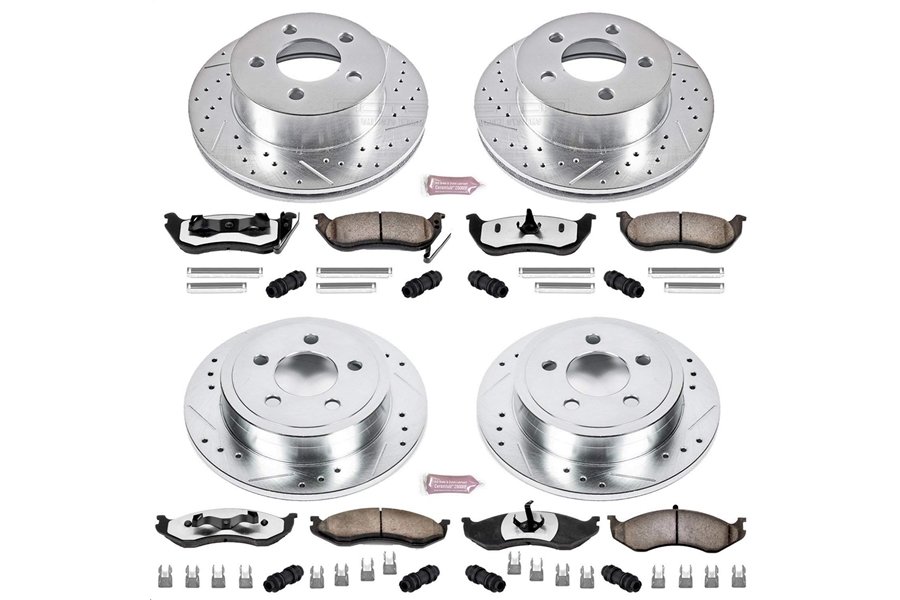
5. Install Slotted Or Drilled Rotors
Slotted and drilled rotors help vent heat and gases away from the brake pads. They stay cooler under pressure, which reduces the risk of fade. However, they can wear pads faster, so check them often.
6. Allow Brakes To Cool Down
If you smell burning or feel reduced power, pull over and let your brakes cool. A 10-minute break can make a big difference.
This tip is especially important on long mountain roads.
7. Practice Proper Braking Technique
Avoid riding the brakes. Instead, apply firm, short pressure, then release.
This gives your brakes a chance to cool between uses.
8. Maintain Your Braking System
Check your brake pads, rotors, and calipers for wear every 12,000 miles or sooner if you drive off-road often. Replace any worn parts right away.
9. Use The Right Tires
Surprisingly, tires play a role in brake fade. Good tires help transfer braking force to the ground. Worn or underinflated tires make your brakes work harder and hotter.
Real-world Example
Imagine you’re descending a long mountain trail in your Jeep Wrangler. If you use your brakes the whole way down, they will heat up and fade.
But if you shift into 4-Low and use engine braking, your brakes stay cooler.
Drivers who combine engine braking with short, firm brake applications report far fewer problems.
Common Mistakes That Lead To Brake Fade
Many Jeep owners make these errors without realizing it:
- Using old, cheap brake pads for off-roading
- Ignoring brake fluid changes
- Overloading the vehicle with gear or passengers
- Not inspecting the braking system after muddy or wet trips
- Using improper braking techniques on slopes
Avoiding these mistakes can prevent most cases of brake fade.

How Often Should You Check Your Jeep’s Brakes?
Ideally, inspect your brakes every oil change, especially if you drive in tough conditions. Here’s a simple maintenance schedule:
| Brake Part | Check Frequency | When to Replace |
|---|---|---|
| Brake pads | Every 12,000 miles | If less than 3mm thick |
| Brake fluid | Every 2 years | If dark or contaminated |
| Rotors | Every 24,000 miles | If warped or deeply grooved |
Always replace both sides at the same time for even braking.
The Bottom Line
Preventing Jeep brake fade is about being proactive. Use engine braking on hills, choose quality brake parts, and stick to a good maintenance routine. These steps keep your brakes reliable, so you can enjoy your Jeep with confidence—no matter where the road or trail takes you.
For more technical details on brakes and vehicle safety, visit the Wikipedia page on brake fade.
Frequently Asked Questions
What Is The First Sign Of Brake Fade?
A soft or spongy brake pedal is often the first sign. You may also notice your Jeep takes longer to stop.
Can Bigger Tires Cause Brake Fade?
Yes, larger tires add weight and require more braking force. This extra load can heat up your brakes faster, leading to fade.
How Do I Know If My Brake Fluid Is Bad?
If your brake fluid looks dark, cloudy, or smells burnt, it’s time to change it. Old fluid can cause fade and other brake problems.
Are Slotted Rotors Better Than Standard Ones For Jeeps?
Slotted rotors help keep brakes cool and clean, especially during heavy use. They are a good choice for off-roading or towing.
Is Brake Fade Dangerous?
Absolutely. Brake fade can make it hard or impossible to stop your Jeep. Always address the cause right away to stay safe.