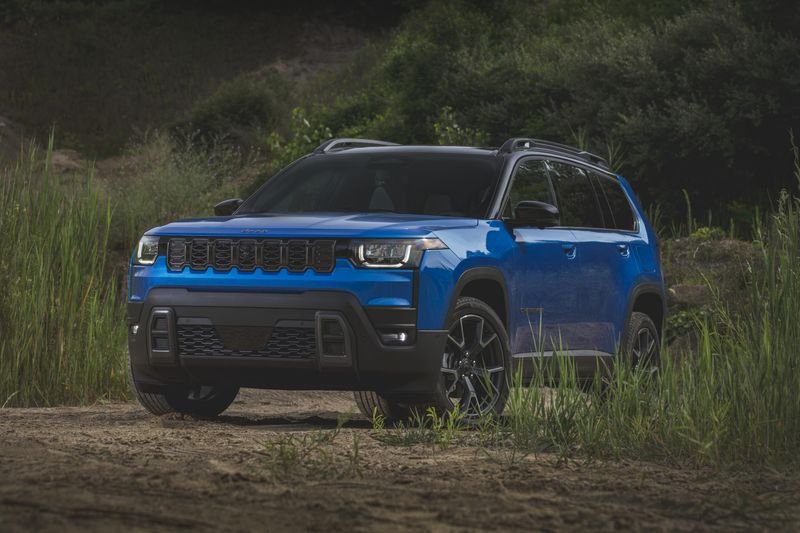
Overlanding is more than just driving off-road; it’s about adventure, self-reliance, and exploring remote places. If you own a Jeep car, preparing it for an overlanding trip is essential to ensure safety, reliability, and comfort. Whether you’re planning a weekend escape or a month-long journey, proper preparation can make the difference between a memorable adventure and a stressful experience. Let’s explore how to get your Jeep ready for the challenges of overlanding.
Assess Your Jeep’s Condition
Before adding gear or modifications, check the mechanical health of your Jeep. Overlanding often means traveling far from repair shops, so reliability is crucial.
- Inspect tires for wear and damage
- Check brakes, suspension, and steering components
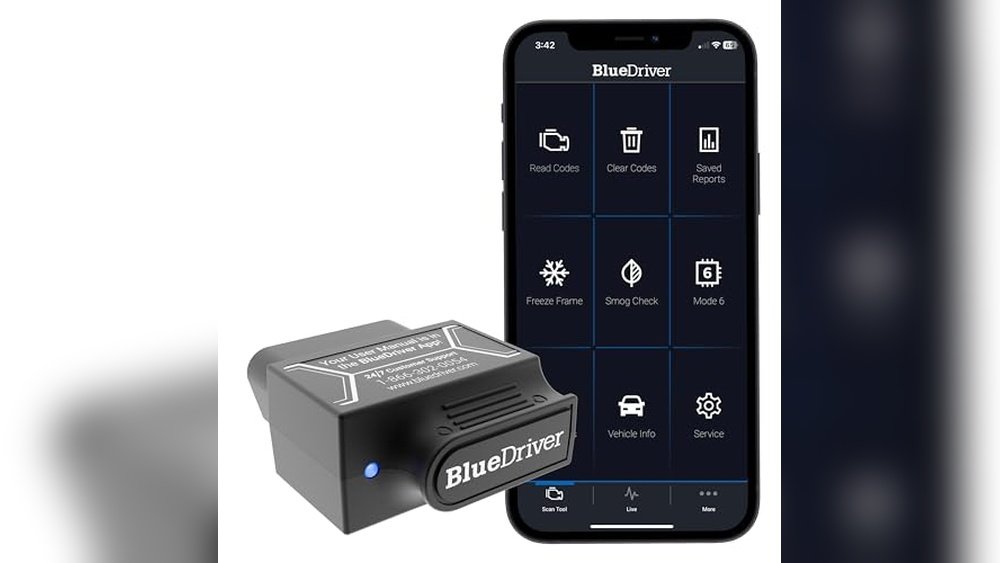
- Test battery and electrical systems
- Look for leaks in fluids: Oil, coolant, transmission, and differential
If your Jeep has over 50,000 miles, consider replacing belts, hoses, and filters. Many experienced overlanders recommend a full tune-up before every major trip.

Essential Overlanding Modifications
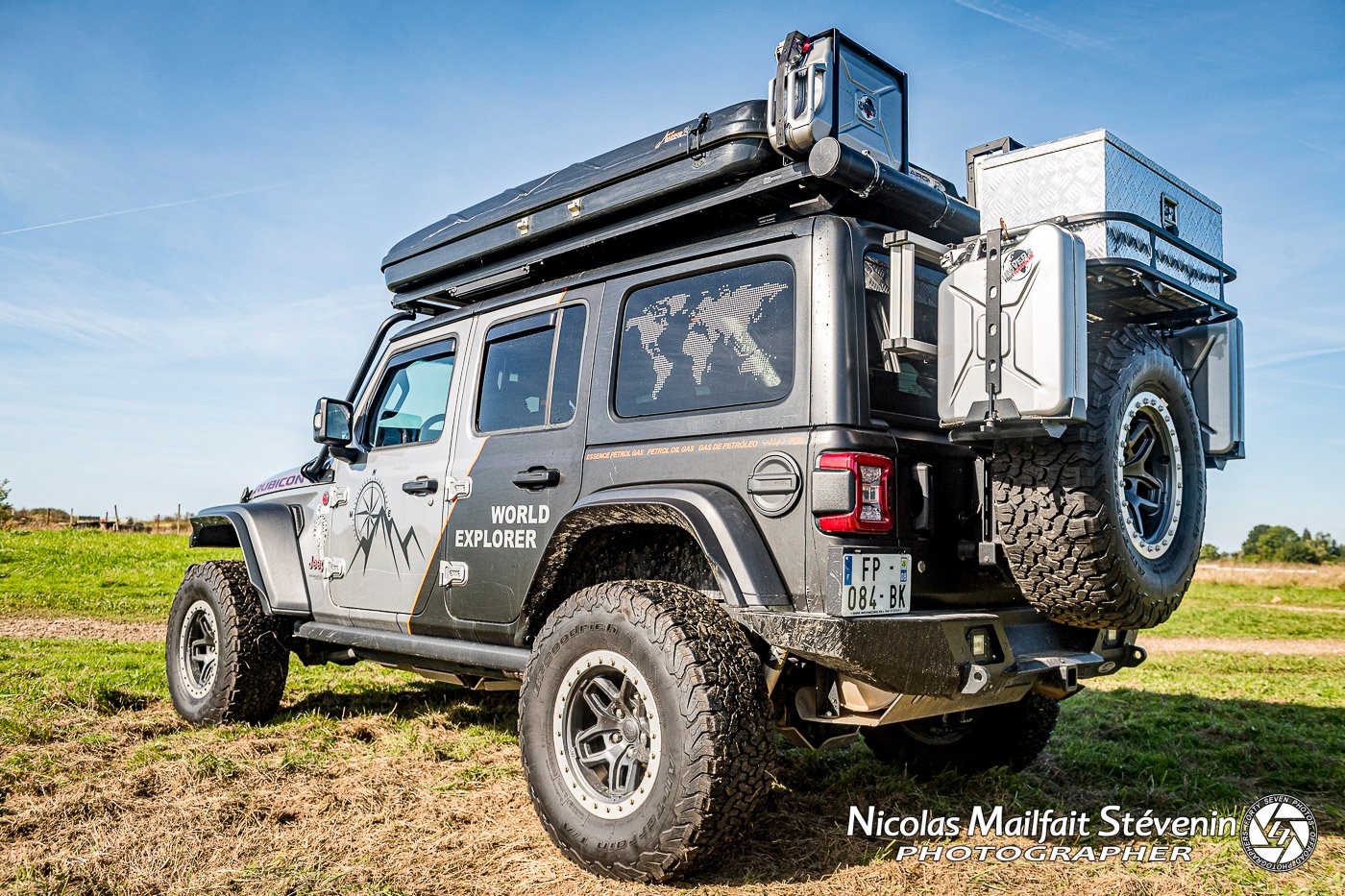
Some upgrades can turn your Jeep into a more capable overlanding vehicle. Focus on modifications that improve durability, utility, and safety.
| Upgrade | Purpose | Cost Range (USD) |
|---|---|---|
| All-terrain tires | Better traction & durability | $800–$1,500 |
| Lift kit (2-4”) | Increased ground clearance | $700–$2,000 |
| Skid plates | Protects underbody | $300–$800 |
| Winch | Self-recovery | $500–$1,200 |
| Roof rack | Extra cargo space | $400–$1,000 |
Choose upgrades based on your trip’s terrain. For example, if you expect rocky trails, skid plates are vital. If you plan deep water crossings, consider a snorkel for engine protection.
Packing The Right Gear
Overlanding requires more than just camping gear. You need supplies for vehicle recovery, navigation, and emergencies.
- Recovery equipment: Tow straps, shackles, and a shovel
- Navigation tools: GPS, maps, compass
- First-aid kit: Include supplies for minor injuries and allergic reactions
- Food and water: At least 1 gallon of water per person per day
- Spare parts: Extra fuses, bulbs, and a serpentine belt
- Communication device: Satellite phone or two-way radio
| Item | Recommended Quantity | Why It Matters |
|---|---|---|
| Water | 1-2 gallons/person/day | Hydration, cooking |
| Fuel | Extra 5-10 gallons | Remote travel |
| Recovery gear | 1 set | Getting unstuck |
| First-aid kit | 1 kit | Medical emergencies |
| Navigation tools | GPS + maps | Route planning |
A beginner mistake is packing too much gear. Only bring what you truly need, as extra weight can hurt fuel efficiency and handling.
Jeep Storage And Organization
Keeping your gear organized is key for safety and convenience. A messy Jeep makes finding items difficult and can be dangerous if things shift during off-roading.
- Use storage bins for small items
- Secure heavy gear with straps or nets
- Keep emergency tools within reach
Many overlanders use a drawer system in the trunk for easy access. Avoid stacking gear too high; it reduces visibility and increases rollover risk.
Preparing For Remote Travel
Overlanding often takes you far from civilization. Plan for self-sufficiency and unexpected situations.
Plan Your Route And Timing
Map out your journey using reliable navigation tools. Research road conditions, weather, and possible campsites.
Inform someone of your route and expected return date.
Check Legal Requirements
Some areas require permits for camping or off-roading. Check local regulations and get the necessary paperwork.
This simple step avoids fines and trouble with authorities.
Emergency Planning
Know how to signal for help. Carry a satellite messenger if cell coverage will be poor. Learn basic vehicle repair, such as changing a tire or fixing a loose battery cable.
Jeep Maintenance On The Trail
Your Jeep will face tough conditions. Basic maintenance skills can save your trip.
- Check tire pressure daily
- Inspect underbody for damage after rough terrain
- Clean air filter regularly
- Watch fluid levels, especially oil and coolant
Carry spare fluids and tools for quick repairs. Many beginners forget extra coolant, which is critical in hot climates.
| Maintenance Task | Frequency | Tools Needed |
|---|---|---|
| Check tire pressure | Daily | Pressure gauge |
| Inspect air filter | Every 2-3 days | Screwdriver |
| Top off fluids | As needed | Spare fluids |
| Check battery terminals | Weekly | Wrench |
Frequently Asked Questions
What Is The Best Jeep Model For Overlanding?
Jeep Wrangler and Jeep Gladiator are top choices. Their strong off-road capability, aftermarket support, and reliability make them popular. The Wrangler is ideal for tight trails; the Gladiator offers more cargo space.
How Much Fuel Should I Carry For An Overlanding Trip?
Carry at least 50% more fuel than you expect to use. If your route is remote, extra fuel is critical. Most overlanders bring 5–10 gallons in jerry cans.
Do I Need A Winch For Overlanding?
A winch is highly recommended, especially for solo travel or muddy terrain. It can help you recover your Jeep if you get stuck. For group trips in mild conditions, recovery straps may be enough.
Is It Necessary To Lift My Jeep For Overlanding?
A lift kit improves ground clearance for rough terrain but isn’t required for every trip. If your route includes deep ruts or rocks, a 2–4” lift helps. For mild trails, stock height is often enough.
Where Can I Find Reliable Overlanding Route Information?
Use official park websites, overlanding forums, and apps like Gaia GPS. For trusted resources, check National Park Service for updated information.
Getting your Jeep ready for overlanding takes planning and preparation. Focus on mechanical reliability, smart upgrades, and packing what you need.
With these steps, your Jeep will be ready for adventure allowing you to explore with confidence and enjoy the journey.