Preparing your Jeep for a desert expedition is more than just packing bags and filling the tank. The desert is unpredictable—intense heat, loose sand, and long stretches without help. A well-prepared Jeep can make the difference between an exciting adventure and a dangerous situation. Whether you are a first-timer or have some off-road experience, focusing on the right upgrades and planning ahead ensures your safety and boosts your confidence. Let’s break down what you need to know to get your Jeep ready for the desert.
Choosing The Right Jeep Model
Not all Jeeps are equally suited for desert expeditions. While most modern Jeeps offer good off-road capability, some models handle sand and extreme heat better than others.
| Model | Engine | Ground Clearance | Notes |
|---|---|---|---|
| Wrangler Rubicon | V6 / Turbo | 10.8 in | Best for deep sand, lockers included |
| Gladiator | V6 | 11.1 in | More storage, similar off-road |
| Cherokee Trailhawk | V6 | 8.7 in | Good for light sand, less rugged |
If you already own a Jeep, don’t worry. You can still prepare it for desert travel, but knowing your vehicle’s limits is key.
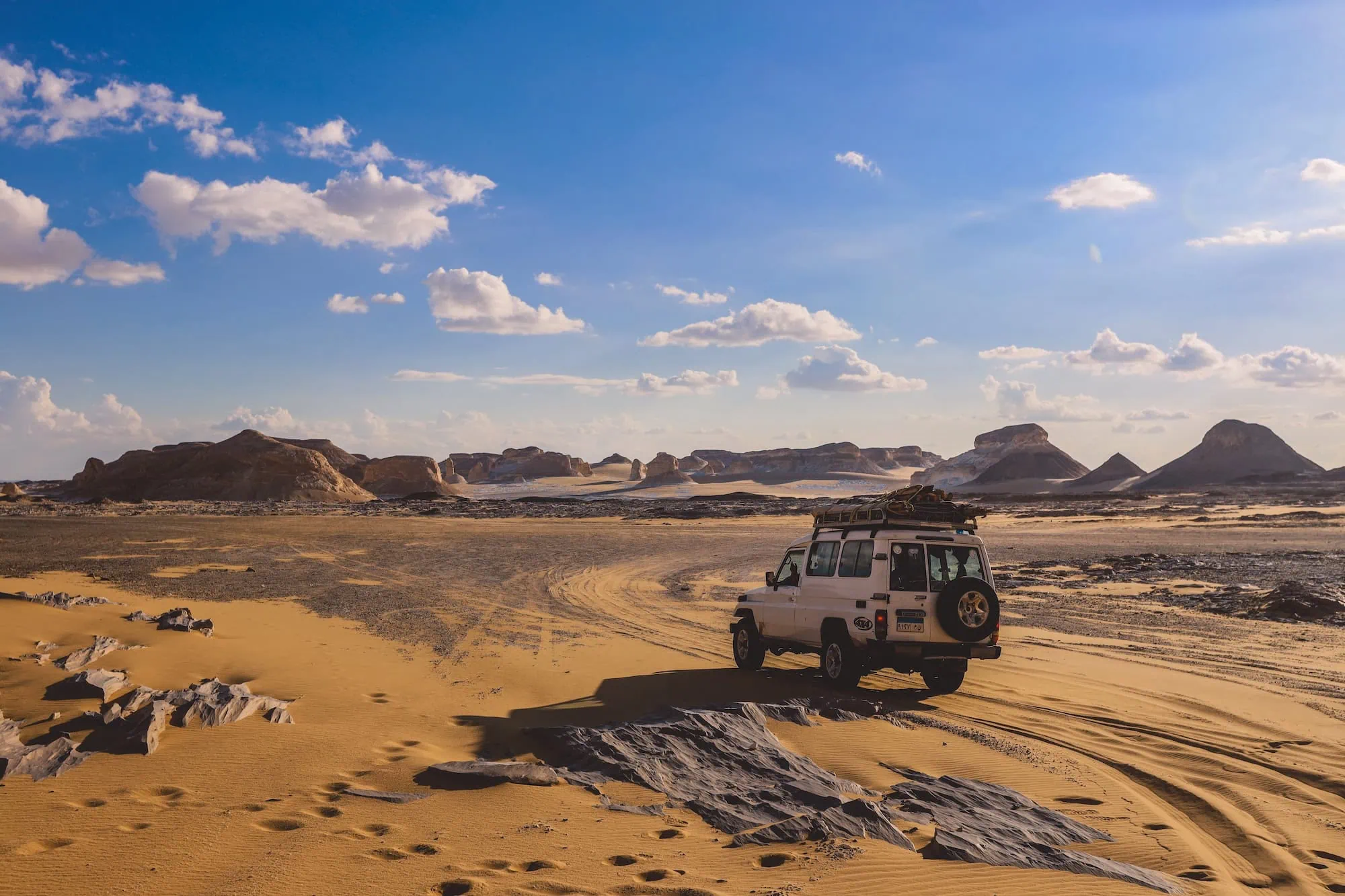
Essential Mechanical Checks
Before heading into the desert, do a thorough mechanical check. The desert is hard on vehicles, especially with high temperatures and fine sand.
- Engine cooling: Ensure the radiator and coolant system are clean. Overheating is a top cause of breakdowns.
- Battery health: Old batteries can die fast in the heat. Test or replace if needed.
- Air filter: The desert’s dust can clog filters quickly. Start with a new one and bring a spare.
- Belts and hoses: Check for cracks, soft spots, or wear—these fail faster in extreme heat.
- Oil and fluids: Use high-quality oil rated for high temperatures. Top off all fluids, including brake and power steering.
Many beginners forget to check the spare tire’s condition and the tools needed to change a tire in deep sand. Don’t make this mistake—test your jack and tire tools before leaving.
Tire Selection And Pressure
Tires are your only contact with the sand. Choosing the right type and knowing how to adjust tire pressure is crucial.
| Tire Type | Pros | Cons |
|---|---|---|
| All-Terrain (A/T) | Good grip, common size | Not as good in deep sand |
| Mud-Terrain (M/T) | Excellent in soft sand | Can wear faster on pavement |
| Highway Terrain (H/T) | Quiet ride on roads | Poor sand performance |
Lowering tire pressure increases the tire’s surface area, helping you “float” on the sand. For most Jeeps, 12–16 psi is ideal for soft sand. Carry a reliable air compressor to reinflate your tires when you return to harder surfaces.
Essential Gear And Modifications
Desert expeditions require more than just a stock vehicle. Here are key upgrades and gear to consider:
- Recovery gear: Bring a recovery strap, D-shackles, and a shovel. Sand ladders help in soft spots.
- Winch: A front-mounted winch can pull you out if you’re stuck alone.
- Underbody protection: Skid plates protect your oil pan, transmission, and fuel tank from rocks.
- Upgraded suspension: Heavy loads and rough terrain strain factory suspension. Consider stronger shocks and springs.
- Lighting: Desert nights are pitch black. LED light bars or extra spotlights make a big difference.
Many overlook roof racks or extra storage solutions. The desert requires more water, gear, and sometimes fuel than other trips, so secure storage is key.
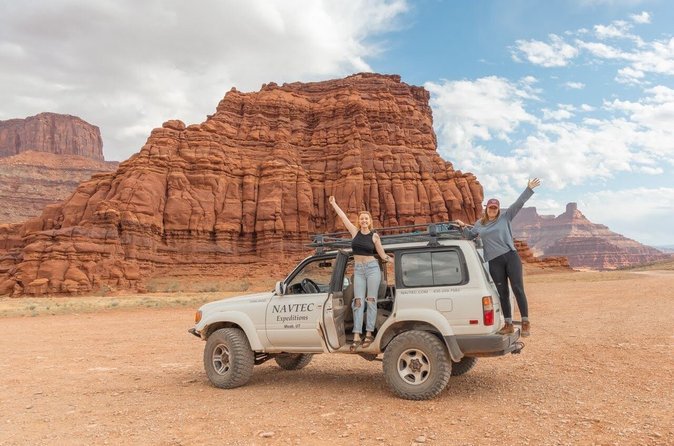
The desert’s number one rule: always carry more water than you think you need. Dehydration happens quickly, and rescue can take hours.
| Item | Recommended Amount | Notes |
|---|---|---|
| Water | 4 liters/person/day | Double in summer or emergencies |
| Fuel | Full tank + 5-10 gal extra | Carry in approved containers |
| Food | At least 2 days extra | Non-perishable, high-energy |
Navigation is another area where beginners often struggle. Relying only on phone GPS is risky—the signal is unreliable. Invest in a dedicated GPS device and carry paper maps as a backup. Mark water points, exits, and emergency contacts before you leave.
Safety Precautions And Communication
Safety in the desert is about planning for the unexpected. Always travel with at least one other vehicle if possible.
Share your route and expected return time with someone at home.
Key safety steps:
- Check the local weather before you go. Sandstorms can appear suddenly.
- Bring a satellite phone or personal locator beacon for emergencies.
- Know basic first aid and carry a well-stocked kit.
- Bring sun protection: Hats, sunscreen, long sleeves, and sunglasses.
A common mistake is ignoring local regulations or travel advisories. Some areas require permits, and others close during extreme heat. Always check official information—good resources include the National Park Service.
What Beginners Often Miss
Many first-timers focus on big modifications but forget small details that matter:
- Bolt checks: Rough roads shake loose bolts on bumpers, racks, and suspension. Tighten everything before leaving.
- Electrical connections: Sand and vibration can cause shorts or loose wires. Check battery terminals and lights.
- Driving practice: Practice driving in sand before your trip. Learn how to recover from getting stuck—technique matters as much as equipment.
Frequently Asked Questions
What Is The Best Tire Pressure For Sand Driving?
Lower your tires to 12–16 psi for deep sand. This increases grip and helps prevent getting stuck. Remember to reinflate tires for highway driving to avoid damage.
How Much Water Should I Carry Per Person?
Carry at least 4 liters per person per day. Double this amount during hot weather or if your route is remote.
Is A Winch Necessary For Desert Driving?
A winch is highly recommended, especially if traveling alone or in remote areas. It can save you hours of digging if you get stuck.
Can I Use A Regular Car Battery In The Desert?
You can, but a high-quality, heat-resistant battery is safer. Heat shortens battery life, so consider an upgrade if your battery is over two years old.
What Is The Most Important Modification For A Desert Jeep?
Reliable cooling is critical. Overheating is the most common failure in the desert, so start with your radiator, fan, and coolant system.
Preparing your Jeep for the desert means more than just buying gear it’s about understanding the risks and planning every detail. The right preparation ensures your adventure is safe and memorable, not stressful.
With the steps above, you can face the desert with confidence and enjoy every mile of sand ahead.


















