Popping the hood of a Jeep Cherokee might seem simple, but if you’re new to the model or car maintenance, it’s easy to get stuck.
Some Cherokees have slightly different mechanisms depending on the year or trim, and many drivers don’t realize there are a few tricks to make the process smooth. This guide breaks down the steps, shares insider tips, and explains what to do if your hood won’t open.
Whether you’re checking oil, changing a battery, or just curious, this article covers everything you need to know.
Understanding Your Jeep Cherokee’s Hood Release System
Most Jeep Cherokees use a two-step hood release. First, you pull a lever inside the cabin. Then, you release a secondary catch under the hood. This system prevents the hood from flying up while driving if the interior lever is pulled accidentally.
Here’s a quick look at the differences in hood release for common Jeep Cherokee models:
| Model Year | Interior Lever Location | Secondary Latch Type |
|---|---|---|
| 2014–2023 | Left side, below dashboard | Center pull tab |
| 2002–2013 | Lower kick panel, driver’s side | Offset latch, right of center |
| 1997–2001 | Next to fuse box, under dash | Metal lever, center |
Knowing your model year helps you find the right levers and avoid unnecessary searching.
Step-by-step Guide: How To Pop The Hood
1. Park Safely
Always park on a level surface. Turn off the engine and set the parking brake. This prevents accidental movement while you’re working.
2. Locate The Interior Hood Release Lever
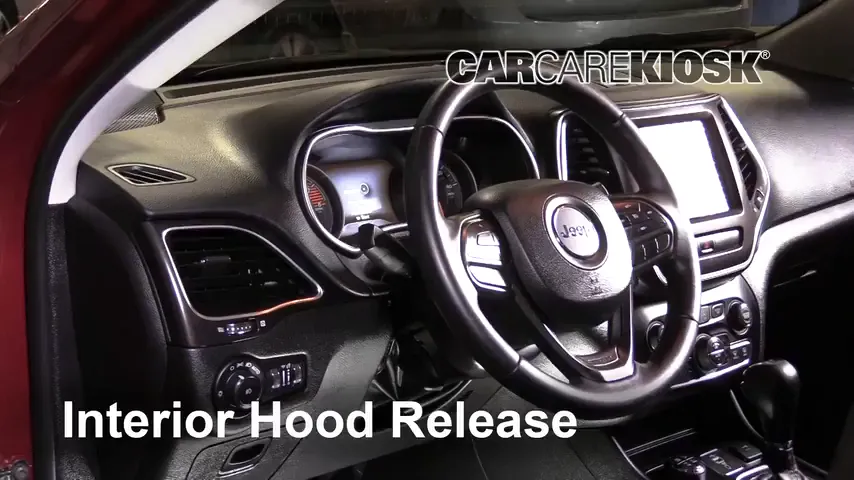
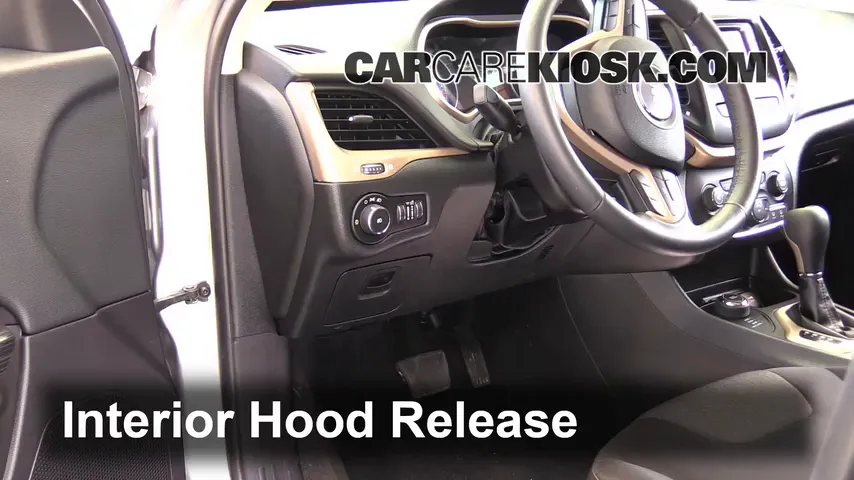
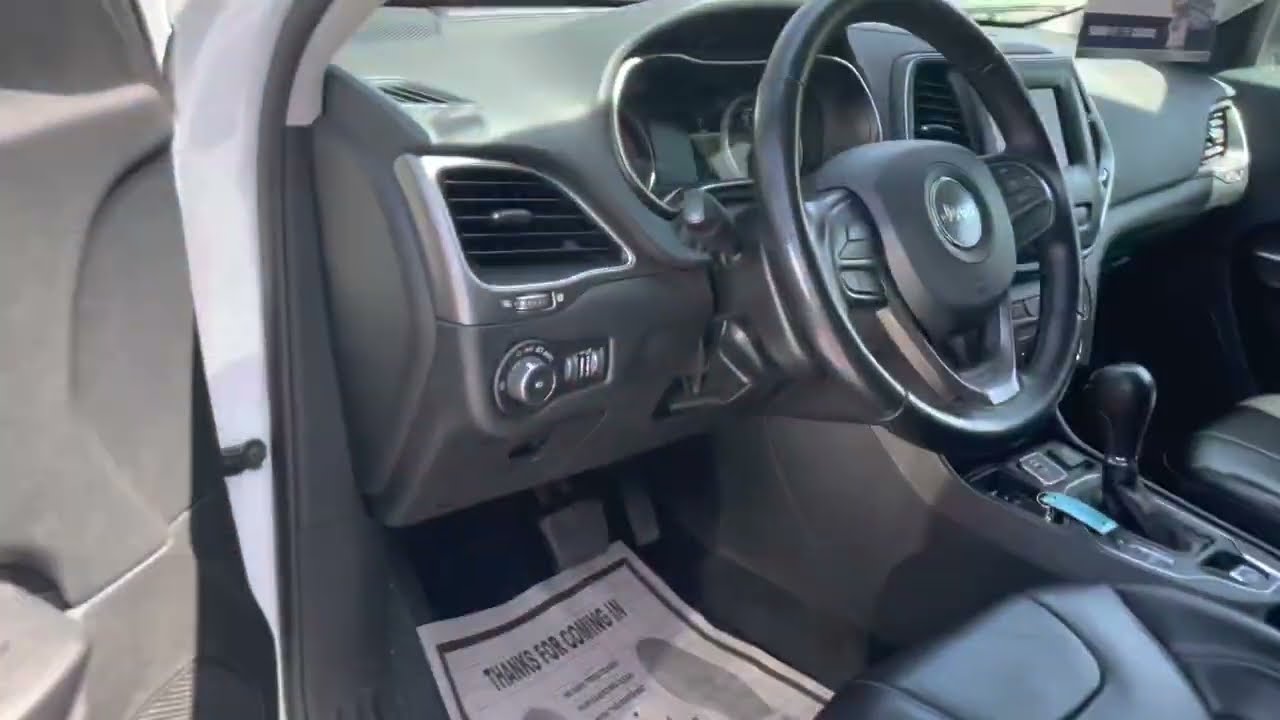
Most Cherokees have the release lever on the driver’s side, just below the dash or next to the door. Look for a small handle, often marked with a hood icon. If you’re unsure, check your owner’s manual for an exact diagram.
3. Pull The Release Lever
Firmly pull the lever until you feel it “pop. ” You may hear a faint click.
This action unlocks the main latch and raises the hood slightly.
4. Move To The Front Of The Vehicle
Go to the center front of your Jeep. The hood will be raised a half-inch, but it won’t open fully yet.
5. Locate And Release The Secondary Latch
Reach under the center front edge of the hood. Feel for a small lever or tab—this is the safety latch. Push it to the side or upwards (depending on your model), then lift the hood.
Here’s a quick comparison of secondary latch directions:
| Model Year | Secondary Latch Direction |
|---|---|
| 2014–2023 | Push up |
| 2002–2013 | Slide right |
| 1997–2001 | Pull forward |
6. Raise The Hood Fully
Lift the hood. Most Cherokees use a prop rod to keep the hood open, though some newer models have gas struts. If your model uses a rod, secure it in the designated hole.
What To Do If The Hood Is Stuck
Sometimes the hood won’t pop, even after pulling the lever. This is usually caused by:
- Jammed latch due to dirt or rust
- Broken or stretched release cable
- Frozen latch in cold weather
If you can’t open the hood:
- Have someone pull and hold the interior lever while you gently tap the hood’s edge with your palm.
- Try pulling the lever multiple times; sometimes the cable sticks.
- Spray a little penetrating oil (like WD-40) into the latch area under the hood if you can reach it through the grille.
If these steps fail, you may need a mechanic or detailed guidance from a forum like JeepForum.
Tips For Easier Hood Opening
- Lubricate the latch mechanism every 6-12 months with silicone spray to prevent sticking.
- Always make sure the hood is fully latched before driving; push down until you hear a click.
- If your hood cable feels loose, have it checked—worn cables can snap without warning.
- Don’t force the hood open with tools; this can bend the latch or hood.
Common Mistakes To Avoid
Many beginners make the same errors when opening a Jeep Cherokee hood:
- Not pulling the lever hard enough: The lever sometimes requires firm pressure, especially in older vehicles.
- Looking for the secondary latch in the wrong spot: It’s almost always center or just off-center, not under the grille.
- Forgetting the prop rod: If your hood keeps falling, double-check if your model uses a prop rod instead of struts.
- Trying to pry the hood open: This can damage both the hood and the fenders.
- Ignoring sticky latches: If the lever feels stiff, lubricate it soon or risk a cable break.
Quick Reference: Hood Opening Features By Model
This summary table highlights some key differences between Cherokee generations:
| Model | Hood Support | Latch Location | Special Notes |
|---|---|---|---|
| 2014–2023 KL | Gas struts | Center, under hood | Lightweight aluminum hood |
| 2002–2013 KK/KJ | Prop rod | Right of center | Latch may corrode with age |
| 1997–2001 XJ | Prop rod | Center | Latch sometimes sticks in winter |
Final Thoughts
Opening the hood of a Jeep Cherokee isn’t hard once you know the steps and where to look. Each model year has its own small quirks, but the two-step release is always there for safety.
Regular care of the latch and understanding your specific model’s design make maintenance much easier.
If the hood ever gets stuck, don’t panic follow the tips above or seek help from an expert. A working hood release keeps your Cherokee safe and ready for regular checks.
Frequently Asked Questions
How Do I Know If My Jeep Cherokee Hood Is Fully Closed?
Push down on the center and both corners of the hood until you hear a solid “click. ” The hood should sit flush with the fenders.
If it moves when you pull, it’s not latched.
What If My Hood Cable Breaks?
If the hood release cable snaps, you’ll likely need to open the hood from underneath the vehicle or through the grille with special tools. This is a job for a mechanic unless you’re confident with car repairs.
Can I Open The Hood If The Battery Is Dead?
Yes, the hood release is mechanical, not electric. Even with a dead battery, you can open the hood as long as the cable and latch are working.
Why Does My Hood Lever Feel Stiff?
A stiff lever usually means the latch needs lubrication or the cable is starting to rust. Spray a lubricant on the latch under the hood and gently work the lever to restore smooth movement.
Is The Process The Same For All Jeep Cherokee Trims?
The basic steps are the same for all trims, but the exact latch location and support system (rod vs. strut) may differ.
Always check your owner’s manual for the most accurate info.