If your check engine light is on, the idea of passing a smog check might feel impossible. But don’t panic, there are steps you can take to improve your chances and avoid failing the test.
You need to understand why that light is on, what it means for your car’s emissions, and how to prepare your vehicle before the inspection.
In this guide, you’ll learn practical tips that can help you pass the smog check even with the check engine light on.
Keep reading your next smog test might be easier than you think.
Check Engine Light And Smog Checks
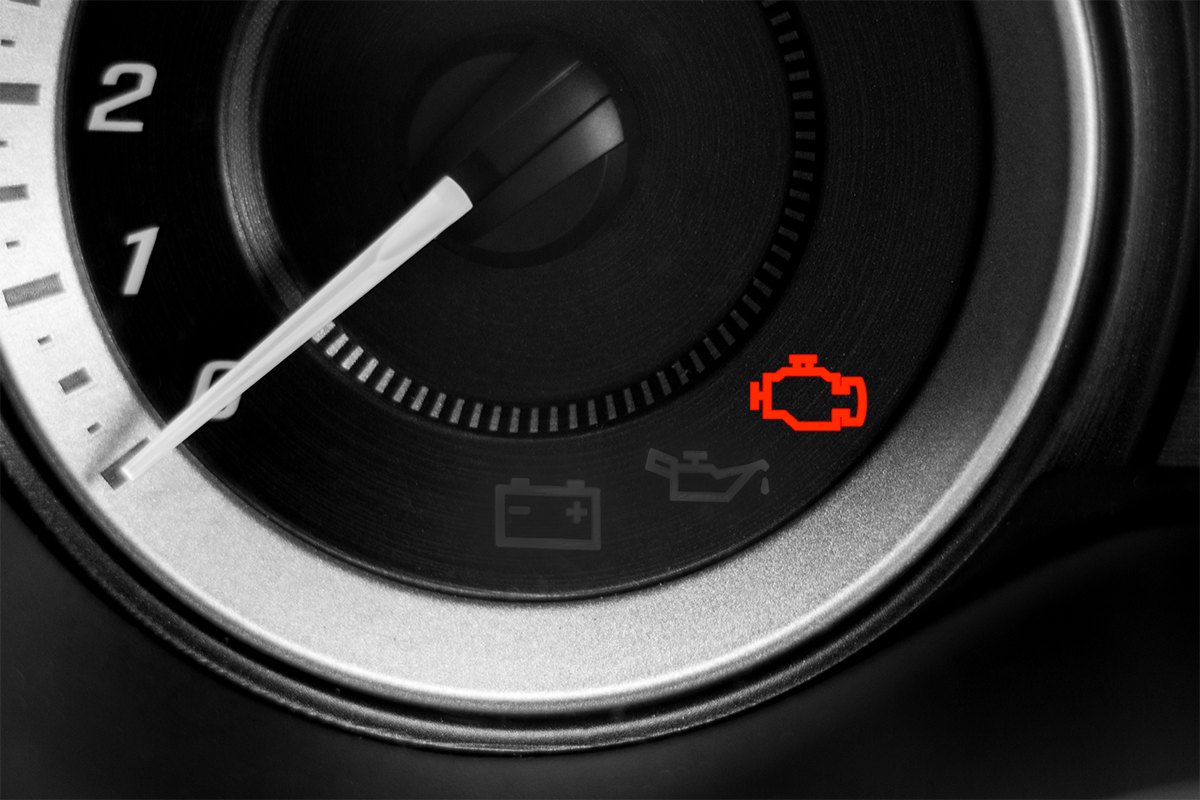
The Check Engine Light plays a key role in smog checks. It shows if the car’s computer finds a problem.
This light can affect whether your vehicle passes or fails the test.
Understanding the relationship between the Check Engine Light and smog tests helps you prepare. It guides you on what to expect during the inspection.
Why The Light Matters
The Check Engine Light signals issues with the vehicle’s emissions system. If the light is on, it means a fault is present.
This fault can increase pollution from your car.
Smog checks look for these faults to ensure vehicles meet clean air standards. A lit Check Engine Light usually means an automatic test failure.
The light warns of problems that need fixing before passing.
Emission Test Impact
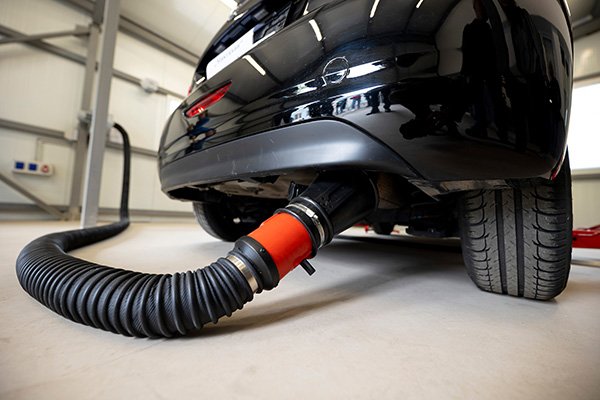
When the Check Engine Light is on, the smog tester reads the car’s diagnostic codes. These codes reveal emission-related problems.
The test may also check if emission monitors are ready.
If monitors are not ready or the light is on, the vehicle often fails the test. The system prevents passing cars that might pollute too much.
Repairing the issue and clearing the light helps ensure a clean test result.
Diagnosing The Issue
Diagnosing the issue behind a check engine light is the first step to passing a smog check. The light indicates a problem with your vehicle’s emissions system or engine.
Finding the exact cause helps you fix it before the test.
Modern cars have a built-in system that stores trouble codes. These codes reveal what triggered the light. Reading these codes requires a special tool.
Using Obd-ii Scanners
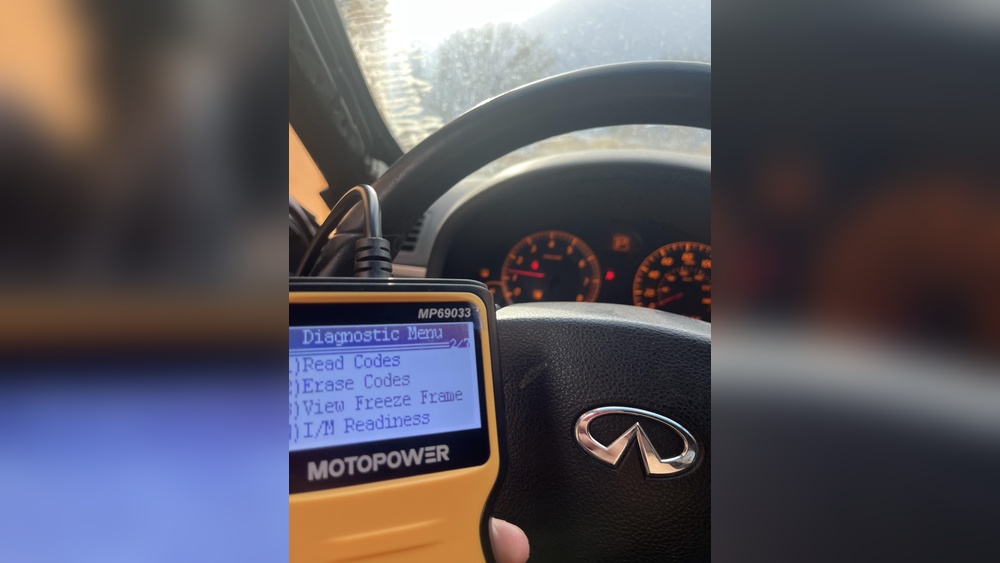
OBD-II scanners are devices that connect to your car’s computer port. They read the stored trouble codes.
You can buy or borrow a scanner from an auto parts store. Some shops offer free scans too.
The scanner shows codes on a screen. Each code points to a specific issue.
It can be a loose gas cap, faulty sensor, or engine problem. This saves time and money by avoiding guesswork.
Common Trouble Codes
Some trouble codes are common and easy to fix. P0420 means a catalytic converter is not working well.
P0171 signals a lean fuel mixture. P0300 indicates random engine misfires.
Other codes like P0455 suggest a loose or damaged gas cap. Fixing these problems often turns off the check engine light.
It also improves your chances of passing the smog test.
Fixing Problems Before The Test
Fixing problems before the smog test increases the chances of passing. The check engine light signals a fault in your car’s system.
Ignoring this light often leads to automatic test failure. Addressing issues early saves time and money.
It also helps your car run cleaner and safer on the road.
Repairing Faulty Components
Start by identifying the cause of the check engine light. Use a scanner tool to read error codes from your car’s computer.
Common problems include faulty oxygen sensors, spark plugs, or catalytic converters. Replace or repair these parts as needed.
Ensure all repairs meet the manufacturer’s specifications. A properly repaired system reduces harmful emissions.
This step is important for clearing the check engine light and passing the smog check.
Resetting The Check Engine Light
After fixing the issues, reset the check engine light. Disconnecting the battery for a few minutes can reset the light. Alternatively, use an OBD-II scanner to clear error codes. Resetting alone does not guarantee passing the test. Your car must complete a full drive cycle to update the computer system. This process allows the vehicle to run all tests and confirm repairs. Only then will the smog check system recognize the fixes.
Preparing Your Vehicle
Preparing your vehicle before a smog check is key to passing, especially if your check engine light is on. Taking the right steps can help reduce emissions and clear errors that might cause a test failure.
Proper preparation helps your car run cleaner and meet regulations.
Completing The Drive Cycle
A drive cycle is a set of driving conditions needed to reset your car’s computer. It makes sure all emissions tests and sensors are working correctly.
To complete it, drive your vehicle through city and highway speeds. Include stops, starts, and idling.
This process can take 20 to 30 minutes. Completing the drive cycle allows the car to run tests and update its system.
Clearing Pending Codes
Pending codes show problems that might not light the check engine light yet. These codes can still cause your car to fail a smog check.
Use a basic OBD-II scanner to find and clear these codes. Clearing codes without fixing the problem only hides issues temporarily.
Fix any problems first, then clear codes. After clearing, complete the drive cycle to reset the system before testing.
Alternative Tips To Improve Smog Results
Alternative methods can help improve smog test results even if the check engine light stays on. These tips focus on optimizing your car’s systems for better emissions performance.
Some are simple and cost-effective ways to prepare your vehicle for the smog check. They do not replace repairs but can assist in reducing emissions output.
Fuel System Treatments
Using fuel system treatments can clean your engine’s fuel injectors and combustion chambers. This cleaning helps the engine burn fuel more efficiently.
Better combustion means fewer harmful emissions. Add a fuel system cleaner to your gas tank before driving.
Choose products designed to reduce carbon buildup. Regular use can improve engine performance and lower emissions.
Make sure to follow the product instructions carefully for best results.
Battery Reset Tricks
Resetting your car’s battery can sometimes help clear false error codes. Disconnect the battery for about 15 minutes.
This action resets the vehicle’s computer system. After reconnecting, the check engine light might turn off if there is no serious problem.
Drive the car for several days to allow the computer to relearn normal operations. This reset can help if the check engine light was triggered by minor glitches.
Do not rely on this method if your car has real mechanical issues.
When To Seek Professional Help
Knowing when to seek professional help is important if your check engine light is on before a smog check. A simple DIY fix may not always solve the problem. Some issues need expert diagnosis and repair to pass the test. Acting too late can waste time and money. Early professional intervention can save both.
Professionals have tools and knowledge that most car owners do not. They can find hidden problems that cause emissions failures.
Trusting certified experts increases your chances of passing the smog test quickly and legally.
Certified Smog Technicians
Certified smog technicians have special training for emissions tests. They understand how to read diagnostic codes from your car’s computer.
These experts know which repairs affect emissions the most. They can advise if your check engine light is a deal breaker.
Technicians can also reset monitors after repairs. This step is necessary before the car can be tested again.
Certified technicians follow state rules and ensure your vehicle meets standards. Their experience helps avoid repeated test failures.
Authorized repair shops have the right tools and parts for emissions problems. They use advanced scanners to find the exact cause of the check engine light.
These shops often have warranty on repairs, offering peace of mind.
Authorized shops keep up to date with emission laws and new car models. They can fix complex issues like catalytic converter faults or oxygen sensor failures.
Choosing an authorized shop means your car gets professional care focused on passing smog checks.
Conclusion
Passing a smog check with the check engine light on is tough. Fix the issue causing the light first.
Clear the code and drive the car to reset the system. Make sure all monitors are ready before testing.
Taking these steps helps your vehicle meet emissions rules.
It saves time, money, and stress at the smog station. Stay patient and follow the process for best results.