If you own a Jeep Wrangler, you know it is built for adventure. One key feature is its 4×4 system, which helps you drive on rough terrain, mud, snow, or sand.
But for beginners, turning on the 4×4 can feel confusing. With so many models and terms—like 2H, 4H, 4L, and Neutral—it’s easy to make mistakes.
This guide will show you exactly how to engage each 4×4 mode on your Jeep Wrangler, explain when to use them, and share tips that even many experienced drivers miss.
Understanding Your Jeep Wrangler 4×4 System
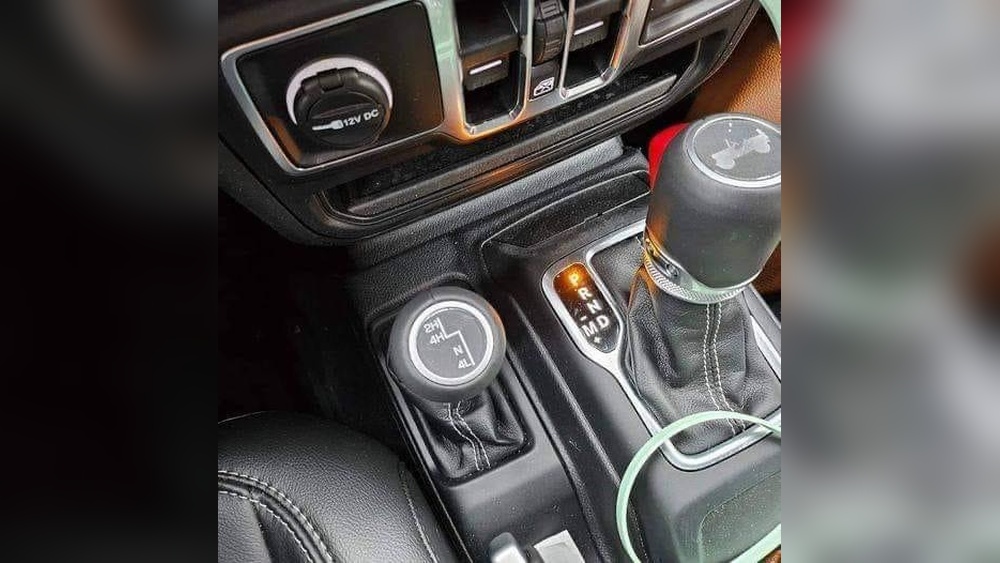
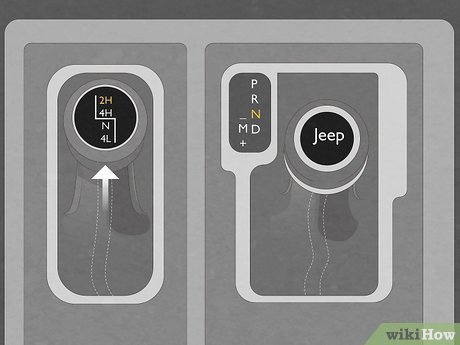
Before you turn on 4×4, it’s important to know your Wrangler’s system. Most Wranglers have a two-speed transfer case with these main settings:
- 2H (Two-Wheel High)
- 4H (Four-Wheel High)
- N (Neutral)
- 4L (Four-Wheel Low)
Some newer Wranglers have a full-time 4×4 system with an AUTO mode, but classic and popular models use the part-time system. Always check your owner’s manual for your specific Wrangler year and model.
1. 2h (two-wheel High)
2H is the default mode for normal driving on paved roads.
How it works:
- Power goes only to the rear wheels.
- Best for dry, smooth surfaces.
- Gives better fuel economy.
How to use:
- Start your Jeep and keep the transmission in Park (automatic) or Neutral (manual).
- Make sure the transfer case lever is in the 2H position.
- Drive as usual.
Insight: Many drivers forget that using 4×4 on dry pavement can cause drivetrain damage due to tire binding. Only use 2H for regular streets.
2. 4h (four-wheel High)
4H gives you extra traction for slippery conditions like rain, snow, mud, or loose gravel.
When to use:
- Roads with snow or ice
- Light off-road trails
- Wet grass or sand
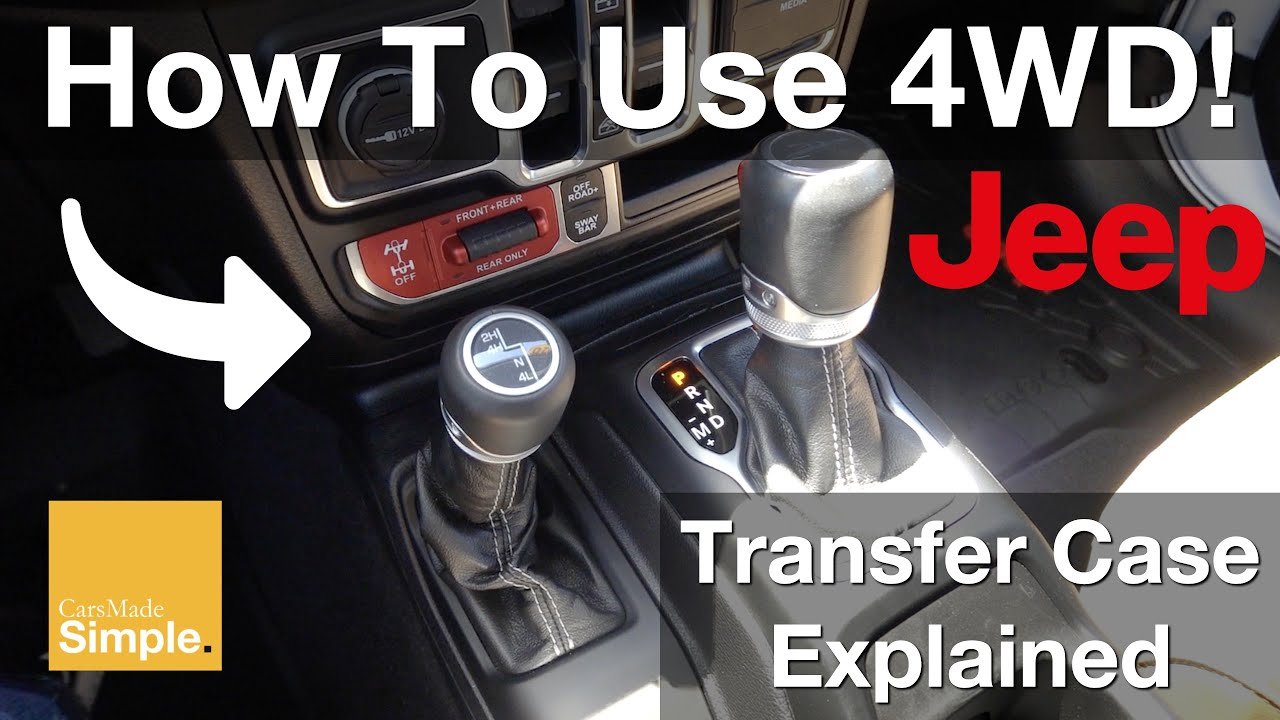
How to engage:
- Slow down to under 55 mph (safe practice: 0–35 mph).
- While moving or stopped, take your foot off the gas.
- Firmly pull the 4×4 lever from 2H to 4H.
- A light on your dashboard will often show 4H is active.
| Mode | Speed Range | Recommended Surface |
|---|---|---|
| 2H | 0-100 mph | Dry pavement |
| 4H | 0-55 mph | Slippery/loose surfaces |
| 4L | 0-25 mph | Off-road, steep climbs |
Tip: You can shift between 2H and 4H “on the fly” (while moving slowly), but avoid sharp turns on dry ground.
3. Neutral (n)
The Neutral position in the transfer case is not the same as your transmission’s neutral. It disconnects both axles from the transmission.
Uses:
- Towing your Jeep with all four wheels on the ground (flat towing)
- Never for normal driving
How to shift to Neutral:
- Bring your Jeep to a complete stop.
- Place the transmission in Neutral.
- Firmly pull the transfer case lever to the N position.
| Transfer Case Position | Effect |
|---|---|
| 2H | Rear-wheel drive |
| 4H | Four-wheel drive (high range) |
| Neutral | No drive to wheels |
| 4L | Four-wheel drive (low range) |
Beginner mistake: Never shift into Neutral while driving. Only use it for towing or certain recovery situations.
4. 4l (four-wheel Low)
4L is for slow, challenging off-road conditions. It gives maximum torque to the wheels but limits speed.
When to use 4L:
- Deep mud or sand
- Steep hills (up or down)
- Rocky trails
How to engage:
- Stop your Jeep completely.
- Shift the transmission into Neutral.
- Firmly pull the 4×4 lever from 4H straight down to 4L. You may feel or hear a “clunk”—this is normal.
- Put the transmission back into Drive (automatic) or 1st gear (manual) and proceed slowly.
Pro tip: Always go slow in 4L. Trying to drive fast can damage your drivetrain.
| Mode | Best For | Top Speed |
|---|---|---|
| 2H | Highway, city | 100 mph+ |
| 4H | Light off-road | 55 mph |
| 4L | Serious off-road | 25 mph |
Non-obvious insight: If shifting into 4L feels stiff, try rolling the Jeep forward slowly (1–2 mph) with light pressure on the lever.
Key Tips For Safe 4×4 Use
- Always switch back to 2H on dry pavement.
- If your 4×4 light blinks or doesn’t come on, double-check your shift method or consult your manual.
- Practice shifting modes in a safe, open area before you need them.
- Remember, 4×4 helps with traction, but it doesn’t help you stop faster on ice or snow.
Common Mistakes To Avoid
- Using 4H or 4L on dry, hard surfaces—this strains your drivetrain.
- Shifting into 4L while moving—always stop first.
- Driving too fast in 4L—this mode is for low speed only.
- Forgetting to shift back to 2H after off-road driving.
Frequently Asked Questions
How Do I Know If My Jeep Wrangler Is In 4×4 Mode?
A warning light on your dashboard will show “4H” or “4L” when those modes are engaged. You may also feel heavier steering or more road noise.
Can I Switch From 2h To 4h While Driving?
Yes, you can shift “on the fly” below 55 mph. Just take your foot off the gas and move the lever from 2H to 4H smoothly.
When Should I Use 4l?
Use 4L for very tough terrain: deep mud, sand, rocks, or steep hills. Always stop your Jeep before shifting into 4L.
Is It Bad To Drive In 4×4 All The Time?
Yes, driving in 4H or 4L on dry pavement can damage your drivetrain. Use 4×4 only when needed for traction.
Where Can I Find More Details On My Jeep’s 4×4 System?
Check your owner’s manual or visit the official Jeep website for model-specific guides.
Turning on 4×4 in your Jeep Wrangler is simple once you know the steps. Remember each mode’s purpose and practice shifting safely.
With these tips, you’ll be ready for any road or off-road challenge ahead.