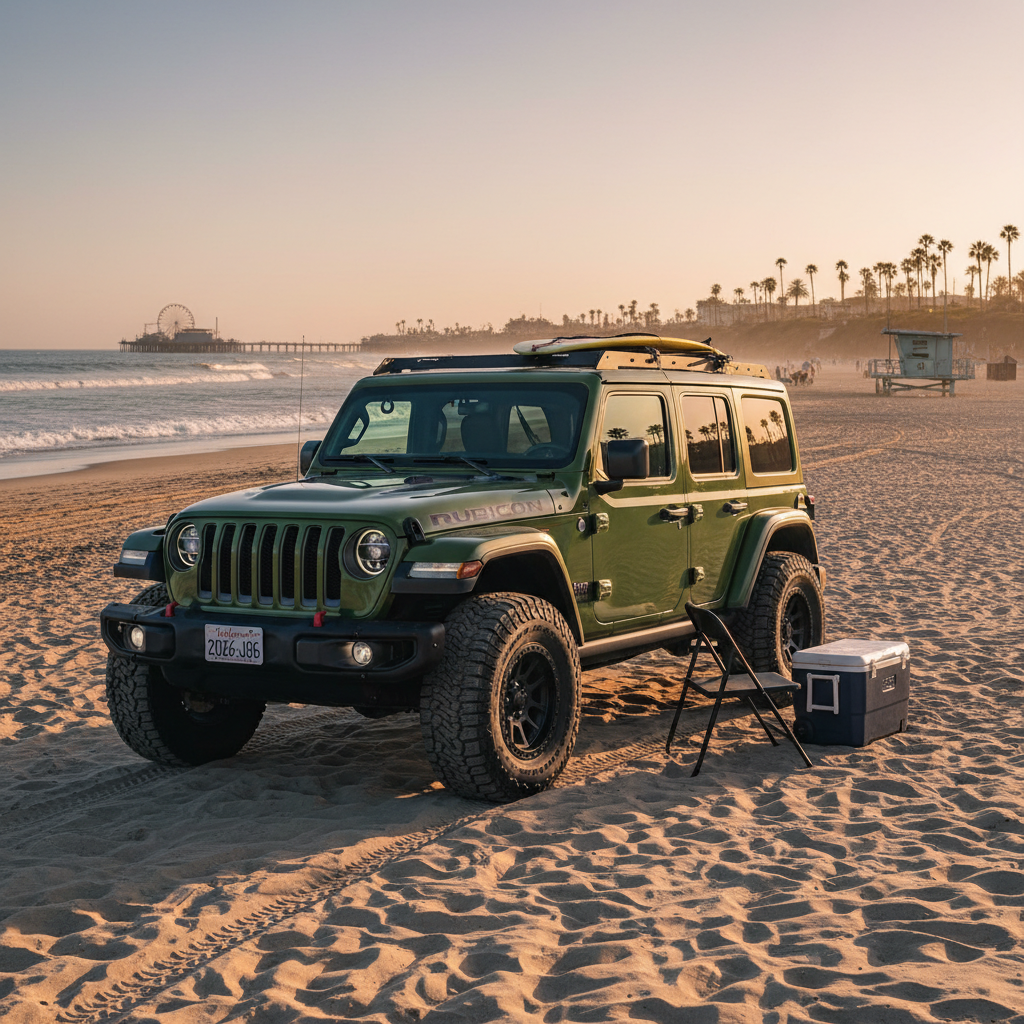
Driving a Jeep over sand is a thrilling adventure, but it can also challenge even experienced off-roaders. The soft, shifting surface creates unique obstacles for your vehicle.
Success comes from understanding both your Jeep’s capabilities and the science of sand.
With the right preparation, technique, and awareness, you can optimize your Jeep’s performance and enjoy a smoother, safer ride across dunes or beaches.
Understanding The Challenges Of Sand Driving
Sand is not like mud or rocks. Instead of gripping your tires, it gives way, making traction difficult. Wheel spin is common, and getting stuck is easy if you’re unprepared. Sand can also get into mechanical parts, causing wear over time. That’s why specific strategies are necessary for sand driving.
Jeep Preparation Before Hitting The Sand
Getting your Jeep ready is the foundation for a good sand driving experience. Here’s what you need to check:
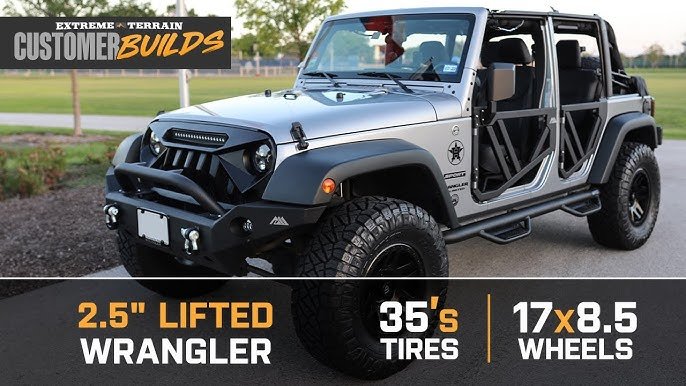
- Tires: Use all-terrain or sand-specific tires. Avoid aggressive mud tires, which can dig in and bury you.
- Tire Pressure: Lower your tire pressure to increase the footprint. For most Jeeps, 12–18 psi works well on sand.
- 4WD System: Engage 4WD high before entering the sand. Never use 2WD, as you’ll lose traction quickly.
- Recovery Gear: Carry a shovel, tow straps, and traction boards. A portable air compressor is also helpful for reinflating tires.
Common Oversights
Many drivers forget to bring a jack suitable for sand or fail to check their spare tire. Also, some ignore the importance of engine air filters—sand can clog them fast.
Key Driving Techniques For Sand
Your driving style has a huge impact on performance in sand. Here’s what works best:
- Momentum is your friend: Keep a steady pace. Too slow, and you’ll sink; too fast, and you risk losing control.
- Smooth steering and throttle: Sudden movements can dig your tires deeper. Make gentle corrections.
- Avoid braking hard: Instead, let off the gas to slow down. Hard braking creates ruts that are difficult to escape.
- Follow existing tracks: If possible, drive where others have already compacted the sand.
Climbing And Descending Dunes
When climbing, approach straight on and use a little extra speed. At the crest, ease off the throttle to avoid launching over.
For descending, go straight down and avoid sharp turns.
Essential Jeep Modifications For Sand
While many stock Jeeps handle sand well, certain upgrades can make a big difference:
| Modification | Benefit |
|---|---|
| Skid Plates | Protect undercarriage from hidden objects |
| Upgraded Suspension | Improves ride over uneven sand |
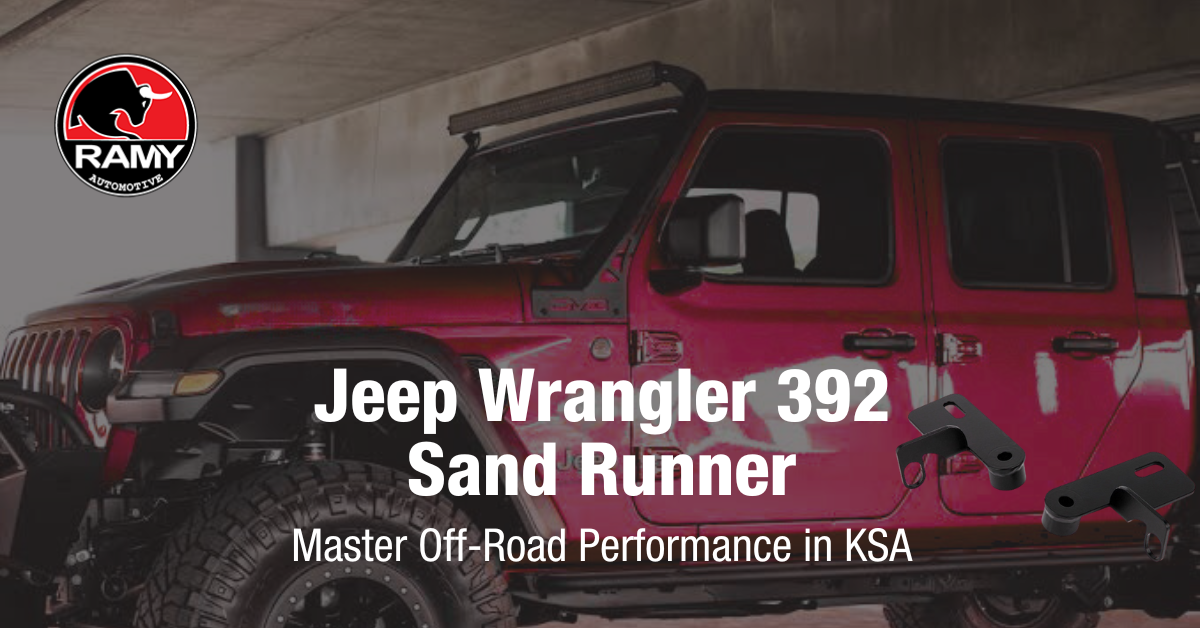
| Snorkel Intake | Keeps air filter clean in dusty conditions |
| Beadlock Wheels | Prevents tire bead from popping at low pressure |
Not every mod is necessary for casual sand driving. However, beadlock wheels and a snorkel intake can be game-changers for regular beach or desert trips.
Comparing Tire Pressure Settings
Choosing the right tire pressure is critical. Here’s how different pressures affect Jeep performance on sand:
| Tire Pressure (psi) | Footprint Size | Traction | Risk of Debeading |
|---|---|---|---|
| 30+ | Small | Poor | Low |
| 18-25 | Medium | Moderate | Low |
| 12-18 | Large | Excellent | Moderate |
| <12 | Very Large | High | High |
Lowering pressure increases traction, but going below 12 psi raises the risk of the tire separating from the wheel. Always re-inflate before returning to hard surfaces.
Tips For Avoiding Common Sand Driving Mistakes
Even skilled drivers make errors in sand. Here are some mistakes to avoid:
- Stopping on soft sand: Always stop on a firm patch or a slight downhill, not in deep sand.
- Oversteering: Small, gradual turns are safer. Sharp turns can bury your wheels.
- Ignoring weather and tides: On beaches, check tides before driving. Rising water can trap vehicles.
- Forgetting to clean up: Sand can hide in brakes and suspension. Rinse your Jeep thoroughly after your trip.
Real-world Example: Jeep Wrangler In The Sahara
The Jeep Wrangler is a favorite for desert expeditions. In the Sahara, drivers lower tire pressure to 15 psi, use a snorkel to keep dust out of the engine, and carry traction boards. This setup allows for hours of trouble-free driving across dunes, as seen in Sahara desert expeditions.
Cost Comparison: Stock Vs. Modified Jeep For Sand
Here’s a look at the cost and performance benefits of upgrading a Jeep for serious sand use:
| Setup | Estimated Cost | Performance in Sand |
|---|---|---|
| Stock Jeep | $0 (no upgrades) | Good for casual use |
| Upgraded Tires & Skid Plates | $800–$1,500 | Much better traction and protection |
| Full Sand Package (beadlocks, snorkel, suspension) | $2,500–$4,000 | Excellent for regular sand driving |
For most drivers, basic upgrades and proper technique are enough. Only frequent sand explorers need full modifications.
Final Tips For A Safe And Enjoyable Ride
Optimizing your Jeep for sand is about preparation and technique. Keep recovery gear close, lower your tire pressure, and drive smoothly.
Always travel with friends if possible another vehicle can help if you get stuck. Remember, sand conditions change with weather, so adapt your approach as needed.
By planning ahead and respecting the unique challenges of sand, you’ll protect your Jeep and make every off-road adventure more enjoyable.
Frequently Asked Questions
What Is The Ideal Tire Pressure For Sand Driving In A Jeep?
Most Jeeps perform best on sand at 12–18 psi. This provides a larger footprint for better traction while keeping the risk of debeading low.
Do I Need Special Tires For Sand Driving?
All-terrain tires work well for most sand conditions. Wide, less aggressive treads are best. Mud tires can dig in and make you stuck faster.
Can I Drive My Jeep In 2wd On Sand?
No, you should always use 4WD high. 2WD will usually get you stuck quickly, especially in soft sand.
How Do I Get Unstuck If My Jeep Bogs Down In Sand?
Stop spinning the wheels immediately. Use a shovel to dig out sand from around the tires and place traction boards under them. Lower tire pressure further if needed, but don’t go below 10 psi unless you have beadlock wheels.
What Maintenance Should I Do After Driving On Sand?
Rinse your Jeep thoroughly, paying attention to brakes and suspension. Check your air filter for sand and clean or replace it if needed. Reinflate tires before driving on pavement.