Opening the hood of your Jeep Liberty 2002 might seem simple, but many first-time owners get stuck. The hood release system on this model is unique compared to other vehicles, and missing a step can leave you frustrated.
Knowing how to do it correctly helps with regular checks, refilling fluids, and routine maintenance. With the right method, you’ll avoid damaging the release lever or hood latch, and save time.
Understanding The Hood Release Mechanism
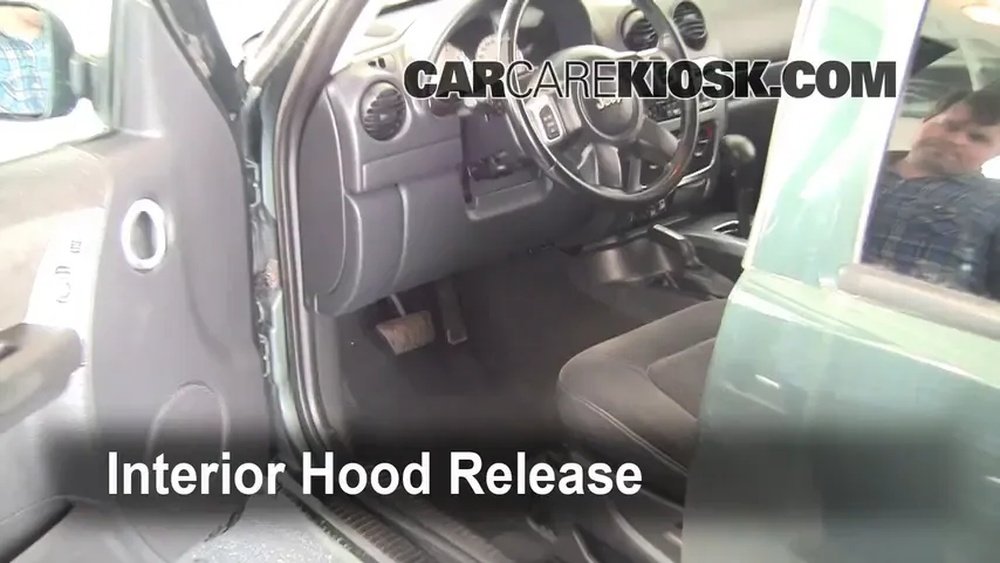
The Jeep Liberty 2002 uses a two-step hood release system. First, you unlock the hood from inside the vehicle. Then, you release a secondary safety latch under the hood from the outside. This process is designed for safety, so the hood doesn’t accidentally fly open while driving.
Here’s a quick comparison of the Jeep Liberty 2002 hood release versus other common SUVs:
| Vehicle Model | Hood Release Location | Secondary Latch Type |
|---|---|---|
| Jeep Liberty 2002 | Under dashboard (driver side) | Manual lever under hood |
| Honda CR-V 2002 | Left footwell (driver side) | Lever at hood center |
| Toyota RAV4 2002 | Left lower dash (driver side) | Latch near emblem |
Many drivers expect the lever to be in the center or glove box, but Jeep places it on the left under the dashboard. The secondary latch is also a pull-type instead of a push button.
Step-by-step Guide To Opening The Hood
Follow these steps to open your Jeep Liberty 2002 hood safely:
1. Park And Secure The Vehicle
Always park on a flat surface. Put the gear in ‘Park’ and set the parking brake. Turn off the engine for safety.
2. Locate The Interior Hood Release Lever
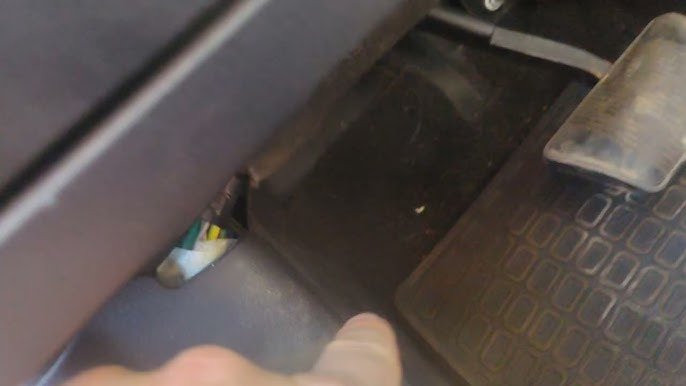
Sit in the driver’s seat. Look under the dashboard, just above the footrest on the left side. You’ll see a small black lever with a hood symbol.
3. Pull The Interior Lever Firmly
Pull the lever toward you until you hear a pop. This sound means the main latch has released.
If you don’t hear it, pull a bit harder but never force it if it feels stuck.
4. Move To The Front Of The Vehicle
Walk to the front and stand in the center above the Jeep badge. Gently try to lift the hood about an inch.
If it doesn’t move, the lever inside may not have released the latch.
5. Find And Release The Secondary Latch
Slide your hand under the center of the hood. Feel for a small metal lever (usually a little left of center). Push or pull this lever to the side—it should move easily and release the safety catch.
6. Lift The Hood And Secure It
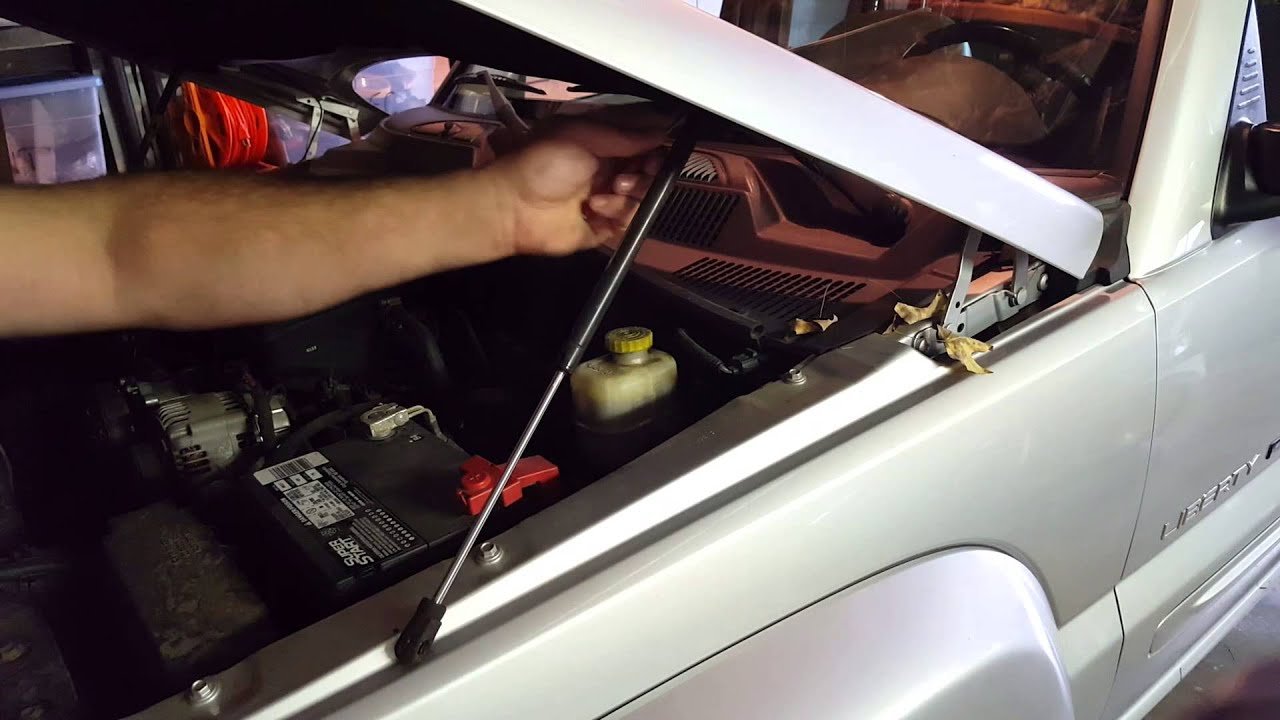
Raise the hood fully. Use the prop rod (attached to the engine bay) to hold the hood open.
Insert the end of the rod into the designated hole on the underside of the hood.
Here’s a quick overview:
| Step | Action | Tip |
|---|---|---|
| 1 | Park and secure vehicle | Use parking brake |
| 2 | Locate interior lever | Left under dashboard |
| 3 | Pull lever | Listen for pop |
| 4 | Move to front | Stand above badge |
| 5 | Release secondary latch | Left of center under hood |
| 6 | Lift and prop hood | Use prop rod |
Common Problems And Solutions
Hood Won’t Pop After Pulling Lever
This usually happens if the cable is stretched or the latch is dirty. Try pulling the lever while a helper gently presses down on the hood.
If this doesn’t work, the cable may need adjustment.
Secondary Latch Stuck
If the lever under the hood won’t move, spray some penetrating oil on the latch area. Wait a few minutes, then try again. Rust and dirt can make the latch stiff.
Prop Rod Missing or Broken
If the prop rod is lost, use a sturdy stick to hold the hood temporarily. Never rely on a weak object it can slip and cause injury.
Here’s a comparison of common issues and their quick fixes:
| Problem | Possible Cause | Solution |
|---|---|---|
| Hood won’t release | Stretched cable | Pull lever harder, press hood, adjust cable |
| Latch stuck | Rust/dirt buildup | Spray oil, clean latch |
| Prop rod missing | Lost or broken rod | Use stick, replace rod |
Safety Tips For Opening The Hood
- Always let the engine cool before opening the hood. Hot parts can burn you.
- Don’t force any levers. If something feels stuck, check for visible dirt or damage.
- Keep your fingers clear of moving parts like the fan and belts.
- Make sure the hood is secure before letting go.
Pro tip: If you plan to work under the hood, disconnect the battery to avoid accidental electrical shorts.
Preventive Maintenance For Easy Hood Release
Keeping the hood mechanism clean and lubricated will save you trouble. Every few months:
- Clean the latch with a rag to remove dirt and debris.
- Spray a small amount of white lithium grease or silicone spray on the latch and cable.
- Check the hood alignment—if it’s crooked, adjust the hinges or visit a mechanic.
Most people forget that weather and road salt can make the hood latch sticky. Regular care prevents rust and makes opening the hood smoother.
Frequently Asked Questions
How Do I Know If My Hood Release Cable Is Broken?
If you pull the lever inside and nothing happens (no noise, no movement at the hood), the cable may be snapped or disconnected. Inspect the cable under the dashboard. If it’s loose or hanging, it needs replacement.
What Should I Do If My Hood Is Stuck Shut?
Try having someone gently press down on the hood while you pull the interior lever. If it’s still stuck, spray lubricant at the front latch and try again after a few minutes. Persistent issues may require a mechanic.
Can I Open The Hood Without The Interior Lever?
It’s very hard. The lever pulls a cable that’s not accessible from outside.
Forcing the hood can damage the latch or hood itself. If the lever is broken, you may need to remove the grill or access the latch from underneath best handled by a professional.
How Often Should I Lubricate The Hood Latch?
Lubricate every 6-12 months, especially in winter or after driving on salty roads. This keeps the latch smooth and prevents rust.
Where Can I Find More Information About Jeep Liberty 2002 Maintenance?
For detailed guides, visit the official Jeep Owner Site. It offers manuals, maintenance tips, and support for your vehicle.
Opening the hood on your Jeep Liberty 2002 doesn’t have to be a struggle. With these clear steps, regular maintenance, and a bit of practice, you’ll handle it confidently and keep your vehicle running smoothly.