If you own a Jeep TJ and want to know how much lift it has, you’re not alone. Jeep owners often upgrade their suspension, but many forget the exact lift height over time. Knowing the lift amount helps you choose the right tires, align your suspension, and maintain safety. Measuring lift is not complicated, but a few details matter if you want accurate results. This guide will show you how to measure lift on a Jeep TJ, why it matters, and how to avoid common mistakes.
Why Lift Measurement Matters
Adding a lift kit changes your Jeep’s performance and appearance. But the right lift height is important for:
- Tire fitment: Bigger tires need more clearance.
- Off-road capability: Higher lift improves ground clearance.
- Handling and stability: Too much lift can affect steering and safety.
Many Jeep TJ owners buy used vehicles or upgrade parts later. If you don’t know your lift height, you might buy the wrong tires or damage the suspension. Always measure before making changes.
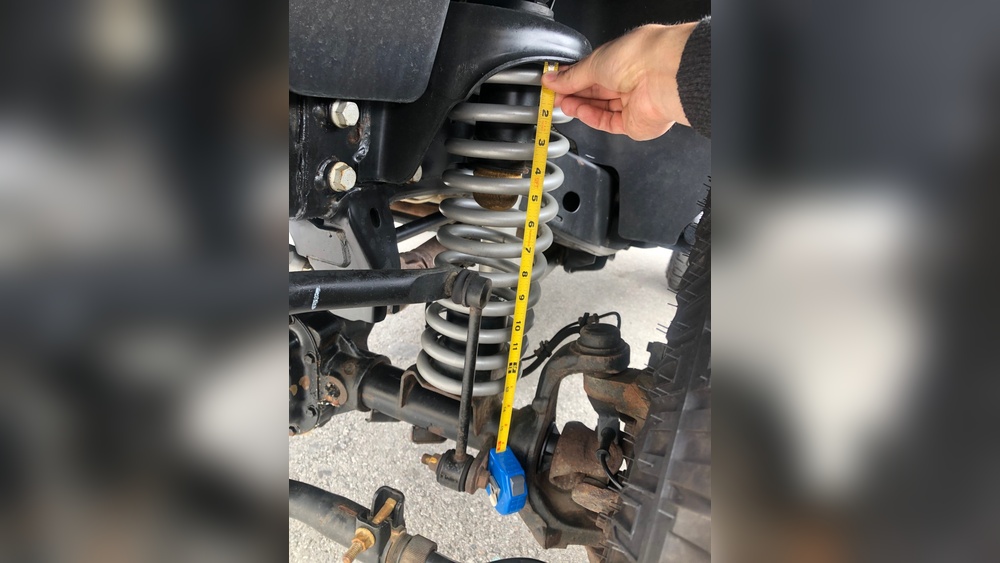
Tools You Need
To measure your Jeep TJ’s lift, you need only a few simple tools:
- Tape measure (at least 36 inches)
- Flat surface (like a garage floor)
- Notebook or phone for notes
Optional tools:
- Stock height reference (factory specs or another stock Jeep TJ)
- Helper (for more precise measurements)
Understanding Factory Ride Height
Before you measure lift, you must know the original ride height. The factory ride height is the distance from the ground to certain points on the Jeep when it’s stock. For the Jeep TJ, common reference points are:
- Bottom of the front coil spring perch
- Bottom of the rear coil spring perch
- Center of wheel to bottom of fender
Here’s a quick reference for stock Jeep TJ ride heights:
| Location | Stock Height (inches) |
|---|---|
| Front (bottom coil perch to ground) | 17.5 |
| Rear (bottom coil perch to ground) | 18.0 |
| Fender (center wheel to fender) | 17.0 |
Different models may have small variations, but these numbers are good for most Jeep TJ models from 1997–2006.
Step-by-step: How To Measure Lift On Jeep Tj
Follow these steps to measure your Jeep’s lift accurately:
- Park on a level surface. Make sure your Jeep is empty and tires are at the correct pressure.
- Measure from ground to reference point. Use a tape measure to check the distance from the ground to the bottom of the coil spring perch (front and rear).
- Record your measurements. Write down the front and rear measurements.
- Compare to stock height. Subtract the stock height (see table above) from your measured height.
Example:
- If your front measures 19.5 inches and stock is 17.5, your lift is 2 inches.
- If your rear measures 20.0 inches and stock is 18.0, your lift is also 2 inches.
Tip: For more precise results, measure both sides (left and right). Sometimes, one side may be slightly higher due to weight or uneven springs.
Alternative Methods
Some owners prefer measuring from wheel center to fender. This method is popular because fenders are easy to find, but it can be less accurate due to body changes or damage.
| Method | Pros | Cons |
|---|---|---|
| Coil perch to ground | More accurate | Requires crawling under Jeep |
| Wheel center to fender | Quick and easy | Less reliable if fenders are changed |
What Can Affect Your Lift Measurement
Several factors can change your results:
- Tire size: Larger tires will raise your Jeep, making lift seem bigger.
- Aftermarket bumpers: Heavy parts can lower ride height.
- Spring sag: Old springs lose height over time.
- Uneven weight: Tools or gear inside may affect measurements.
Always check with the original tires and empty Jeep for best accuracy.
Practical Tips And Insights
- Check spring part numbers. Sometimes, you can find the lift amount stamped on the springs. This is helpful if you bought your Jeep used.
- Measure after modifications. Always recheck lift height if you change springs, shocks, or bumpers.
- Use a reference Jeep. If you have access to another stock TJ, compare measurements side by side. This is more reliable than factory specs.
- Document your lift. Write down the measurements and dates. It helps with future upgrades or troubleshooting.
Many Jeep owners forget that spring sag can reduce lift over time. Even a two-year-old lift kit may give less height than when new. Measuring regularly is the best way to stay accurate.
Common Mistakes To Avoid
- Measuring with loaded Jeep: Remove gear and passengers before measuring.
- Using wrong reference points: Always use the same points for front and rear.
- Ignoring tire size: Check with stock-sized tires for true lift height.
- Skipping both sides: Measure left and right for best results.

Example: Real-world Lift Measurement
Let’s say you installed a 2.5-inch lift kit three years ago. Your Jeep now has larger tires and a steel bumper. You measure and find:
- Front: 19.0 inches (coil perch to ground)
- Rear: 19.5 inches
Subtracting stock:
- Front lift: 19.0 – 17.5 = 1.5 inches
- Rear lift: 19.5 – 18.0 = 1.5 inches
You expected 2. 5 inches, but your springs have sagged, and the bumper adds weight. This is common—always check after modifications.
For more technical Jeep TJ specs, you can visit Wikipedia.
Frequently Asked Questions
How Often Should I Measure Lift On My Jeep Tj?
Measure every time you change suspension, tires, or add heavy parts. Also, check once a year to monitor spring sag.
Can I Measure Lift With Bigger Tires Installed?
Yes, but measurements will include tire height. For true suspension lift, use stock-sized tires or subtract the tire difference.
Will Measuring From Wheel Center To Fender Work?
It’s fine for quick checks, but less accurate if fenders are changed or damaged. For precision, use coil perch to ground.
Do Aftermarket Bumpers Affect Lift Measurement?
Yes. Heavy bumpers, winches, or gear can lower your Jeep’s ride height. Measure with normal load for best results.
Can I Find My Lift Amount By Spring Color Or Part Number?
Some springs have color codes or numbers that show lift. Check the manufacturer’s website or ask a Jeep forum for details.
Measuring lift on your Jeep TJ is simple, but accuracy matters. Use the right reference points, compare to stock heights, and check after every change. Stay precise, and your Jeep will be ready for any upgrade or adventure.