Taking the front top off a Jeep Wrangler is a favorite activity for many owners. It lets you enjoy fresh air, sunlight, and a true open-air driving experience.
If you’re new to owning a Wrangler or just haven’t tried removing the top yet, this guide will show you exactly how to do it safely and easily.
We’ll cover the step-by-step process, useful tips, common mistakes, and answers to questions you might have. Whether your Jeep is a classic model or a newer one, you’ll find everything you need here.
Understanding The Jeep Wrangler Front Top
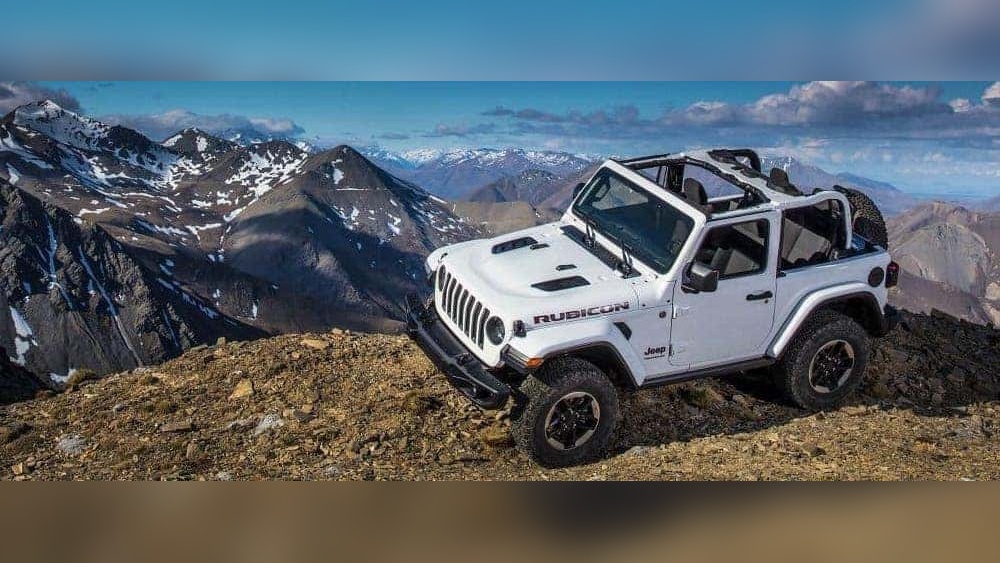
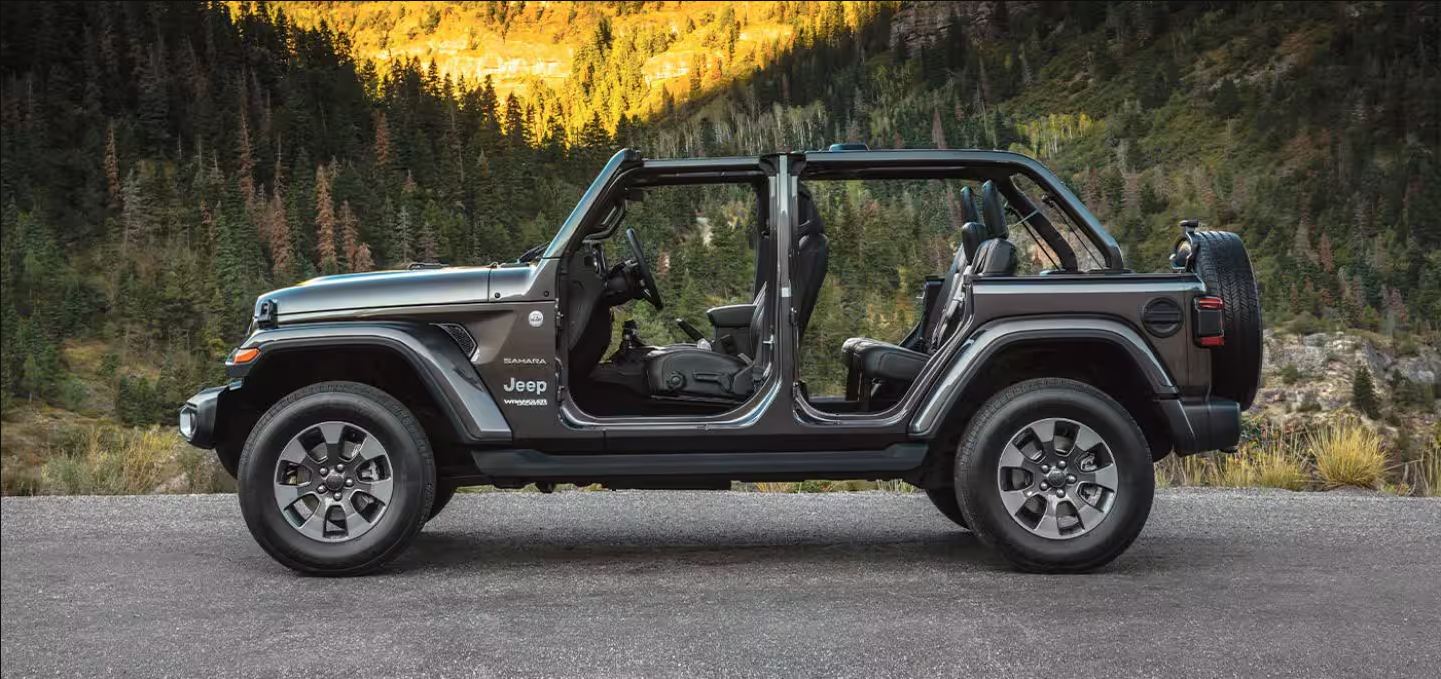
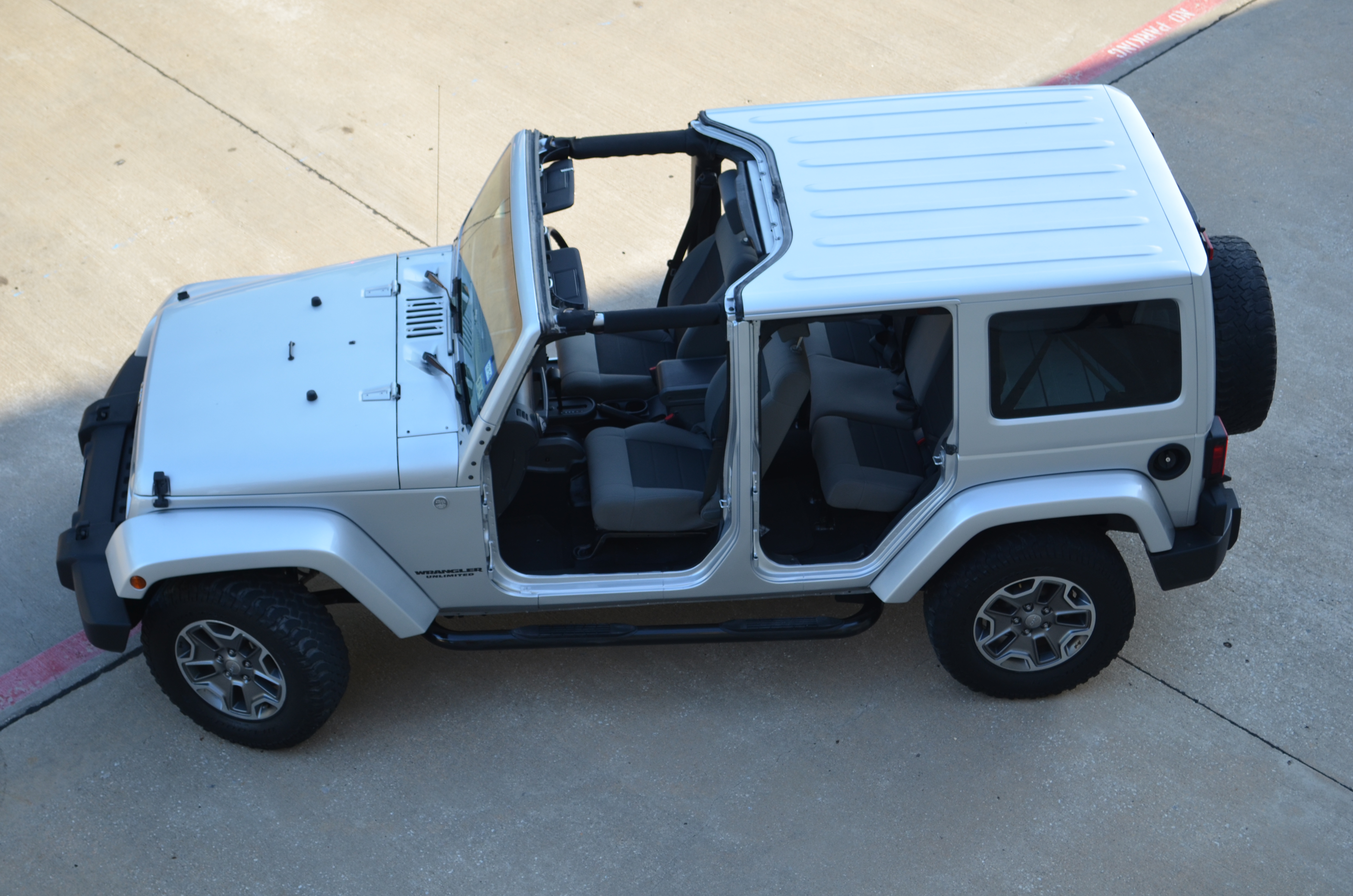
The Jeep Wrangler uses a modular roof system. Most modern Wranglers (like the JL and JK series) come with a Freedom Top, which is a hardtop split into three panels. The two front panels, called the front top or front freedom panels, are designed for quick removal. These panels cover the driver and passenger seats.
Removing the front top is much easier than taking off the whole roof. You don’t need any special tools, and the panels are relatively light. According to Jeep, the average time to remove the front panels is about 3–5 minutes, even for beginners.
| Jeep Model | Front Top Type | Removal Time | Panel Weight (approx.) |
|---|---|---|---|
| Wrangler JK | Freedom Top | 3 min | 11 lbs each |
| Wrangler JL | Freedom Top | 4 min | 12 lbs each |
| Wrangler YJ/TJ | Full Hardtop | 15 min (full top) | 70 lbs (whole) |
Step-by-step Guide: Removing The Front Top
Here’s how to take the front top off your Jeep Wrangler. These steps work for most 2007 and newer models with the Freedom Top.
1. Park Safely
Make sure your Jeep is parked on a level surface. Engage the parking brake. This prevents movement while you work.
2. Prepare The Area
Remove any items from the front seats and dashboard. You want a clear workspace. Open both front doors fully.
3. Release Sun Visors
Fold down both sun visors. They cover the front latches.
4. Unlock The Latches
There are usually four latches holding each panel.
- Two near the windshield (above driver and passenger)
- Two in the center (connecting panels together)
Flip the latches open. Each latch should move easily. If stuck, check for debris.
5. Unscrew Center Fasteners
Some models have center fasteners (usually knobs, not screws). Turn them counterclockwise until loose.
On older models, you may need a Torx bit to remove a bolt.
6. Lift Off The Panel
Gently push up on the panel near the windshield. Lift it off carefully.
Most panels weigh about 11 12 lbs. If you feel resistance, check that all latches are fully released.
7. Store The Panels
Place the panels in a safe spot. Many Wranglers have storage bags for this purpose.
Avoid placing panels on rough surfaces they can scratch.
8. Check For Leaks
After removal, check the weather seals. Make sure nothing is damaged.
If you see cracks, replace the seals before reinstalling the panels.
| Step | Estimated Time | Tools Needed |
|---|---|---|
| Release Sun Visors & Latches | 1 min | None |
| Unscrew Center Fasteners | 1 min | Hand/Torx (older) |
| Lift & Store Panels | 1-2 min | None |
Tips For Easy And Safe Removal
- Work with a Partner
If possible, ask someone to help. It’s safer and prevents damage.
- Use Proper Storage
Always use a storage bag or soft surface. Scratches and chips can lead to leaks.
- Check Weather Seals
Inspect seals for dirt or wear. Dirty seals can cause water leaks when you reinstall.
- Avoid Force
If a panel won’t lift, double-check all latches and fasteners.
- Practice
The first time may take longer. After a few tries, you’ll be much faster.
Non-obvious Insights
Many beginners miss these points:
- Temperature Matters
Removing panels in cold weather can make the seals stiff and harder to lift. Warm temperatures make removal smoother.
- Panel Orientation
When storing, keep the panels upright. This prevents warping and keeps seals tight.
Common Mistakes To Avoid
- Forgetting Latches
Not unlocking all latches can break the panel or damage the roof.
- Storing Panels Improperly
Panels left on the ground or in the trunk can get scratched. Always use the bag.
- Ignoring Weather Seals
Damaged seals cause leaks. Always check before and after removal.
- Using Force
Forcing a stuck panel often results in cracks. Always check for missed fasteners.
- Rushing the Process
Take your time rushing leads to mistakes and possible injury.
| Mistake | Consequence | Prevention |
|---|---|---|
| Not unlocking all latches | Panel damage | Double-check before lifting |
| Improper storage | Scratches/leaks | Use storage bag |
| Ignoring seals | Water leaks | Inspect regularly |
Reinstalling The Front Top
When you want to put the panels back:
1. Align Panels Carefully
Set the panels in place, matching the alignment pins.
2. Secure Center Fasteners
Tighten the knobs or bolts.
3. Close All Latches
Lock each latch firmly.
4. Test For Fit
Close doors and check for gaps or movement.
5. Check Weather Seals
Make sure no seal is pinched or twisted.
Extra Resources
If you want to see a visual demonstration, the official Jeep website offers video guides. You can also find more details about different top types at Jeep Official Site.

Frequently Asked Questions
How Long Does It Take To Remove The Front Top?
Usually 3–5 minutes. The first time may take longer, but with practice, you’ll be quicker.
Can I Drive With Just The Front Top Removed?
Yes, many owners drive with only the front panels off. Make sure the rest of the roof is secure and weather seals are intact.
Do I Need Tools To Remove The Front Top?
For most newer Wranglers, no tools are needed. Some older models may require a Torx bit.
Will Removing The Top Cause Leaks?
If panels and weather seals are in good condition, you won’t have leaks. Always inspect the seals for damage or dirt.
Is It Safe To Store Panels In The Trunk?
It’s not recommended unless you use a proper storage bag. Panels are easily scratched or warped if stored incorrectly.
Taking the front top off your Jeep Wrangler is simple once you know the steps. With careful handling, proper storage, and attention to weather seals, you’ll enjoy a safe and open ride.
Remember, practice makes perfect and soon, you’ll be removing and reinstalling your panels like a pro.