Jeep owners love the feeling of control on and off the road. But when the steering feels loose, that confidence fades. You might notice wandering on highways, a lack of response when you turn the wheel, or even vibrations. These issues are common, especially in older Jeeps or models modified for off-roading. The good news? You can make your Jeep’s steering tighter and safer with the right steps. This guide explains practical ways to improve steering feel, offers data-driven insights, and helps you avoid common mistakes.
Understanding Why Jeep Steering Feels Loose
A Jeep’s steering system is more complex than many cars. Solid front axles, large tires, and lifts can all affect steering tightness. Common causes of loose steering include:
- Worn tie rod ends
- Aging steering box
- Improper alignment
- Damaged track bar
- Old ball joints
- Oversized tires without upgrades
Loose steering isn’t just annoying it’s unsafe, especially at highway speeds. Studies from the National Highway Traffic Safety Administration show that steering problems are a leading cause of Jeep recalls and accident reports.
Quick Diagnostic Steps
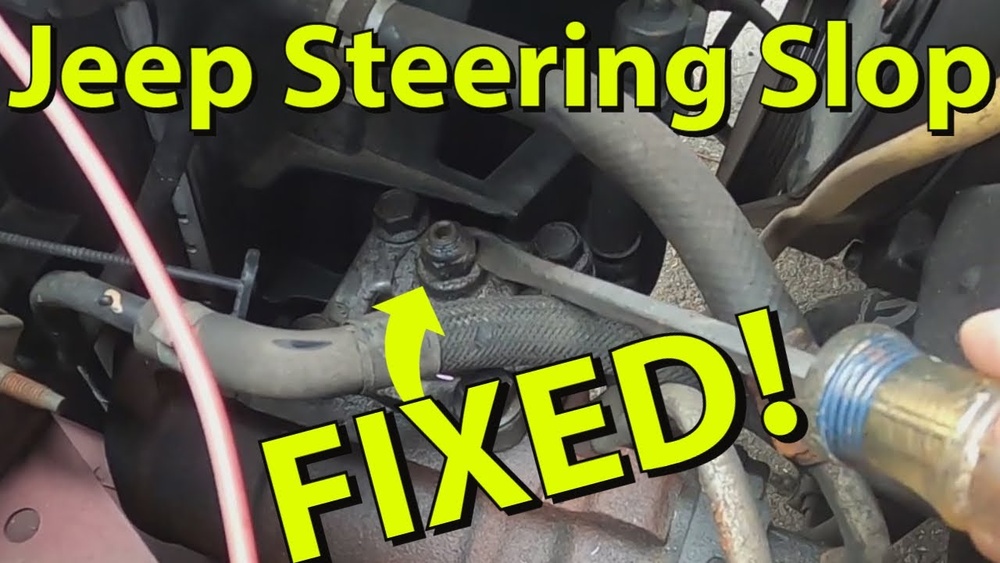
Before making changes, pinpoint the cause of loose steering. Here’s how:
- Visual Inspection: Check for cracked boots, leaking grease, or bent bars under your Jeep.
- Steering Wheel Play: With the engine off, gently wiggle the steering wheel. More than 1–2 inches of play means something’s wrong.
- Jack Test: Safely lift the front and try to move the wheel side to side. Excess movement signals worn joints.
- Road Test: Note if the Jeep wanders, vibrates, or clunks.
If any of these tests reveal problems, it’s time to act.
Steps To Make Jeep Steering Tighter
1. Adjust Or Replace The Steering Box
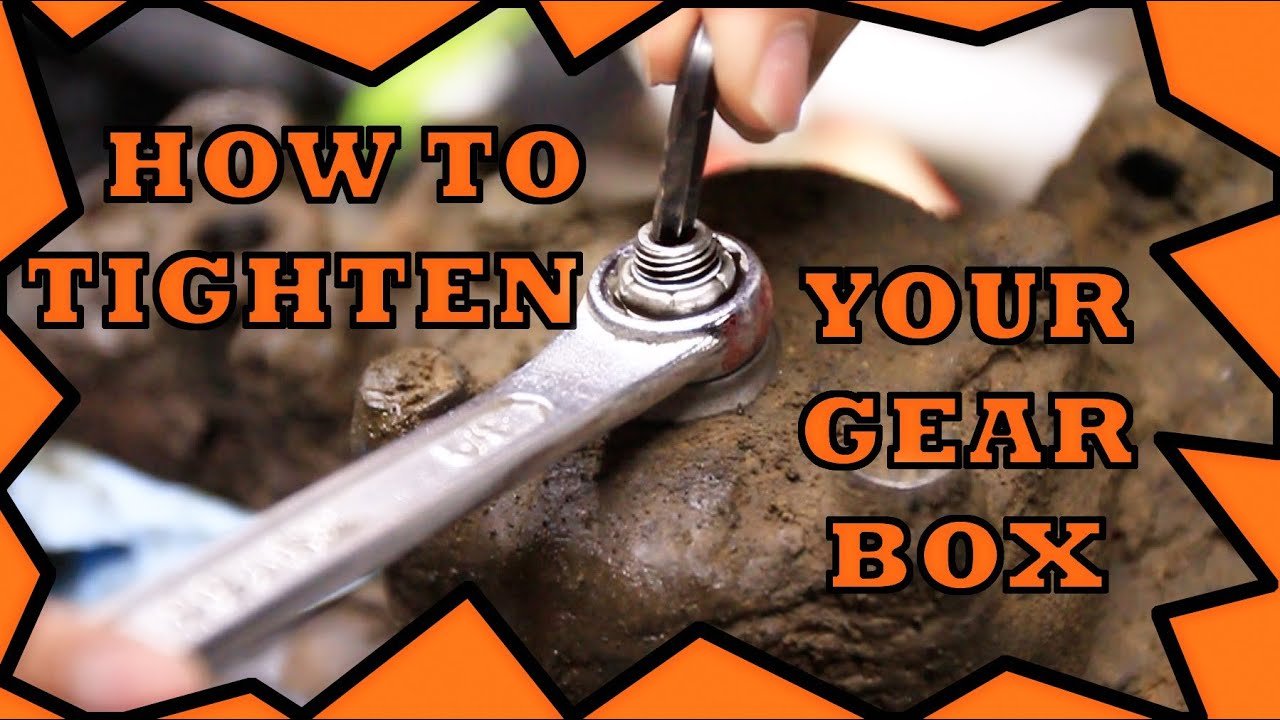
The steering box is the heart of your Jeep’s steering. Over time, internal gears wear down, causing slop.
- Adjustment: Some steering boxes have an adjustment screw. Carefully turn it clockwise (about 1/8 turn at a time) to reduce play. Don’t overtighten—this can damage the box.
- Replacement: If adjusting doesn’t help, consider a new or rebuilt steering box. Aftermarket boxes are available for heavy-duty use.
2. Inspect And Replace Tie Rod Ends
Tie rod ends connect the steering to your wheels. Worn tie rods cause loose, unpredictable steering.
- Check for looseness or torn boots.
- Replace any worn tie rods with quality parts. Upgraded heavy-duty rods are best for off-roading.
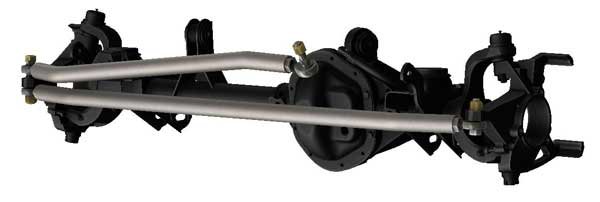
3. Upgrade The Track Bar
The track bar centers your axle under the Jeep. A loose or bent track bar causes wandering and bump steer.
- Check both ends for play.
- Upgrade to an adjustable, heavy-duty track bar if you have a lift kit or oversized tires.
4. Check And Replace Ball Joints
Ball joints allow the wheels to pivot smoothly. Worn ball joints create play and vibration.
- Inspect for up-and-down movement in the wheel hub.
- Replace both upper and lower ball joints if needed.
5. Wheel Alignment
Proper wheel alignment keeps your Jeep tracking straight. Off-roading or hitting curbs can knock alignment out.
- Get a professional 4-wheel alignment.
- Check alignment after every major suspension change.
6. Steering Stabilizer
A steering stabilizer (or damper) absorbs shocks from the road. While it doesn’t fix worn parts, it helps with handling, especially with big tires.
- If your Jeep feels twitchy or shakes after hitting bumps, consider a high-quality stabilizer.
7. Bushing Upgrades
Rubber bushings wear out over time, increasing play in the steering system.
- Check bushings in the control arms and track bar.
- Upgrade to polyurethane bushings for longer life and firmer steering.
8. Tire Size And Pressure
Oversized tires look great but can worsen loose steering if other parts aren’t upgraded.
- Stick to the recommended tire size for your Jeep, or be ready to upgrade the steering and suspension.
- Keep tire pressures even and at factory specs for the best steering feel.
Jeep Steering Components: Wear Vs. Replacement
Compare how often common steering components need attention:
| Component | Typical Lifespan (miles) | Replacement Cost (USD) |
|---|---|---|
| Tie Rod Ends | 50,000–100,000 | $100–$250 (pair) |
| Ball Joints | 70,000–150,000 | $200–$400 (set) |
| Steering Box | 100,000–200,000 | $300–$600 |
| Track Bar | 80,000–150,000 | $120–$300 |
Common Mistakes When Tightening Jeep Steering
Many Jeep owners waste time and money by overlooking these points:
- Ignoring worn bushings: Even with new rods and joints, old bushings cause slop.
- Overtightening the steering box: This can lock up the steering or ruin the gearbox.
- Skipping alignment: After changing parts, always get a professional alignment.
- Using cheap replacement parts: Low-quality parts wear out quickly and reduce steering precision.
When To Seek Professional Help
If you’ve checked the basic parts but still have loose steering, it’s smart to see a specialist. Some issues, like frame cracks or improper suspension geometry, need expert repair.
Also, if you feel unsafe driving your Jeep, don’t wait professional help can prevent accidents.
Before And After: Steering Tightness Comparison
Here’s what you can expect after repairs:
| Steering Issue | Before Repair | After Repair |
|---|---|---|
| Steering Wheel Play | 2–4 inches | <1 inch |
| Vehicle Wandering | Frequent | Rare/None |
| Vibration | Noticeable | Minimal/None |
Preventive Tips For Long-lasting Tight Steering
- Regularly inspect all steering and suspension parts every oil change.
- Rotate tires and check pressure monthly.
- Avoid harsh off-roading unless you’ve upgraded steering components.
- Replace bushings and joints as soon as play is detected.
- Use quality parts—they last longer and improve safety.
Frequently Asked Questions
How Do I Know If My Jeep’s Steering Is Too Loose?
If you notice more than 1 2 inches of movement at the steering wheel before the tires respond, or the Jeep wanders on straight roads, your steering is too loose.
Does Lifting My Jeep Make The Steering Looser?
Yes, lifts change the steering and suspension angles. Without upgraded track bars, tie rods, and proper alignment, steering can become looser after a lift.
Can A Steering Stabilizer Fix Loose Steering?
A stabilizer can reduce vibration and help control, but it will not fix worn or damaged steering parts. It’s best used as a supplement, not a solution.
What’s The Most Common Cause Of Loose Jeep Steering?
Worn tie rod ends and ball joints are the most common causes, especially in older or off-roaded Jeeps.
Where Can I Learn More About Jeep Steering Systems?
You can find detailed diagrams and model-specific advice on the Jeep Wikipedia page.
A tighter steering system makes your Jeep safer and more enjoyable to drive. By following these steps, using quality parts, and staying proactive, you’ll enjoy confident control on every adventure.