Many people dream of driving a Jeep Wrangler. Its classic look, strong build, and off-road abilities make it popular worldwide. But when you dig deeper, one big question always comes up: How reliable are Jeep Wranglers? This is important for anyone thinking about buying one, whether for city driving or outdoor adventures. Let’s look at what makes the Wrangler stand out, where it sometimes struggles, and what real owners and data say about its reliability.
What Makes Jeep Wranglers Unique
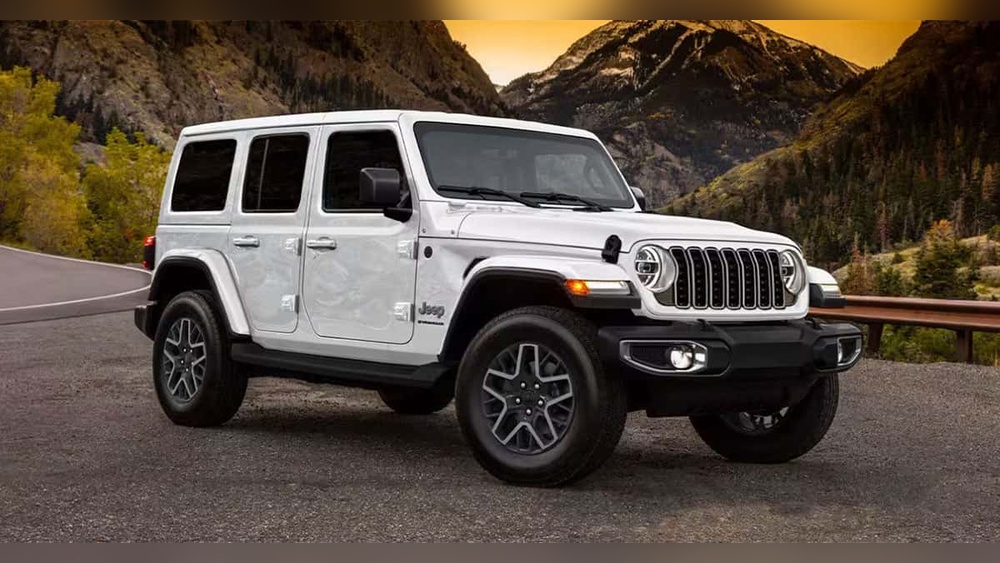
The Jeep Wrangler is famous for its rugged design and off-road performance. Most Wranglers come with four-wheel drive, solid axles, and simple mechanics. This makes them great for tough terrain. Many owners love the removable doors and roof. Unlike most SUVs, Wranglers are built for adventure first, comfort second.
But this focus on off-road skills affects reliability in everyday use. The Wrangler’s parts are strong but can wear faster if used on rough trails. Also, older models had fewer tech features, which meant fewer things could break. Newer versions offer more tech, but this sometimes leads to more possible issues.
Reliability Ratings And Owner Experiences
When looking at reliability ratings, the Jeep Wrangler is a mixed bag. Some years score well, while others struggle. Here’s a comparison of reliability scores from two respected sources:
| Model Year | Consumer Reports Score (out of 5) | J.D. Power Reliability (out of 100) |
|---|---|---|
| 2012 | 2 | 77 |
| 2016 | 3 | 80 |
| 2018 | 2 | 76 |
| 2021 | 2 | 83 |
As you can see, Wranglers often score below average compared to other SUVs. Many issues are reported with electronics, steering, and suspension. However, owners who use their Wranglers mainly for off-roading often rate reliability higher because they value ruggedness over small problems.

Common Problems And Areas To Watch
No car is perfect, and the Wrangler is no exception. Here are some common issues reported by owners and mechanics:
- Electrical problems – Infotainment systems and dashboard lights sometimes fail, especially in newer models.
- Suspension and steering – Some drivers report “death wobble,” a strong shake in the steering wheel at high speeds.
- Leaks – Older Wranglers can have water leaks around the doors and roof, especially after removing and reinstalling them.
- Rust – Frames and underbodies may rust, especially in places with snow and road salt.
- Transmission issues – Automatic transmissions in some years can shift roughly or fail early.
It’s important to note that not every Wrangler will have these problems. Regular maintenance and careful driving can prevent many issues. Still, buyers should be aware of these risks, especially if buying a used Wrangler.
Cost Of Ownership
The cost to own a Wrangler can be higher than average, depending on how you use it. Here’s a quick look at maintenance and repair data:
| Vehicle | Average Annual Maintenance Cost | Average Repair Frequency (per year) |
|---|---|---|
| Jeep Wrangler | $694 | 0.5 |
| Toyota 4Runner | $514 | 0.3 |
| Honda CR-V | $407 | 0.3 |
Wranglers cost more to maintain than many other SUVs. Part of this is due to their off-road use, which wears out parts faster. Repairs can also be more expensive because of unique components. However, some parts (like the engine and frame) are built to last, especially if you keep up with maintenance.

Real-world Reliability: What Owners Say
Many Wrangler owners love their vehicles, despite the problems. They often say the Wrangler is a lifestyle choice, not just a car. Here are some real-world insights:
- Off-road fans: Most are happy with reliability, as the Wrangler rarely leaves them stranded.
- City drivers: Some get frustrated with noise, leaks, or rough rides, especially in daily use.
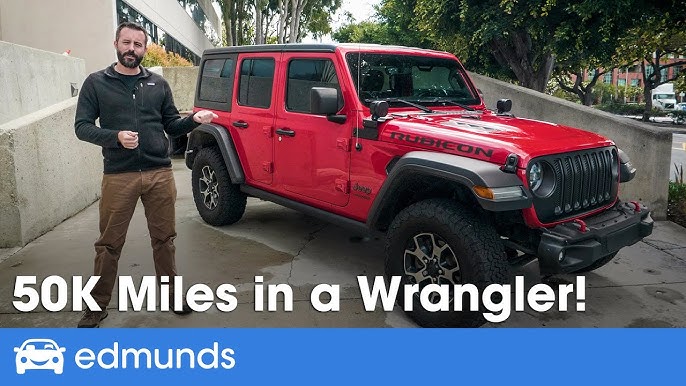
- Long-term owners: Many say Wranglers last a long time, often over 200,000 miles, with regular care.
One thing beginners miss is that modifications can hurt reliability. Adding bigger tires or lift kits can put extra stress on the suspension and steering, causing parts to wear out faster. Also, using the wrong type of oil or skipping regular maintenance makes problems more likely.
Tips To Improve Wrangler Reliability
If you’re set on buying a Wrangler, there are ways to boost its reliability:
- Do regular maintenance (oil changes, tire rotations, brake checks)
- Check for rust and leaks after off-roading or winter driving
- Avoid extreme modifications unless you plan to upgrade other parts too
- Buy newer models if you want better electronics and safety features
- Look for service records if buying used
Always test drive before buying and listen for unusual noises or vibrations.
Is A Jeep Wrangler Right For You?
A Jeep Wrangler is not for everyone. If you want a quiet, smooth, and low-maintenance SUV, it may not be the best choice. But if you value rugged style, off-road ability, and are willing to handle extra care, the Wrangler can be a great fit.
For more detailed reliability data, check out this Consumer Reports Wrangler Reliability page.
Frequently Asked Questions
How Long Do Jeep Wranglers Usually Last?
With good care, many Wranglers last over 200,000 miles. Some drivers report even more, especially if they avoid heavy modifications and keep up with maintenance.
Are Newer Jeep Wranglers More Reliable Than Older Ones?
Recent models have improved in some ways, especially with better electronics and safety. However, more tech can also mean more things to fix. Some older Wranglers are simpler and easier to repair.
Is The Jeep Wrangler Expensive To Maintain?
Yes, the Wrangler’s annual maintenance cost is higher than most SUVs. Off-road driving can make costs even higher due to faster wear on parts.
What Is The “death Wobble” In Jeep Wranglers?
The “death wobble” is a strong shake in the steering wheel, usually at highway speeds. It is caused by worn suspension or steering parts. Regular checks and quick repairs can help prevent it.
Should I Buy A Jeep Wrangler For Daily Driving?
The Wrangler can be a daily driver, but expect a rougher ride, more noise, and higher running costs compared to other SUVs. If comfort and low costs matter most, look at other options. If you love off-roading and the Jeep look, it could be a good fit.