Lifting a Jeep Patriot is a project many owners consider to improve their vehicle’s appearance, off-road ability, or tire clearance. While the Patriot isn’t known as a hardcore off-roader, a lift can make it look tougher and handle mild trails better. If you’re thinking about lifting your Patriot, this guide will help you understand what’s involved, how to do it safely, and which options suit your needs.
Why Lift A Jeep Patriot?
A lift kit does more than just raise your vehicle. It lets you fit larger tires, gives extra ground clearance for rough roads, and can make your SUV stand out. Some drivers want a more aggressive look; others need extra height for snow, mud, or gravel.
But lifting a car is not just about style. It affects handling, ride quality, and even fuel economy. Research shows that a moderate lift (around 2 inches) can reduce fuel efficiency by 2–4%, mainly due to bigger tires and increased wind resistance. If you go higher, the effect is stronger.
Types Of Lift Kits For Jeep Patriot
You’ll find two main types of lift kits:
- Spacer Lift Kits: These use spacers above the strut or coil springs. They are usually 1–2 inches and are the most common for the Jeep Patriot.
- Suspension Lift Kits: These replace parts of the suspension for a bigger lift (2 inches or more). They are more expensive and complex.
Here’s a quick comparison:
| Lift Kit Type | Average Lift Height | Cost Range | Installation Difficulty |
|---|---|---|---|
| Spacer Kit | 1–2 inches | $150–$300 | Beginner–Intermediate |
| Suspension Kit | 2–3+ inches | $500–$1200 | Advanced |
Most Patriot owners choose spacer kits for simplicity and price. Suspension kits are rarely used unless you plan serious off-roading.
Steps To Lift A Jeep Patriot
Before starting, gather these tools:
- Socket set
- Jack and jack stands
- Torque wrench
- Screwdrivers
- Lift kit instructions
Here’s how to lift your Jeep Patriot with a basic spacer kit:
1. Read The Instructions
Every kit is different. Read the manual carefully and check for any special steps.
2. Prepare Your Work Area
Park your Patriot on a flat surface. Make sure the parking brake is engaged.
3. Lift The Vehicle
Use a jack to raise the car, then place jack stands under the frame for safety. Never rely on the jack alone.
4. Remove Wheels
Take off all four wheels. This gives access to the suspension parts.
5. Install Spacers
The most common kits fit above the front strut and rear springs.
- Unbolt the struts or springs as directed.
- Insert the spacers.
- Bolt everything back together.
- Reinstall Wheels and Lower Vehicle
Put the wheels back and lower the car slowly.
7. Check Alignment
A lift changes your suspension geometry. Get a professional wheel alignment to avoid uneven tire wear.
8. Test Drive
Drive slowly at first. Listen for any unusual noises or handling problems.
Important Safety Tips
- Always use jack stands—never work under a car supported only by a jack.
- Double-check all bolts for tightness.
- After lifting, check brake lines and ABS sensors; make sure nothing is stretched or pinched.
- If you install larger tires, check for rubbing inside the wheel wells.
Many beginners forget to check clearance for brake lines and wiring after lifting. This can cause damage or unsafe driving.
Choosing The Right Lift Height
Not every Patriot can handle a big lift. Here’s a simple comparison:
| Lift Height | Max Tire Size | Effect on Ride | Common Issues |
|---|---|---|---|
| 1 inch | 215/70R16 | Almost factory | None |
| 2 inches | 225/75R16 | Stiffer | Minor rubbing |
| 3 inches | 235/75R16 | Much firmer | Brake line stretch |
A 2-inch lift is popular for Patriots. It allows bigger tires without major changes. Going higher can cause steering and braking issues unless you upgrade other parts.
Common Mistakes To Avoid
- Skipping alignment after installation. This leads to uneven tires and poor handling.
- Over-tightening bolts can damage suspension parts.
- Ignoring brake line length can cause dangerous failures.
- Choosing too big tires for the lift height. This causes rubbing and stress on the drivetrain.
- Not checking local laws about vehicle height. Some states have rules for lifted cars.
Many new owners also forget about insurance. Some policies change or cost more for lifted vehicles.
Real-world Example
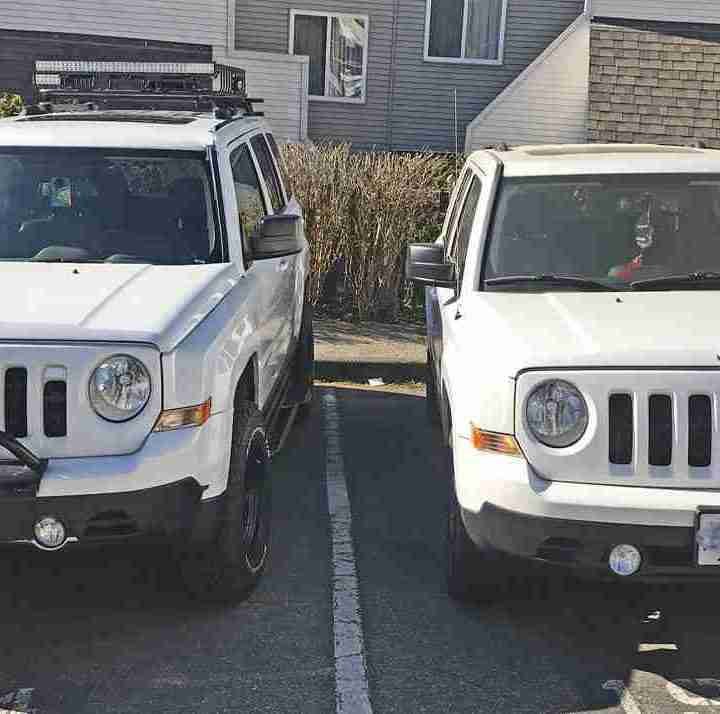
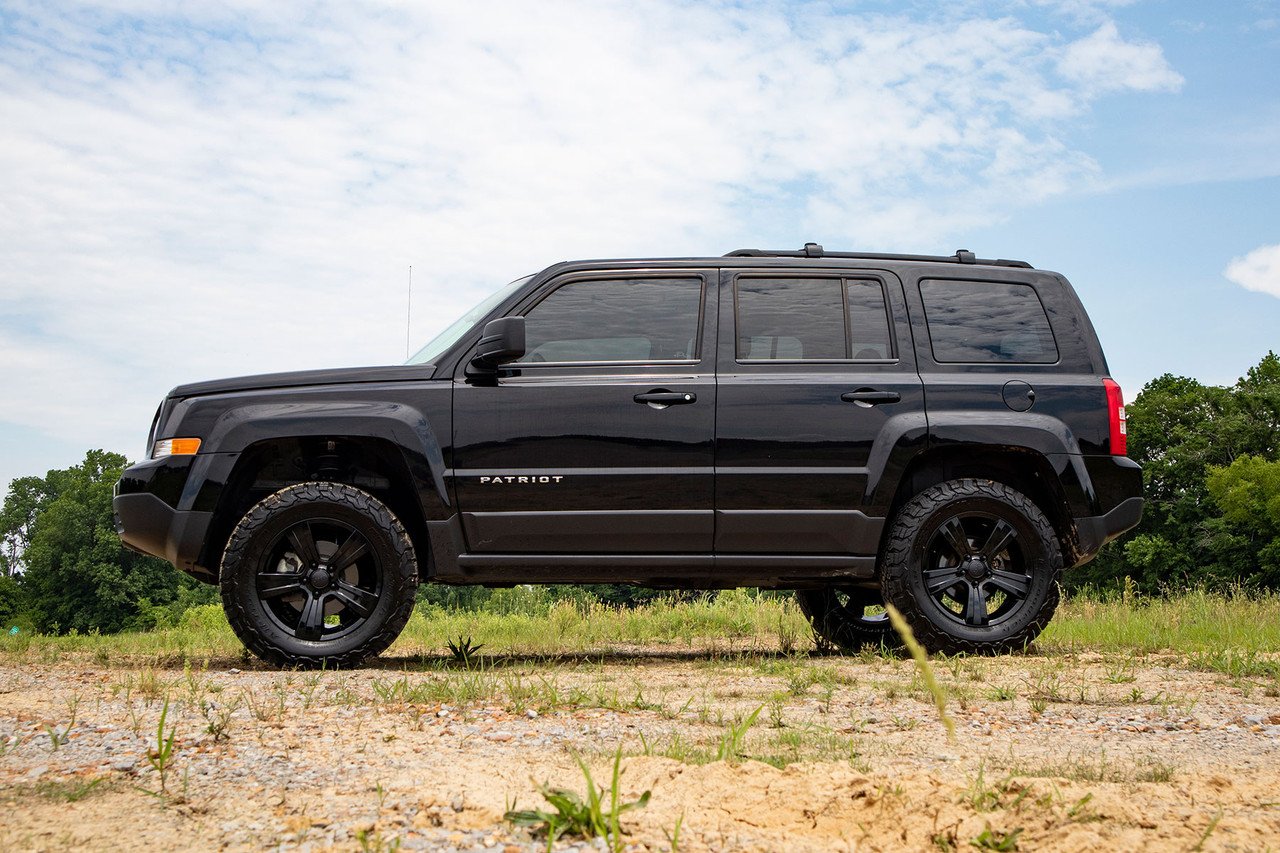
Mark from Colorado lifted his 2016 Patriot with a 2-inch spacer kit and added 225/75R16 all-terrain tires. His fuel economy dropped by 3 mpg, but he gained enough ground clearance for mild trails.
After two years, he reports no major issues but recommends regular checks on suspension bolts.
Maintenance After Lifting
A lifted Patriot needs more care:
- Inspect suspension bolts every 6 months.
- Check tire pressure often (larger tires lose air faster).
- Watch for uneven tire wear.
- Listen for new noises during driving.
These steps help keep your lifted Jeep safe and reliable.
Where To Find Quality Lift Kits
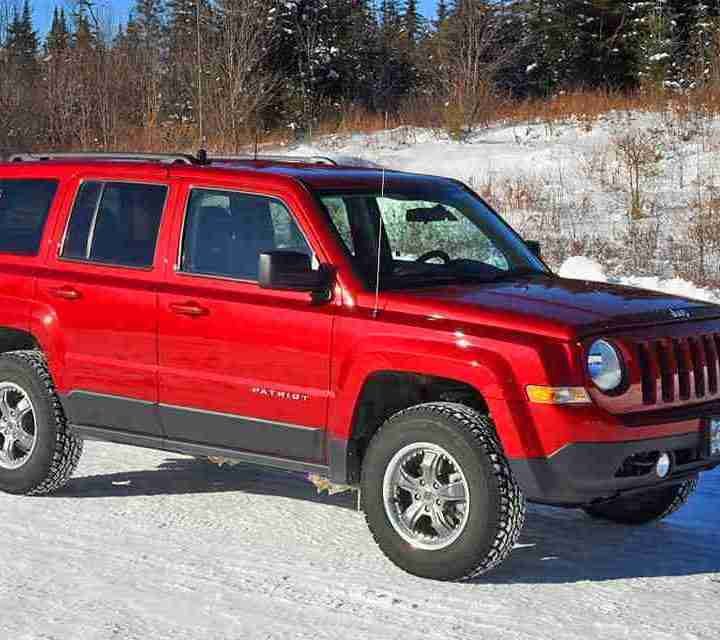
Buy from trusted brands like Rough Country, Daystar, or Teraflex. Make sure the kit is designed for the Jeep Patriot. For more details, see the ExtremeTerrain website.
Frequently Asked Questions
Can I Lift A Jeep Patriot Myself?
Yes, if you have basic tools and mechanical skills. Spacer kits are designed for home installation. If you’re unsure, a mechanic can help.
Will Lifting Affect My Warranty?
Lifting usually voids the suspension warranty. Other parts may still be covered. Check with your dealer before making changes.
How Much Does It Cost To Lift A Jeep Patriot?
Spacer kits cost $150–$300. Professional installation adds $200–$500. Suspension kits are more expensive.
What Size Tires Can I Use After Lifting?
With a 2-inch lift, most owners use 225/75R16 tires. Always check for rubbing and make sure the tires fit your wheels.
Is A Lifted Patriot Safe For Daily Driving?
Yes, if you install the kit properly and get an alignment. Avoid very high lifts unless you upgrade other parts.
Lifting your Jeep Patriot is a practical way to boost style and performance. With careful planning, the right tools, and smart choices, you can enjoy new adventures and a fresh look.
Just remember to drive safely, maintain your vehicle, and check local rules before starting the project.