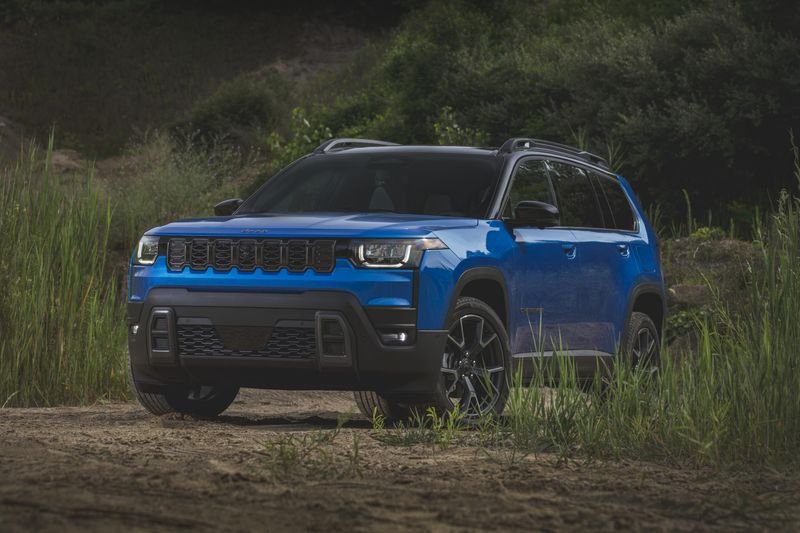
Owning a Jeep brings adventure and freedom. But with off-road trips, rain, snow, and mud, rust becomes a real threat. Left untreated, rust can damage your Jeep’s body and frame, leading to expensive repairs. Protecting your Jeep from rust is not just about keeping it looking good—it’s about maintaining safety and value.
Let’s explore how to keep your Jeep from rusting, with practical steps, data, and tips you won’t find in every guide.
Why Jeeps Rust So Easily
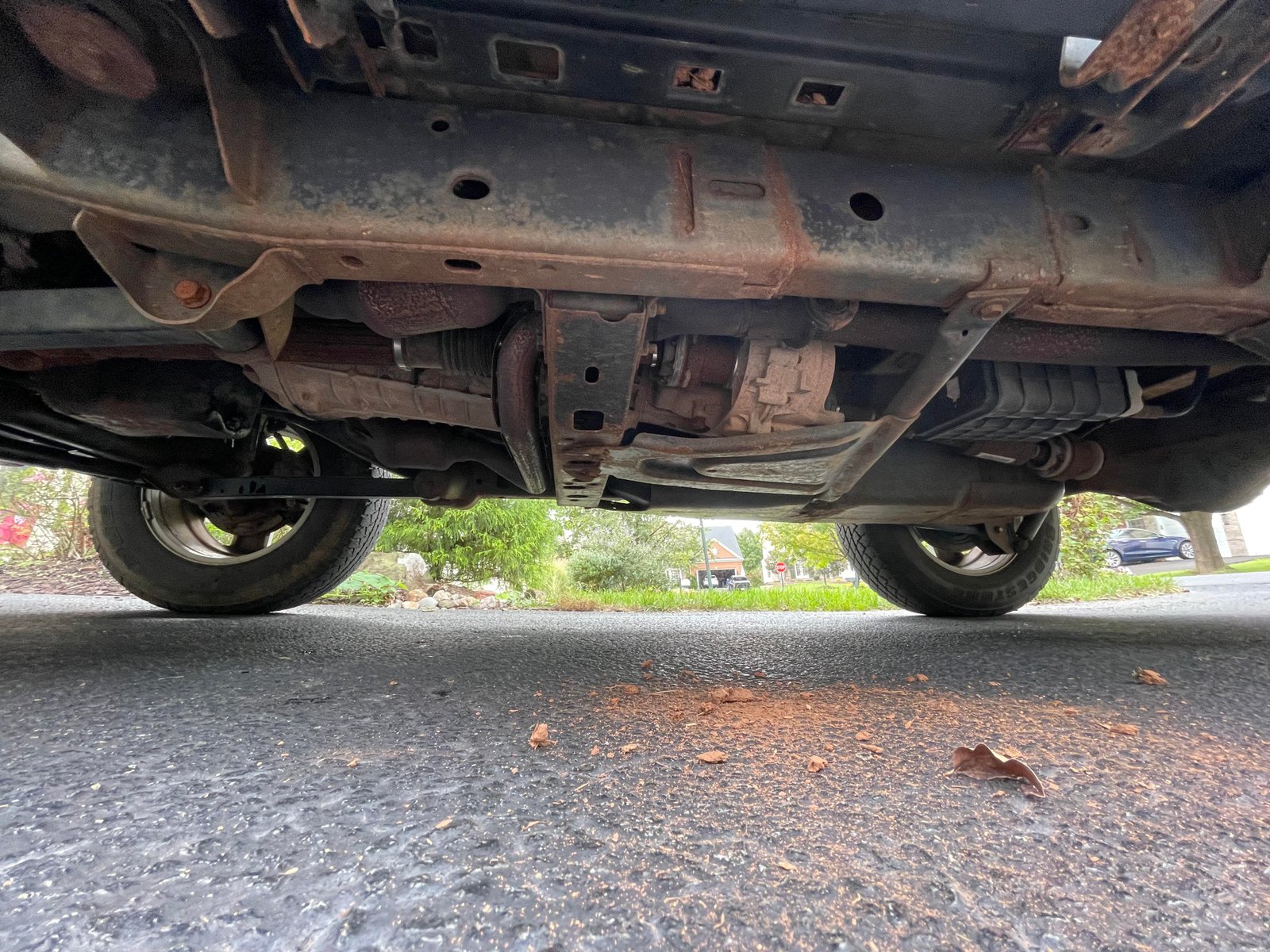
Jeeps are built for tough conditions. Their exposed undercarriage, steel body parts, and frequent contact with water and dirt make them vulnerable.

Many Jeep owners are surprised to see rust forming even after a few winters or off-road trips.
Salt, often used on winter roads, is one of the main causes. Salt speeds up corrosion, especially if it’s not washed off quickly. Mud and dirt can also trap moisture, which leads to rust spots on hidden areas.
Regular Cleaning: The First Defense
Washing your Jeep is the simplest and most effective way to fight rust. Focus on the undercarriage, wheel wells, and inside door sills where mud and salt collect.
- Use a pressure washer for the undercarriage. Pay special attention after driving in snow or mud.
- Clean the Jeep at least once a month, or more often if you drive in wet or salty areas.
- Dry all surfaces well, especially inside seams and under carpets.
Comparison: Manual Washing Vs. Automatic Car Wash
Here’s how different cleaning methods perform for rust prevention:
| Cleaning Method | Rust Prevention Effectiveness | Best For |
|---|---|---|
| Manual (hand wash) | High | Thorough cleaning, attention to detail |
| Automatic car wash | Medium | Quick, convenient, less undercarriage focus |
| Pressure washer | Very High | Undercarriage, heavy mud/salt removal |
Manual and pressure washing reach more hidden spots. Automatic washes are faster, but may miss critical areas.
Protective Coatings: Seal The Metal
Applying a protective coating is a smart move for any Jeep owner. There are several options:
- Wax: Offers basic protection. Reapply every few months.
- Undercoating sprays: These are thicker and designed for the Jeep’s frame and underbody.
- Rust inhibitors: Products like Fluid Film or POR-15 coat metal and stop rust in its tracks.
Professionals can apply these, but many Jeep owners do it themselves.
Popular Rust Protection Products
| Product | Application Area | Protection Duration |
|---|---|---|
| Fluid Film | Undercarriage/Frame | 1 year |
| POR-15 | Body panels, Frame | Several years |
| Automotive Wax | Painted Surfaces | 3-6 months |
Reapply coatings as directed. Skipping this step is a common mistake, especially before winter.
Check And Repair Paint Chips
Small scratches and paint chips are rust’s favorite place to start. Even a tiny chip exposes bare metal. Here’s what you should do:
- Inspect your Jeep’s paint monthly.
- If you find a chip, clean the area and apply touch-up paint quickly.
- For larger scratches, sand the area lightly, prime, and paint.
Many Jeep owners ignore small chips, not realizing rust can start in just a few weeks.
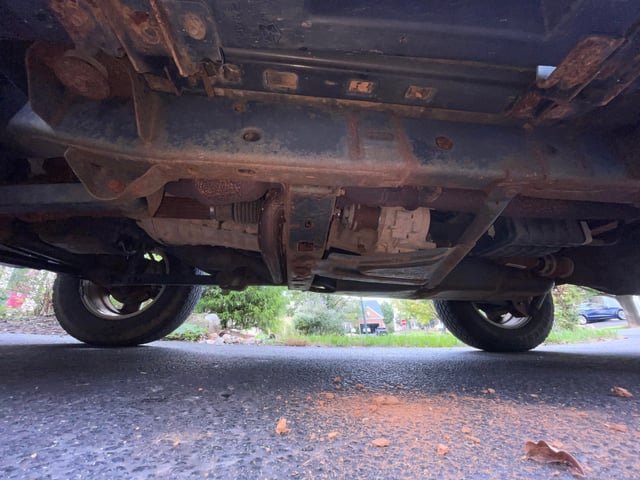
Drainage Is Critical
Jeeps often have drainage holes in the doors, floor, and tailgate. These let water escape after rain or deep water crossings.
If these holes are blocked, water collects and rust forms from the inside out.
- Clear drainage holes every few months.
- Check for wet carpets, which means water is trapped.
- Remove rubber plugs during wet seasons if you drive in heavy rain.
Hidden water is a rust risk few owners consider until it’s too late.
Store Your Jeep Wisely
Keeping your Jeep out of harsh weather slows rust. A garage is best, but not everyone has one. Here’s how to protect your Jeep outdoors:
- Use a breathable cover. Avoid plastic tarps—they trap moisture.
- Park on concrete, not grass or dirt, which holds moisture.
- If possible, avoid parking under trees, where sap and leaves can cause rust.
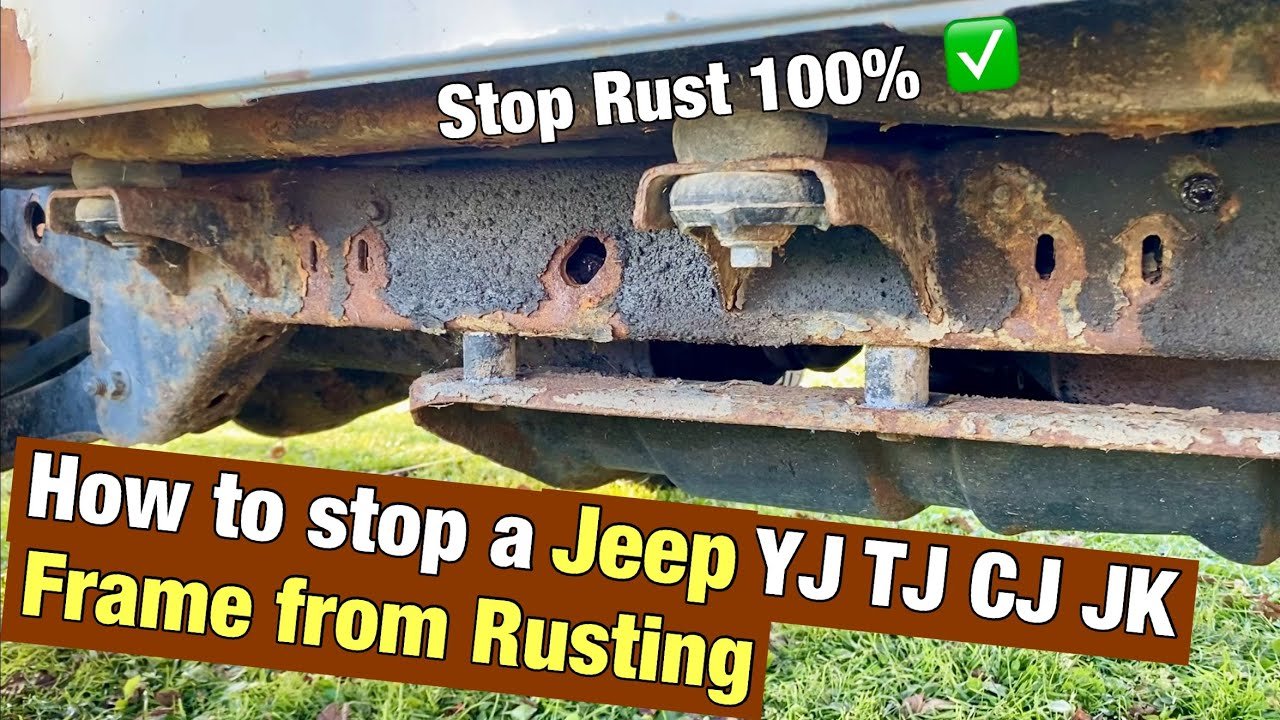
Rustproofing For Off-roaders
If you love off-roading, you need extra protection. Mud, sand, and water crossings all increase rust risk.
- Rinse your Jeep after every trip.
- Inspect skid plates, suspension, and frame rails for damage and trapped mud.
- Reapply undercoating after heavy off-road use.
Tip: Remove mud as soon as possible. Mud holds moisture and salt, making it worse than clean water.
How Long Does Rust Protection Last?
Different products and methods offer different protection. Here’s a quick comparison:
| Protection Method | Average Duration | Maintenance Needed |
|---|---|---|
| Waxing | 3-6 months | Reapply often |
| Undercoating | 1 year | Inspect annually |
| Rust inhibitor spray | 6-12 months | Spot treat as needed |
Don’t set and forget rust protection is a routine, not a one-time fix.
Two Insights Most Jeep Owners Miss
- Rust starts from the inside: Many owners focus only on visible spots. In reality, rust often begins inside panels or under carpets where moisture collects.
- Seasonal timing matters: Apply rust protection before winter or rainy season, not after rust appears. Prevention always works better than repair.
Protecting your Jeep from rust is ongoing work, but it pays off. A rust-free Jeep keeps its value, stays safe, and looks great for years.
Frequently Asked Questions
How Often Should I Wash My Jeep To Prevent Rust?
Wash your Jeep at least once a month. If you drive in areas with snow, salt, or mud, wash it weekly and pay extra attention to the undercarriage.
What Areas Of A Jeep Are Most Likely To Rust?
The most common spots are the undercarriage, wheel wells, door sills, and inside the tailgate. Also, check around windshield frames and floor pans.
Does Undercoating Really Work For Jeeps?
Yes, undercoating creates a strong barrier against salt, water, and debris. It’s especially important for Jeeps used in winter or off-road conditions.
Can I Remove Rust Myself, Or Should I See A Professional?
Small spots can be sanded and painted at home. For large or structural rust, it’s best to see a professional to ensure the repair is safe.
Where Can I Learn More About Rust Prevention?
For more details, visit the Wikipedia Rustproofing page for scientific info and product recommendations.
Taking action today will help your Jeep stand the test of time and adventure. Stay proactive, and your Jeep will remain tough and rust-free.