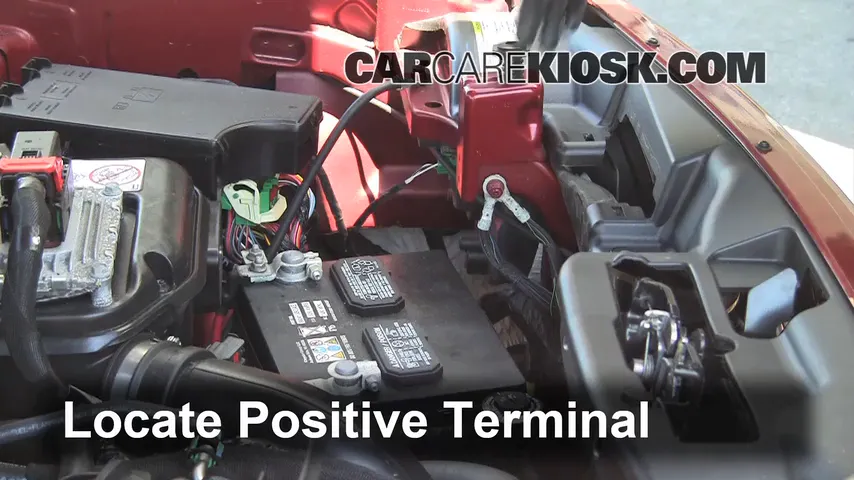
If your Jeep Patriot won’t start, it’s easy to feel frustrated. But a dead battery is often the cause, especially in cold weather or after leaving the lights on. Jumpstarting is a quick fix that doesn’t require advanced skills, just basic tools and careful steps. Whether you’re stuck in your driveway or a parking lot, learning how to jumpstart your Jeep Patriot can save you time and money. This guide explains every step clearly, helps you avoid mistakes, and gives practical advice for a safe and successful jumpstart.
What You Need Before Jumpstarting
Before you start, you need a few things:
- Jumper cables: Heavy-duty cables are best. Make sure the clamps are clean.
- A working car: The donor vehicle should have a similar or larger engine size.
- Safety gear: Wear gloves and eye protection if possible.
You also need to check that:
- Both vehicles are in park (automatic) or neutral (manual).
- Both cars have their parking brakes engaged.
- The battery in the donor car is not damaged or leaking.
Here’s a comparison of common jumper cable lengths:
| Length | Best Use | Average Price |
|---|---|---|
| 10 feet | Small cars, close parking | $15-$20 |
| 16 feet | Most situations | $20-$30 |
| 20 feet | Trucks, large spaces | $25-$40 |
Step-by-step Guide To Jumpstart A Jeep Patriot
Follow these steps to jumpstart your Jeep Patriot safely. Each step is important.
- Position the Vehicles
- Park the donor vehicle close to your Jeep Patriot, but do not let them touch.
- Turn off both engines and open the hoods.
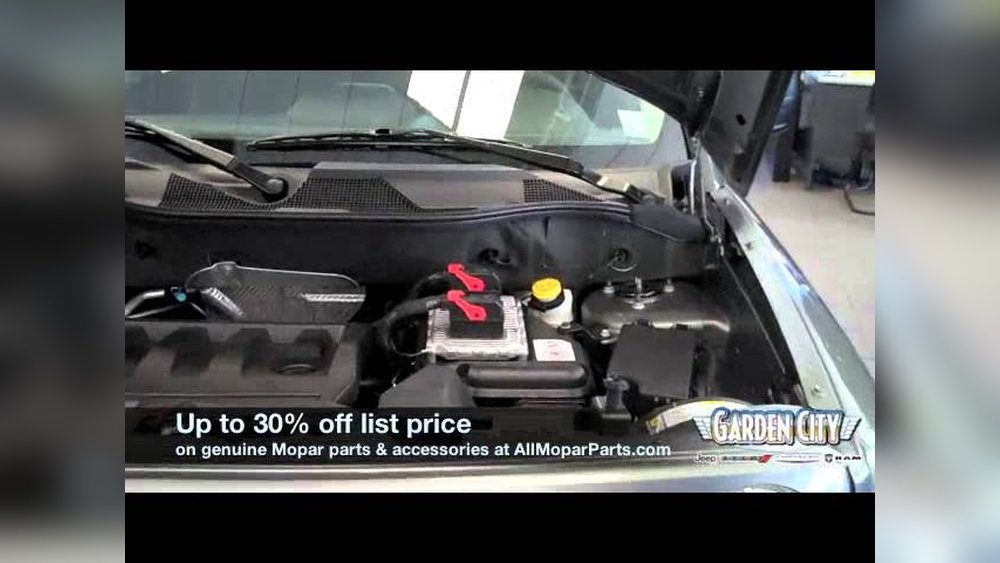
- Identify Battery Terminals
- Find the positive (red) and negative (black) terminals on both batteries.
- Clean off any dirt or corrosion for better contact.
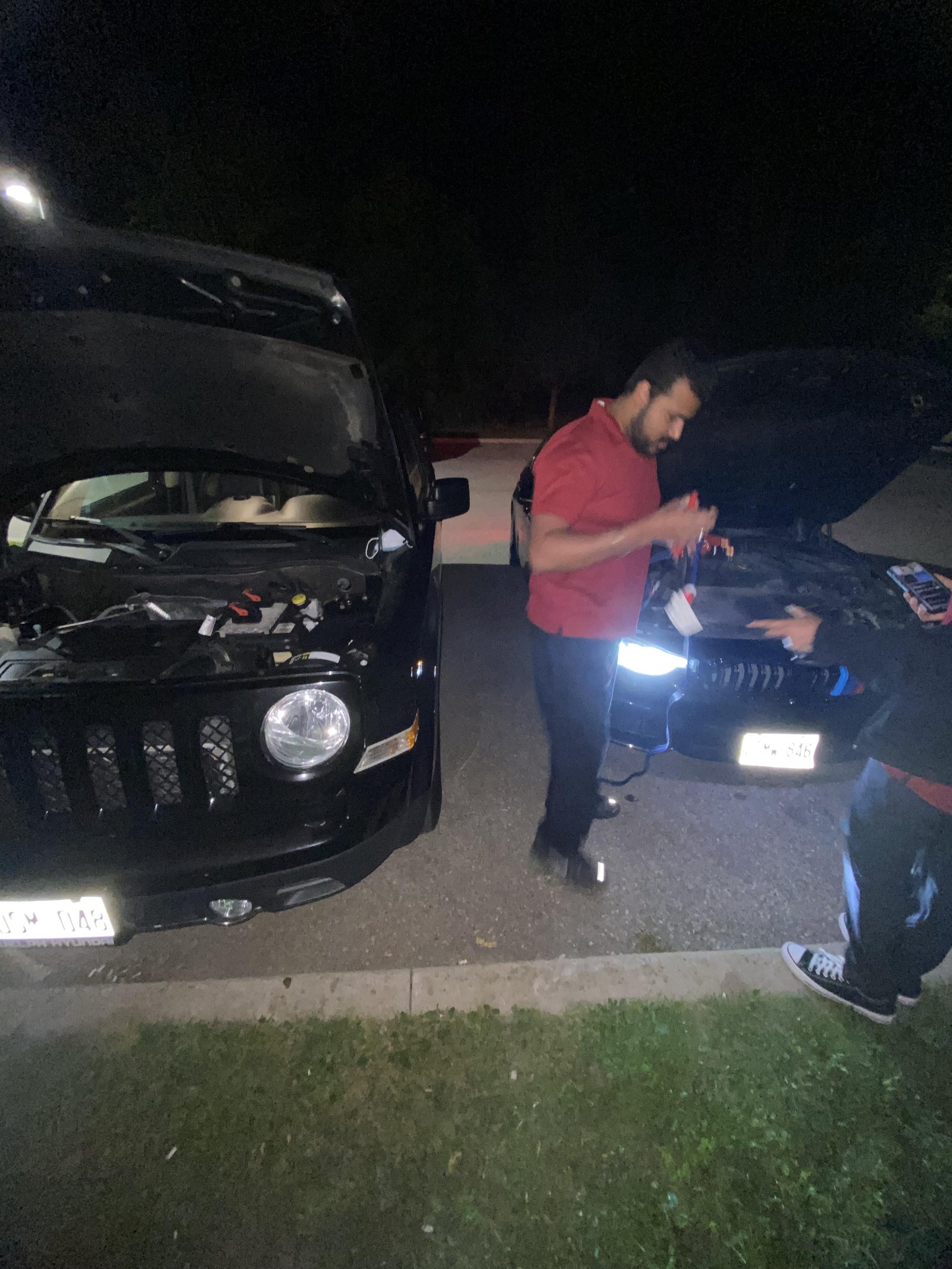
- Connect Jumper Cables
- Attach one red clamp to your Jeep Patriot’s positive terminal.
- Attach the other red clamp to the donor car’s positive terminal.
- Attach one black clamp to the donor car’s negative terminal.
- Attach the other black clamp to an unpainted metal surface on your Jeep Patriot, not the battery. This reduces risk of sparks.
- Start the Donor Vehicle
- Let the donor car run for 2–3 minutes. This lets its battery send power to your Jeep.
- Try Starting Your Jeep Patriot
- Turn the key and try to start your Jeep. If it doesn’t start right away, wait another minute and try again.
- Remove the Cables in Reverse Order
- First, remove the black clamp from your Jeep Patriot.
- Second, remove the black clamp from the donor car.
- Third, remove the red clamp from the donor car.
- Last, remove the red clamp from your Jeep Patriot.
- Let Your Jeep Run
- Keep your Jeep running for at least 15–20 minutes. This helps recharge the battery.
Here’s a table comparing battery sizes for common donor vehicles:
| Vehicle | Battery Size (CCA) | Best for Jumpstarting? |
|---|---|---|
| Sedan | 400–600 | Yes |
| Pickup Truck | 650–850 | Yes |
| Small SUV | 500–700 | Yes |
| Hybrid Car | 300–400 | No (usually not recommended) |
Common Mistakes And How To Avoid Them
Jumpstarting may look simple, but there are mistakes to avoid:
- Wrong cable connection: Connecting clamps to the wrong terminals can cause damage or sparks.
- Poor contact: Dirty or rusty clamps won’t transfer power well.
- Using a weak donor battery: If the donor car’s battery is weak, jumpstarting won’t work.
- Skipping safety gear: Always wear gloves and avoid touching metal parts.
One insight many beginners miss is the importance of connecting the black clamp to a metal part away from the battery. This reduces the risk of battery explosion from sparks.
Also, never let jumper cable clamps touch each other during the process.
What To Do If Jumpstarting Fails
If your Jeep Patriot still won’t start:
- Check if the battery is old or damaged. Most car batteries last about 3–5 years.
- Look for a blown fuse or bad starter. These can also cause starting problems.
- Consider asking for professional help if jumpstarting doesn’t work after two tries.
Here’s a quick table showing signs your battery needs replacement:
| Sign | Possible Cause | Action |
|---|---|---|
| Dim lights | Weak battery | Replace battery |
| Clicking sound | Bad starter or battery | Check starter |
| Corrosion | Old battery | Clean or replace |
| Smell | Leaking battery | Replace battery |
Practical Tips For Safe Jumpstarting
- Always read your Jeep Patriot’s owner’s manual for specific battery location and warnings.
- If you drive often in cold weather, carry jumper cables in your trunk.
- If you jumpstart often, consider buying a portable jump starter. These cost around $60–$120 and work without another car.
- After jumpstarting, drive for at least 30 minutes to help recharge the battery fully.
A non-obvious tip: If you notice your Jeep needs frequent jumpstarts, the alternator might be failing. The alternator charges the battery while driving. You can test it at most auto parts stores for free.
For detailed battery care and jumpstarting tips, you can check Consumer Reports.
Frequently Asked Questions
How Do I Know If My Jeep Patriot Battery Is Completely Dead?
If you turn the key and nothing happens no lights, no sounds the battery is likely dead. If you hear clicking, it might still have some charge, but not enough to start the engine.
Can I Use Any Vehicle To Jumpstart My Jeep Patriot?
You can use most cars or trucks with a similar or larger battery size. Avoid using hybrid cars, as their batteries aren’t suitable for jumpstarting other vehicles.
How Long Should I Keep My Jeep Running After Jumpstarting?
Keep your Jeep running for at least 15 20 minutes after jumpstarting. If possible, drive for 30 minutes to help recharge the battery fully.
Is It Safe To Jumpstart In The Rain?
Yes, but avoid puddles and keep cables dry. Water conducts electricity, so extra caution is needed.
Wear gloves and do not touch metal parts.
What Should I Do If My Jeep Patriot Still Won’t Start After Jumpstarting?
Check for other issues like a faulty starter, blown fuse, or damaged battery. If you’ve tried twice and it doesn’t work, call a mechanic or roadside assistance.
Jumpstarting your Jeep Patriot is simple if you follow these steps and avoid common mistakes. Having the right tools and knowledge can turn a stressful moment into a quick solution.
Stay prepared, and you’ll keep your Jeep running strong.