If your 2017 Jeep Grand Cherokee won’t start, and you suspect the battery is dead, jump starting is usually the fastest fix. Many drivers worry about doing this safely or damaging their vehicle’s electronics. The Grand Cherokee has a powerful engine and modern electrical systems, so it’s important to follow the right steps. With the correct technique, you can get your Jeep running again within minutes.
Safety First: Preparing To Jump Start
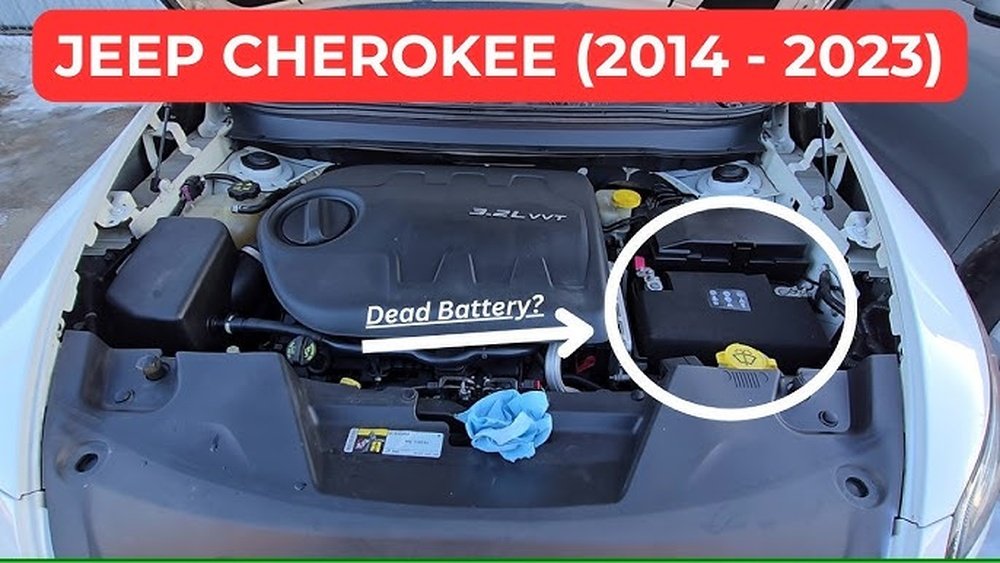
Before you begin, check your surroundings. Make sure both vehicles are parked in a safe, flat area. Turn off the ignition in both cars. Put on gloves and eye protection if you have them. Never touch the battery terminals with your bare hands. Read your owner’s manual to confirm battery location—some models place the battery under the passenger seat, but for the 2017 Grand Cherokee, it’s under the hood.
Key things to check:
- No leaks or visible battery damage
- All electronics off
- Parking brake engaged
Gathering Equipment
You’ll need a set of jumper cables and a running vehicle with a compatible battery. Avoid using a hybrid or electric car for jump starting, as this can damage both vehicles.
Recommended items:
- Jumper cables (heavy-duty, at least 10-gauge)
- Donor car with fully charged battery
- Owner’s manual (for reference)
- Protective gear

Step-by-step Jump Start Process
Follow these steps for a safe jump start:
- Open the hoods of both vehicles.
- Locate the battery in your Jeep and the donor car.
- Identify the positive (+) and negative (-) terminals. On the Grand Cherokee, these are clearly marked.
- Attach the red cable to the positive terminal on your Jeep.
- Connect the other red clamp to the positive terminal on the donor car.
- Attach the black cable to the negative terminal on the donor car.
- Connect the other black clamp to a metal ground point on your Jeep (not the negative battery terminal). This could be an unpainted bolt or bracket.
- Start the donor vehicle and let it run for 2-3 minutes.
- Try starting your Jeep. If it starts, let it idle for a few minutes.
- Remove cables in reverse order:
- Black clamp from Jeep
- Black clamp from donor car
- Red clamp from donor car
- Red clamp from Jeep
Important: Never let the clamps touch each other, and avoid touching the battery terminals directly.
Practical Tips And Common Mistakes
Helpful tips:
- If your Jeep doesn’t start after three tries, wait five minutes. The battery may need more time to charge.
- Clean corroded terminals with a wire brush before attaching cables.
- Use a portable jump starter if you’re alone or no donor car is available.
Common mistakes:
- Reversing cable order can damage your electrical system.
- Jump starting with a damaged battery can cause leaks or explosions.
- Not using a ground point for the negative cable increases risk of sparks.
Data: Battery Specs And Compatibility
Here’s a quick comparison of battery specs for the 2017 Jeep Grand Cherokee versus typical donor vehicles:
| Vehicle | Battery Type | Cold Cranking Amps (CCA) | Voltage |
|---|---|---|---|
| 2017 Jeep Grand Cherokee | Group 94R | 800 | 12V |
| Standard Sedan | Group 48 | 650 | 12V |
| Pickup Truck | Group 65 | 850 | 12V |
Most modern vehicles have 12V systems, but check the CCA for compatibility. Higher CCA is better for jump starting SUVs.
How A Jump Start Works: Simple Explanation
Jump starting uses the donor vehicle’s battery to supply power to your dead battery. The cables transfer energy, allowing your engine to crank. Once started, your alternator charges the battery.
Here’s how the energy flows:
| Step | Action | Result |
|---|---|---|
| Connect Cables | Energy flows from donor battery | Your Jeep receives power |
| Start Donor Car | Donor battery supplies voltage | Jeep battery charges |
| Start Jeep | Engine cranks | Alternator takes over |
After Jump Starting: Next Steps
Once your Jeep starts, keep the engine running for at least 15 minutes. This allows the alternator to recharge your battery.
If your vehicle stalls again, your battery may need replacement.
Check these after jump starting:
- Dashboard lights and electrical features
- Battery charge level (use a voltmeter: 12.6V+ is healthy)
- Signs of battery age (over 3 years old may need replacement)
If problems continue, visit a mechanic or check the official Jeep website for guidance.
Real-world Example
In one case, a driver parked her 2017 Jeep Grand Cherokee in cold weather. The battery drained overnight. She used a neighbor’s sedan to jump start, following the steps above. The Jeep started after two minutes, and she drove to a shop to check the battery. This shows how jump starting can solve sudden battery failures, especially in winter.
Comparison: Portable Jump Starter Vs Jumper Cables
Portable jump starters are convenient, but jumper cables are more affordable.
| Feature | Portable Jump Starter | Jumper Cables |
|---|---|---|
| Ease of Use | Very easy, no donor car needed | Needs donor car |
| Price | $60-$200 | $20-$40 |
| Safety | Low risk of sparks | Risk if cables are incorrect |
Frequently Asked Questions
How Do I Know If My Battery Is Dead?
If your Jeep shows dim lights, clicks when starting, or won’t turn over, the battery is likely dead.
Can I Jump Start Alone?
Yes, with a portable jump starter. Otherwise, you need a donor car.
Is It Safe To Jump Start In The Rain?
It’s safe if you avoid water on battery terminals and cables. Always work carefully.
How Long Should I Let My Jeep Run After Jump Starting?
Let it run for 15-30 minutes to recharge the battery fully.
What If My Jeep Doesn’t Start After Jump Starting?
Check cable connections, wait longer, or try another donor car. If it still won’t start, your battery may be faulty.
Jump starting your 2017 Jeep Grand Cherokee is simple if you follow these steps. Handle cables carefully, use the right tools, and check your battery’s health afterward. If you have doubts or recurring problems, consult your manual or visit the official Jeep website for expert advice. With these tips, you’ll be ready for emergencies and keep your Jeep running strong.