Jump-starting a Jeep Renegade can be stressful, especially if you’re stuck with a dead battery. But with the right steps, you can safely get your Jeep running again even if you’re new to car maintenance.
This guide will help you understand exactly how to jump a Jeep Renegade, avoid common mistakes, and know what to do if things don’t go as planned.
We’ll use simple English, clear instructions, and real examples so you feel confident every step of the way.
Why Jeep Renegade Batteries Fail
The Jeep Renegade is a popular compact SUV, but its battery isn’t immune to problems. Most batteries last about 3–5 years. Cold weather, leaving lights on, or not driving for weeks can cause your battery to lose charge. According to AAA, battery failure is the number one cause of roadside assistance calls in the US.
Some owners notice the Renegade’s battery drains faster if the vehicle is parked for days. Also, newer models with stop/start features can stress the battery more.
Knowing these points helps you spot trouble early.
What You Need Before Jump-starting
Jump-starting isn’t possible without the right tools. Here’s what you need:
- Jumper cables: At least 10 feet long, thick, and insulated.
- Another vehicle: With a fully charged 12V battery.
- Gloves and eye protection: For safety.
- Owner’s manual: For your Jeep Renegade (optional but helpful).
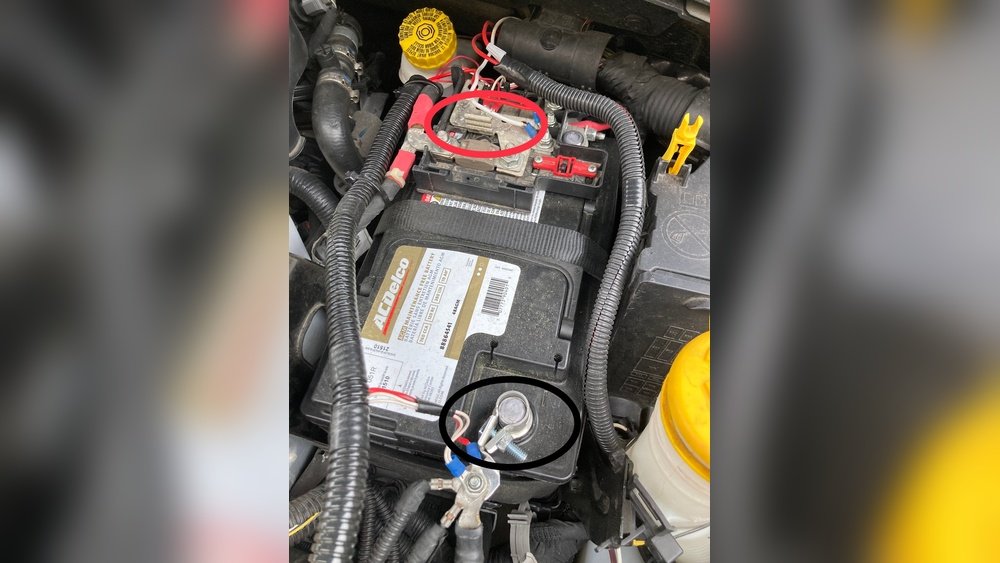
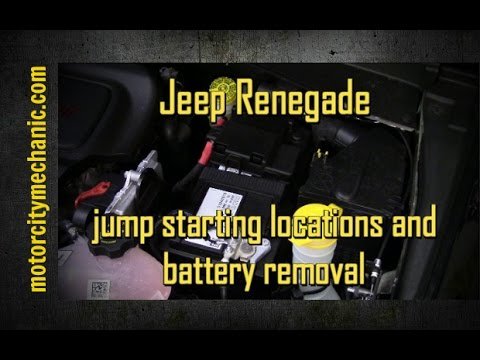
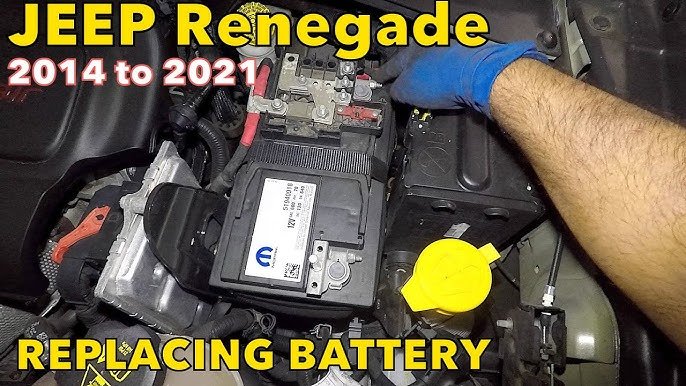
Some Renegade models have the battery under a cover or in a tight spot. Always check your manual for the exact location.
Here’s a quick comparison of jumper cable types:
| Type | Length | Gauge | Best Use |
|---|---|---|---|
| Standard | 10 ft | 6 | Small cars |
| Heavy-duty | 16 ft | 4 | SUVs/Trucks |
| Compact | 8 ft | 8 | Emergencies only |
For the Jeep Renegade, heavy-duty cables are best.
Step-by-step: How To Jump A Jeep Renegade
Follow these steps carefully. Missing any step can lead to damage or injury.
- Park the vehicles: Place the working car close to your Jeep but not touching. Turn both vehicles off.
- Open the hoods: Locate the battery. On the Renegade, it’s usually near the front, sometimes under a plastic cover. Remove the cover if needed.
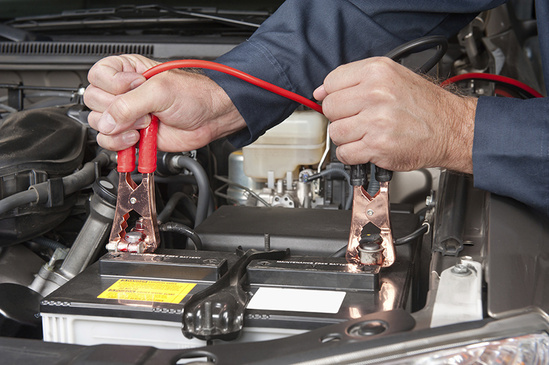
- Connect the cables: Attach the cables in this order:
- Red clamp to the Renegade’s positive (+) battery terminal.
- Red clamp to the donor car’s positive (+) terminal.
- Black clamp to the donor car’s negative (–) terminal.
- Black clamp to a metal part on the Renegade, away from the battery (like an engine bolt).
- Start the donor vehicle: Let it run for 2–5 minutes. This charges your Renegade’s battery.
- Start the Renegade: Try starting after a few minutes. If it doesn’t start, wait another minute and try again.
- Remove cables: In reverse order—black from the Renegade, black from donor, red from donor, red from Renegade.
- Let the Renegade run: Keep the engine on for at least 15–30 minutes to recharge the battery.
Here’s a table comparing time needed to jump-start in different temperatures:
| Temperature | Charging Time | Success Rate |
|---|---|---|
| Above 60°F | 2–3 min | 95% |
| 32–60°F | 3–5 min | 90% |
| Below 32°F | 5–10 min | 75% |
Cold weather can make jump-starting slower and less reliable.
Common Mistakes And How To Avoid Them
Jump-starting sounds simple, but mistakes can be costly. Some beginners make these errors:
- Wrong cable order: Connecting clamps in the wrong sequence can cause sparks or damage electronics.
- Poor grounding: Attaching the black clamp to the battery instead of metal can create dangerous short circuits.
- Dirty battery terminals: Corrosion blocks good connections. Clean terminals with a wire brush if needed.
- Donor battery too weak: If the other car’s battery isn’t fully charged, the jump may fail.
- Leaving cables on too long: This can overheat wires and damage battery cells.
A non-obvious tip: If your Renegade uses start/stop technology, it may need a special battery. Standard batteries might jump-start but could fail again soon.
What To Do After Jump-starting
Getting your Jeep running is just the start. Here’s what to do next:
- Drive for at least 30 minutes: This recharges the battery more fully.
- Check battery health: If your battery is more than 3 years old, get it tested at an auto parts store.
- Turn off accessories: Don’t use AC, radio, or lights until you know the battery is strong.
- Look for warning lights: If you see a battery or engine light, visit a mechanic soon.
If your Jeep won’t hold a charge, the alternator or battery may need replacement.
Safety Tips For Jump-starting
Jump-starting is safe if you follow basic rules:
- Always wear gloves and eye protection.
- Keep metal objects away from the battery.
- Never smoke near batteries (they can release gas).
- Don’t let the clamps touch each other.
- If you feel heat or see sparks, stop immediately.
It’s smart to jump-start outside, not in a garage, to avoid fumes.
When To Call For Help
Sometimes, jump-starting won’t work. If:
- The Renegade doesn’t start after three tries.
- You hear clicking but no engine sound.
- The battery looks swollen or leaks.
Call roadside assistance or a mechanic. Modern Jeep Renegades have complex electronics.
Jumping incorrectly can damage sensors, costing hundreds to fix.
You can find more detailed battery troubleshooting at Consumer Reports.
Frequently Asked Questions
Can I Use A Portable Jump Starter For A Jeep Renegade?
Yes. Many portable jump starters work for the Renegade. Make sure it’s rated for at least 400 amps. Connect as you would with cables, but follow the device instructions.
Where Is The Battery Located In A Jeep Renegade?
It’s usually under the hood, near the front. Some models have a plastic cover over the battery.
Check your owner’s manual for the exact spot.
What If The Renegade Still Won’t Start After Jumping?
Try checking cable connections and donor battery strength. If it still fails, your battery may be too weak, or the alternator is faulty. Call a mechanic.
Is Jump-starting Safe For Hybrid Jeep Renegade Models?
Most hybrid models need special procedures. Use only the points marked in the manual. Standard jump-starting can damage hybrid batteries.
How Often Should I Replace The Battery?
Most batteries last 3–5 years. If you notice slow starts, dim lights, or electrical issues, test or replace the battery sooner.
Jump-starting your Jeep Renegade is easier than it seems if you know the right steps. With proper cables, careful attention, and these safety tips, you’ll be back on the road quickly.
Always check battery health after jumping, and don’t hesitate to ask for help if things seem wrong.