Jacking up your Jeep Grand Cherokee may sound simple, but doing it right means protecting your vehicle and staying safe. Whether you want to change a flat tire or check the undercarriage, knowing the correct steps and tools makes a big difference.
Many owners make small mistakes, like picking the wrong jacking point or failing to secure the vehicle, which can lead to injury or expensive repairs. This guide covers every step, shares practical tips, and highlights what most people overlook.
Essential Tools And Safety Gear
Before you start, gather the right tools and equipment. Using the proper gear is not just about convenience it’s critical for safety.
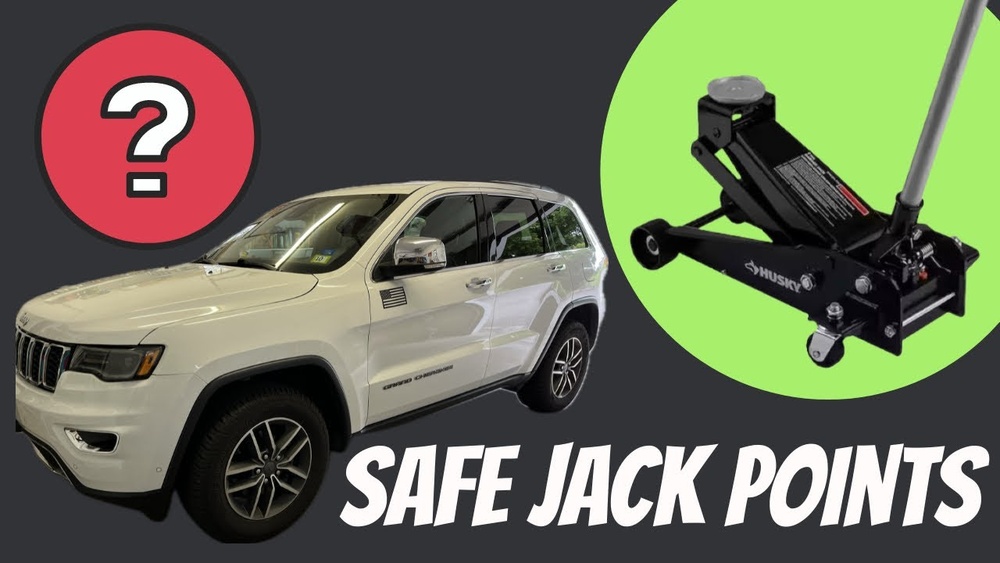
- Car jack (hydraulic floor jack is preferred over the factory scissor jack)
- Jack stands
- Wheel chocks
- Lug wrench
- Work gloves
- Safety glasses
- Owner’s manual (for reference on jacking points)
Never trust the jack alone to hold your Jeep. Always use jack stands for support.
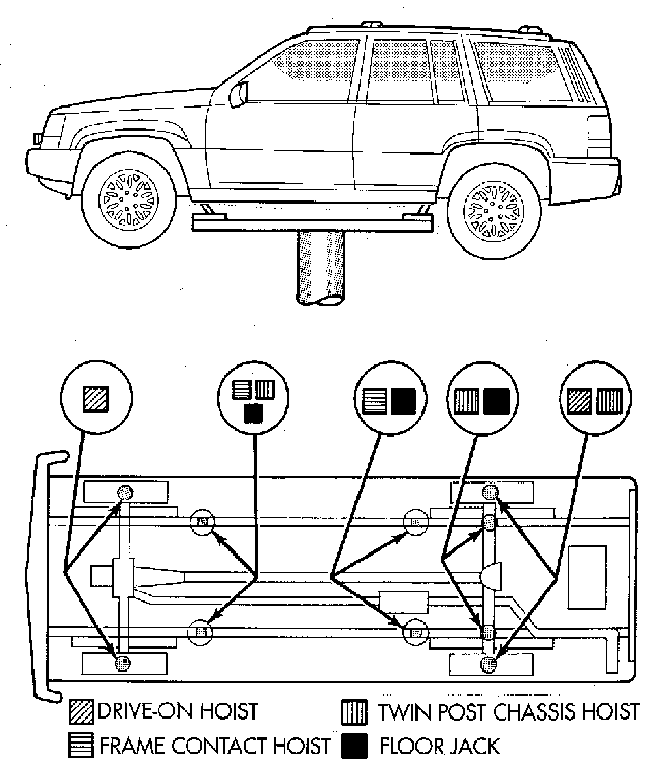
Where To Place The Jack On A Jeep Grand Cherokee
Placing the jack in the right spot is vital. The wrong spot can bend the frame or damage the underbody.
| Location | Jack Point Type | What to Avoid |
|---|---|---|
| Front | Pinch weld behind front wheel | Oil pan, suspension arms |
| Rear | Pinch weld in front of rear wheel | Exhaust system, plastic trim |
| Center | Crossmember (if rated for load) | Body panels, fuel tank |
Always check your owner’s manual for your model year’s specific points. Newer Grand Cherokees may have slight differences.
Step-by-step Guide: Jacking Up Your Jeep Grand Cherokee
1. Park On A Level Surface
Make sure your Jeep is on solid, flat ground. Avoid grass or gravel, as the jack can shift or sink.
2. Engage Parking Brake And Chock Wheels
Apply the parking brake firmly. Place wheel chocks behind and in front of the wheels that will stay on the ground.
3. Loosen Lug Nuts Slightly
Use the lug wrench to break the lug nuts loose before lifting. Do not fully remove them yet.
4. Position The Jack
Slide the jack under the correct jacking point. For most tasks, the pinch weld behind the wheel you want to lift is best.
5. Lift The Vehicle Slowly
Pump the jack handle steadily. Watch the contact point and check for any movement or instability.
6. Place Jack Stands
Once the tire is off the ground, position jack stands under the recommended support spots. Lower the Jeep gently onto the stands.
7. Double-check Stability
Give the vehicle a light shake to confirm it’s secure. Never work under a Jeep supported only by a jack.
8. Finish Your Work
Change the tire or perform your maintenance. Keep tools and body parts away from unstable areas.
9. Lower The Vehicle
Raise the Jeep slightly with the jack, remove the stands, and lower the vehicle slowly to the ground.
10. Tighten Lug Nuts
With the tire touching the ground, tighten the lug nuts fully in a star pattern.
Common Mistakes And How To Avoid Them
Many Jeep owners overlook these key points, leading to accidents or damage:
- Lifting on uneven surfaces: This can make the Jeep slip off the jack.
- Ignoring the parking brake: Your Jeep can roll, even on a slight incline.
- Missing the correct jack point: Each Grand Cherokee generation may have unique jack points.
- Not using jack stands: Jacks can fail—stands are essential.
- Rushing the process: Take your time. A mistake can cost much more than a few extra minutes.
Comparing Jack Types For A Jeep Grand Cherokee
Choosing the right jack makes the job safer and faster. Here’s a quick comparison:
| Jack Type | Pros | Cons |
|---|---|---|
| Scissor Jack (factory) | Compact, included with vehicle | Slow, less stable |
| Hydraulic Floor Jack | Stable, quick lifting | Heavy, takes more space |
| Bottle Jack | High lift, portable | Not for all jacking points |
For most home garages, a hydraulic floor jack and jack stands are the safest choice.
Practical Tips For A Safe And Easy Lift
- Always check your owner’s manual for model-specific advice.
- If you’re on the road, look for a paved surface or use a strong, wide plank under the jack for extra stability.
- Carry a flashlight if you might need to jack up your Jeep at night.
- Keep your tools organized in the trunk. This saves time in emergencies.
- Practice jacking up your Jeep at home, so you’re confident if you need to do it in a hurry.
What Most People Miss
1. Checking The Jack’s Weight Rating
Many factory jacks are rated for the Jeep’s weight when empty—not when loaded with passengers or gear. Use a jack with at least a 3-ton rating for safety.
2. Inspecting Jack And Stands For Damage
Rust, bent parts, or missing pins can fail under pressure. Inspect your equipment every few months.
After You’re Done
When lowering your Jeep Grand Cherokee, double-check that all tools are removed from under the vehicle. Store your jack, stands, and tools securely. If you changed a tire, check the air pressure and torque the lug nuts to factory specs after driving a few miles.
Learning to jack up your Jeep correctly is more than just a skill it’s a key part of being a prepared owner. Practice these steps, stay cautious, and you’ll handle roadside surprises with confidence.

Frequently Asked Questions
Where Are The Official Jacking Points On A Jeep Grand Cherokee?
The official jacking points are the pinch welds behind the front wheels and in front of the rear wheels. Some models also have reinforced areas on the frame. Always check your owner’s manual for diagrams.
Can I Use The Factory Scissor Jack For Regular Maintenance?
The factory scissor jack is designed for emergency tire changes only. For repairs or extended work under your Jeep, use a hydraulic floor jack and jack stands.
How High Should I Lift My Jeep Grand Cherokee?
Lift the Jeep just enough for the tire to clear the ground—usually 2-3 inches is sufficient. Lifting higher increases instability.
Is It Safe To Jack Up On Gravel Or Dirt?
It’s not recommended. The jack can shift or sink, causing the vehicle to fall.
If you must, use a strong, flat board under the jack to spread the load.
What Should I Do If My Jack Fails?
If a jack fails and the Jeep falls, do not attempt to lift it by hand. Call for professional help. This is why jack stands are always essential for safety.
For more technical details and safety advice, you can visit the official Jeep Owner’s Manual page.
Jacking up your Jeep Grand Cherokee is simple once you know the steps and respect the process. Practice good habits, use the right tools, and you’ll be ready for any situation whether it’s a flat tire or a weekend project.