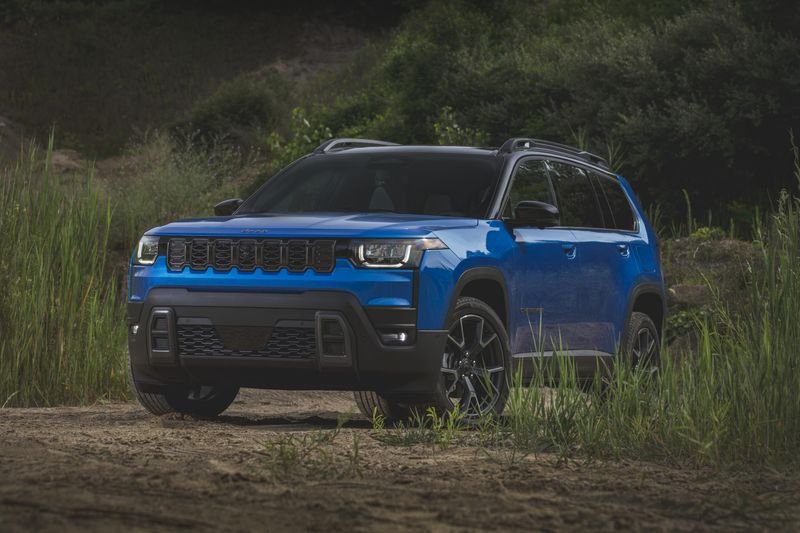
Installing a winch on your Jeep can make off-road adventures safer and more enjoyable. A winch helps you pull your vehicle out of mud, sand, or snow, and can assist others in tough situations.
But installing a winch is not just about bolting it on.
Doing it incorrectly can damage your Jeep or even cause injury. This guide gives clear, step-by-step advice to install a winch safely, even if you’re new to car upgrades.
Choosing The Right Winch For Your Jeep
Before you buy, check the winch capacity. It should be at least 1.5 times your Jeep’s weight. For example, if your Jeep weighs 4,000 pounds, choose a winch rated for at least 6,000 pounds.
Also consider:
- Synthetic rope vs steel cable: Synthetic is lighter and safer, but less durable in heat.
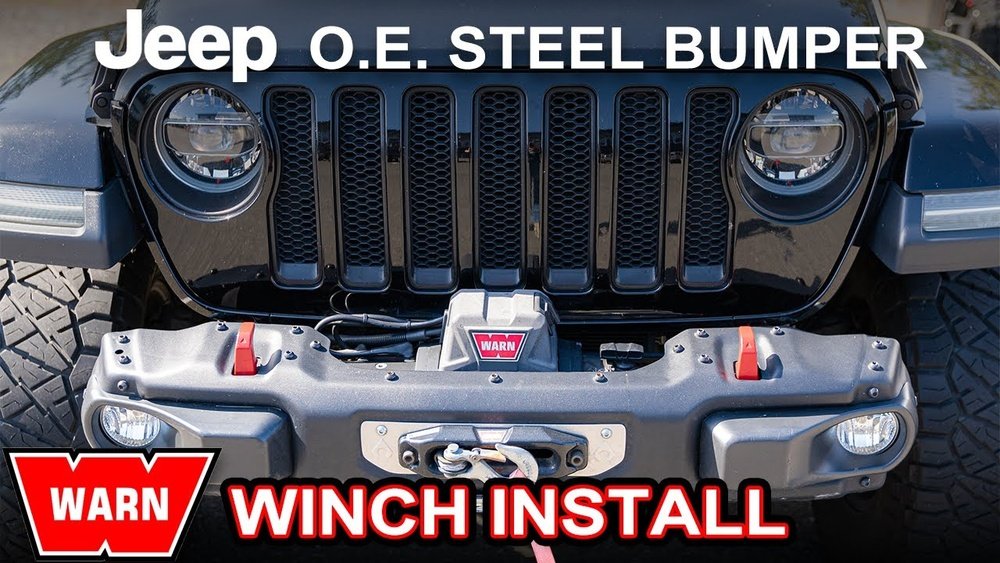
- Mounting style: Some winches fit bumper mounts, others need special plates.
Here’s a quick comparison:
| Feature | Synthetic Rope | Steel Cable |
|---|---|---|
| Weight | Light | Heavy |
| Safety | Less recoil | Can snap dangerously |
| Durability | Affected by UV/heat | Resists abrasion |
Common mistake: Many beginners buy oversized winches. While stronger is good, a winch too big can overload your battery or require extra reinforcement.
Preparing Your Jeep And Tools
Work on a flat surface. Use wheel chocks to prevent rolling. Gather these tools:
- Socket wrench set
- Screwdriver
- Drill (if mounting holes needed)
- Torque wrench
- Safety gloves and glasses
Disconnect the battery before you start. This prevents accidental shocks and protects your Jeep’s electronics.
Step-by-step Installation Guide
1. Remove The Front Bumper (if Needed)
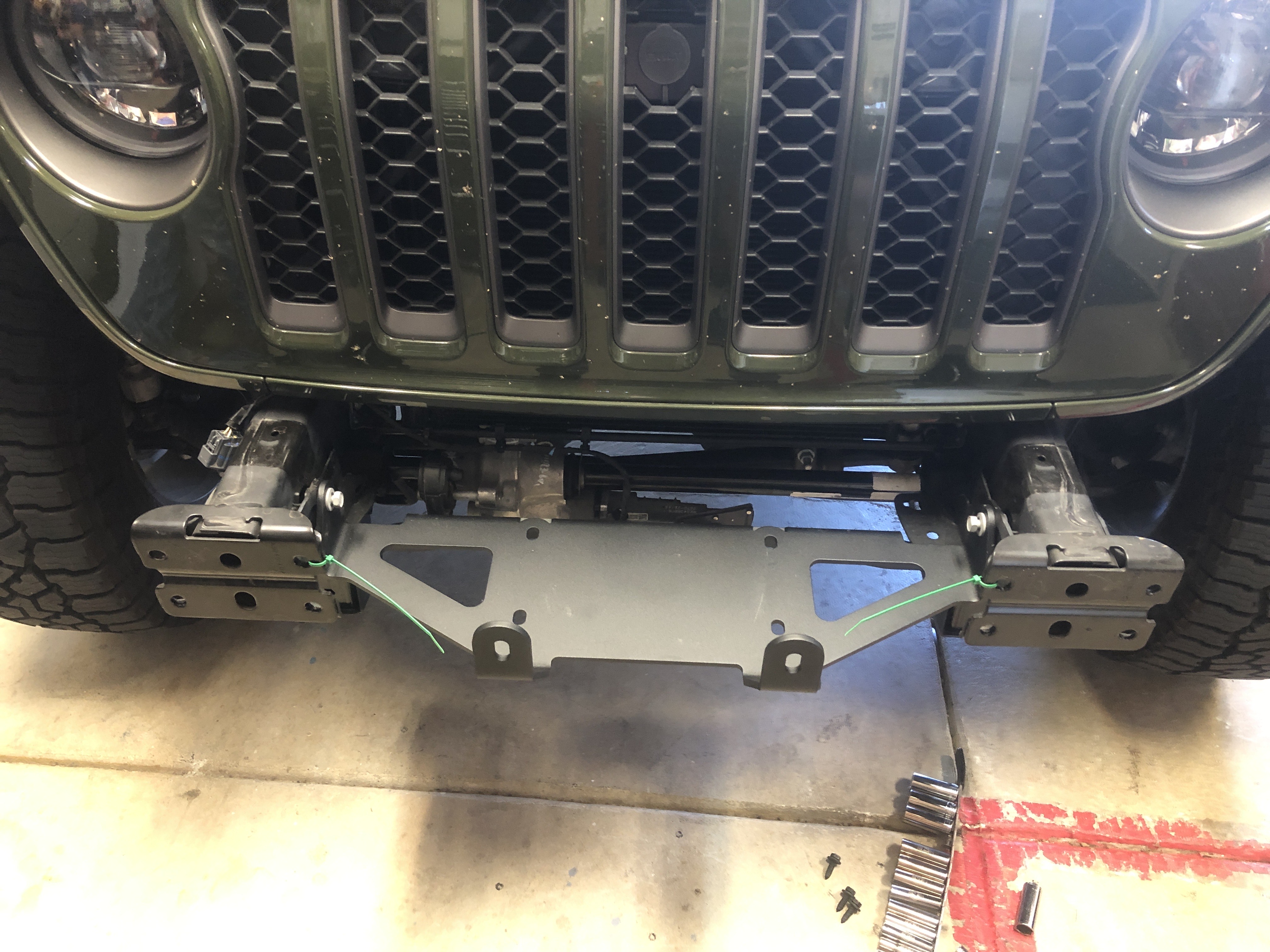
Some Jeeps need the bumper taken off to access mounting points. Use your socket wrench to remove bolts. Keep bolts organized for reassembly.
2. Attach The Winch Mounting Plate
Position the mounting plate according to your Jeep model. Ensure it’s centered and lines up with factory holes. If holes don’t match, carefully drill new holes—double-check measurements before drilling.
Here’s a comparison of two common mounting options:
| Mounting Option | Strength | Installation Difficulty |
|---|---|---|
| Bumper Mount | Good | Easy |
| Frame Mount | Best | Moderate |
3. Secure The Winch
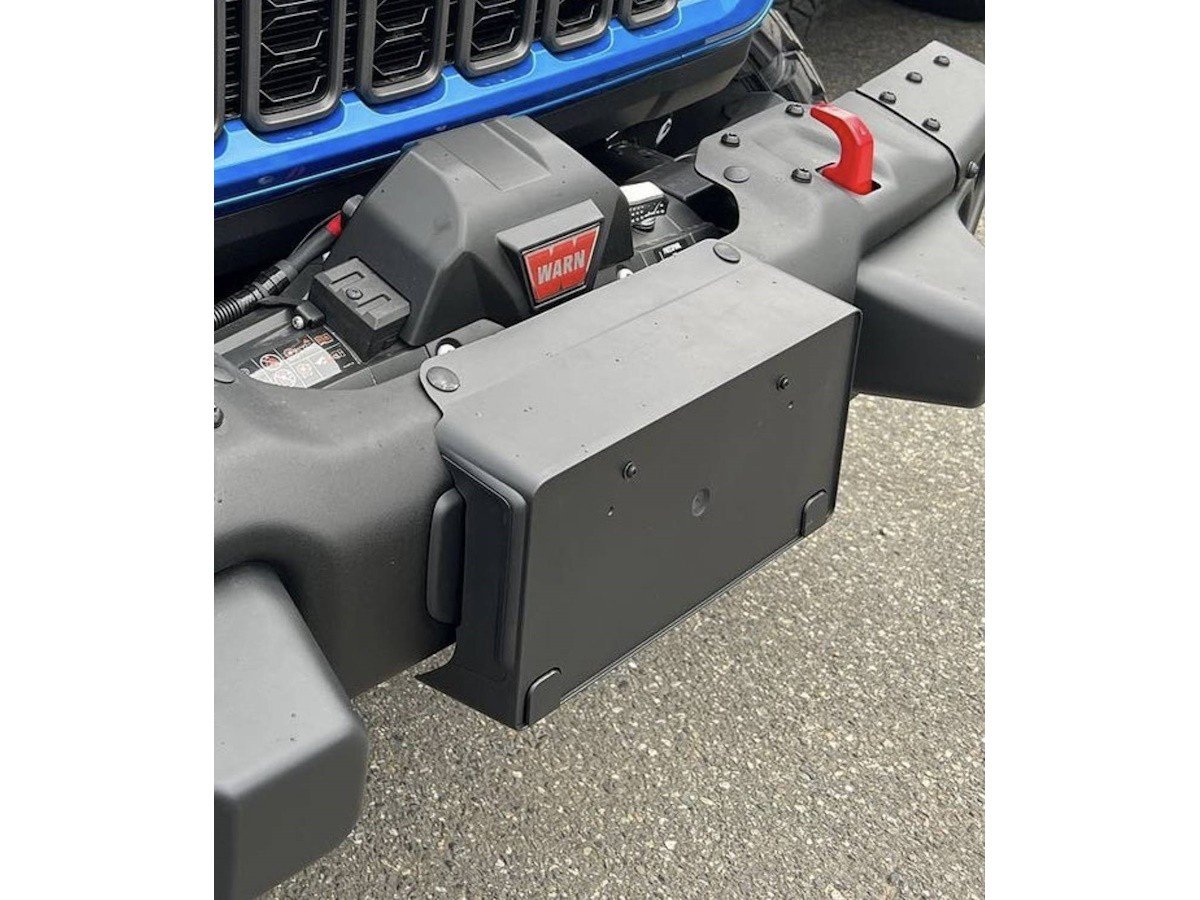
Lift the winch onto the mounting plate. It’s best to have a friend help—winches are heavy (often 60–80 pounds). Align the bolt holes, insert bolts, and tighten using a torque wrench. Over-tightening can damage threads, while loose bolts can cause the winch to move or fall.
4. Install The Fairlead
The fairlead guides the winch rope or cable. For synthetic rope, use a roller or aluminum fairlead. Attach it to the mounting plate or bumper, making sure bolts are secure.
5. Wiring The Winch
Most winches connect directly to the battery. Route cables away from moving parts and hot surfaces.
- Connect the positive cable (usually red) to the battery’s positive terminal.
- Connect the negative cable (usually black) to the battery’s negative terminal.
- Attach the control box according to the instructions.
Some models require additional ground or remote switch wiring. Always follow the manufacturer’s diagram.
6. Testing The Winch
Reconnect the battery. Use the remote to spool the rope in and out.
Watch for smooth movement and listen for unusual sounds.
If the winch doesn’t work:
- Check cable connections.
- Inspect the fuse (some winches have inline fuses).
- Review the manufacturer’s troubleshooting guide.
Non-obvious tip: Always use a winch blanket or damper when testing, even in your driveway. If the rope snaps, the blanket reduces recoil risk.
Safety Tips For Winch Installation
- Wear gloves when handling cables or ropes to prevent cuts.
- Never work alone when lifting heavy winches or bumpers.
- Don’t route wires near sharp edges—they can cut through insulation and cause shorts.
- Use eye protection when drilling or handling steel cables.
One mistake beginners make: skipping the torque wrench. Hand-tight bolts often loosen after vibration. Always follow torque specs.
Here’s a safety comparison:
| Action | Risk Level | Safety Tip |
|---|---|---|
| Lifting winch | High | Use two people |
| Drilling metal | Medium | Wear glasses |
| Wiring battery | Medium | Disconnect before wiring |
Final Checks And Maintenance
After installation, check all bolts and connections. Drive slowly over bumps to test for movement.
After your first winch use, re-check bolts and wiring.
Maintain your winch by:
- Inspecting the rope or cable for frays
- Cleaning mud or debris off the winch
- Lubricating moving parts as suggested by the manufacturer
If you want more details on Jeep winch installation, visit the Jeep Official Site.
Frequently Asked Questions
How Do I Know Which Winch Size Is Right For My Jeep?
Multiply your Jeep’s weight by 1. 5.
That’s your minimum winch rating. For a 4,000-pound Jeep, choose at least a 6,000-pound winch.
Is Synthetic Rope Better Than Steel Cable?
Synthetic rope is safer and lighter but can be damaged by heat and UV. Steel cable lasts longer in rough conditions but can recoil dangerously if it snaps.
Can I Install A Winch Myself Or Do I Need A Professional?
Most Jeep owners can install a winch with basic tools. If your Jeep needs custom mounting or wiring, a professional can help avoid mistakes.
What Should I Do If My Winch Stops Working After Installation?
Check cable connections, the fuse, and make sure the battery is fully charged. Review the manufacturer’s troubleshooting steps.
How Often Should I Inspect My Winch?
Check your winch before and after every off-road trip. Inspect the rope, bolts, and wiring for damage or wear.
Adding a winch to your Jeep is a practical upgrade for off-road safety. If you follow these steps and tips, you’ll install your winch securely and enjoy years of reliable service.
Always use proper tools, double-check your work, and respect safety guidelines.
With careful installation, your winch will be ready when you need it most.