Installing wheel spacers on your Jeep can improve stability, give a wider stance, and allow for bigger tires. Many Jeep owners want this upgrade, but doing it right means more than just bolting parts on. If you’re new to this, don’t worry. With the right approach and a little patience, you can install wheel spacers safely and get better performance from your Jeep.
Understanding Wheel Spacers
Wheel spacers are metal discs that fit between your Jeep’s wheels and the hub. They push the wheels outward, increasing the space between the tires and the vehicle body. This gives your Jeep a more aggressive look and can help with handling—especially off-road.
There are two main types:
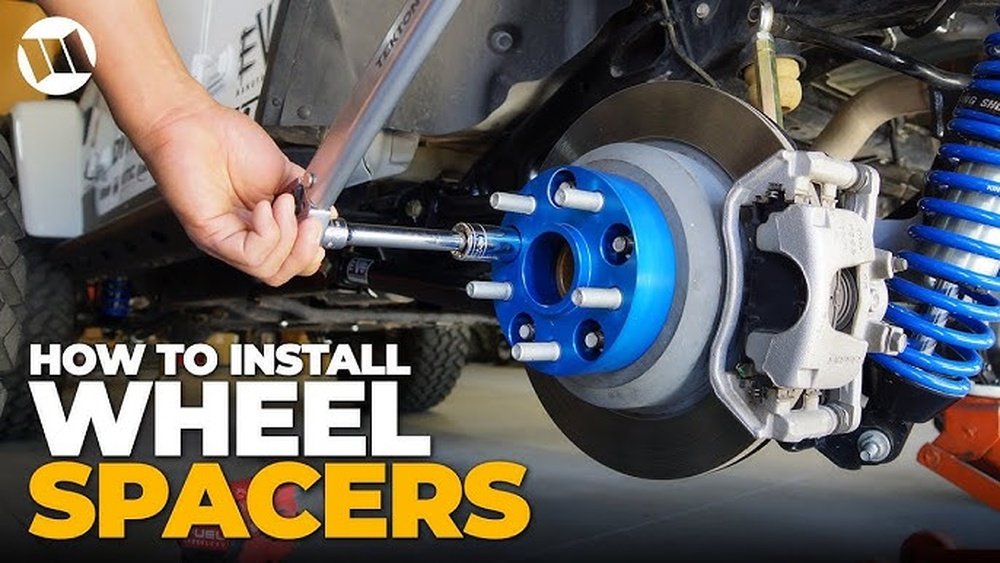
- Bolt-on spacers: Attach directly to the hub and have their own set of studs.
- Slip-on spacers: Slide onto the existing studs; you may need longer studs.
If you want to compare the two quickly:
| Type | Installation | Strength | Common Use |
|---|---|---|---|
| Bolt-on | Moderate | High | Off-road, heavy-duty |
| Slip-on | Easy | Medium | Street, light-duty |
Bolt-on spacers are usually better for Jeeps because they offer more strength and safety.
What You Need Before Installing
Before starting, gather these tools and items:
- Wheel spacers (correct size for your Jeep)
- Socket wrench and torque wrench
- Jack and jack stands
- Breaker bar
- Thread locker (optional, for extra security)
- Gloves and safety glasses
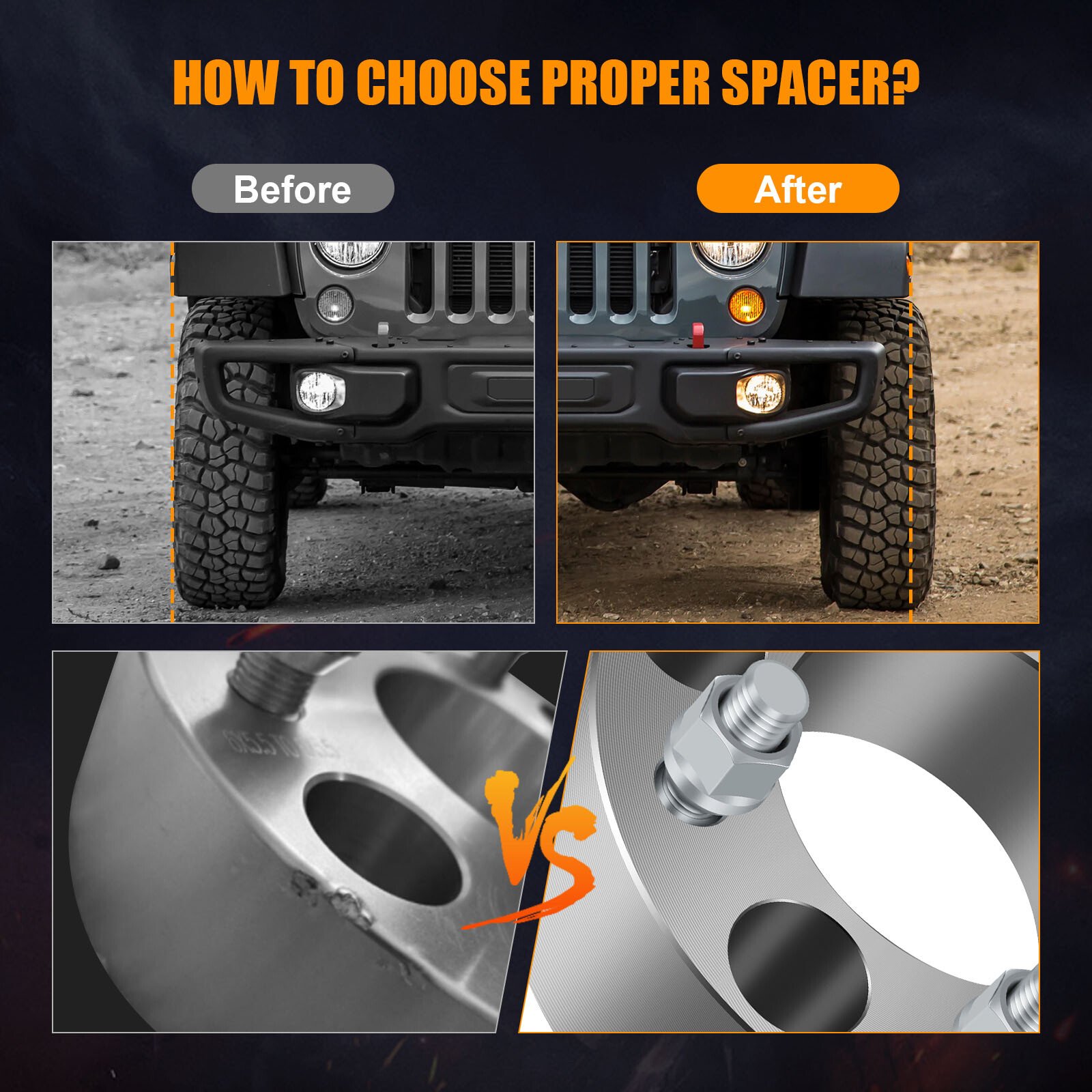
Check your Jeep’s manual for stud size and torque specs. Choosing the wrong spacer thickness (like 2-inch versus 1-inch) can affect steering and tire wear. Here’s a useful comparison:
| Spacer Thickness | Effect on Handling | Recommended Tire Size |
|---|---|---|
| 1 inch | Minimal change | Up to 33″ |
| 2 inch | Noticeable improvement | Up to 35″ |
Step-by-step Guide To Installing Wheel Spacers
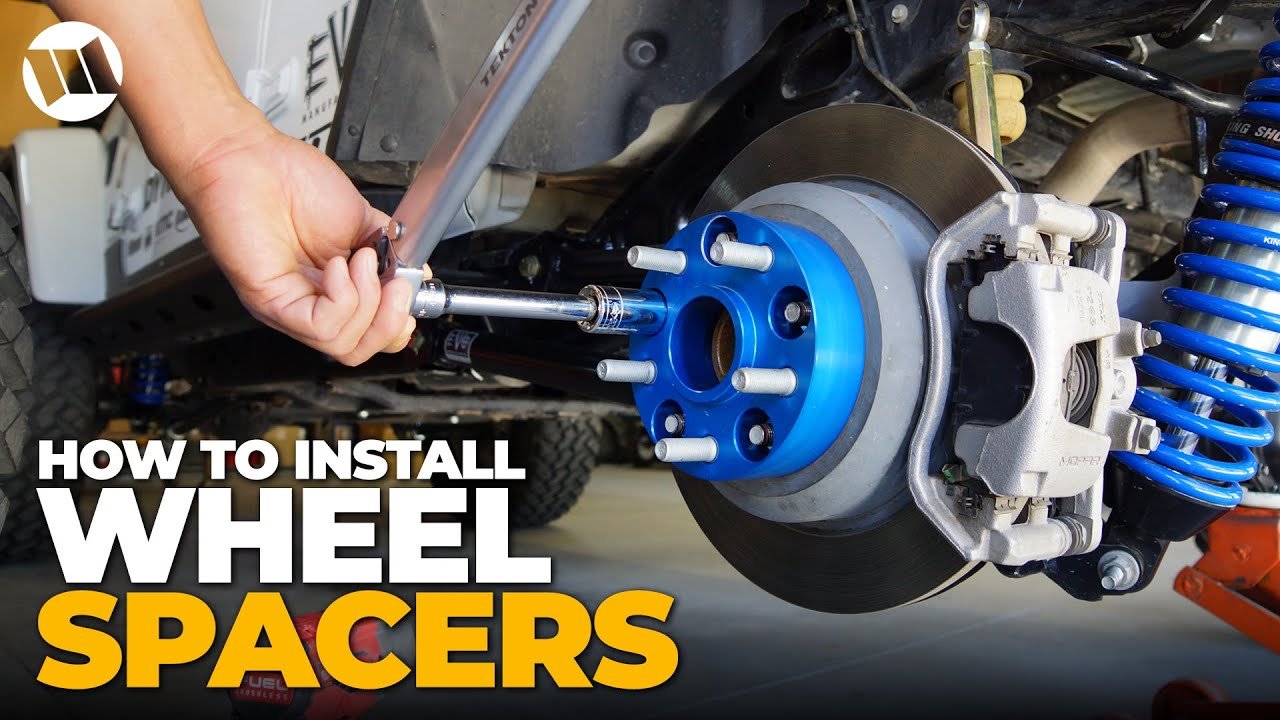
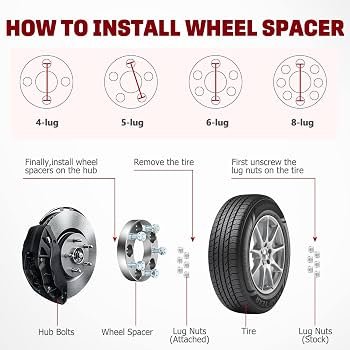
Installing wheel spacers is straightforward if you follow each step carefully.
1. Park And Prepare
- Park your Jeep on a flat surface.
- Set the parking brake.
- Loosen the lug nuts on the wheels you want to install spacers on (don’t remove them yet).
2. Lift The Jeep
- Use a jack to lift the Jeep.
- Place jack stands under the frame for safety.
- Remove the wheels.
3. Clean The Hub
- Wipe off dirt, rust, or old grease from the hub surface.
- A clean surface ensures the spacer sits flush.
4. Test Fit The Spacer
- Place the spacer onto the hub.
- Check that it fits snugly and the holes line up.
- If you use bolt-on spacers, secure them with the supplied nuts.
5. Apply Thread Locker (optional)
- For extra safety, you can put a small amount of thread locker on the bolts.
6. Tighten Spacer Bolts
- Tighten the nuts or bolts with a torque wrench.
- Follow the torque specs from your spacer manufacturer.
- Usually, the range is 90–110 ft-lbs for most Jeep models.
7. Reinstall Wheels
- Put the wheel back on over the spacer.
- Tighten the lug nuts with your hand first, then use the wrench.
8. Lower The Jeep
- Carefully remove the jack stands.
- Lower the Jeep to the ground.
9. Final Torque Check
- Use the torque wrench to tighten all lug nuts to the recommended specs.
- Tightening in a star pattern helps prevent warping.
10. Repeat For Other Wheels
- Go through the same steps for each wheel.
Common Mistakes To Avoid
Many beginners make mistakes that can lead to problems later. Here are a few you should watch out for:
- Ignoring torque specs: Not tightening bolts to the correct level can cause wheel vibration or even loss.
- Using wrong spacer size: Too thick can cause tire rubbing; too thin gives little benefit.
- Skipping hub cleaning: Dirt between the hub and spacer can lead to uneven fit.
- Not rechecking after installation: Always check torque again after driving 50–100 miles.
- Mixing brands: Using spacers and lug nuts from different brands can cause fitting issues.
Real-world Example
Let’s say you own a Jeep Wrangler and want to fit 35-inch tires. You choose 2-inch bolt-on spacers. After installation, your Jeep’s stance widens by 4 inches total (2 inches per side). Handling feels more stable, and there’s less risk of tires rubbing the fender.
A survey from Jeep forums shows that over 70% of Jeep owners who use wheel spacers report improved appearance and off-road performance. However, about 15% experience vibration or noise—usually due to incorrect installation or poor-quality spacers.
Practical Tips For Better Results
- Buy hub-centric spacers for best alignment.
- Check spacers every oil change for looseness.
- Don’t over-tighten bolts—it can damage the studs.
- Avoid cheap, unbranded spacers. Quality matters for safety.
- If you drive aggressively or off-road, inspect spacers more often.
For more details on wheel spacer safety, see this official resource: Tire Rack.
Frequently Asked Questions
Will Wheel Spacers Affect My Jeep’s Warranty?
Most Jeep warranties don’t cover damage caused by aftermarket parts like spacers. Check with your dealer before installing.
Can I Use Wheel Spacers With Stock Wheels?
Yes, you can use wheel spacers with stock wheels, but make sure they are the correct size and type for your Jeep model.
How Often Should I Check Wheel Spacer Bolts?
Check spacer bolts after the first 50–100 miles, then every oil change or after rough off-road trips.
Are Wheel Spacers Legal In The Us?
Wheel spacers are legal in most states, but some have restrictions. Always check local laws before installing.
Do Wheel Spacers Cause Tire Wear?
Wheel spacers can cause extra tire wear if installed incorrectly or if you choose the wrong thickness. Proper installation minimizes this risk.
Installing wheel spacers on your Jeep is a great upgrade, but it demands careful work and the right parts. With these steps, tips, and checks, you’ll enjoy a safer, better-looking ride.
Always check your work and drive responsibly your Jeep and your safety depend on it.


















