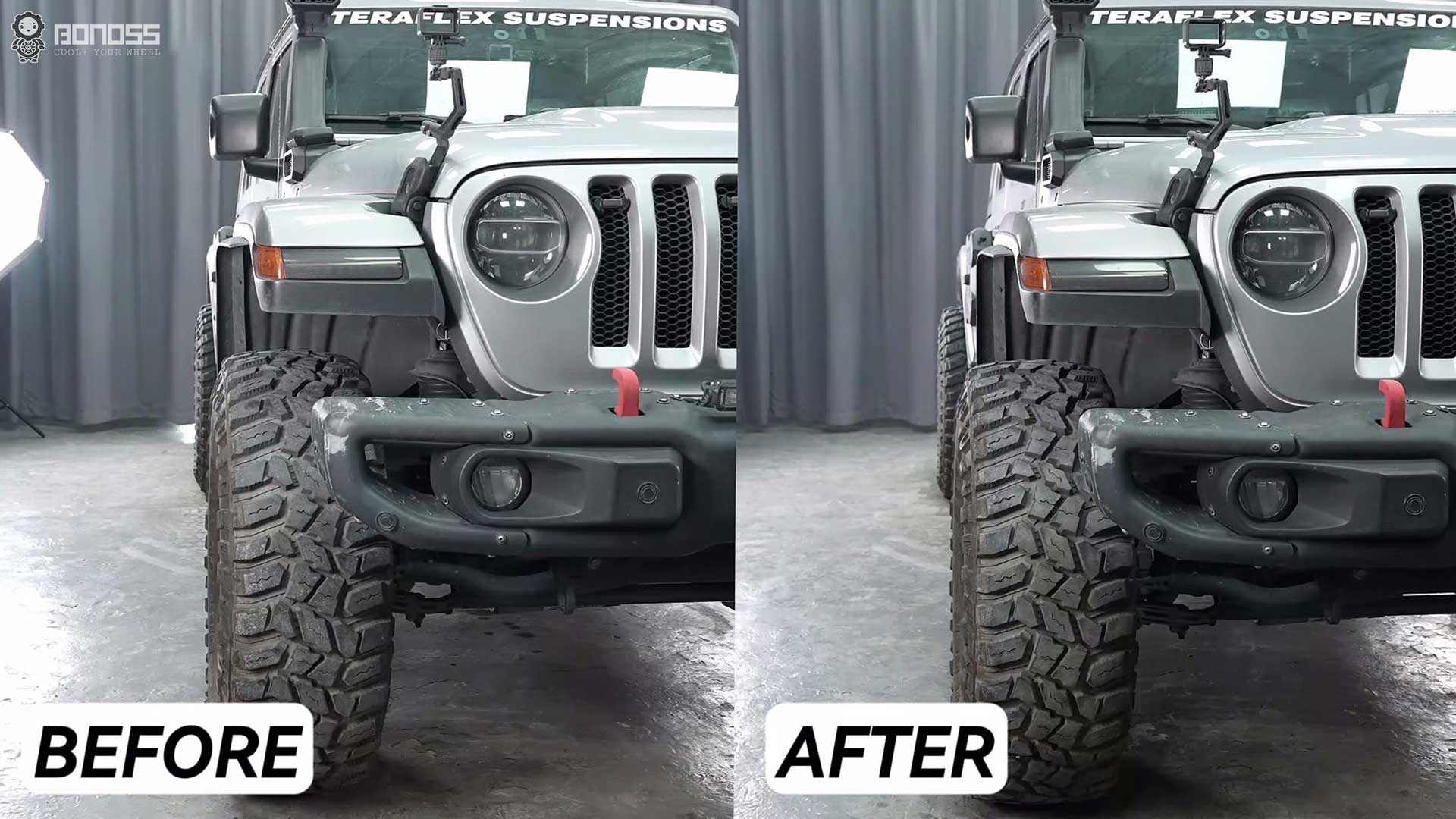
Installing wheel spacers on your Jeep Wrangler can give your vehicle a wider stance, improve stability, and allow you to fit larger tires. Many Jeep owners add wheel spacers to get that aggressive off-road look or prevent tire rubbing after upgrading to bigger wheels.
But if you’ve never done this before, it can be confusing and even risky if not done right. This guide will walk you through the whole process step by step, with tips and warnings to help you avoid common mistakes.
What Are Wheel Spacers And Why Use Them?
Wheel spacers are metal discs that fit between your Jeep’s wheel and hub. Their main job is to push the wheels outward, increasing the distance between the left and right wheels.
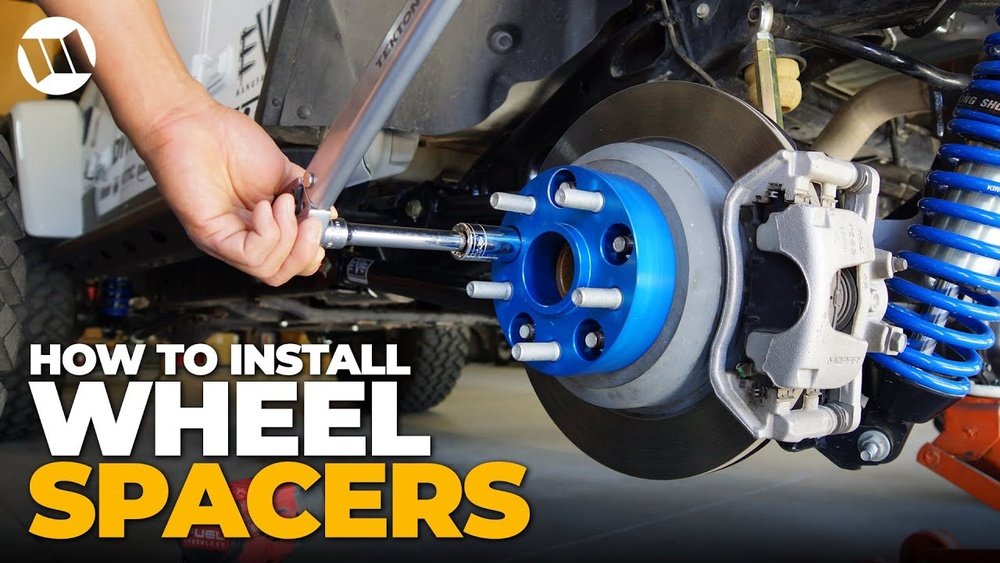
This small change can make a big difference in both looks and performance.
Some benefits of installing wheel spacers include:
- Wider stance for better handling and stability
- More clearance for larger tires
- Preventing tire rubbing against suspension or fender parts
However, using poor quality spacers or installing them incorrectly can lead to vibration, wheel wobble, or even dangerous wheel detachment. Always buy spacers that match your Jeep’s specs and use strong, trusted brands.
What You’ll Need
Before starting, gather these tools and parts:
- Wheel spacers (correct size for Jeep Wrangler, usually 1.25”–2” thick)
- Socket set and ratchet
- Torque wrench
- Breaker bar (for tight lug nuts)
- Jack and jack stands
- Wire brush (for cleaning surfaces)
- Anti-seize compound (optional, helps prevent rust)
- Thread locker (medium strength)
Check your Jeep’s manual or wheel spacer instructions for exact torque specs and procedures.
Step-by-step: How To Install Wheel Spacers
- Park Safely and Prepare
- Find a flat surface and set the parking brake.
- Loosen lug nuts on one wheel by half a turn while the Jeep is still on the ground.
- Lift the Vehicle
- Use a jack to raise the Jeep and secure it with jack stands.
- Remove the loosened lug nuts and take off the wheel.
- Clean the Hub Surface
- Use a wire brush to clean the hub area where the spacer will sit.
- Dirt or rust here can cause vibrations or prevent the spacer from sitting flat.
- Apply a small amount of anti-seize on the hub if you live in a snowy or wet area.
- Install the Wheel Spacer
- Place the spacer onto the hub, lining up the holes.
- If your spacers are hub-centric, the center ring should fit snugly over the Jeep’s hub.
- Apply thread locker to the spacer’s supplied bolts (not the lug nuts).
- Tighten Spacer Bolts
- Hand-tighten the spacer bolts first.
- Use a torque wrench to tighten them in a star pattern to the recommended setting (often 90–110 ft-lbs, but check your spacer’s manual).
- Reinstall the Wheel
- Place the wheel onto the spacer, then add your lug nuts.
- Tighten the lug nuts by hand first, then use a torque wrench to finish, following your Jeep’s specification (usually 95–115 ft-lbs).
- Repeat for Each Wheel
- Lower the Jeep, move to the next wheel, and repeat the process.
- Re-Torque After Driving
- After 50–100 miles of driving, recheck and re-torque all spacer and lug nuts.
Example: Torque Specification Table
Here’s a quick reference for typical torque specs (but always check your own Jeep’s manual):
| Component | Torque Spec (ft-lbs) |
|---|---|
| Wheel Spacer Bolts | 90–110 |
| Lug Nuts | 95–115 |
Choosing The Right Wheel Spacers
Not all spacers are created equal. Picking the right type is crucial for both safety and performance.
| Type | Pros | Cons |
|---|---|---|
| Hub-Centric | Best alignment, less vibration | Usually more expensive |
| Lug-Centric | Cheaper, easier to find | Can cause vibration if not installed perfectly |
Most experts recommend hub-centric spacers for the Jeep Wrangler because they fit tightly over the hub, reducing stress on the studs and preventing vibration.

Common Mistakes To Avoid
Many beginners make these mistakes:
- Not torquing bolts properly – Always use a torque wrench. Guessing is risky.
- Skipping the cleaning step – Even a thin layer of rust or dirt can cause uneven seating.
- Using cheap spacers – Low-quality spacers can crack or fail.
- Forgetting to re-torque – Spacer and lug nuts can loosen after the first drives.
A non-obvious tip: check if your wheel studs stick out past the spacer face. If they do, make sure your wheels have pockets or remove some material—otherwise, the wheel won’t seat flat.
Do Wheel Spacers Affect Your Jeep’s Performance?
Adding spacers changes your Jeep’s track width. A wider track can improve stability, especially off-road or on curves. But there are trade-offs:
- The extra width may increase wear on wheel bearings over time.
- Your steering may feel a bit heavier.
- Some states have laws about tire coverage—make sure your tires don’t stick out too far.
Insurance and warranty can also be affected if spacers are not installed correctly or cause damage. Always keep your receipts and follow manufacturer instructions.
Frequently Asked Questions
How Thick Should Wheel Spacers Be For A Jeep Wrangler?
Most Jeep owners use 1.25” to 1.5” spacers. This is enough for better clearance and stance without stressing suspension parts. Measure your tire and rim setup before buying.
Are Wheel Spacers Safe For Daily Driving?
Yes, if you use high-quality, hub-centric spacers and install them correctly. Cheap or poorly installed spacers can be dangerous.
Do I Need To Get An Alignment After Installing Spacers?
Not always, but it’s a good idea. Spacers don’t change alignment directly, but the wider stance can highlight existing problems.
Get an alignment if your Jeep pulls to one side or you notice uneven tire wear.
Can I Install Spacers Myself Or Should I See A Mechanic?
Many Jeep owners install spacers at home with basic tools. However, if you’re unsure about torque specs or safety, a professional mechanic is a smart choice.
Where Can I Find More Detailed Jeep Wheel Spacer Guides?
Check out the official Jeep website for more information and product recommendations.
Installing wheel spacers on your Jeep Wrangler isn’t hard, but attention to detail is key. Take your time, use the right tools, and always double-check your work. The reward is a tougher-looking Jeep that handles better on and off-road.