Upgrading your Jeep’s wheels can improve its look and performance, but sometimes the new wheels don’t fit perfectly. This is where wheel adapters come in. They allow you to change the bolt pattern, offset, or spacing, making it possible to install wheels that wouldn’t normally fit your Jeep. Installing wheel adapters is a task many Jeep owners can do at home with some simple tools, but it’s important to do it right for safety and performance. This guide will show you the best way to install Jeep wheel adapters, share tips to avoid common mistakes, and help you decide if adapters are the right choice for your vehicle.
What Are Jeep Wheel Adapters And Why Use Them?
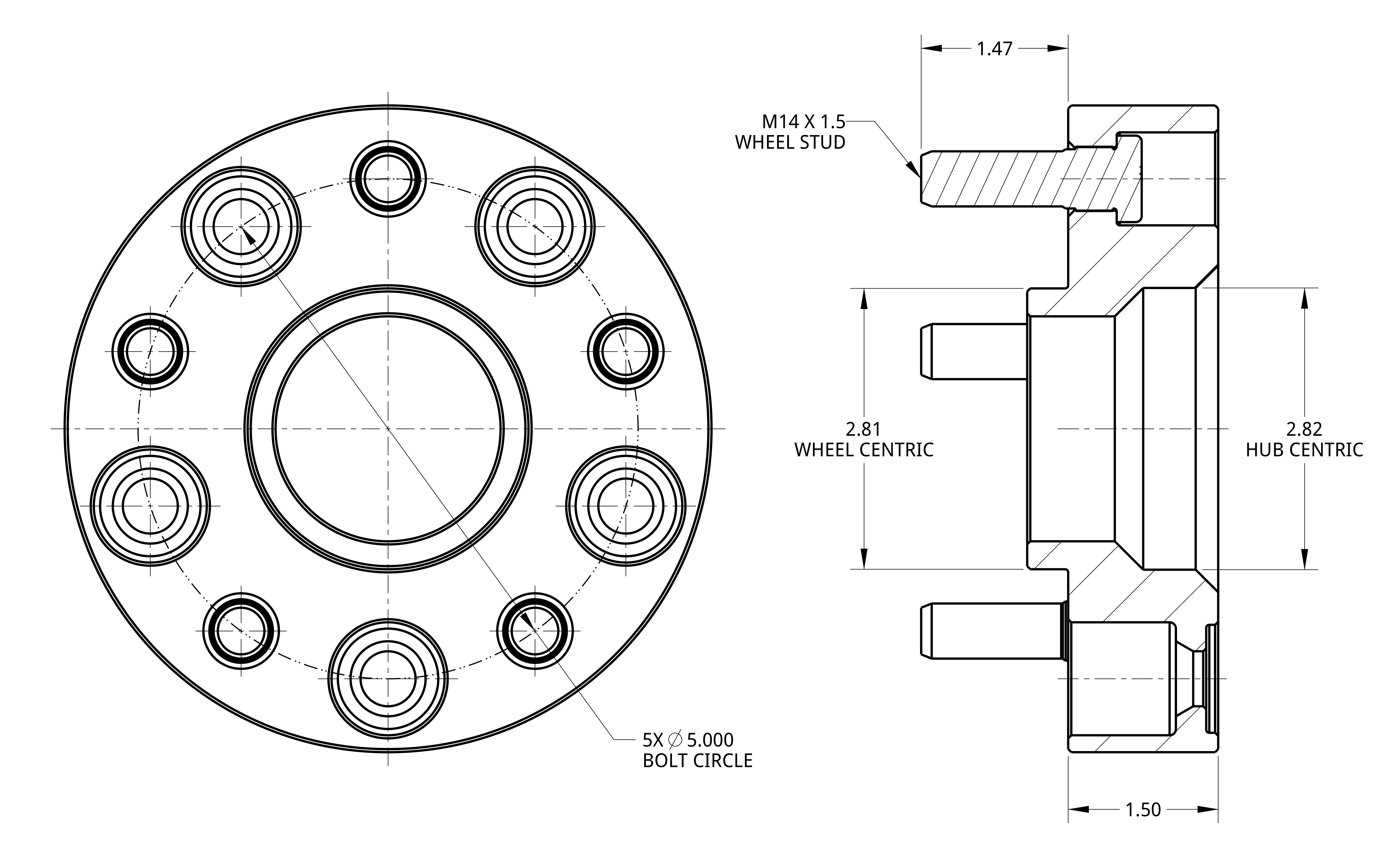
Wheel adapters are metal plates that fit between your Jeep’s hub and the wheel. They serve two main purposes:
- Change bolt pattern: If your new wheels have a different pattern than your Jeep, adapters make them fit.
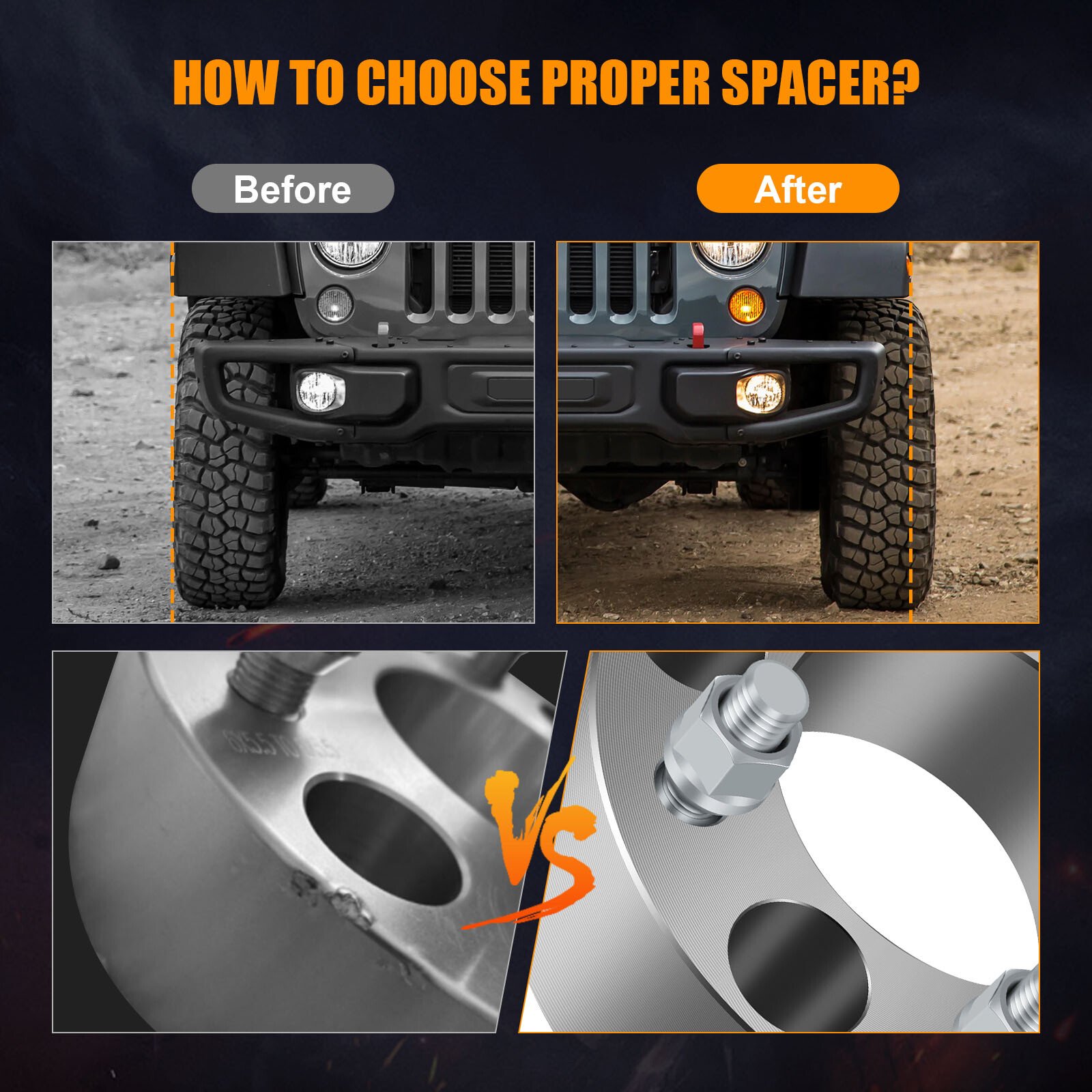
- Adjust wheel offset: Adapters push the wheels out further, giving your Jeep a wider stance and sometimes preventing tires from rubbing.
Jeep owners often use wheel adapters when upgrading to aftermarket wheels, especially those from other vehicle brands or wider tires for off-roading.
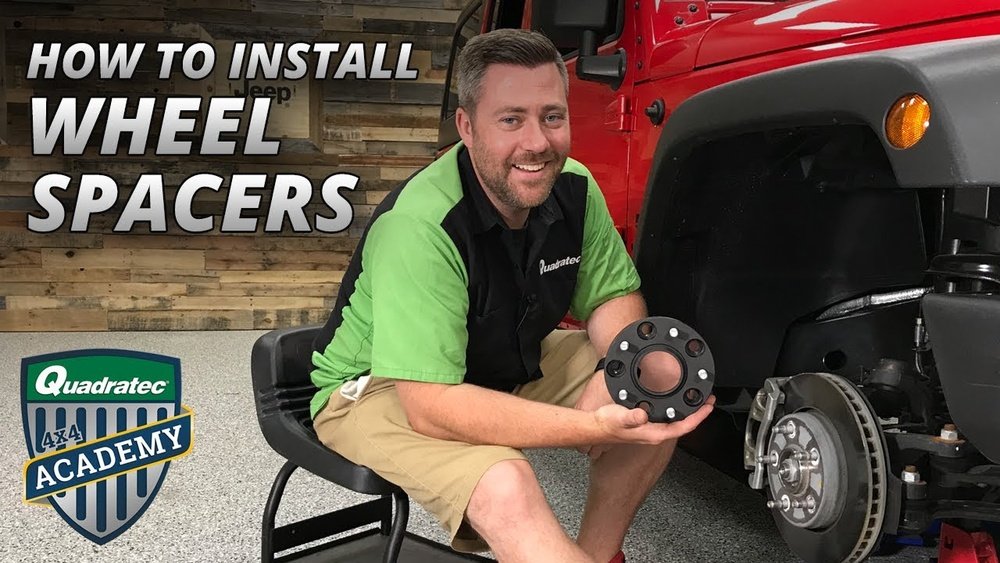
Here’s a quick comparison of what wheel adapters can and cannot do:
| Feature | Wheel Adapter | Wheel Spacer |
|---|---|---|
| Change bolt pattern | Yes | No |
| Increase track width | Yes | Yes |
| Correct offset | Yes | Yes |
| Add mounting surface | Yes | No |
Tools And Materials Needed
Before starting, gather these items:
- Wheel adapters (correct size and bolt pattern)
- Floor jack and jack stands
- Lug wrench or impact gun
- Torque wrench
- Wire brush
- Thread locker (medium strength)
- Gloves and safety glasses
Always double-check that the wheel adapter size matches both your Jeep’s hub and the wheels you plan to use.
Step-by-step Guide To Installing Jeep Wheel Adapters
1. Park And Prepare
Park your Jeep on a flat, hard surface. Engage the parking brake and place wheel chocks behind the tires for safety. Wear gloves and safety glasses for protection.
2. Lift The Jeep And Remove Wheels
Use a floor jack to lift the Jeep and support it securely with jack stands. Never work under a Jeep held up by only a jack.
Use a lug wrench to remove the wheel’s lug nuts and take off the wheel.
3. Clean The Hub Surface
Use a wire brush to clean any rust or debris off the hub. A clean, flat surface ensures the adapter sits flush, reducing the risk of vibration or loosening over time.
4. Test Fit The Adapter
Place the wheel adapter onto the hub. Check that the holes line up and the adapter sits flat.
If it doesn’t fit perfectly, do not force it double-check the size and bolt pattern.
5. Apply Thread Locker
Add a drop of medium-strength thread locker to each of the Jeep’s hub studs. This helps prevent the adapter nuts from loosening due to vibration.
6. Install The Adapter
Mount the adapter onto the hub. Install the provided nuts and tighten them by hand in a star pattern.
7. Torque The Nuts
Using a torque wrench, tighten each nut to the manufacturer’s recommended torque (usually 85 100 ft-lbs, but check your adapter’s manual). Always use a star pattern to ensure even pressure.
8. Reinstall The Wheel
Place your wheel onto the adapter’s studs. Hand-tighten the lug nuts, then torque them to the correct specification using a star pattern.
9. Repeat And Lower The Jeep
Repeat the process for each wheel that needs an adapter. Once all adapters and wheels are installed, carefully lower the Jeep to the ground.
10. Re-torque After Driving
After driving 50 100 miles, re-torque all adapter and wheel lug nuts. This step is often missed but is critical to safety, as the nuts may settle after initial use.
Key Tips For Safe Installation
- Never stack adapters or spacers. One per wheel is safe, but stacking increases risk.
- Always buy adapters made from forged aluminum for strength.
- Do not use air tools for final tightening; use a torque wrench.
- Check your local laws; some places have rules about wheel modifications.
Here’s a quick look at the benefits and potential drawbacks of using wheel adapters:
| Pros | Cons |
|---|---|
| Fit more wheel types | Extra moving parts can loosen |
| Wider stance improves stability | May increase stress on suspension |
| Easy to install and remove | Possible legal restrictions |
Common Mistakes To Avoid
- Skipping the re-torque: Failing to re-torque after initial driving is a leading cause of adapter failure.
- Incorrect torque: Over-tightening or under-tightening can damage the adapter or cause it to loosen.
- Using cheap adapters: Low-quality materials can crack or fail. Always choose reputable brands.
- Ignoring wheel fitment: Some wheels have pockets or shapes that may not fit adapters. Always test fit before final installation.
- Not cleaning the hub: Even a small amount of rust or dirt can prevent proper seating.
When Are Wheel Adapters Not Recommended?
While adapters are useful, they are not always the right solution. If you plan to do heavy off-roading, tow large trailers, or use your Jeep for extreme conditions, direct-fit wheels are safer and more reliable. Also, if your Jeep is under warranty, using adapters may void coverage for related parts.
Are Wheel Adapters Safe For Daily Driving?
When installed correctly and checked regularly, quality wheel adapters are safe for daily driving. Many Jeep owners use them for years without problems.
However, regular inspection is key. Always check for signs of loosening, cracks, or unusual noises.
If you want more technical details about wheel adapters and their effects, see this Wikipedia article.
Frequently Asked Questions
What Size Wheel Adapter Do I Need For My Jeep?
You need an adapter that matches your Jeep’s bolt pattern and the wheels you want to install. Measure both carefully and consult the adapter manufacturer’s specifications.
Will Wheel Adapters Affect My Jeep’s Warranty?
In some cases, using adapters may affect warranty coverage for parts like the suspension or hub. Check with your dealer before installing.
How Often Should I Check My Wheel Adapters?
It’s best to check the adapter and wheel nuts every time you rotate your tires or after any off-road trip. At a minimum, inspect them every 5,000 miles.
Can I Use Wheel Adapters With Steel Wheels?
Yes, but make sure the adapter and wheel fit tightly together. Steel wheels can sometimes flex more than aluminum, so proper torque is very important.
Are Wheel Adapters Legal In All States?
Laws vary by state. Some states allow them, while others have restrictions.
Always check your local regulations before installing wheel adapters.
Installing Jeep wheel adapters is a simple way to get the look and performance you want from your wheels. By following these steps, using quality parts, and checking your work, you can enjoy a safer and more versatile ride.