Jeep owners love to add personal touches to their vehicles. One popular upgrade is installing tail light guards. These simple accessories protect your Jeep’s tail lights from rocks, branches, and minor bumps when off-roading. But many drivers hesitate, thinking installation is too tricky or requires special tools. The good news? You can install tail light guards yourself in less than an hour, even with basic tools and minimal experience.
This guide explains how to install Jeep tail light guards step by step. You’ll also learn what to look for when buying guards, common mistakes to avoid, and real differences between popular brands.
Why Install Tail Light Guards On Your Jeep?
Jeep tail lights are exposed and vulnerable. Off-roading, parking in tight spots, or even loading gear can lead to cracks or broken lenses. Replacing a tail light assembly can cost between $150–$400 per side, depending on your Jeep model.
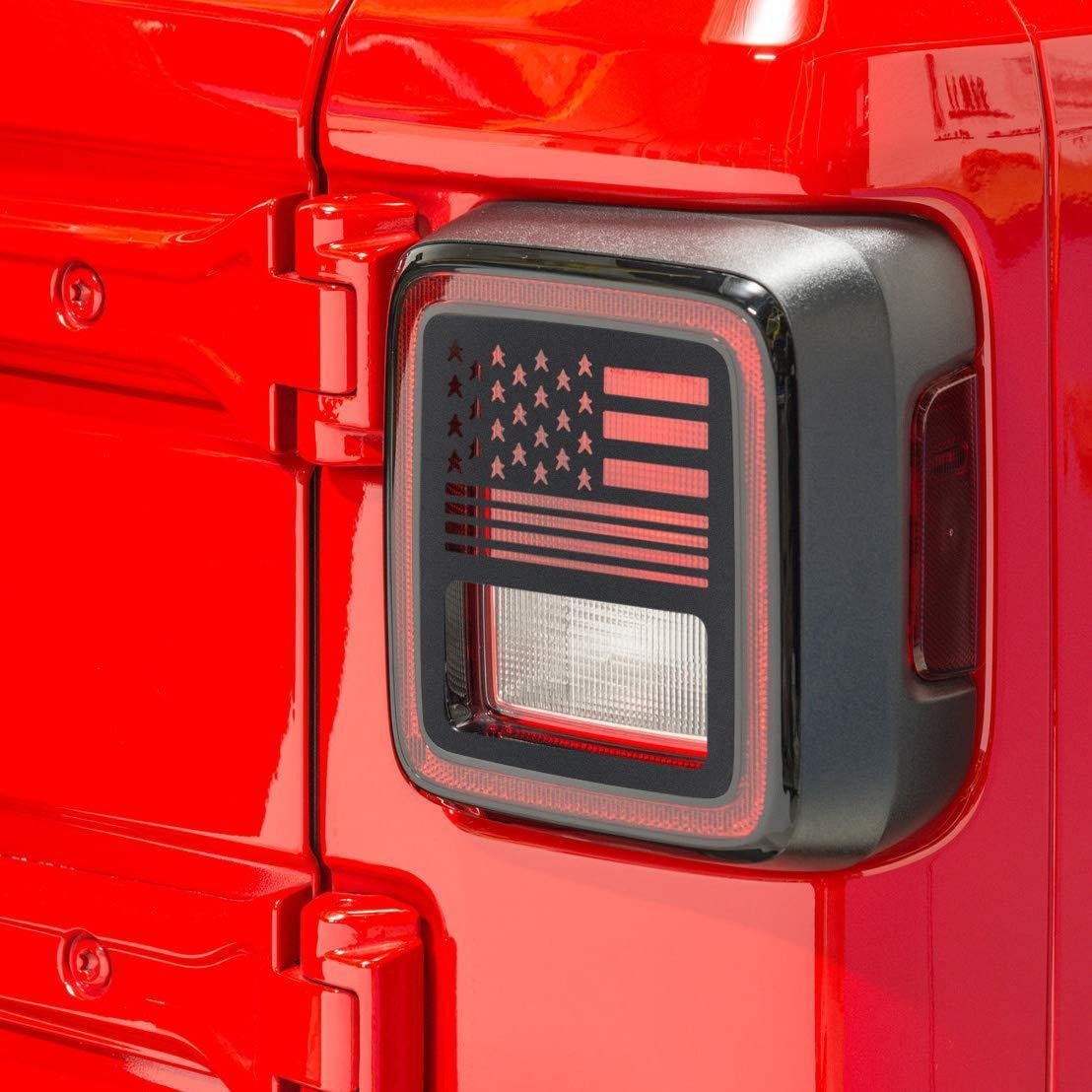
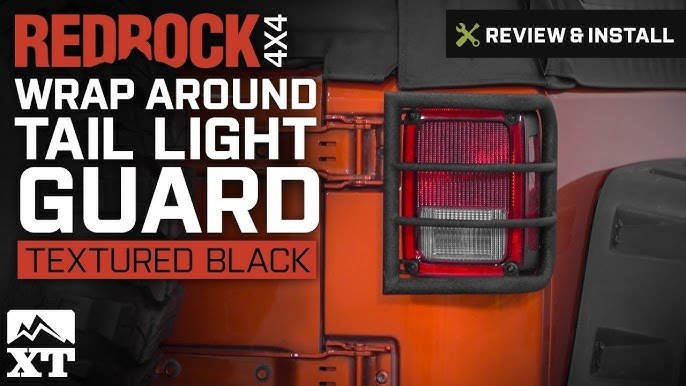
Tail light guards act as a protective shield. They’re usually made of steel or aluminum and bolt directly over the tail lights. Some also add a rugged look that matches other Jeep accessories.
You don’t need to be an expert to add this protection. Many Jeep owners complete the job with just a screwdriver and a little patience.
What You Need Before You Start
Before you begin, gather these items:
- A set of Jeep tail light guards (make sure they fit your Jeep’s year and model)
- Phillips and flathead screwdrivers
- Socket wrench set (usually 8mm or 10mm sockets)
- Clean cloth
- Rust inhibitor spray (optional, for older Jeeps)
- Step ladder or stool (for lifted Jeeps)
It’s smart to check the package for included hardware. Some brands provide screws or spacers, while others use your Jeep’s existing bolts.
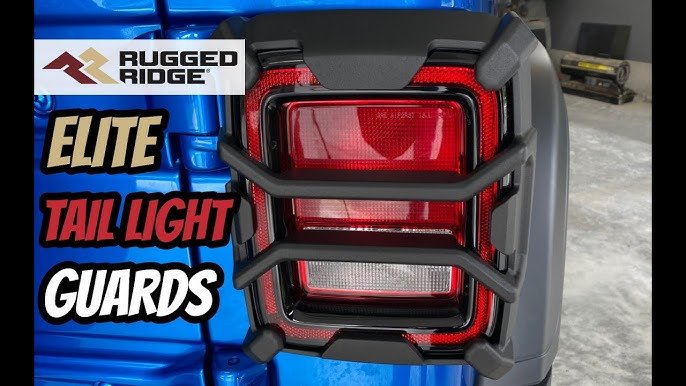
Step-by-step Installation Guide
1. Open The Tailgate
For most Jeeps, opening the tailgate gives you access to the tail light screws. Make sure your Jeep is parked on a level surface and the engine is off.
2. Remove The Tail Light Screws
Use the appropriate screwdriver or socket wrench to remove the screws holding the tail light in place. On many models, there are two to four screws on the outside edge.
3. Clean The Area
Wipe down the surface around the tail light with a clean cloth. Removing dust and debris helps the guard fit flush and prevents scratches.
4. Test-fit The Tail Light Guard
Hold the guard over the tail light to check alignment. Most guards are designed to follow the curve of the lens.
If the fit is too tight or loose, double-check you have the correct model.
5. Install The Guard
Line up the guard’s holes with the tail light screw holes. If the guard comes with spacers, place them between the guard and the vehicle body.
This prevents rattling. Insert the screws (either the original or those provided).
Tighten gently, making sure not to over-torque and crack the plastic.
6. Repeat For The Other Side
Follow the same steps for the opposite tail light.
7. Check Functionality
Test your brake lights, turn signals, and reverse lights. Make sure the guard doesn’t block any part of the lens.
A Quick Comparison: Bolt-on Vs Clamp-on Tail Light Guards
Different brands use different mounting methods. Here’s how they compare:
| Type | Ease of Install | Security | Common Brands |
|---|---|---|---|
| Bolt-On | Easy (uses factory screws) | Very secure | Rugged Ridge, Mopar |
| Clamp-On | Very easy (no tools needed) | Less secure | Rampage, EAG |
Bolt-on guards are recommended for frequent off-roaders, while clamp-on styles work for city driving or temporary use.
What To Look For When Buying Tail Light Guards
Not all tail light guards are equal. Consider these factors before buying:
- Material: Steel guards offer maximum protection but add weight. Aluminum is lighter and resists rust.
- Finish: Powder-coated guards last longer and resist scratches better than painted ones.
- Fit: Make sure the guard is made for your Jeep’s exact year and model. A poor fit leaves gaps or blocks light.
- Design: Some guards are purely functional, while others add style. Choose what matches your Jeep’s look.
Here’s a quick side-by-side comparison of two popular materials:
| Material | Weight | Rust Resistance | Protection Level |
|---|---|---|---|
| Steel | Heavy | Good (if coated) | Excellent |
| Aluminum | Light | Excellent | Good |
Most Jeep owners choose powder-coated steel for trail rigs, while daily drivers often prefer lighter aluminum.
Common Installation Mistakes And How To Avoid Them
Even simple jobs can go wrong. Here are problems beginners face, and how to fix them:
- Over-tightening screws: This can crack the tail light lens. Tighten just until snug.
- Forgetting spacers: If your kit includes rubber or plastic spacers, use them to avoid rattling.
- Blocking the light: Some guards may partially cover the lens. Always check the light function before finishing.
- Mixing up hardware: Keep track of original screws versus new ones. Some guards require longer screws.
A surprising fact: On some Jeep Wrangler models (like the JK), tail light screws are hidden behind the lens. In this case, carefully pop off the lens cover with a flathead screwdriver to reach them.
How To Care For Your Tail Light Guards
A little maintenance goes a long way. Wash the guards with mild soap and water during regular car washes.
Inspect for rust, especially after winter or muddy trips. If you see chips in the coating, touch up with matching paint to prevent corrosion.
For older Jeeps, spraying a rust inhibitor on the mounting area before installation can add years to the life of your guards.
Are Tail Light Guards Worth It?
If you off-road or park in crowded lots, tail light guards can save you hundreds in repair costs. Even for city drivers, they add a rugged look and peace of mind. According to a recent survey, over 65% of Jeep Wrangler owners with tail light guards said they prevented at least one potential break.
Some insurance companies even offer small discounts for added exterior protection, though you should check with your provider.
For more in-depth Jeep accessory reviews, you can visit Quadratec.
Frequently Asked Questions
Do Tail Light Guards Affect My Jeep’s Warranty?
Most guards do not affect your warranty if installed correctly. Always use existing screw holes and avoid drilling.
Will They Fit With Aftermarket Tail Lights?
Some guards are made only for stock lights. Always check with the manufacturer if you have aftermarket or LED tail lights.
Can I Install Tail Light Guards On My Own?
Yes, most people can do this in under an hour using basic hand tools. No special skills are needed.
Do Tail Light Guards Rust Over Time?
Quality guards are powder-coated or made of rustproof materials. Clean regularly and touch up chips to prevent rust.
Are Tail Light Guards Legal In Every State?
In most places, yes, as long as the guard does not block any part of the light. Always test your lights after installation to be sure.
Adding tail light guards is a simple way to protect your Jeep and upgrade its style. With the right tools and a little care, you’ll enjoy years of worry-free driving—on or off the road.