Getting ready to install a Jeep soft top can be exciting, but also a bit confusing for first-timers. A soft top gives your Jeep flexibility for open-air driving, protects you from rain, and often looks sportier than a hard top.
Whether you’re upgrading from a hard top or changing an old soft top, knowing the right steps will save you time and frustration. This guide explains the process, highlights common mistakes, and shares a few tips you won’t find in basic instructions.
Preparing For Installation
Before you start, gather the right tools and make sure you have all the parts. Installing a soft top usually needs:
- Soft top kit (fabric, frame, windows, hardware)
- Screwdriver set
- Torx wrench (most Jeeps use Torx bolts)
- Clean cloth for wiping surfaces
Check your kit for missing or damaged parts. It’s easy to overlook small pieces like clips or brackets.
Lay everything out and check against the instruction sheet. Many beginners skip this step and later discover they’re missing a vital bolt.
For best results, install your soft top in mild weather. Cold temperatures make vinyl and fabric stiff, which can cause tears or poor fit.
If you must work in the cold, heat the fabric with a hair dryer before stretching.
Removing The Hard Top Or Old Soft Top
If your Jeep has a hard top, you need to remove it first:
- Unbolt the hard top using a Torx wrench. Start with the rear bolts and work forward.
- Disconnect the electrical plugs (for rear wiper and defroster).
- With help, lift the top off and set it aside.
If you’re replacing an old soft top, remove the windows and then detach the fabric from the frame. Clean the mounting areas thoroughly.
Dirt or old adhesive can prevent a snug fit and may damage the new top.
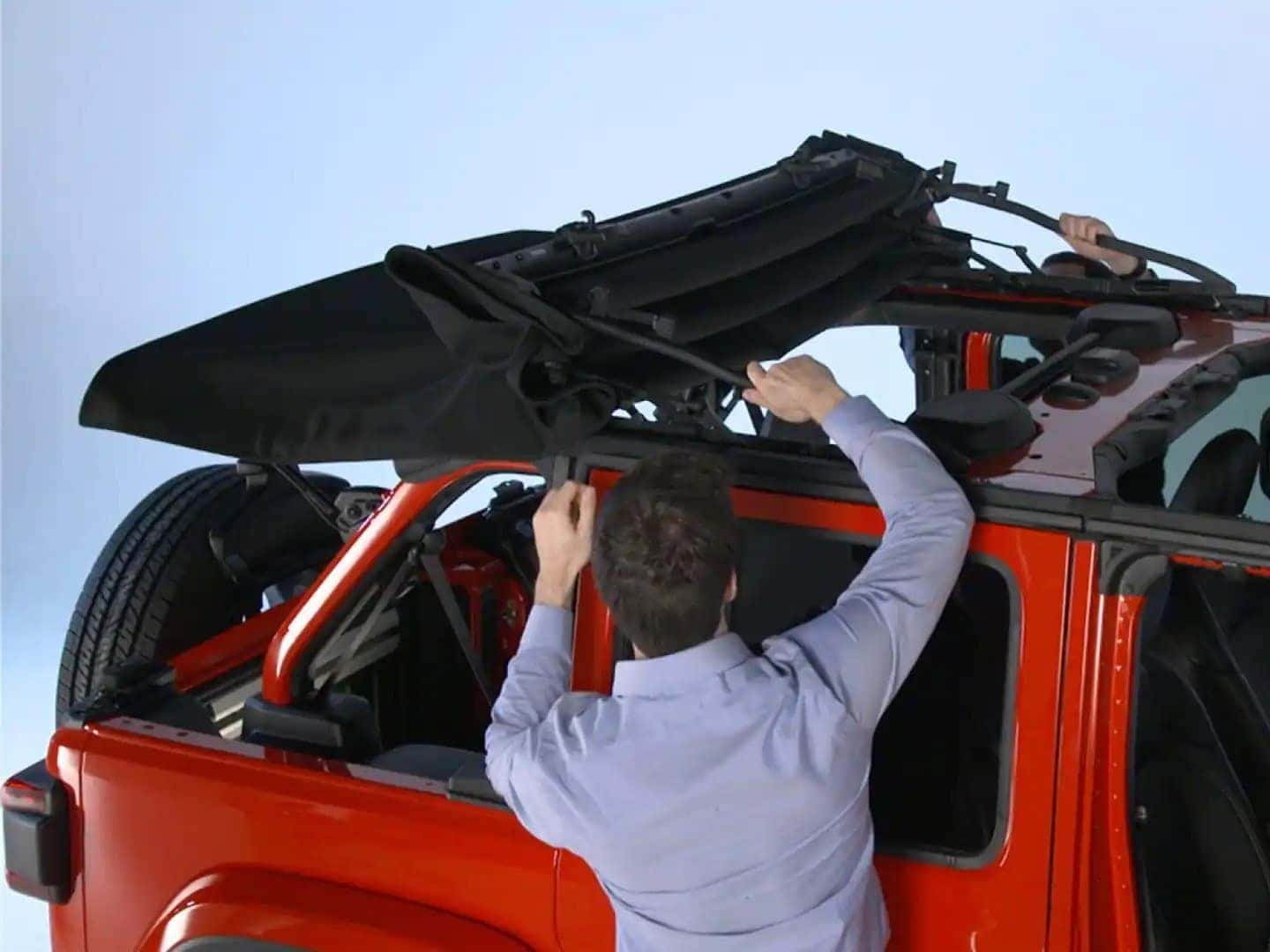
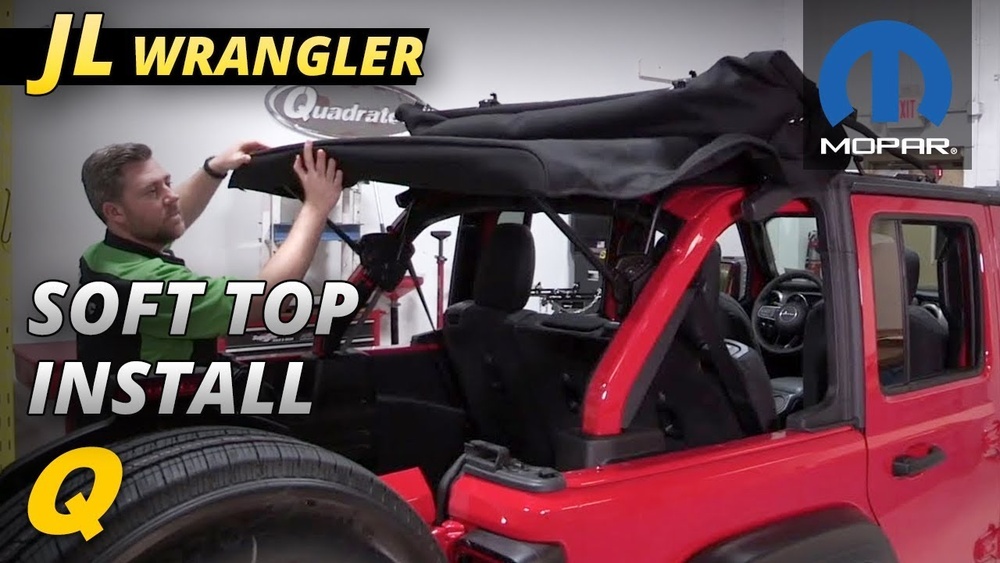
Step-by-step Soft Top Installation
Installing a Jeep soft top involves several steps. Here’s a clear walkthrough:
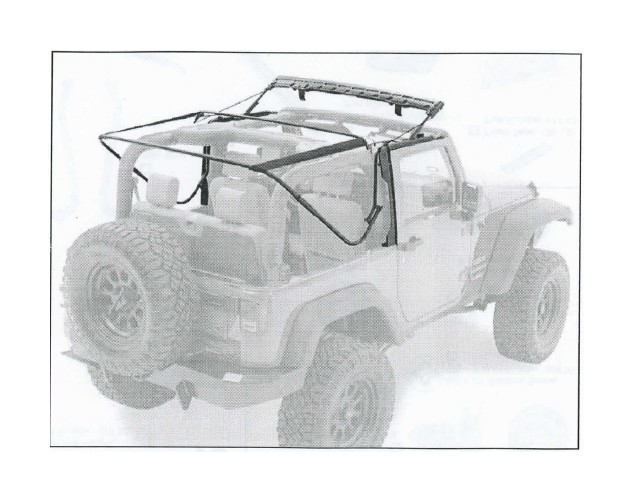
- Assemble the frame: Connect the bows and side rails as shown in your instructions. Secure all bolts tightly but avoid over-tightening.
- Attach the frame to the Jeep: Position the frame in the factory mounting holes. Use the correct screws and brackets. Some models require extra spacers—check your manual.
- Install the fabric: Drape the main top fabric over the frame. Stretch evenly from side to side. Fasten the front edge to the windshield header.
- Secure the side rails: Clip or bolt the side rails to the body. Make sure the fabric sits flat and is not twisted.
- Attach the windows: Slide or zip the side and rear windows into their tracks. Make sure zippers move smoothly. If they stick, use a silicone lubricant.
- Final adjustments: Pull the fabric tight and check for wrinkles. Lock all latches and close the Velcro or snaps.
Here’s a quick comparison of soft top features for popular Jeep models:
| Model | Top Material | Window Type | Installation Time |
|---|---|---|---|
| Wrangler JK | Vinyl | Zippered | 45 min |
| Wrangler JL | Fabric | Slide-in | 60 min |
| Gladiator | Vinyl/Fabric | Snap-on | 75 min |
If you have a two-door Jeep, your installation will be faster and easier. Four-door Jeeps have longer frames and bigger windows, which require extra care to avoid sagging.
Common Mistakes To Avoid
Many Jeep owners make these mistakes the first time:
- Skipping frame alignment: If the frame isn’t straight, the fabric will wrinkle or leak. Always double-check before attaching the fabric.
- Forcing cold fabric: Trying to stretch cold vinyl can cause cracks. Warm it up first.
- Wrong screws: Using the wrong screw size leads to loose mounts or damage. Match screws to the instructions.
- Ignoring window tracks: Dirty tracks make windows hard to slide or zip. Clean them before installing.
Here’s a quick look at frame types and their pros/cons:
| Frame Type | Pros | Cons |
|---|---|---|
| Factory | Easy fit, durable | More expensive |
| Aftermarket | Custom options | May need adjustments |
| No-frame | Lightweight | Less protection |
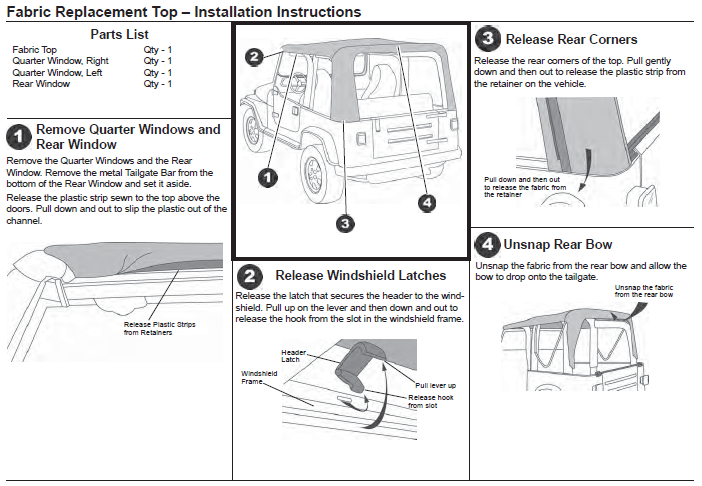
Tips For A Smooth Installation
- Work with a friend. Two people can stretch fabric and hold parts in place much easier.
- Lay out all hardware. Organize bolts and clips before starting. It saves time and prevents mistakes.
- Check fit after each step. Don’t wait until the end—small errors build up.
- Lubricate zippers. Use silicone spray, not oil. Oil attracts dirt and causes jams.
- Keep instructions handy. Even experienced owners can miss details unique to their Jeep model.
One insight many overlook: after installing, drive at low speeds and listen for rattles or wind noise. This helps you spot loose bolts or gaps before you hit the highway.
Maintenance After Installation
A soft top needs care to last. Clean fabric with mild soap and water.
Avoid harsh cleaners that damage waterproof coatings. Inspect seams and zippers monthly.
If you see fraying or leaks, fix them right away.
Store windows flat not rolled to prevent creases. If you remove the soft top for winter, keep it dry and away from sunlight to avoid fading.
For extra detail on cleaning and protecting your soft top, check the official Jeep guide.
Frequently Asked Questions
How Long Does It Take To Install A Jeep Soft Top?
Most installations take 45–90 minutes. If it’s your first time, allow extra time for reading instructions and adjusting the fit.
Can I Install A Soft Top Alone?
Yes, but it’s much easier with a helper. Some steps, like stretching fabric and aligning the frame, are difficult for one person.
Will A Soft Top Work In Winter?
A soft top offers basic protection, but is less insulated than a hard top. In cold climates, expect more heat loss and possible leaks if the fabric shrinks.
What Is The Best Material For A Soft Top?
Vinyl is tough and waterproof, while fabric is lighter and quieter. Choose vinyl for durability, fabric for comfort and noise reduction.
How Do I Fix A Leaking Soft Top?
First, check for loose bolts or gaps. If the fabric is torn, use a patch kit.
Leaks around windows often mean the seals or zippers need cleaning or replacement.
Installing a Jeep soft top is a rewarding project. With careful preparation, attention to detail, and regular maintenance, you’ll enjoy open-air driving and stay protected from the elements.
Remember to follow your Jeep’s specific instructions and don’t rush the process your soft top will look great and last longer.