Installing a suspension kit on your Jeep Grand Cherokee can transform how your SUV handles, rides, and looks. Whether you want better off-road performance or a higher stance, the process is rewarding if you approach it step by step. This guide will walk you through everything you need to know, from preparation to installation, with practical tips and clear steps—even if you’re new to vehicle upgrades.
What To Know Before You Start
Choosing the right suspension kit is the first—and most important—decision. Not all kits fit every Grand Cherokee, and each one affects ride quality, height, and performance differently. For example, a 2-inch lift kit gives a mild boost, while a 4-inch kit offers serious off-road clearance but may affect on-road comfort.
Here’s a quick comparison of common kit types:
| Kit Type | Lift Height | Best For | Estimated Cost |
|---|---|---|---|
| Spacer Kit | 1-2 inches | Appearance, mild off-road | $150-$400 |
| Coil Spring Kit | 2-4 inches | Off-road, towing | $400-$1,000 |
| Long Arm Kit | 4+ inches | Serious off-road | $1,200-$2,500 |
Pro tip: Check your local laws on lift heights before buying. Some states have strict rules.
Tools And Equipment Needed
Having the right tools makes installation smoother and safer. Here’s what you’ll need:
- Jack stands and a hydraulic floor jack
- Socket set (metric and SAE)
- Torque wrench
- Breaker bar
- Pry bar
- Spring compressor (for coil spring kits)
- WD-40 or similar lubricant
- Safety glasses and gloves
Some kits require specialty tools. Always check your kit’s instructions before starting.
Preparing Your Jeep Grand Cherokee
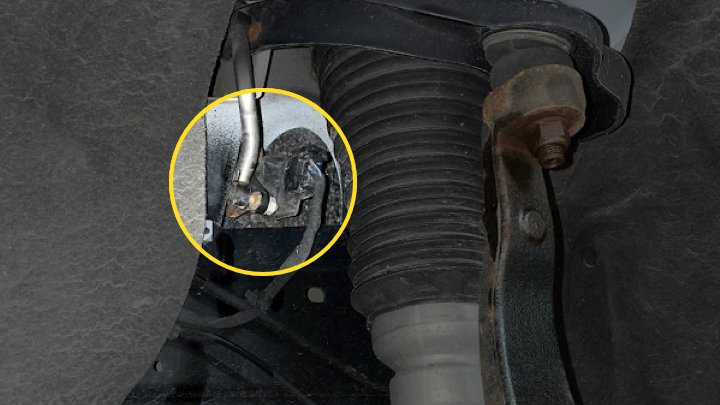
Preparation is often overlooked, but it can prevent headaches. Start by parking your Jeep on a flat surface. Engage the parking brake and chock the rear wheels to prevent movement. Loosen the lug nuts slightly before lifting the vehicle.
Lift the Jeep with a hydraulic jack and secure it on jack stands. Never rely only on the jack for safety.
Remove the wheels for clear access to the suspension.
Non-obvious insight: Take photos of your suspension before removing anything. These photos are handy references during reassembly.
Step-by-step Suspension Kit Installation
Installing a suspension kit can vary by model and kit type, but the general steps below apply to most Jeep Grand Cherokee installations.
1. Remove Old Suspension Components
Use a penetrating lubricant on bolts and nuts to make removal easier. Unbolt the shocks first, then the sway bar links, followed by the springs or struts. Carefully support any components under tension.
Beginner tip: Suspension springs are under high pressure. Use a spring compressor and follow safety instructions closely.
2. Install New Suspension Parts
Fit the new shocks, springs, or spacers according to your kit’s instructions. Start with the front suspension, then move to the rear.
Many kits come with new hardware use it rather than reusing old bolts.
Torque all bolts to the manufacturer’s specifications. Don’t guess—using a torque wrench is critical for safety.
3. Reconnect Sway Bars And Brake Lines
After installing the main components, reconnect the sway bar links and any relocated brake lines. Some kits require brake line extensions or drop brackets. Double-check that nothing is stretched or pinched.
4. Reinstall Wheels And Lower The Vehicle
Put the wheels back on and hand-tighten the lug nuts. Lower the Jeep slowly and finish tightening the lug nuts with a torque wrench.
Here’s a quick table to help with torque specs (always check your manual for exact numbers):
| Component | Torque Spec (ft-lbs) |
|---|---|
| Wheel Lug Nuts | 95-110 |
| Shock Mount Bolts | 75-100 |
| Sway Bar Links | 45-65 |
Alignment And Test Drive
Your Jeep’s suspension geometry changes with a lift. It’s critical to get a professional wheel alignment immediately after installation. Driving without alignment can cause uneven tire wear and poor handling.
Take a short test drive. Listen for any clunks, rattles, or pulling.
If something feels off, recheck all bolts and connections.
Common Mistakes To Avoid
Even experienced DIYers make mistakes with suspension kits. Watch out for these:
- Skipping the alignment—can ruin your tires fast.
- Forgetting to torque bolts—leads to loose parts and safety risks.
- Not checking brake lines—can result in stretched or damaged lines.
- Missing parts in the kit—always inventory your kit before starting.
- Ignoring ride height changes—may require new shocks or driveshaft adjustments.
Non-obvious insight: After a few hundred miles, re-torque all bolts. Suspension components can settle after installation.
Real-world Example
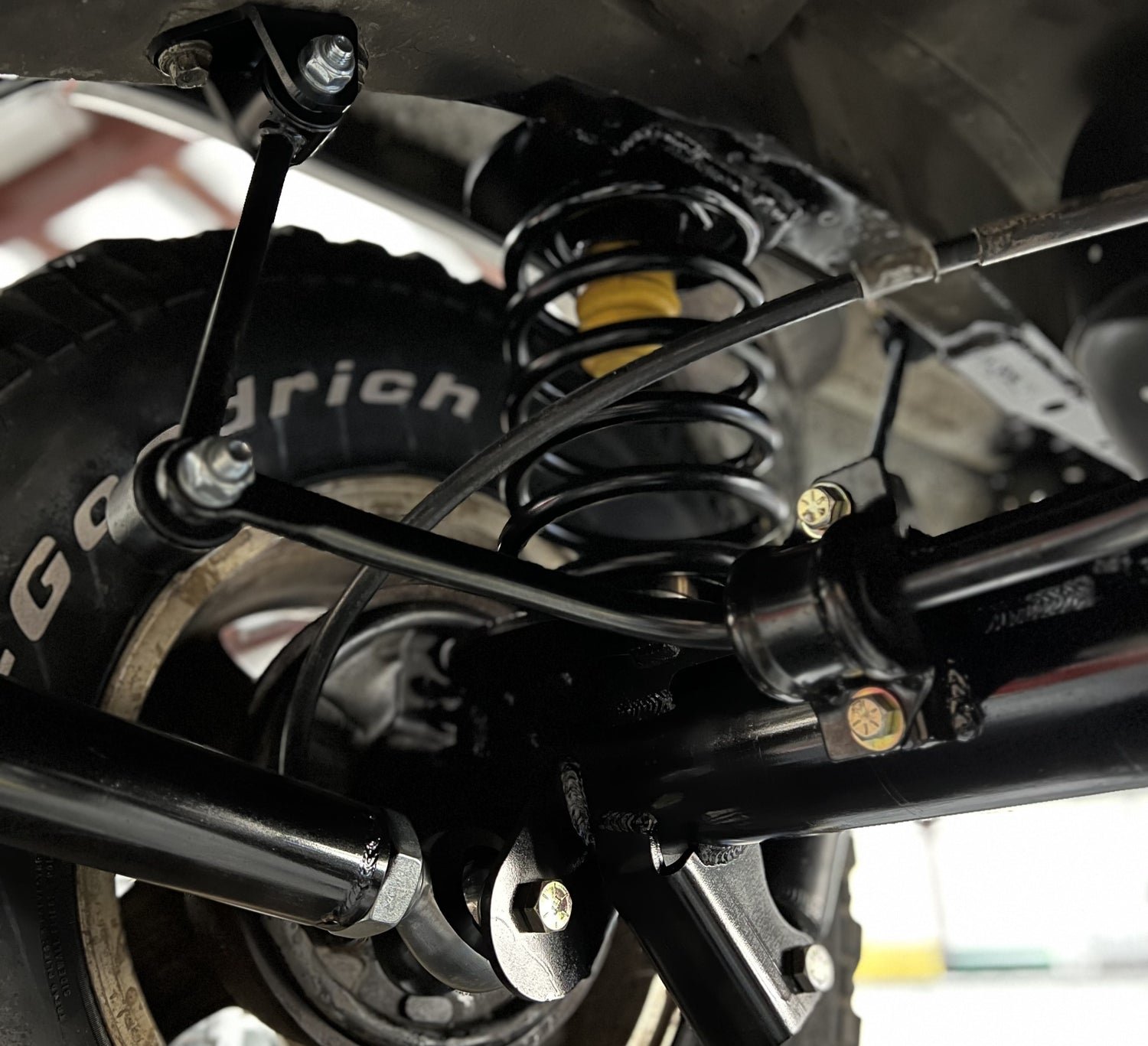
A Jeep Grand Cherokee owner installed a 2.5-inch coil spring kit for better off-road performance. The process took about six hours with basic tools. After installation and a wheel alignment, the Jeep cleared larger tires and handled rocky trails smoothly. The owner noticed slightly firmer ride quality on pavement—a normal trade-off for higher ground clearance.
When To Seek Professional Help
Installing a suspension kit is a big project. If you feel unsure about any step, it’s wise to consult a professional mechanic.
Complex kits, like long-arm systems, may require welding or specialty knowledge.
For more technical details, check the official Jeep Accessories page.
Frequently Asked Questions
How Long Does It Take To Install A Suspension Kit?
Most DIYers spend 4 to 8 hours on the job, depending on kit complexity and experience. Some advanced kits may take a full weekend.
Do I Need New Shocks With A Lift Kit?
Many lift kits include longer shocks. If yours doesn’t, you’ll need compatible shocks for proper ride and handling.
Will A Suspension Lift Affect My Warranty?
It can. Check your warranty terms.
Some dealers may void the warranty on related components after a lift.
Can I Install A Suspension Kit Without Specialty Tools?
Basic kits need only common tools. More advanced kits (like coil spring lifts) may require a spring compressor or other specialty tools.
Is A Suspension Kit The Same As A Body Lift?
No. A suspension kit lifts the entire chassis and improves ground clearance. A body lift only raises the body off the frame, not the whole vehicle.
Upgrading your Jeep Grand Cherokee suspension is one of the most satisfying and impactful modifications you can make. With careful preparation and attention to detail, you’ll enjoy both improved capability and a new look for your SUV—on and off the road.


















