Installing fog lights on a 1999 Jeep Cherokee can make a big difference in low-visibility conditions like fog, rain, or snow. Many owners upgrade to fog lights for better safety and style. Even if you’re not an expert mechanic, with the right tools and clear steps, you can do this job yourself and save money.
This guide will walk you through the whole process. We’ll cover everything from choosing the right lights to wiring and aiming them.
You’ll also get practical tips so you avoid common mistakes and get the best results.
What You’ll Need
Before starting, gather the tools and materials:
- Fog light kit (includes lamps, wiring, switch, and mounting brackets)
- Screwdriver set (Phillips and flathead)
- Socket wrench set
- Wire stripper/crimper
- Electrical tape
- Drill (may be needed for mounting)
- Zip ties
- 12V relay (if not included in kit)
- Fuses (check kit instructions)
Make sure your fog lights are DOT-approved for road use. This keeps your Jeep street-legal and avoids electrical problems.
Choosing The Right Fog Lights
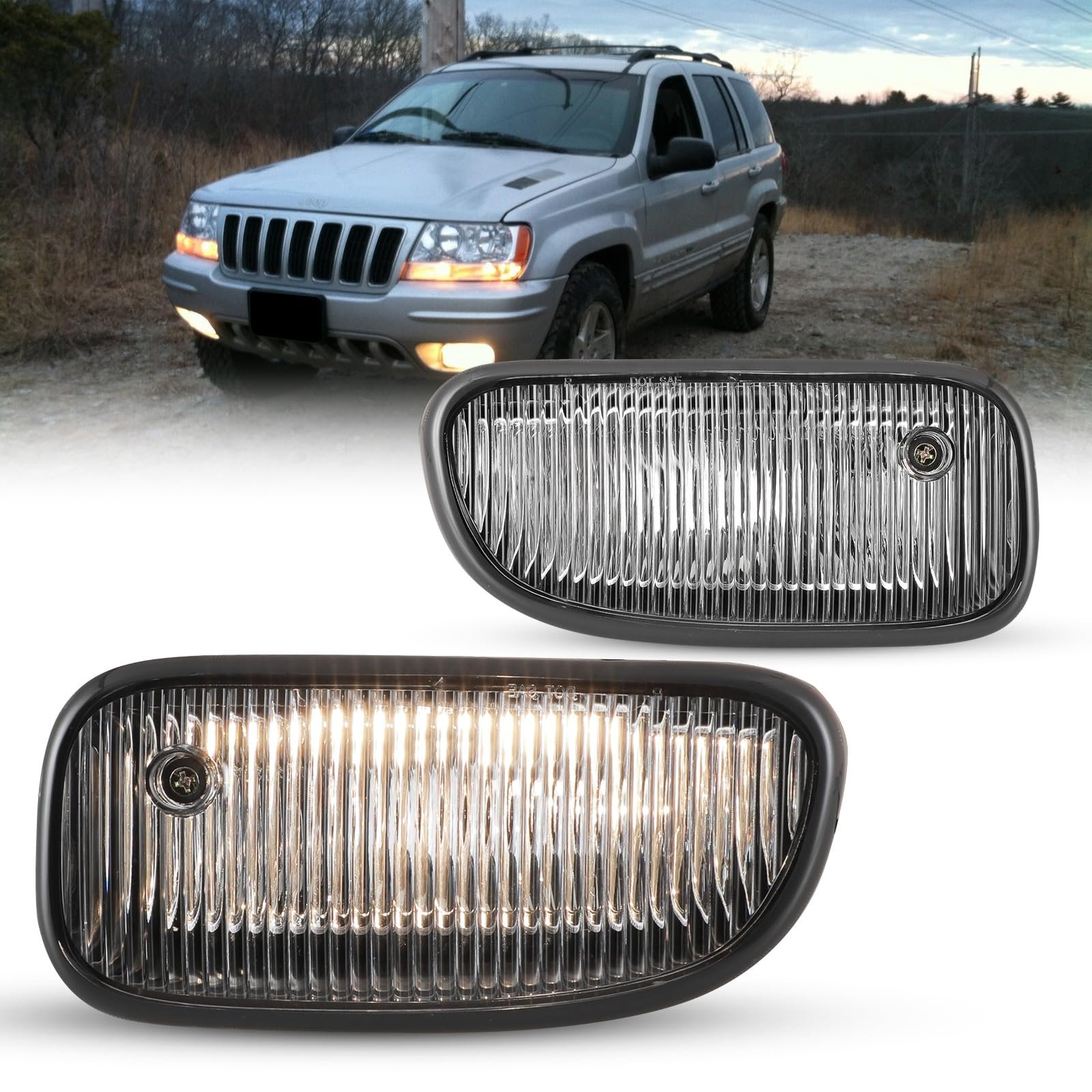
Not all fog lights are the same. For your 1999 Jeep Cherokee, you’ll find OEM-style and aftermarket options. OEM-style lights fit factory mounting points, making installation easier. Aftermarket kits offer different designs and sometimes better lighting but may need extra work.
Bulb types matter, too. Halogen is common and affordable. LED fog lights last longer, use less power, and shine brighter, but may cost more.
Here’s a quick comparison:
| Type | Brightness (Lumens) | Lifespan (Hours) | Cost |
|---|---|---|---|
| Halogen | 700–1,300 | 500–1,000 | Low |
| LED | 1,500–3,000 | 10,000+ | Medium–High |
Step-by-step Installation
1. Disconnect The Battery
Safety comes first. Disconnect the negative battery cable before working with the wiring. This prevents shocks or short circuits.
2. Mount The Fog Lights
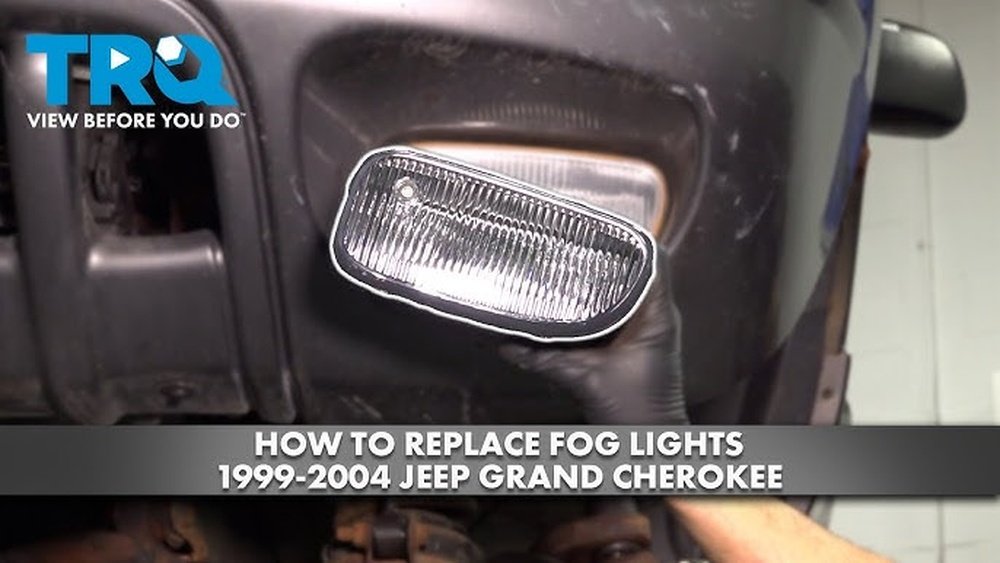
Locate the factory mounting holes on your front bumper. If your Jeep doesn’t have them, measure and mark where you want to place the lights. Make sure both sides are even.
- Use the mounting brackets from your kit.
- Secure each light with the provided screws or bolts.
- If needed, drill new holes, but protect nearby wires and parts.
3. Route The Wiring
Take your time with wiring. Run the wires from each fog light toward the engine bay, keeping them away from hot or moving parts.
- Use zip ties to hold wires in place.
- Avoid sharp edges to prevent wire damage.
Most kits include a relay for safety and a fuse to protect against shorts. Mount the relay close to the battery.
4. Connect The Wiring
Here’s a typical setup:
- Ground wire: Connect to a clean, bare metal spot on the chassis.
- Power wire: Connect to the battery’s positive terminal via the relay and fuse.
- Switch wire: Run through the firewall to the cabin, connecting to the supplied switch.
If your Jeep has a factory fog light switch, you may be able to use the existing wires. Otherwise, install the switch in a spot that’s easy to reach.
5. Test The Lights
Reconnect the battery. Turn on your Jeep and test the fog lights with the switch.
Both should turn on with no flicker or delay.
If one or both don’t work, double-check your connections and the fuse.
6. Aim The Fog Lights
Proper aim is important for safety and legality. Park your Jeep 25 feet from a wall on level ground.
- Measure from the ground to the center of the fog light.
- Mark the same height on the wall with tape.
- The top of the beam should be just below the tape.
Adjust each light as needed using the adjustment screws.
Common Mistakes To Avoid
- Skipping the relay: Fog lights draw a lot of power. Without a relay, you risk damaging the switch or wiring.
- Poor grounding: A bad ground connection will cause flickering or weak lights.
- Loose wiring: Use zip ties and electrical tape to secure all wires.
- Incorrect aiming: Misaligned lights can blind other drivers and reduce visibility.
Practical Tips For A Clean Install
- Label wires before starting, especially if your kit has extra features.
- Seal connections with heat-shrink tubing or quality electrical tape. This prevents corrosion.
- Check local laws about fog light use. Some states have rules on when they can be used.
- Use a test light or multimeter to confirm power before connecting wires.
Many beginners forget to secure wires well, leading to future problems. Take your time, and double-check each step.
Estimated Time And Difficulty
Installing fog lights on a 1999 Jeep Cherokee usually takes 2–3 hours for a first-timer. The job is easier if your Jeep already has fog light wiring.
Here’s a quick difficulty comparison for different setups:
| Setup Type | Estimated Time | Difficulty (1–5) |
|---|---|---|
| OEM mounting & wiring | 1–1.5 hours | 2 |
| Aftermarket kit, no factory wiring | 2–3 hours | 3–4 |
If you run into trouble, the Jeep Cherokee forums are full of owners who have done this upgrade and can offer help.

Where To Find More Help
For more detailed wiring diagrams and part numbers, you can check the official Jeep Cherokee repair manual or visit JeepForum.
Wrapping Up
Adding fog lights to your 1999 Jeep Cherokee is a smart upgrade for better visibility and style. With the right kit and a careful approach, you can complete the job in an afternoon. Pay attention to wiring, aiming, and safety, and you’ll get reliable performance for years. Don’t rush—double-check each step and enjoy the result.
Frequently Asked Questions
How Do I Know If My Jeep Already Has Fog Light Wiring?
Look under the front bumper for unused connectors near the fog light location. Also, check for a fog light symbol on the switch panel.
Can I Install Led Fog Lights In Place Of Halogen?
Yes, as long as they fit the housing and are rated for your Jeep’s voltage. LED lights offer better brightness and lifespan.
Do I Need A Relay For Fog Lights?
Yes, using a relay is important for safety and to prevent switch or wiring damage due to high current draw.
Are Fog Lights Legal Everywhere?
Most states allow fog lights if aimed correctly and used in low visibility. Check your state’s vehicle code for details.
Will Installing Fog Lights Void My Warranty?
If installed properly and with a quality kit, it should not affect your warranty. Always follow manufacturer instructions and avoid cutting factory wires.