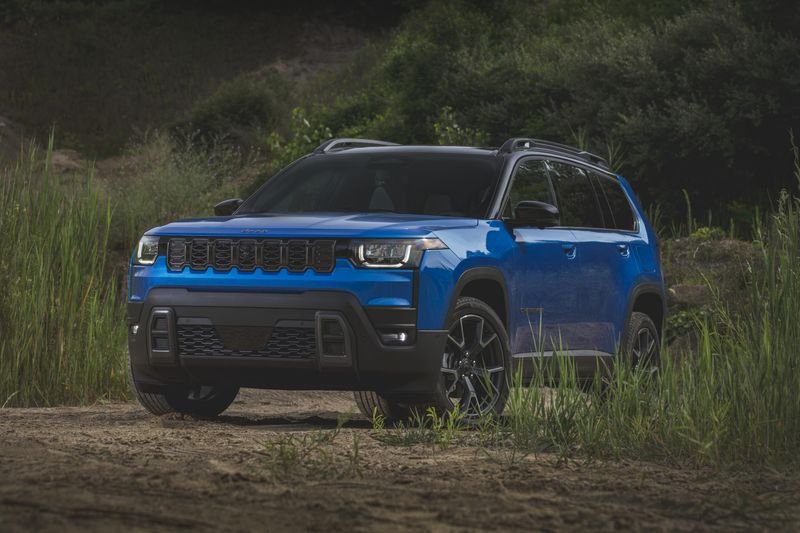
If you own a Jeep, you already know it’s built for tough roads and adventure. But even the strongest Jeep can face problems if the chassis develops cracks. The chassis is the backbone of your vehicle. It holds everything together and keeps you safe. Cracks in the chassis can cause poor handling, strange noises, or even dangerous failures on the road or trail. Many Jeep owners, especially beginners, don’t realize how important regular chassis checks are. This guide will show you how to inspect your Jeep chassis for cracks, what to look for, and how to spot problems before they get worse.
Why Chassis Inspection Matters
Chassis cracks are not just cosmetic—they can lead to frame misalignment, suspension failure, and even collapse in a crash. Jeep chassis often face more stress than regular cars because of off-roading, towing, or heavy loads. Catching problems early can save you thousands on repairs and prevent accidents.
According to a study by the National Highway Traffic Safety Administration, structural failures are a leading cause of off-road vehicle breakdowns. Cracks may start small but grow quickly, especially if you drive on rough terrain.
Tools And Preparation
Before you start, gather these tools:
- Good flashlight or work light
- Clean rag or brush
- Magnifying glass
- Safety gloves and goggles
- Jack and jack stands (if needed)
- Chalk or marker
Make sure your Jeep is parked on a level surface. If you need to look underneath, use jack stands for safety—never rely on the jack alone.
Key Areas To Inspect
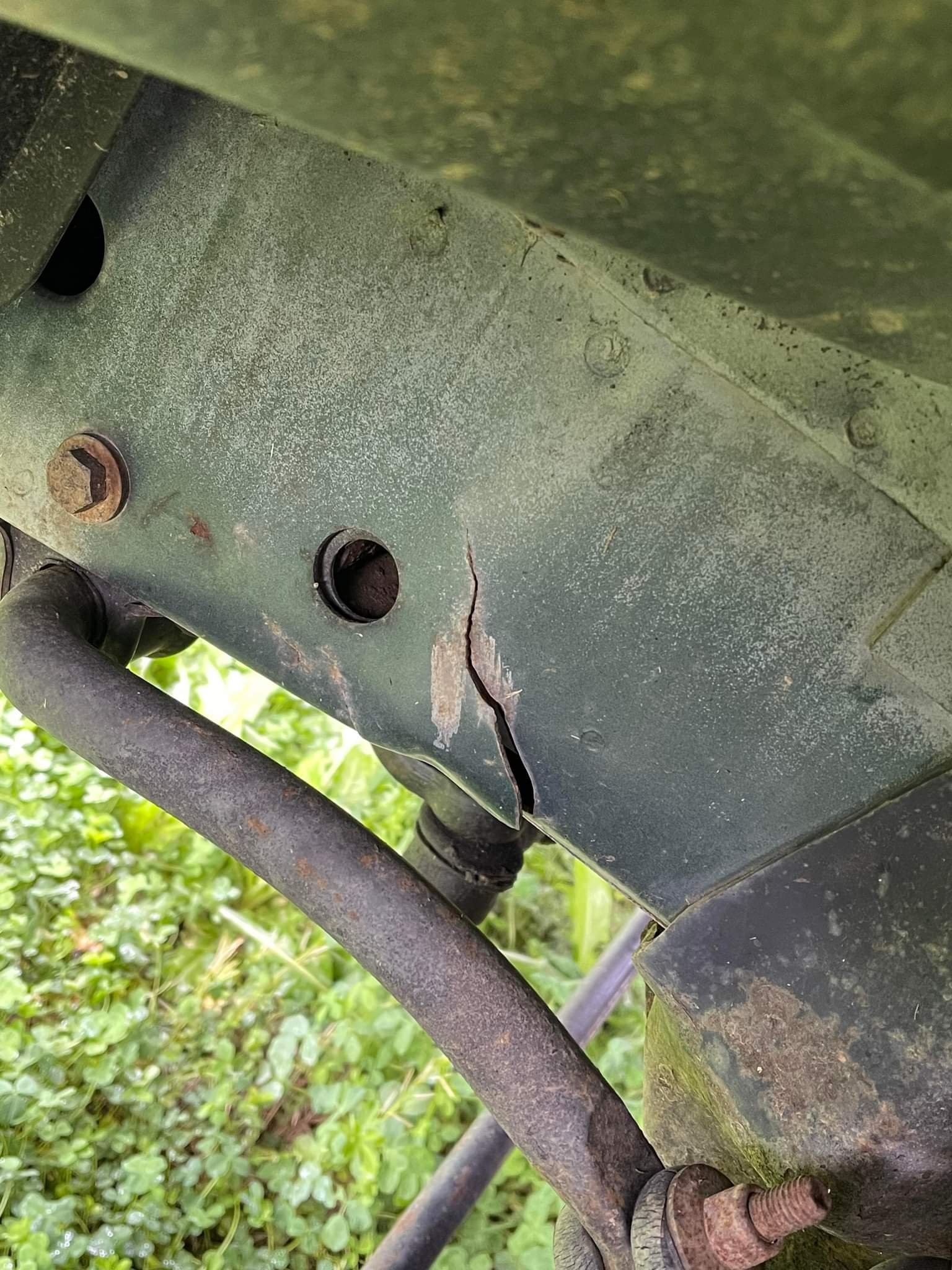
Not all parts of the chassis are equally likely to crack. Focus on these high-stress zones:
| Chassis Area | Why It’s Vulnerable |
|---|---|
| Suspension Mounts | Absorb constant impacts and movement |
| Steering Box Mount | Handles major turning forces |
| Crossmembers | Support engine/transmission weight |
| Shock Absorber Mounts | Deal with up-and-down suspension stress |
| Welded Joints | Natural weak points for cracks to start |
Don’t forget to check body mounts and areas where accessories are attached, like winches or tow hooks.
Step-by-step Chassis Crack Inspection
1. Clean The Inspection Zones
Dirt and mud can hide cracks. Use a brush or rag to clean each area.
Pay extra attention if you’ve recently been off-roading.
2. Use Proper Lighting
Shine a strong flashlight at different angles. Small cracks often show up as thin dark lines.
3. Look For Visual Signs
Examine the chassis for:
- Thin, jagged lines (cracks)
- Rust stains around joints
- Flaking paint or bubbling under paint
- Welds that look split or separated
A magnifying glass can help spot tiny cracks that are hard to see with the naked eye.
4. Check For Unusual Noises
If you hear creaking or knocking from under the Jeep, this could point to a cracked chassis. Have a helper bounce or push the Jeep gently while you listen closely near each suspect area.
5. Mark And Measure
If you find a crack, mark the ends with chalk or a marker. Measure its length.
Keep a record for future checks to see if it grows.
6. Tap Test
Tap along the chassis with a small metal tool. Listen for a dull, flat sound this often means the metal is cracked or separated inside.
7. Compare Sides
Compare the left and right sides of the chassis. Differences in shape or gaps may mean a crack is bending the frame.
Common Cracks And What They Look Like
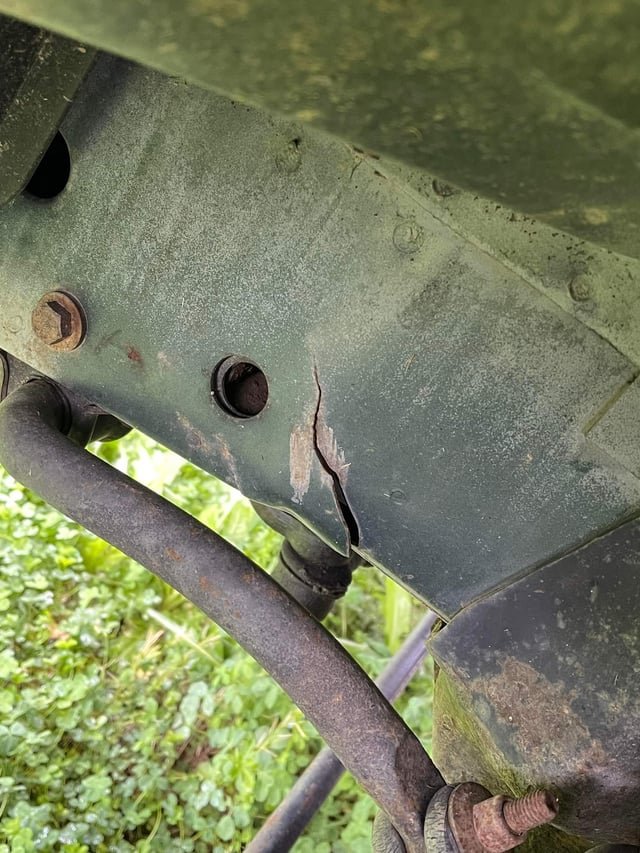
Here’s a quick comparison to help you identify common types of chassis cracks:
| Crack Type | Appearance | Severity |
|---|---|---|
| Surface Crack | Shallow, hairline, often in paint only | Low (watch for growth) |
| Through Crack | Visible gap through metal, may leak fluids | High (needs repair) |
| Weld Crack | Along or near weld seams | Medium to High |
| Rust Crack | Crack with orange/brown edges | High (metal is weak) |
Non-obvious Signs Beginners Miss
- Cracks under thick rust or undercoating: Many owners skip rusty areas, but cracks often hide here. Take time to scrape gently and look closely.
- Multiple small cracks near the same area: This often means the chassis is flexing too much, not just a single weak spot.
- Changes in door or hood alignment: If your doors or hood suddenly don’t close smoothly, the frame may be twisting due to a hidden chassis crack.
What To Do If You Find A Crack
Small surface cracks may not be urgent, but through cracks need professional attention fast. Welding repairs should be done by a certified mechanic. A poor repair can make the problem worse.
If you find a crack:
- Avoid rough driving until it’s fixed.
- Take photos and measurements.
- Show the evidence to a trusted shop.
Never try to weld a structural part yourself unless you have experience and proper tools. The safety risk is too high.
Preventing Chassis Cracks
- Inspect after every off-road trip, collision, or heavy towing.
- Wash mud and salt from the chassis regularly.
- Don’t overload your Jeep beyond the recommended weight.
- Use frame reinforcement kits if you off-road often.
Regular checks and good care extend your Jeep’s life and keep you safer on the road.
Frequently Asked Questions
How Often Should I Inspect My Jeep Chassis For Cracks?
Check your chassis at least every 6 months, or after any hard off-road trip or accident. Frequent inspection helps catch problems early.
Can I Drive With A Small Chassis Crack?
It’s not recommended. Even small cracks can grow quickly, especially with off-road use.
Get any crack checked by a professional as soon as possible.
Are Chassis Cracks Covered By Warranty?
Most Jeep warranties don’t cover cracks caused by off-roading or overloading. Check your owner’s manual for details or visit the official Jeep Care page.
What’s The Difference Between Rust And A Crack?
Rust is corrosion that can weaken metal. A crack is a physical break in the metal. Rust may hide cracks, so check both issues carefully.
Is A Cracked Chassis Repairable, Or Does It Need Replacement?
Many cracks can be welded and reinforced by a skilled mechanic. Replacement is only needed for very severe or widespread damage.
Taking time to inspect your Jeep’s chassis is smart for your safety and your wallet. A few minutes with a flashlight today can prevent big headaches later.
Remember when in doubt, get a professional opinion. Your Jeep is only as strong as its frame.