If you own a Jeep Gladiator and want to tow heavier loads, you’re not alone. Many Gladiator owners need more than the factory rating, especially for hauling campers, boats, or work trailers. But increasing your towing capacity isn’t as simple as swapping one part. It requires smart upgrades, understanding factory limits, and making safe choices. This guide walks you through practical steps, what works, what doesn’t, and mistakes to avoid.
Understanding Jeep Gladiator Towing Capacity
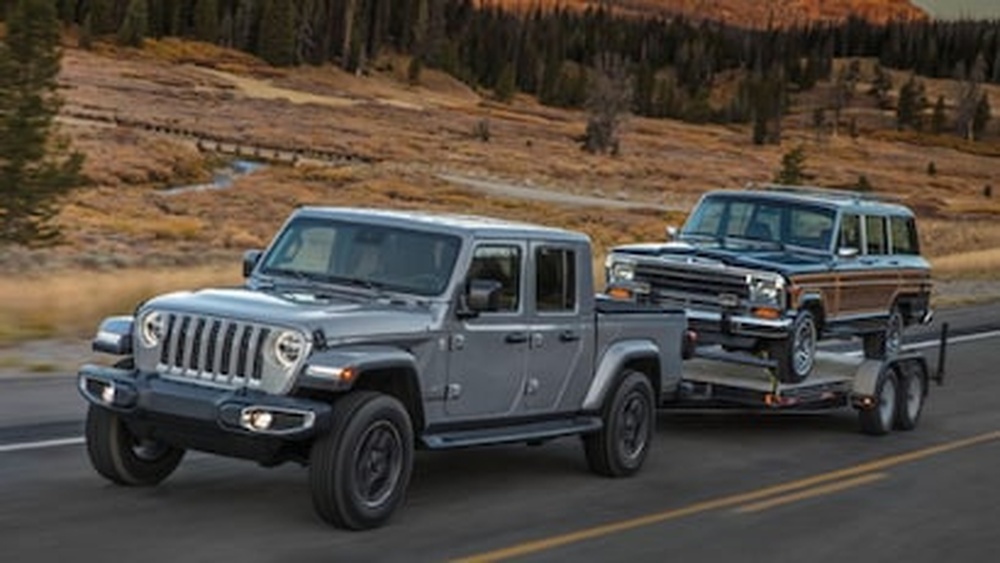
The Jeep Gladiator has a max towing capacity between 4,000 and 7,700 pounds, depending on the trim and options. The high rating comes with the Max Tow Package and specific axle ratios. Here’s a quick look:
| Trim/Package | Max Towing (lbs) | Axle Ratio |
|---|---|---|
| Sport/Sport S | 4,000 | 3.73 |
| Overland | 6,000 | 3.73 |
| Rubicon | 7,000 | 4.10 |
| Max Tow Package | 7,650-7,700 | 4.10 |
The VIN sticker in your door jamb shows your exact rating. Never exceed this number, even with upgrades.
Key Factors That Limit Towing Capacity
Understanding the main limits helps you choose the right upgrades. The Gladiator’s towing ability depends on:
- Engine power
- Transmission strength
- Axle ratio
- Cooling systems
- Suspension components
- Brakes
- Frame strength
Upgrades can help, but the weakest link in this chain always sets your safe limit.
Upgrades To Increase Towing Performance
If you want to safely get more towing capability from your Gladiator, focus on the parts that matter most.
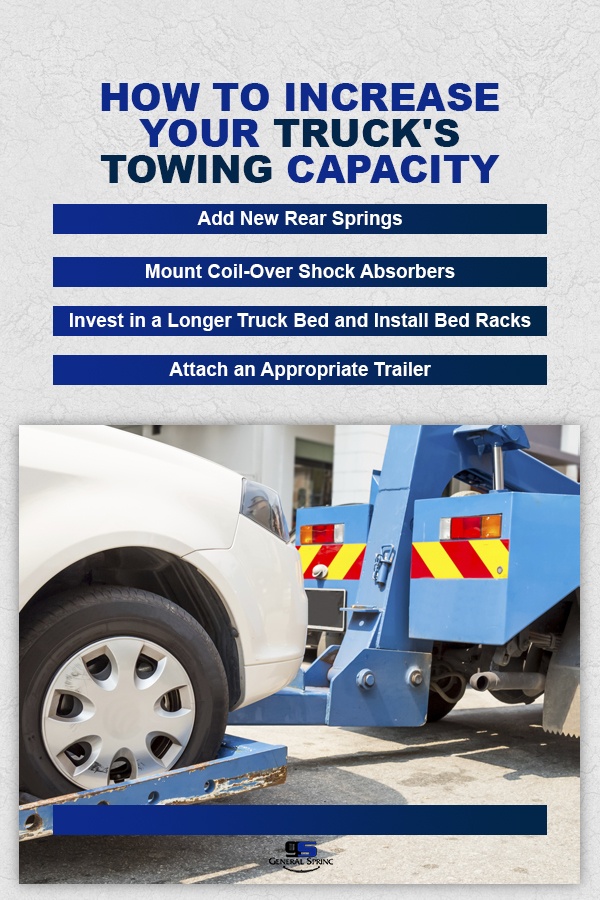
1. Install A Higher-capacity Hitch
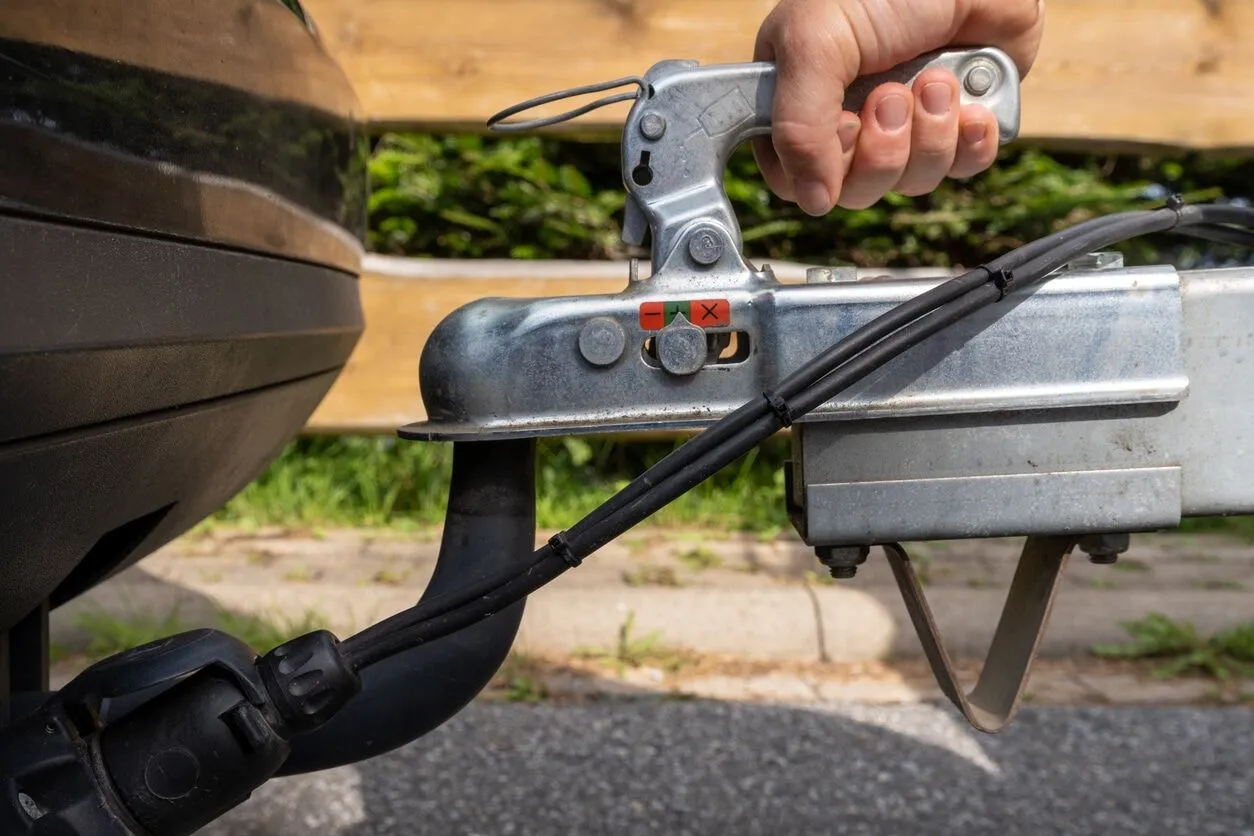
The stock hitch may be rated lower than the truck itself. Upgrading to a Class IV or V hitch can let you tow up to the Gladiator’s max rating, especially if you’re missing the factory tow package.
2. Improve Axle Ratio
A lower gear ratio (like 4.10:1) gives more torque at the wheels. This helps with heavy loads, especially at low speeds or on hills. Changing axle gears is a big job and can cost $1,500–$2,500, but it’s the #1 upgrade for towing.
3. Upgrade Cooling Systems
Towing creates heat. Upgrading the engine oil cooler, transmission cooler, and radiator prevents overheating when climbing or pulling heavy trailers. Overheating is a common failure point for factory setups.
4. Strengthen Suspension
Heavy trailers make the rear end sag and reduce control. Add heavy-duty leaf springs, air bags, or load-leveling shocks. This keeps the truck level and improves handling when towing.
5. Upgrade Brakes
Stopping power is critical. Larger rotors, better pads, or a trailer brake controller help manage extra weight. Weak brakes are a major safety risk.
6. Use Proper Tires
Choose E-rated (10-ply) tires with a high load rating. Stock tires can flex and overheat, especially on long trips.
7. Add A Weight-distributing Hitch
If your trailer is close to the max, a weight-distributing hitch spreads the load and keeps steering stable.
8. Maximize Payload
Your payload (weight of cargo + passengers + hitch weight) also limits how much you can tow. Remove unnecessary items from the truck bed to stay under the payload rating.
Here’s how these upgrades compare for impact and cost:
| Upgrade | Impact on Towing | Estimated Cost |
|---|---|---|
| Axle Ratio Change | High | $1,500–$2,500 |
| Cooling System | Medium | $400–$1,200 |
| Suspension | Medium | $300–$1,000 |
| Hitch Upgrade | Medium | $200–$600 |
| Brakes | Medium | $400–$1,000 |
| Tires | Low | $800–$1,200 |
| Weight-Distributing Hitch | Medium | $350–$800 |
What You Can’t Change
Even with all upgrades, your frame, transmission, and factory ratings still set a hard ceiling. The government and insurance companies look at the original Gross Combined Weight Rating (GCWR). Exceeding this can void warranties and cause legal issues if there’s an accident.
Many owners believe that just adding bigger parts will let them tow more. In reality, the GCWR is based on testing and safety data. No upgrade can legally let you tow more than the number on your door sticker.
Two Insights Many Miss
Most guides skip these details:
- Insurance Implications: If you tow more than the rated limit and get into an accident, your insurance may not cover the claim—even if the upgrades performed perfectly.
- Dealer Service: Some dealers may refuse warranty work if they see aftermarket towing upgrades, especially if they believe the truck was used beyond factory ratings.
Smart Towing Practices
Upgrades help, but smart habits matter just as much. Here are tips to keep you and your Gladiator safe:
- Balance your load. Place 60% of trailer weight in front of the trailer axle.
- Use a trailer brake controller. This is required by law in many states for trailers over 3,000 lbs.
- Check tire pressure. Low pressure can cause blowouts when towing heavy.
- Drive slower. Even with upgrades, stopping and turning take longer with a heavy trailer.
Final Thoughts
Raising the towing capacity of your Jeep Gladiator is possible with smart upgrades and careful planning. However, the true legal and safe limit is set by the factory sticker. Focus on maximizing your truck’s ability within those limits: upgrade your axle ratio, cooling, suspension, and brakes; use the right hitch and tires; and always tow within your rated capacity. If you need to tow more than 7,700 pounds, it’s time to consider a larger truck.
Frequently Asked Questions
What Is The Maximum Towing Capacity Of A Jeep Gladiator?
The max rating is 7,700 pounds with the Max Tow Package and 4.10 axle ratio. Check your VIN sticker for your specific model.
Can I Legally Increase My Gladiator’s Towing Rating?
No. Legal towing capacity is set by the manufacturer. Upgrades improve safety and performance but do not change the legal limit.
Do I Need To Reprogram My Gladiator After Axle Upgrades?
Yes. After changing axle ratios, the computer must be reprogrammed for speedometer accuracy and transmission shifting.
Will Bigger Tires Help With Towing?
No. Larger tires actually reduce towing power and can strain the transmission. Use factory-size or slightly larger, but always E-rated tires for load capacity.
Where Can I Find Official Towing Guides?
You can find official towing information from the Jeep Official Site for the latest specs and recommendations.