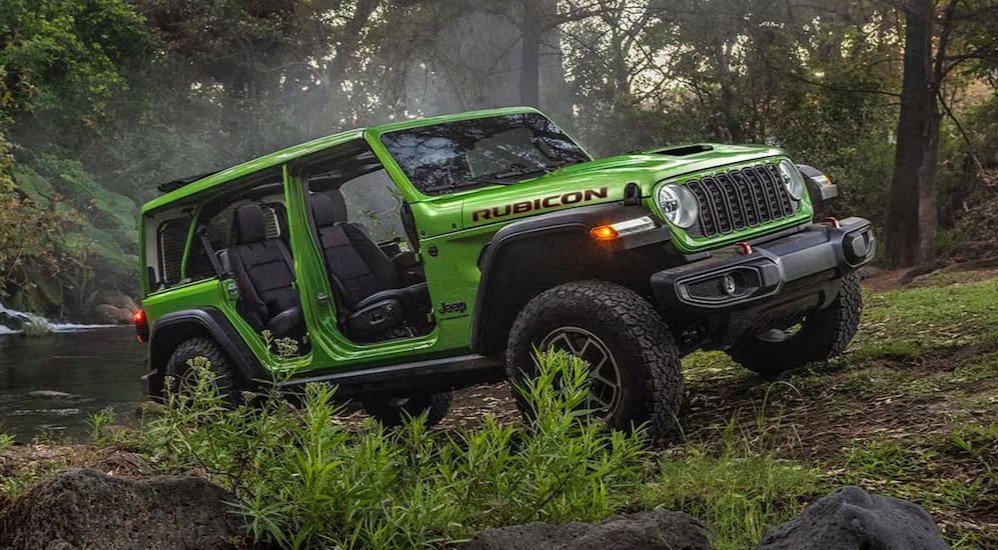
Hill climbing with your Jeep is a true test of both driver skill and vehicle capability. Steep slopes, loose surfaces, and rough terrain push every part of your Jeep to the limit. If you want to boost your hill climb performance, there are several smart changes you can make. This guide explains practical upgrades, driving techniques, and common mistakes, all in clear, easy English. Whether you’re new to off-roading or want to reach the next level, you’ll find helpful advice here.
Understanding Jeep Hill Climb Challenges
Climbing hills is not only about engine power. Jeep hill climbs demand a mix of traction, torque, and driver control. Common problems include wheel spin, loss of grip, and overheating. Steep climbs can also strain your suspension and brakes.
Beginners often think bigger tires or more horsepower are enough. But real improvement comes from knowing how your Jeep handles, and making balanced upgrades.
It’s not just about one part; it’s about the whole system.
Essential Upgrades For Hill Climbing
Upgrading your Jeep for better hill climbs involves several key areas. Below is a comparison of common modifications and their impact:
| Upgrade | Benefit | Typical Cost |
|---|---|---|
| All-Terrain Tires | Improved traction | $600–$1,200 |
| Locking Differentials | Better grip on loose surfaces | $1,200–$2,000 |
| Suspension Lift | Higher ground clearance | $800–$1,500 |
| Winch | Self-recovery on tough climbs | $400–$900 |
| Performance Air Intake | More engine power | $300–$600 |
- All-Terrain Tires: These tires grip better on mud, rocks, and loose dirt. They are the first upgrade for serious hill climbing.
- Locking Differentials: When one wheel slips, a locking differential gives power to both wheels. This helps your Jeep keep moving on slippery slopes.
- Suspension Lift Kits: A lift increases ground clearance so you avoid getting stuck. But too much lift can harm stability, so choose carefully.
- Winch: If you get stuck, a winch can pull your Jeep out. It’s not for climbing itself, but it’s essential for safety.
- Air Intake and Exhaust: Improving airflow adds horsepower, helping your Jeep climb steeper hills.
Two often-missed upgrades are skid plates and upgraded shocks. Skid plates protect your Jeep’s underbody from rocks, while better shocks help keep tires on the ground for more traction.
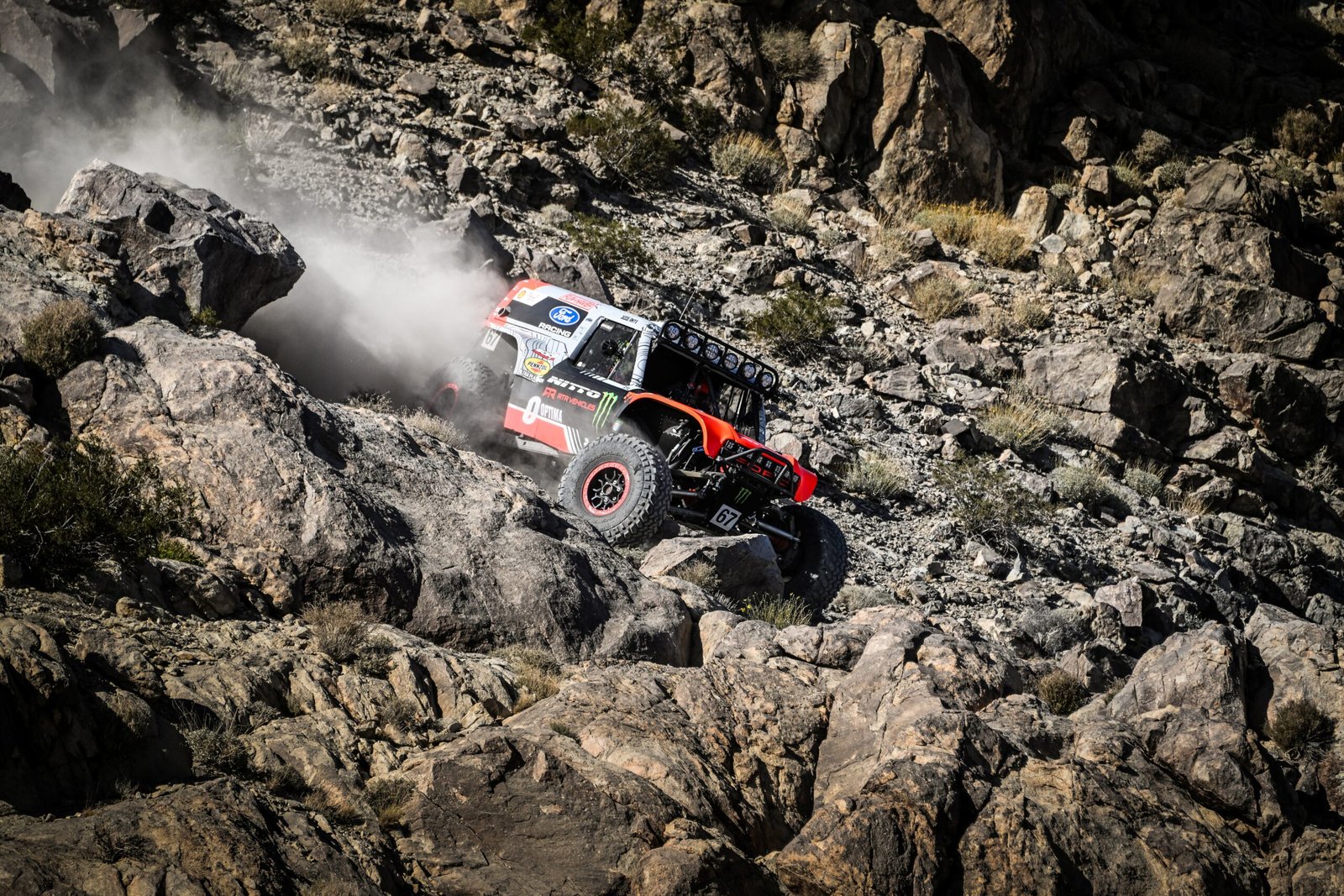
Driving Techniques For Better Hill Climbs
Even the best Jeep needs a skilled driver. Here are proven methods to climb hills safely and efficiently:
- Approach straight: Always aim your Jeep straight up the hill. Angling increases risk of rolling sideways.
- Steady throttle: Apply the gas smoothly. Sudden throttle causes wheel spin and loss of traction.
- Momentum matters: Carry a little speed before the climb, but never too much. Too fast can mean loss of control.
- Low gear selection: Use low-range gears for better torque. This keeps your wheels turning even on tough inclines.
Many beginners forget to check the path before climbing. Walk up and look for obstacles, holes, or loose rocks.
This helps you plan your route and avoid surprises.
Real-world Example
A Jeep Wrangler with all-terrain tires and locking differentials can climb a 30-degree dirt hill much easier than stock models. Tests show up to 40% better traction and 25% fewer stalls.
Driver skill is still key starting in low gear and maintaining momentum often make the biggest difference.
Maintenance Tips For Hill Climb Readiness
Hill climbs are tough on your Jeep. Regular maintenance keeps everything working at its best. Here’s a comparison of maintenance tasks and their frequency:
| Task | Recommended Frequency | Why It Matters |
|---|---|---|
| Check tire pressure | Before each trip | Proper pressure ensures grip |
| Inspect brakes | Monthly | Safe stopping on hills |
| Lubricate joints | Every 3 months | Prevents binding under stress |
| Check fluids | Monthly | Engine and transmission stay cool |
| Inspect suspension | Each season | Prevents failures on rough climbs |
Two mistakes many drivers make are ignoring tire wear and skipping brake checks. Worn tires lose grip, and weak brakes can fail on steep slopes. Always check these before any climb.
Smart Planning And Safety
Preparation is just as important as upgrades. Before any hill climb:
- Check the weather. Wet hills are much harder and can be dangerous.
- Pack recovery gear. Bring a winch cable, tow straps, and gloves.
- Go with a buddy. Never climb alone; another person can help in emergencies.
- Know your limits. If a hill looks unsafe, don’t risk it.
A strong safety tip: Always let someone know where you’ll be. Cell service is often weak in off-road areas.
Frequently Asked Questions
What Is The Best Jeep Model For Hill Climbing?
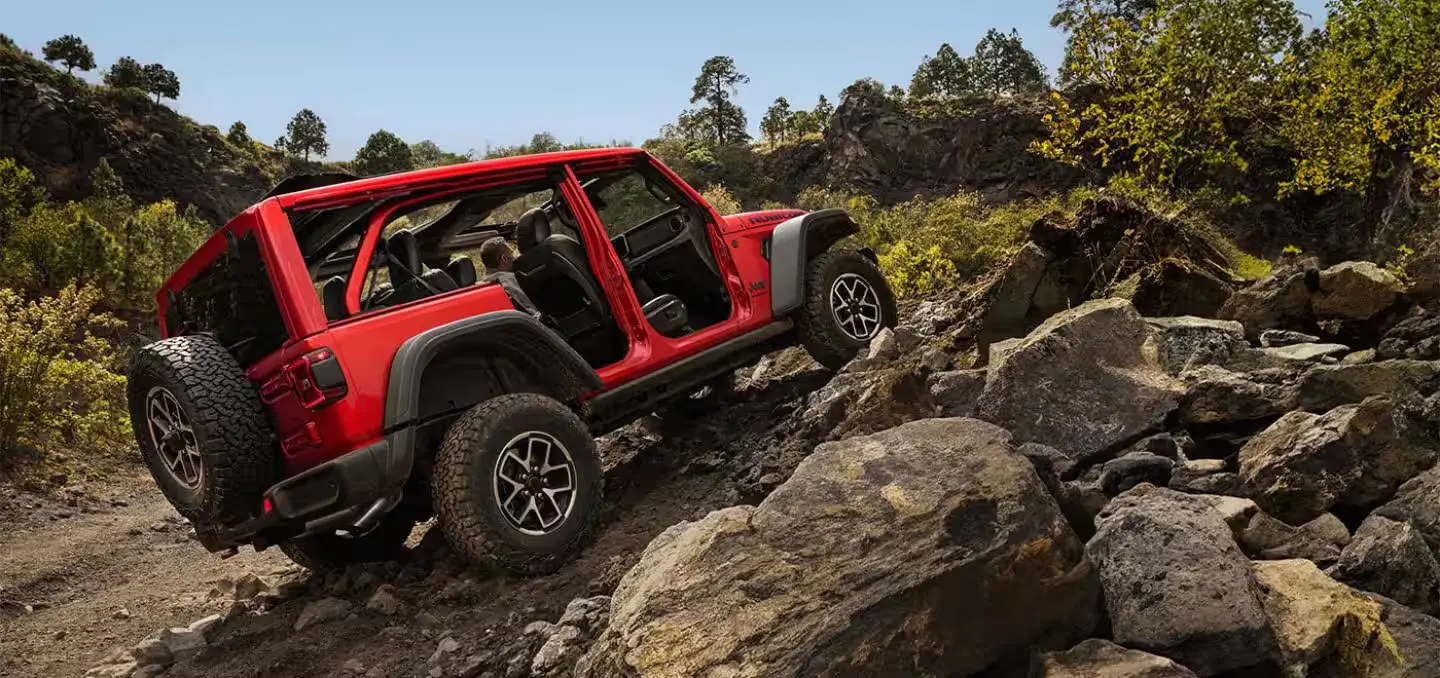
The Jeep Wrangler Rubicon is often the top choice. It has locking differentials, high ground clearance, and strong suspension. Other models like the Jeep Gladiator also perform well with the right upgrades.
How Do I Choose The Right Tires For Hill Climbs?
Pick all-terrain or mud-terrain tires with strong sidewalls. Check the tread pattern—deep, aggressive lugs grip better on loose surfaces. Avoid highway tires; they slip easily off-road.
Can I Improve Hill Climb Performance Without Expensive Upgrades?
Yes. Focus on driving technique and maintenance first. Keeping your tires in good shape and learning to use low-range gears makes a big difference. Upgrades help, but skill and care are most important.
Is It Safe To Climb Hills Alone?
It’s not recommended. Always climb with a friend or group.
If you get stuck or injured, having help can save your life. Even experienced drivers run into problems.
Where Can I Learn More About Jeep Off-road Performance?
You can find more details at Wikipedia’s Jeep page. It covers history, models, and features that matter for off-road driving.
Improving your Jeep’s hill climb performance is about understanding your vehicle, making smart upgrades, and practicing safe driving. With the right balance of equipment, skill, and preparation, you can tackle tougher hills and enjoy off-road adventures with confidence.
Always respect the terrain and know your limits smart choices keep you climbing safely.