Getting stuck in mud is a common frustration for drivers, hikers, and anyone exploring outdoors. Whether you’re off-roading, driving after heavy rain, or simply parking on a soft shoulder, mud can trap vehicles and people fast.
Knowing how to get unstuck saves time, stress, and can prevent costly damage.
This article explains practical methods to free yourself or your vehicle from mud, highlights common mistakes, and shares useful tips. With the right approach, you can turn a sticky situation into a manageable problem.
What Causes Vehicles To Get Stuck In Mud?
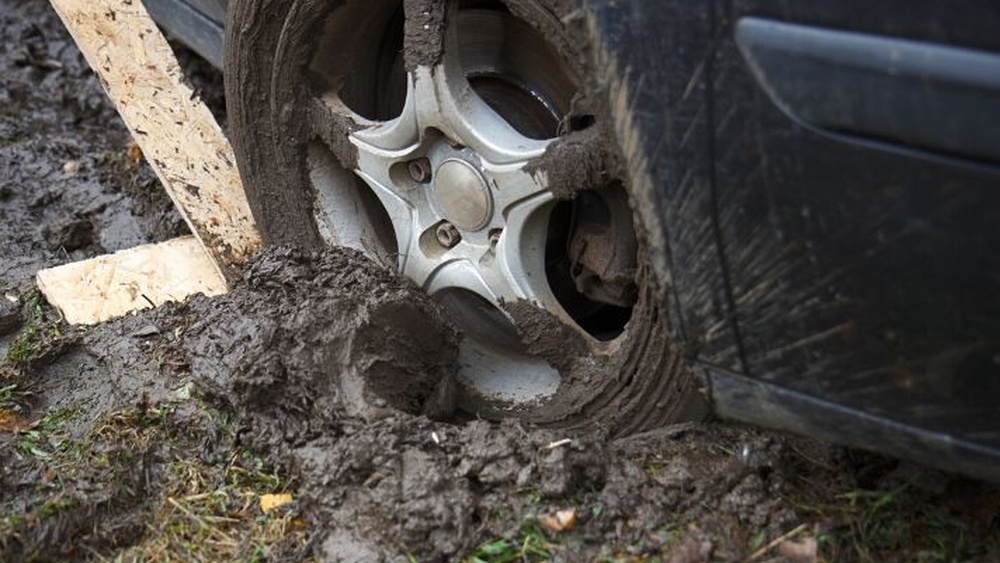
Mud forms when water mixes with soil, reducing traction. Vehicles lose grip because their tires spin rather than move forward.
Heavier cars and trucks sink deeper, especially if tires aren’t designed for off-road conditions. Even walking in mud can be tough, as boots and shoes stick, making movement slow and tiring.
Mud Types And Their Effects
Different mud types affect how easily you get stuck:
| Mud Type | Depth | Traction |
|---|---|---|
| Clay Mud | Shallow–Deep | Very slippery |
| Sandy Mud | Shallow | Moderate grip |
| Silty Mud | Deep | Low traction |
Clay mud traps tires quickly, while sandy mud offers better traction but can shift under weight. Recognizing mud type helps you choose the best strategy.
Step-by-step: How To Get Unstuck In Mud
Getting unstuck takes patience and the right technique. Here’s a clear process for vehicles:
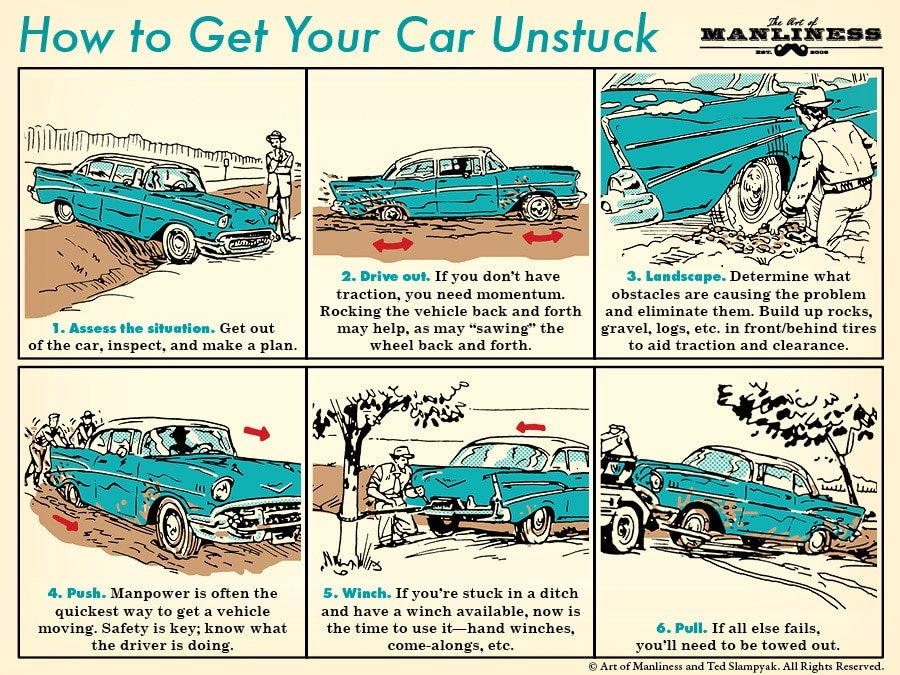
- Stay calm and avoid spinning your tires. Excessive spinning digs you deeper.
- Assess the situation. Check how deep the tires are and which wheels are stuck.
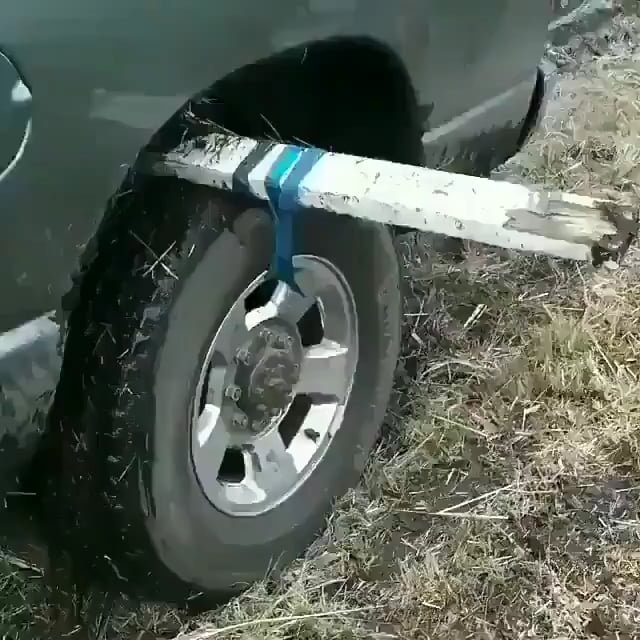
- Clear mud from tires using a shovel or stick. Removing packed mud improves traction.
- Try rocking the vehicle. Switch between drive and reverse, gently moving back and forth. This builds momentum without digging deeper.
- Lower tire pressure slightly (15–20% lower) to increase surface area. More surface means better grip. Don’t go too low—risk of tire damage.
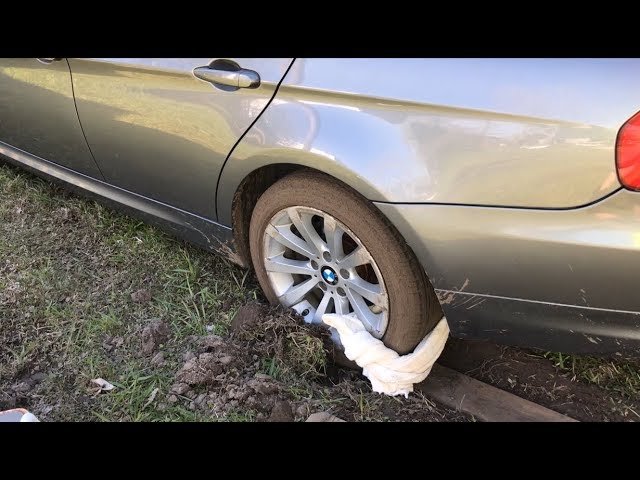
- Place traction aids under tires. Use items like car mats, sandbags, branches, or commercial traction boards.
- Use a tow strap or winch if available. Attach securely to a tow point. Always check safety before pulling.
- Ask for help. Sometimes another vehicle or passerby can assist with pushing or pulling.
Common Mistakes To Avoid
| Mistake | Result |
|---|---|
| Spinning tires aggressively | Deeper sinking |
| Using high gear | Less torque, poor traction |
| Ignoring tire pressure | Missed chance for grip |
Avoiding these mistakes increases your chances of escaping mud quickly and safely.
Tools And Equipment That Help
Certain tools make getting unstuck easier:
- Shovel: Removes mud around tires and creates a path.
- Traction boards: Designed for off-road recovery; provide grip.
- Tow straps: Useful for pulling with another vehicle.
- Portable air compressor: Helps adjust tire pressure.
- Gloves: Protect hands during digging and handling equipment.
Comparison: Traction Board Vs. Car Mat
| Item | Effectiveness | Durability | Availability |
|---|---|---|---|
| Traction board | High | Long-lasting | Requires purchase |
| Car mat | Moderate | Short-term | Always in car |
Traction boards work better for deep mud, but car mats are handy in emergencies.
How To Get Unstuck When Walking In Mud
Getting stuck isn’t just for vehicles. Walkers and hikers can struggle too:
- Distribute your weight. Try to keep your feet flat and move slowly.
- Step on firmer ground like grass, rocks, or branches.
- Use trekking poles for balance and leverage.
- Loosen stuck boots by gently rocking them side to side, not pulling straight up.
- Avoid sudden movements—this wastes energy and can cause falls.
If mud is very deep, crawl or roll to spread your weight, especially if you start to sink.
Practical Tips To Prevent Getting Stuck
Prevention is easier than recovery. Consider these tips:
- Check weather forecasts before traveling or hiking.
- Avoid muddy areas after heavy rain or snow melt.
- Equip your vehicle with proper tires for mud and off-road.
- Carry recovery tools like shovels, boards, and straps.
- Travel with a partner when possible; extra hands help.
A non-obvious insight: Some newer vehicles have traction control systems that help in mud. Learn how to activate and use these before you need them.
When To Call For Professional Help
If your vehicle is deeply buried or you’re in a remote area, calling for a tow truck or professional recovery service may be safest. Trying to recover alone can cause injury or damage.
According to the AAA, over 30% of stuck vehicle cases need professional assistance due to poor conditions or lack of equipment.
Frequently Asked Questions
How Can I Avoid Getting Stuck In Mud In The First Place?
Stick to solid roads and avoid muddy paths, especially after rain. Use all-terrain tires if you drive in rural areas often.
What Should I Do If My Vehicle Is Sinking Deeper?
Stop and reassess. Remove mud around tires, lower tire pressure, and use traction aids.
Don’t spin tires; this only makes it worse.
Is It Safe To Use A Tow Strap With Another Vehicle?
Yes, if attached to proper tow points and both drivers communicate clearly. Check straps for damage before use. Never attach to bumpers or suspension parts.
Can Lowering Tire Pressure Really Help?
Lowering pressure increases the tire’s surface area, improving grip on soft ground. Only reduce by 15 20% and reinflate as soon as possible. Too low can damage tires.
Where Can I Learn More About Off-road Recovery Techniques?
You can find more detailed guides on the WikiHow website, which covers various recovery methods.
Getting unstuck from mud is challenging but manageable with the right steps, tools, and attitude. Preparation and patience make all the difference.
If you stay calm and follow these tips, muddy situations become easier to handle.