If you own a Jeep, you know how important the fenders are. They protect your vehicle and give it that rugged, adventurous look.
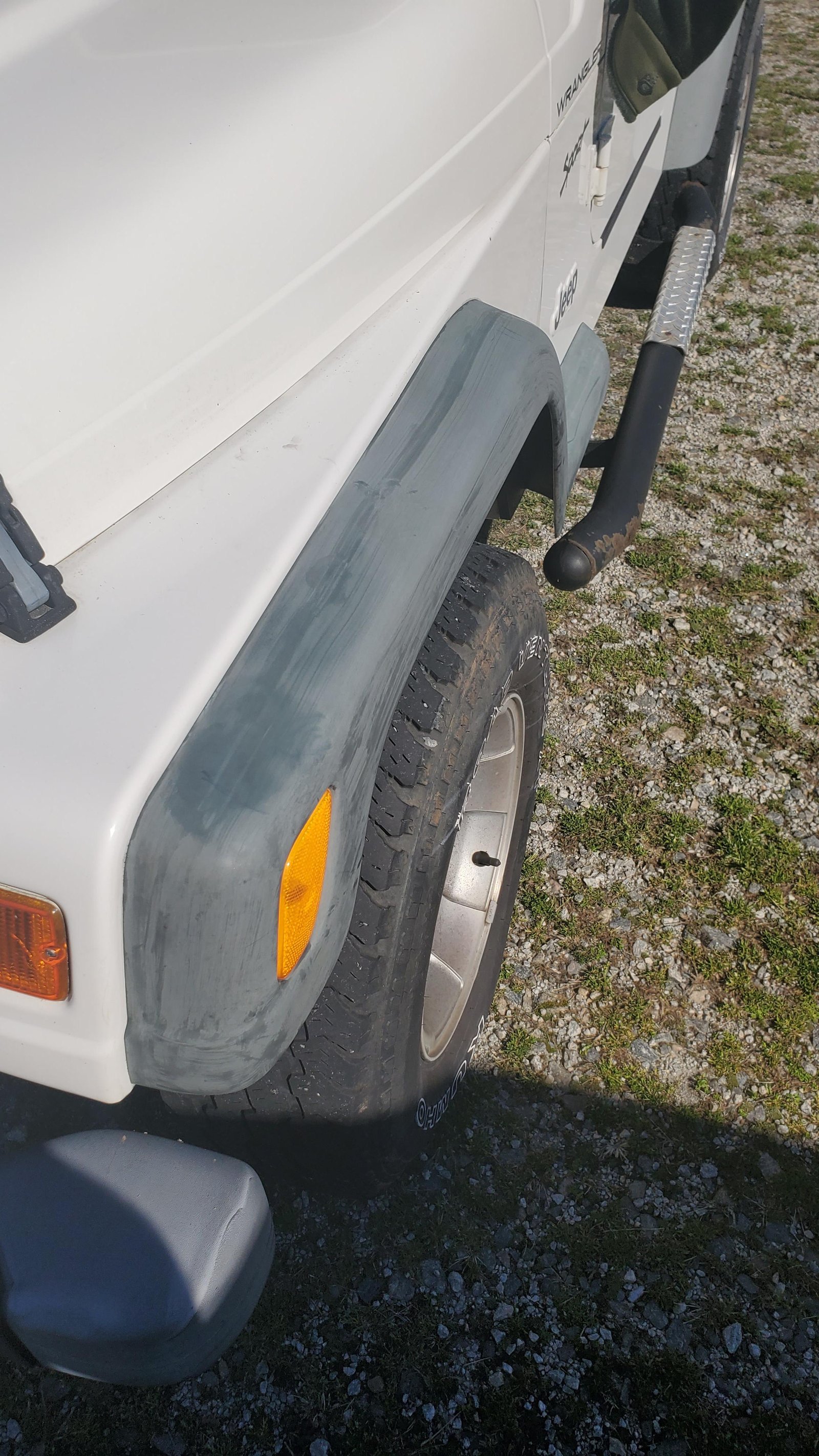
But over time, Jeep fenders often fade, turning from deep black to dull gray. Sunlight, rain, dust, and even washing with the wrong products can cause this problem.
Many Jeep owners worry that restoring the original black color is impossible or expensive. The good news is, you can get your Jeep fenders black again with the right steps, products, and care.
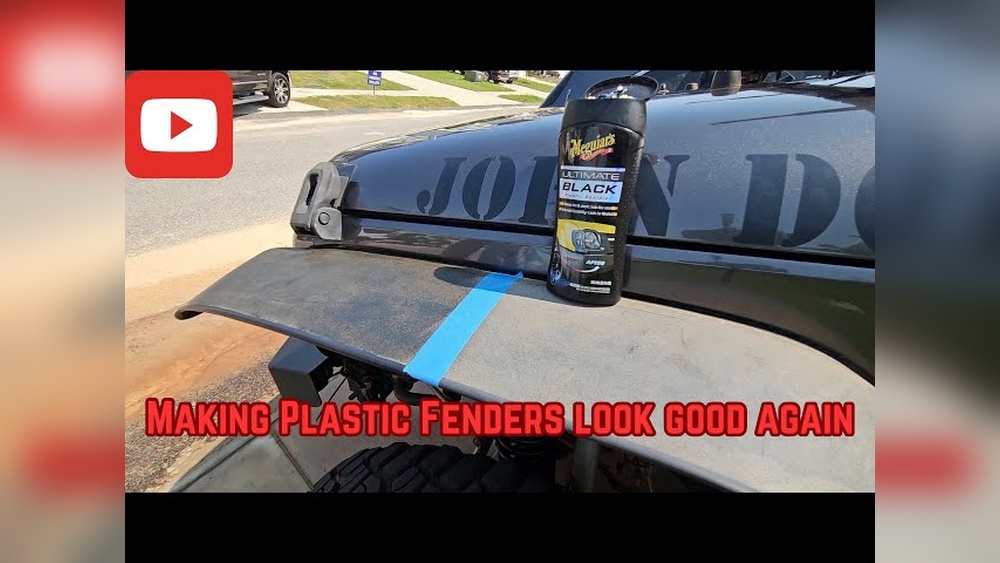
This guide will show you exactly how to do it, save money, and avoid mistakes that most beginners make.
Why Do Jeep Fenders Fade?
Jeep fenders are usually made from plastic or thermoplastic olefin (TPO). These materials are lightweight and tough, but they react badly to UV rays and chemicals. When exposed to sunlight, the fender’s surface breaks down, causing oxidation. This process creates a chalky, whitish layer. Using harsh soaps or strong degreasers also strips away natural oils, making the fenders look even worse.
Here’s how fading happens:
- UV radiation damages the top layer.
- Oils and waxes evaporate or wash away.
- Oxidation builds up, creating a dull finish.
- Scratches from dirt and rocks make the surface rough.
Most Jeep owners don’t realize that regular car soap can speed up fading. Using the wrong cleaners is a common mistake.
Essential Tools And Products
To restore black fenders, you’ll need the right tools and products. Using random household items won’t give you lasting results. Here’s what you should prepare:
- Soft microfiber cloths
- Soft-bristle brush
- Plastic cleaner (not regular car soap)
- Plastic restorer or dye
- Masking tape
- Gloves
- UV protectant
Let’s compare some popular fender restoration products:
| Product | Type | Durability | Price Range |
|---|---|---|---|
| Meguiar’s Ultimate Black | Restorer | 3-6 months | $12-$18 |
| Mother’s Back-to-Black | Restorer | 2-4 months | $10-$15 |
| Forever Black Dye | Dye | 8-12 months | $20-$25 |
If you want a quick fix, a restorer is fine. For longer-lasting color, choose a dye.

Step-by-step Guide To Restore Jeep Fenders
Follow these steps to make your fenders black again. Take your time, and don’t skip any part.
1. Clean Thoroughly
Wash the fenders with a plastic-safe cleaner. Avoid dish soap or strong degreasers. Use a soft brush to remove dirt and debris.
- Rinse with water.
- Dry with a microfiber cloth.
This step prevents streaks and ensures the restorer sticks well.
2. Mask Surrounding Areas
Use masking tape to protect paint, headlights, and metal parts. Many people skip this, but dyes and restorers can stain surfaces.
3. Remove Oxidation
If your fenders are very faded, gently rub with a plastic eraser or a mild abrasive pad. This removes the chalky layer.
- Don’t press too hard; you could scratch the plastic.
- Wipe away residue with a damp cloth.
4. Apply Plastic Restorer Or Dye
Shake the bottle well. Put on gloves.
Apply the product to a soft cloth, not directly on the fender.
- Rub in a circular motion.
- Cover all faded areas.
If using a dye, follow the manufacturer’s instructions. Usually, you’ll need to let it dry for 10 30 minutes.
5. Buff For Shine
After the product dries, buff the fender with a clean microfiber cloth. This step brings out the black color and removes excess product.
6. Add Uv Protection
Finish by spraying or wiping a UV protectant. This keeps the color from fading again. Repeat this step every few months.
Here’s a quick comparison of protectant types:
| Protectant Type | Lasts | Water Repellent |
|---|---|---|
| Spray | 1-2 months | No |
| Gel | 2-4 months | Yes |
Choose gel for better durability, especially if you drive off-road.
Maintenance Tips
Restoring fenders is only half the job. Keeping them black and shiny is the real challenge.
- Wash regularly with a plastic-safe cleaner.
- Avoid automatic car washes with strong chemicals.
- Apply UV protectant every 2–3 months.
- Touch up with restorer as needed.
A common mistake is using tire shine on fenders. It looks good at first, but it dries out the plastic over time.
Real-life Example
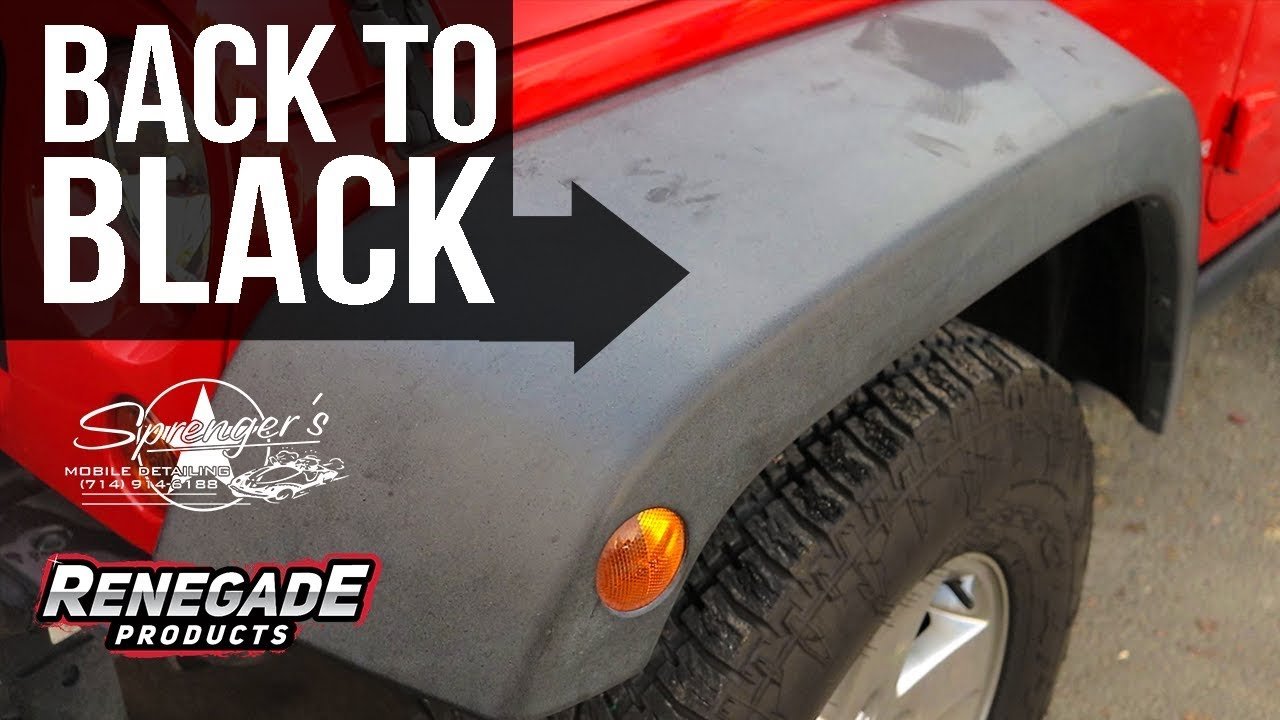
One Jeep owner used Forever Black Dye after years of neglect. The fenders stayed dark for almost a year, even after mud and rain. He avoided harsh soaps and used a gel UV protectant. This combination gave him a longer-lasting result than his friends who only used quick restorers.
Most beginners miss the importance of UV protection and regular cleaning. These steps make the difference between a temporary fix and a lasting result.
Frequently Asked Questions
How Often Should I Restore My Jeep Fenders?
If you use a restorer, repeat every 3 6 months. With a dye, once a year is usually enough.
Applying UV protectant every few months helps keep the color.
Can I Use Household Products Like Wd-40 Or Peanut Butter?
While WD-40 and peanut butter can give a temporary shine, they don’t last. They also attract dust and can damage the plastic over time. Stick to products made for automotive plastics.
What’s The Difference Between A Restorer And A Dye?
A restorer adds oils and conditioners to the surface, making it look black for a short time. A dye actually colors the plastic, lasting much longer. Choose based on your budget and how much effort you want to invest.
Do I Need To Remove The Fenders To Restore Them?
No, you don’t need to remove them. Just use masking tape to protect nearby surfaces.
Removing fenders is only needed for full repainting or deep repairs.
Where Can I Find More Information About Plastic Restoration?
You can find detailed guides and product reviews on the Jeep official website. They offer tips specific to Jeep models and materials.
Restoring your Jeep fenders isn’t just about looks. It protects your vehicle and keeps its value high.
With the right products, steps, and maintenance, your fenders will stay black and bold for years. Take action today and enjoy the difference every time you hit the road.