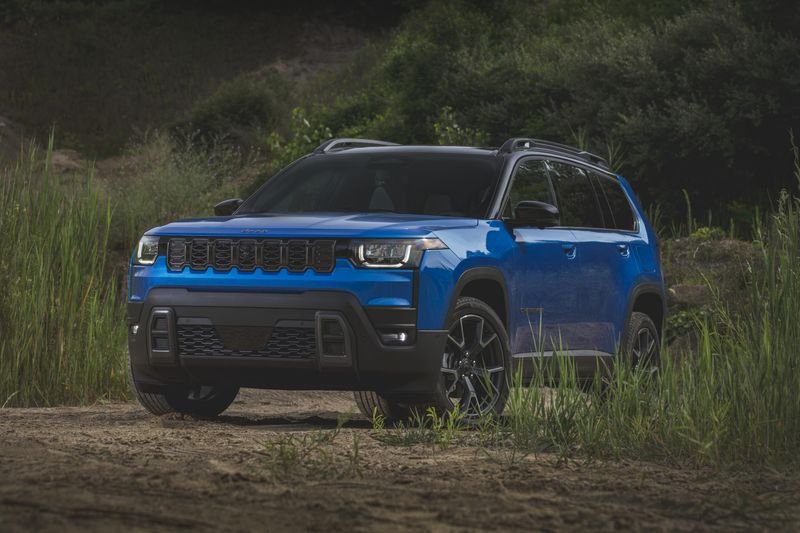
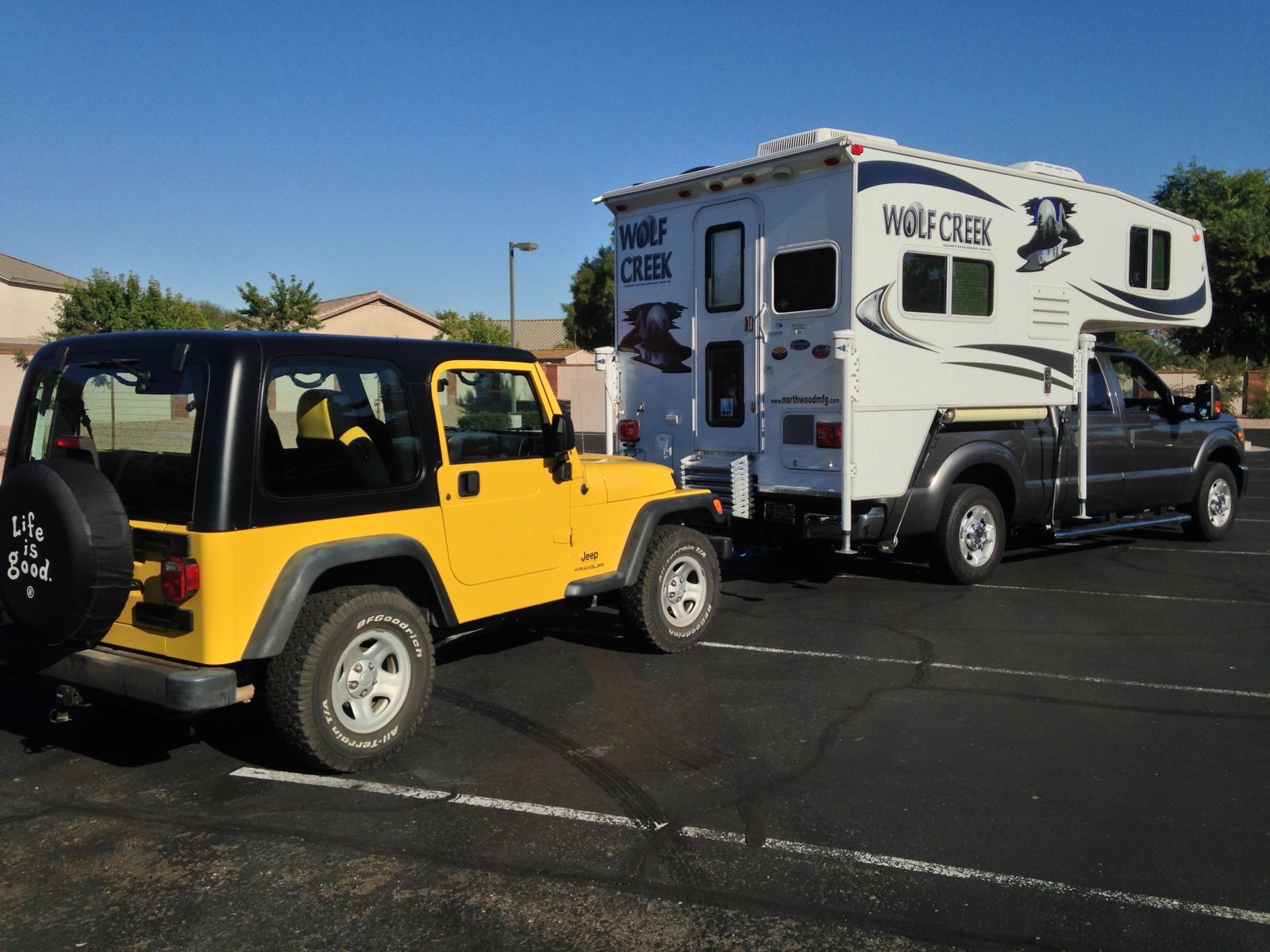
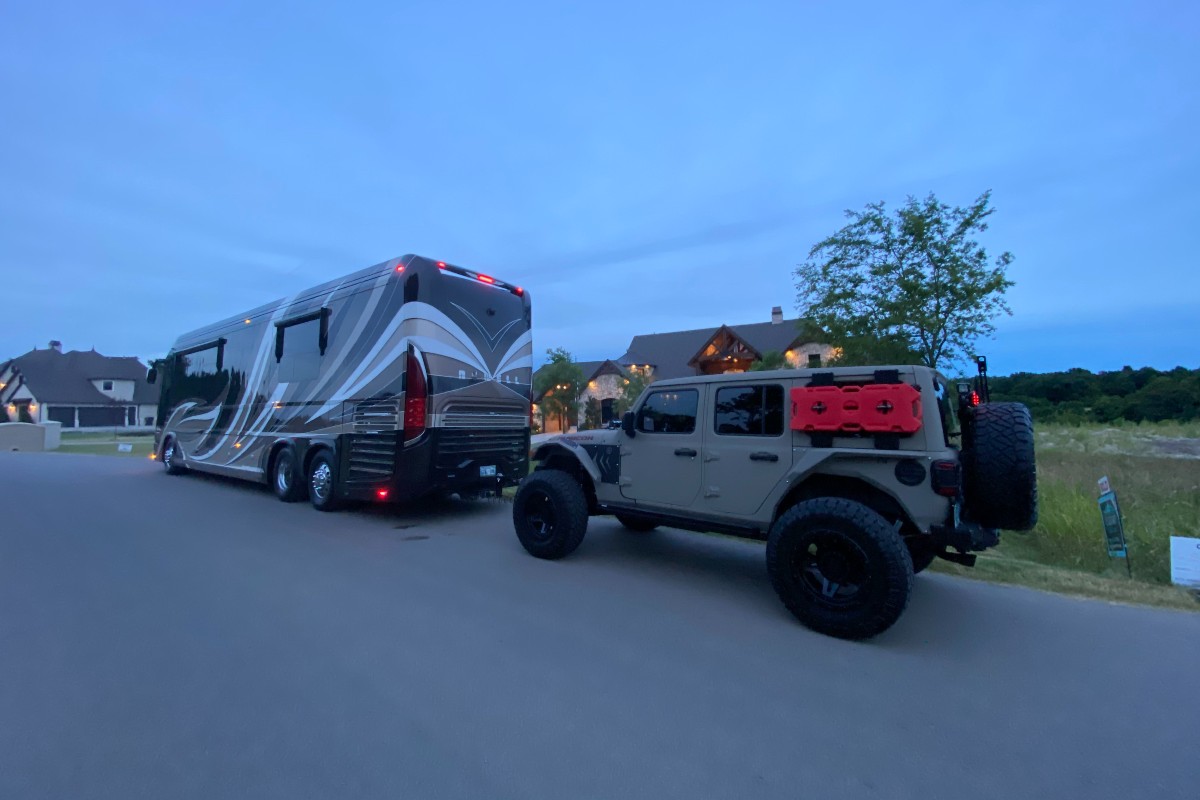
Flat towing a Jeep is a popular method for RV owners and off-road enthusiasts. It means towing the Jeep with all four wheels on the ground, also called "dinghy towing.
" This method is simple and lets you bring your Jeep on adventures without a trailer.
However, flat towing has rules and steps you must follow to keep your Jeep safe and working well. Let’s look at what you need to know to flat tow a Jeep the right way.
What Does Flat Towing Mean?
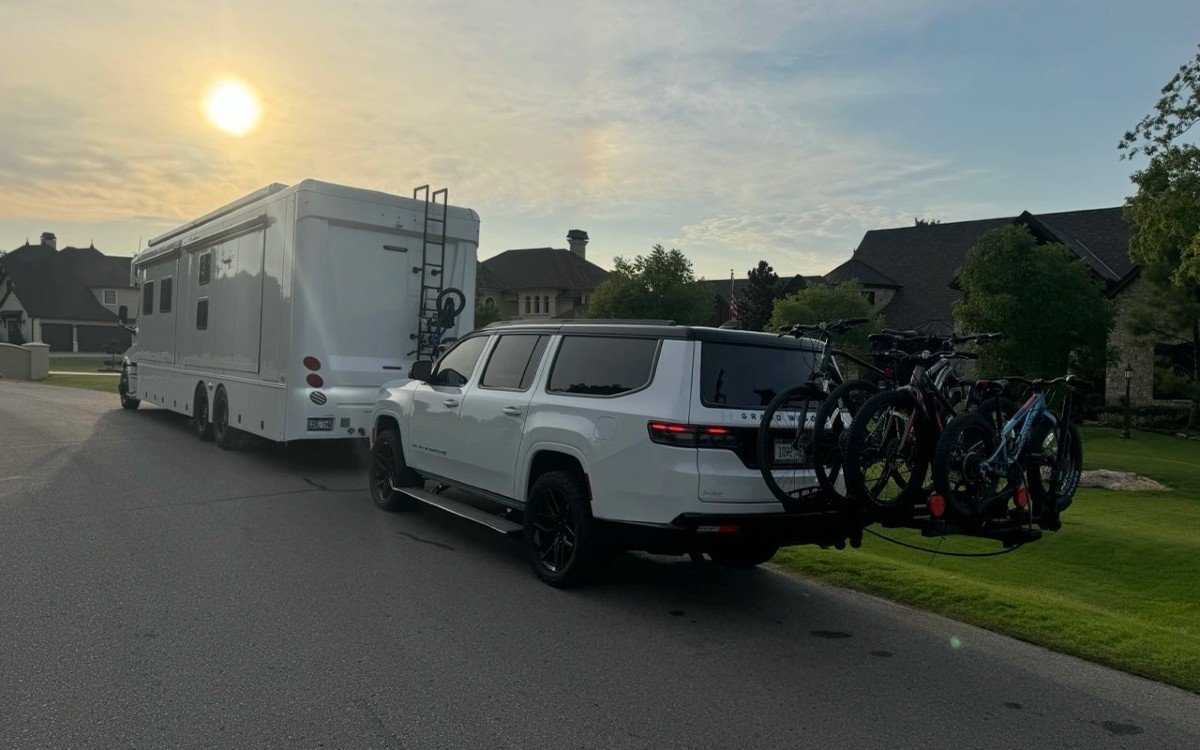
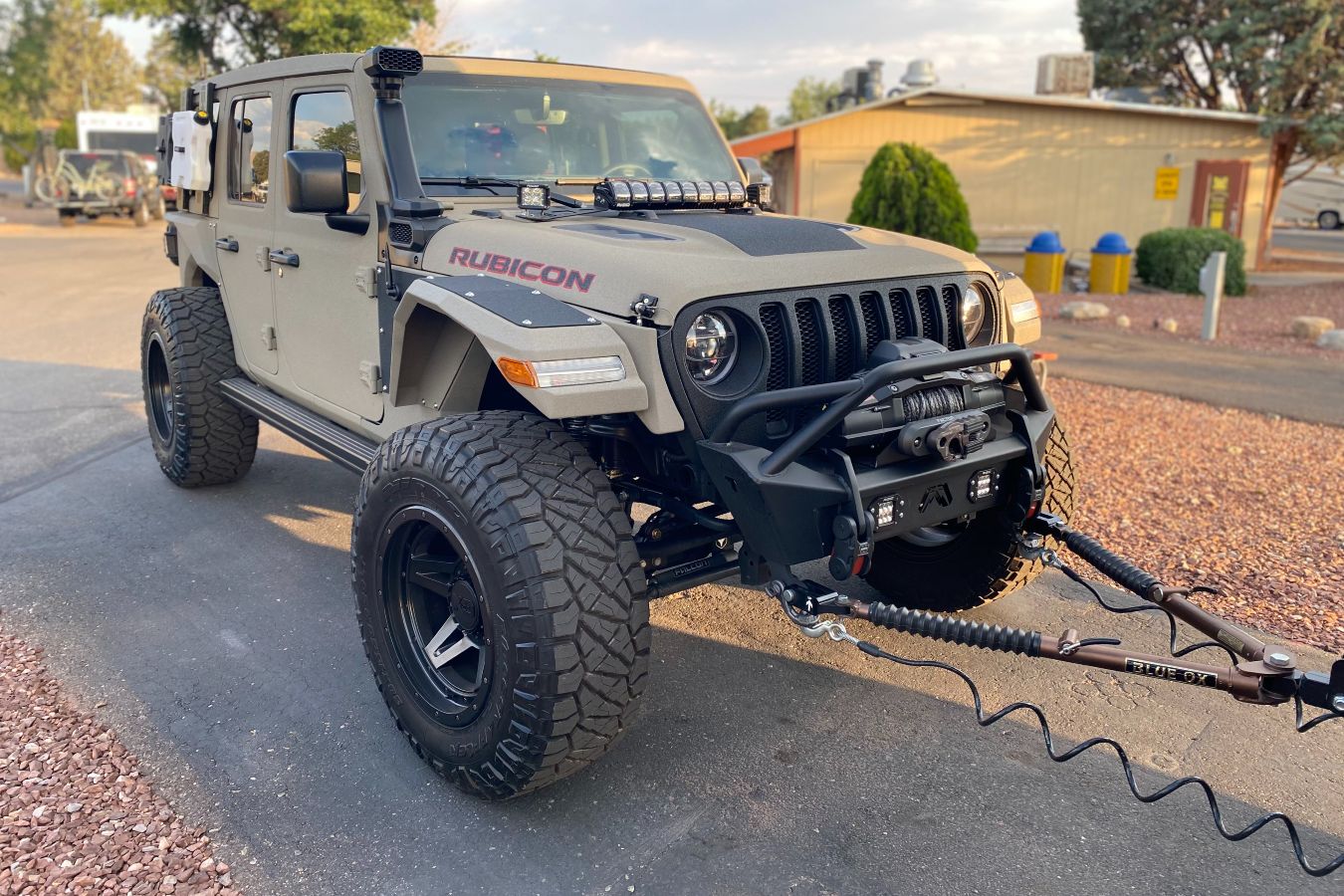
Flat towing uses a tow bar to connect your Jeep to the back of a motorhome or another vehicle. All four wheels stay on the road.
This is different from using a trailer or dolly.
Jeep Wranglers and some other models are known for being flat-tow friendly. Not every vehicle is safe to flat tow. Always check your Jeep’s owner’s manual to confirm.
What You Need To Flat Tow A Jeep
To get started, you need certain equipment and must check your Jeep’s specs. Missing a step here can damage your Jeep’s transmission or steering system.
Essential Equipment
- Tow Bar – The main link between your Jeep and the towing vehicle.
- Base Plate Kit – Bolts to your Jeep’s frame, giving the tow bar a secure attachment point.
- Safety Cables – Add a backup connection in case the tow bar fails.
- Supplemental Braking System – Most states require a separate brake for the towed vehicle.
- Wiring Harness – Connects the Jeep’s lights to the motorhome’s signals.
Model Compatibility
Not all Jeeps are built for flat towing. Here’s a quick look at common Jeep models:
| Jeep Model | Flat Tow Compatible? | Year Range |
|---|---|---|
| Wrangler (TJ, JK, JL) | Yes | 1997–present |
| Gladiator | Yes | 2020–present |
| Cherokee (select trims) | Some | 2014–present |
| Grand Cherokee | No (most trims) | 2011–present |
Insight: Many beginners think all 4×4 Jeeps can be flat towed. This is not true. Only certain transmission and transfer case setups are safe.
How To Flat Tow A Jeep: Step-by-step
Getting your Jeep ready is not just about hooking up a tow bar. Follow these steps for a safe trip.
1. Check The Owner’s Manual
Find the flat tow section. Follow Jeep’s official guidelines for your model and year.
2. Install The Right Equipment
Mount the base plate and tow bar according to the instructions. Double-check that bolts are tight and parts are made for your Jeep’s model.
3. Prepare The Jeep For Towing
- Put the transfer case in Neutral (N).
- Shift the transmission into Park (automatic) or 1st gear (manual).
- Unlock the steering wheel. Most Jeeps do this by leaving the key in the accessory position.
A common mistake is not setting the transfer case to neutral. This can ruin your transmission in minutes.
4. Connect The Tow Bar And Safety Cables
Make sure both ends of the tow bar are locked in place. Cross the safety cables under the tow bar to form a cradle.
This stops the bar from hitting the ground if it disconnects.
5. Attach The Wiring Harness And Brake System
Plug in the wiring harness so your Jeep’s tail lights match the motorhome’s signals. Install and test the supplemental brake system.
6. Do A Final Walkaround
Check everything:
- Tow bar is secure
- Cables are not dragging
- Lights work
- Brake system is tested
Tip: Always do a short test tow in a parking lot to spot problems before hitting the road.
Legal And Safety Considerations
Flat towing is legal in most states, but rules vary. In the US, if the towed vehicle is over 3,000 lbs, a supplemental brake is usually required.
A Jeep Wrangler weighs between 3,900 and 4,400 lbs, so brakes are a must.
Here’s a look at state rules for towing brakes:
| State | Supplemental Brake Needed? |
|---|---|
| California | Yes (over 1,500 lbs) |
| Texas | Yes (over 4,500 lbs) |
| Florida | Yes (over 3,000 lbs) |
| New York | Yes (over 1,000 lbs) |
Non-obvious insight: Some RVers forget to check insurance. Let your insurance company know you are flat towing. Some policies require special coverage.
Common Problems And How To Avoid Them
Even with the right tools, things can go wrong. Watch out for these issues:
- Battery Drain: Leaving the key in accessory drains the battery. Use a battery disconnect switch or fuse bypass.
- Steering Lock: If the steering column locks, the Jeep can skid and damage tires.
- Transmission Damage: Shifting the transfer case or transmission wrong can cause costly repairs.
Tip: Practice hooking up and disconnecting at home. It’s easier to fix mistakes in your driveway than on a highway shoulder.
Cost Of Flat Towing A Jeep
Setting up for flat towing is not cheap, but it’s less than buying a trailer. Here’s what you can expect:
| Item | Estimated Cost (USD) |
|---|---|
| Tow Bar | $400–$1,000 |
| Base Plate Kit | $300–$600 |
| Supplemental Brake | $400–$1,200 |
| Wiring Harness | $100–$300 |
| Installation (optional) | $300–$800 |
Pro tip: Some RV dealers offer package deals. Compare prices and ask about installation quality.
Frequently Asked Questions
Is It Safe To Flat Tow A Jeep Long Distance?
Yes, as long as you follow the correct steps and check your equipment often. Many RVers flat tow their Jeeps across the country every year.
Can I Flat Tow A Jeep With An Automatic Transmission?
Yes, if your Jeep model and year allow it. Set the transfer case to neutral, and the transmission in park.
Always check your owner’s manual for the right steps.
Does Flat Towing Damage My Jeep’s Tires?
No more than normal driving, as long as the steering is unlocked and tire pressure is correct. Rotate your tires as usual.
What Happens If I Tow With The Transfer Case In The Wrong Position?
Towing with the transfer case in 2WD or 4WD high/low can destroy your transmission or transfer case. Always double-check before towing.
Do I Need Special Insurance To Flat Tow My Jeep?
Check with your insurance provider. Some require extra coverage for towing. It’s better to ask before you travel.
Flat towing a Jeep opens up more adventures with less hassle. With the right setup and careful checks, you can tow safely and enjoy your trip. For more details on towing laws and Jeep models, you can visit the Jeep Wrangler page on Wikipedia. Safe travels!