Jeep Wranglers are known for their rugged build and adventurous spirit. However, like any vehicle, even a Wrangler can face door lock problems.
A malfunctioning door lock can be frustrating, especially when you’re out on a trail or heading to work.
Fixing a Jeep Wrangler door lock isn’t always complicated—many issues can be solved with basic tools and some patience. Let’s walk through how to diagnose and repair common door lock issues, so you can get back on the road safely.
Understanding Common Door Lock Problems
Jeep Wrangler door locks can fail in several ways. The most frequent problems include:
- Door lock not engaging or disengaging (manually or with power lock)
- Key not turning in the lock cylinder
- Stuck or jammed lock button
- Remote key fob not working
These issues can stem from different causes such as worn components, electrical faults, or debris inside the mechanism.
Manual Vs. Power Locks
Older Wranglers often use manual locks, while newer models feature power locks. Knowing which system you have helps you focus your troubleshooting.
| Model Year | Lock Type | Common Issues |
|---|---|---|
| Pre-2007 | Manual | Jammed lock, worn key |
| 2007–2017 | Power (optional) | Actuator failure, electrical issues |
| 2018–Present | Power (standard) | Fob battery, wiring faults |
Diagnosing The Problem
Start with a simple check:
- Try all doors: Sometimes, the issue is isolated to one door.
- Test both key and switch: Use the key and the electric switch (if available) to confirm if both fail.
- Check the key fob: If the remote isn’t working, replace its battery first.
Listening For Sounds
When pressing the power lock button, listen for clicking noises. A click usually means the actuator is trying to work.
No sound could mean an electrical issue or a failed actuator.
Tools And Materials Needed
Before you start fixing the lock, gather these tools:
- Phillips and flathead screwdrivers
- Torx bits (T-20, T-30 are common for Wranglers)
- Trim removal tool
- Needle-nose pliers
- Electrical contact cleaner
- White lithium grease
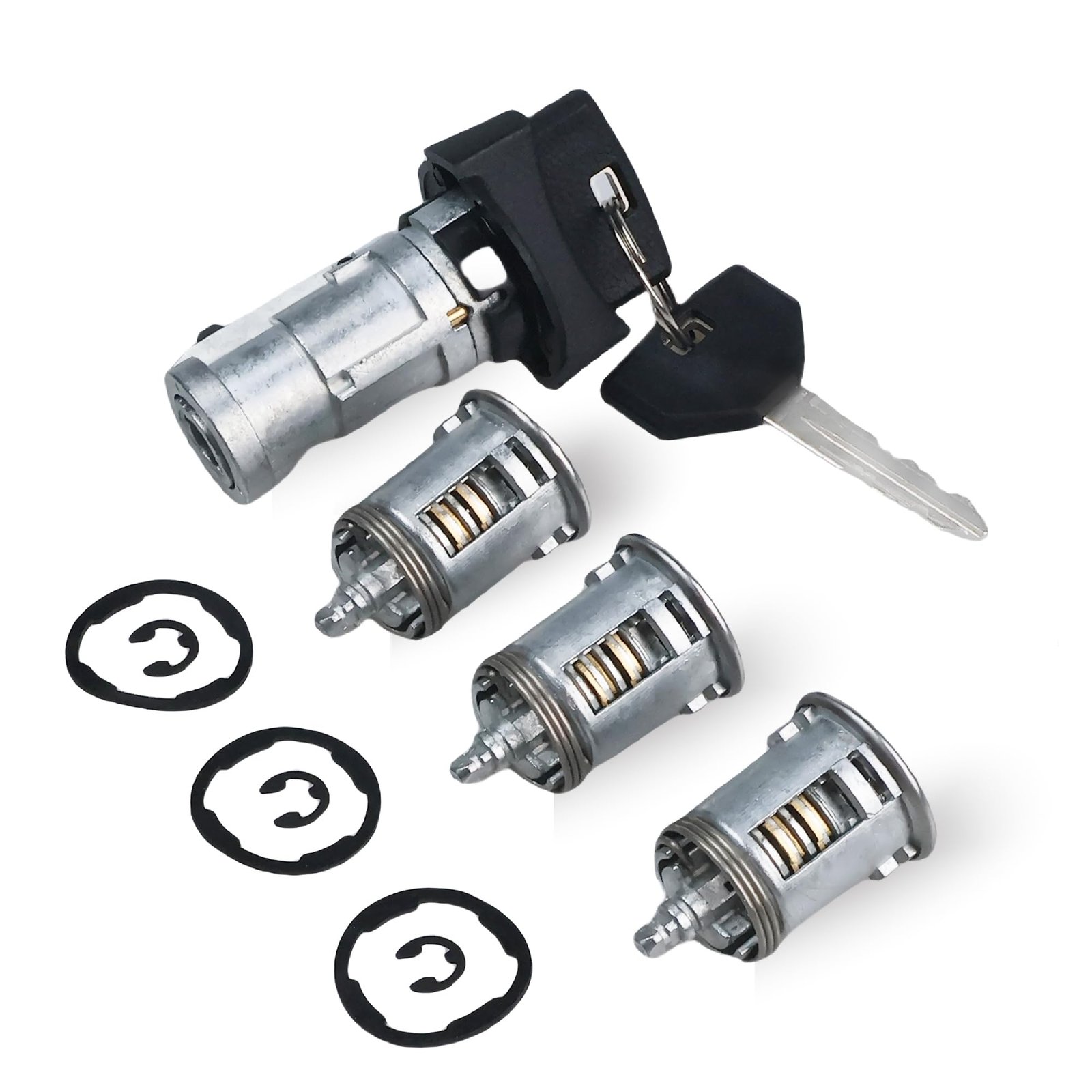
- Replacement actuator or lock cylinder (if needed)
Having the right tools saves time and prevents damage to your Jeep’s interior panels.
Step-by-step Door Lock Repair
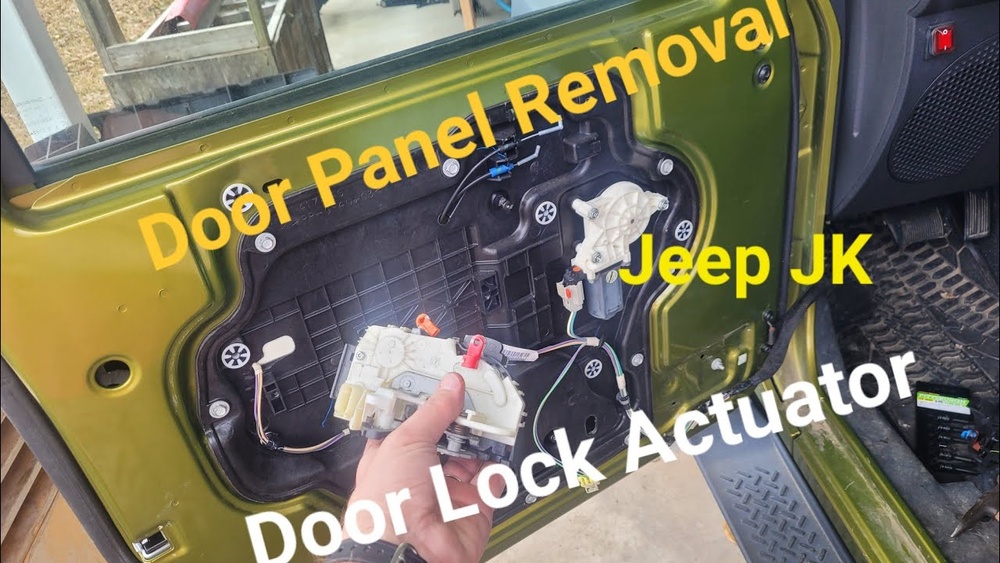
1. Remove The Door Panel
- Disconnect the battery (for power locks) to avoid electrical shorts.
- Use a trim tool to gently pry off the interior panel.
- Remove visible screws and carefully lift the panel away.
- Disconnect any wiring connectors for windows or locks.
2. Inspect The Linkages And Components
- Look for loose rods or disconnected clips. These often cause manual locks to fail.
- Wiggle the lock button and observe if the rods move properly.
3. Clean And Lubricate
- Spray electrical contact cleaner into the lock cylinder and on moving parts.
- Apply white lithium grease to rods and the latch mechanism. This reduces friction and prevents future jams.
4. Test The Actuator
For power locks, check the actuator:
- Unplug the actuator wiring harness.
- Use a multimeter to check for voltage when the lock button is pressed.
- If voltage is present but the actuator doesn’t move, replace the actuator.
5. Replace Faulty Parts
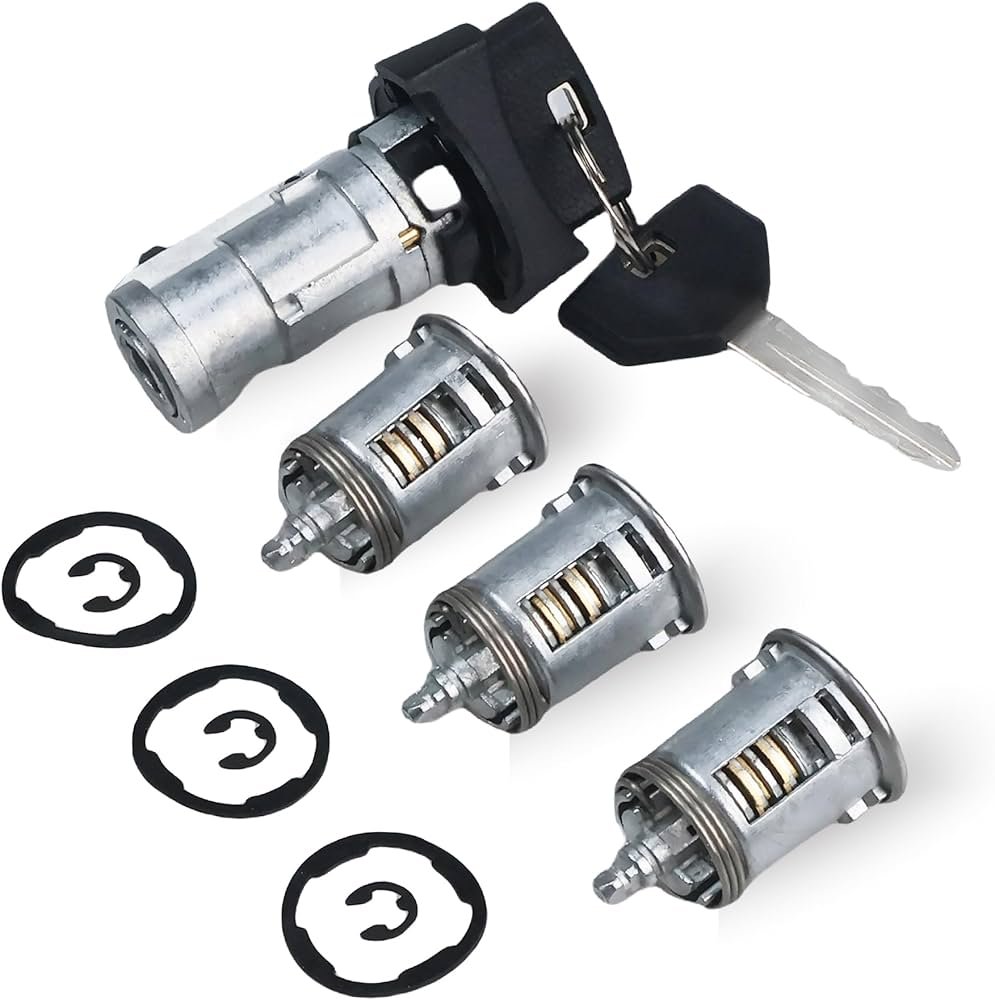
- For a broken lock cylinder, remove the retaining clip and swap in the new cylinder.
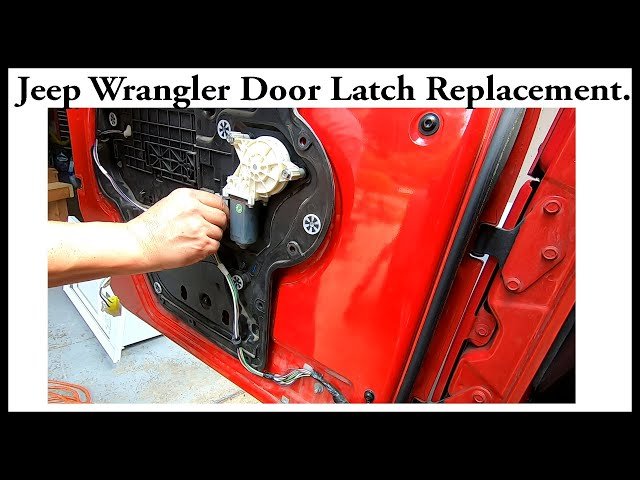
- For a failed actuator, unscrew and swap with a new unit. Ensure all linkages are reconnected.
6. Reassemble The Door
- Reconnect wiring and test the lock before fully reattaching the panel.
- Secure the panel with screws and clips.
- Reconnect the battery and test all functions.
7. Final Checks
- Lock and unlock all doors using the key, switch, and remote.
- Ensure the door opens smoothly and the interior lock button moves freely.
Preventing Future Door Lock Problems
Regular maintenance can reduce lock problems:
- Clean and lubricate the locks every six months, especially after off-road trips.
- Replace key fob batteries yearly.
- Check for signs of rust or dirt buildup inside the door panel.
A helpful tip: If your Jeep has removable doors, always handle wiring harnesses with care when taking doors off or putting them back on.
Cost And Time Comparison
How much will you spend on fixing a Wrangler door lock? Here’s a quick look at average costs and repair times.
| Part/Service | DIY Cost | Shop Cost | Time (DIY) |
|---|---|---|---|
| Lock Cylinder | $25–$60 | $100–$200 | 30–60 min |
| Actuator | $40–$90 | $150–$300 | 1–2 hrs |
| Lubrication/Cleaning | $10–$20 | $50–$100 | 20–30 min |
DIY repairs can save you significant money, but professional help is best if you’re unsure.
When To Seek Professional Help
Not every lock problem can be fixed at home. If you notice:
- Signs of electrical shorts (burning smell, blown fuses)
- Doors that won’t open from inside or outside
- Multiple lock failures at once
It’s best to visit a qualified mechanic or locksmith. Some modern Wranglers have anti-theft systems that require specialized tools for repair.
Frequently Asked Questions
Why Does My Jeep Wrangler Lock Get Stuck After Rain?
Moisture can cause rust or dirt to build up inside the lock mechanism. Lubricate and clean the lock after heavy rain or off-roading to prevent this.
Can I Replace Only The Lock Cylinder Without Changing The Keys?
Yes, but you’ll need to rekey the new cylinder to match your old key. Many auto locksmiths offer this service.
How Do I Know If My Door Lock Actuator Is Bad?
If you press the power lock button and hear no sound or the lock doesn’t move, the actuator may have failed. Testing with a multimeter confirms this.
What Should I Do If My Key Fob Won’t Unlock The Door?
Replace the fob battery first. If it still fails, the issue could be with the fob or the receiver inside the Jeep.
Try using the manual key as a backup.
Are Jeep Wrangler Door Locks Easy To Fix For Beginners?
With basic tools and patience, many door lock issues are fixable at home. If you’re new to car repairs, follow guides or watch tutorials—Jeep forums and resources like Wikipedia can be helpful.
A working door lock keeps your Jeep secure and your day running smoothly. With the right steps, most Wrangler door lock problems can be solved in a few hours, saving you money and frustration.
Take your time, follow safety steps, and enjoy the satisfaction of fixing your Jeep yourself.