Owning a classic vehicle like the 1989 Jeep Wrangler YJ brings a sense of adventure and nostalgia. But when something as important as the hazard lights stops working, it can quickly turn into a real headache.
Hazard lights are not just for emergencies—they're a critical safety feature, letting others know your Jeep is stopped, experiencing trouble, or needs extra caution. If you’re struggling with malfunctioning hazard lights on your YJ, this guide will help you diagnose, fix, and understand the most common issues, all without needing advanced mechanical skills.
With clear steps and practical advice, you’ll soon know exactly what to do.
What Hazard Lights Do And Why They Matter
Hazard lights, also known as emergency flashers, are designed to make your Jeep visible when something goes wrong. They’re used when you:
- Stop on the roadside
- Drive slowly due to a mechanical issue
- Warn others of danger ahead
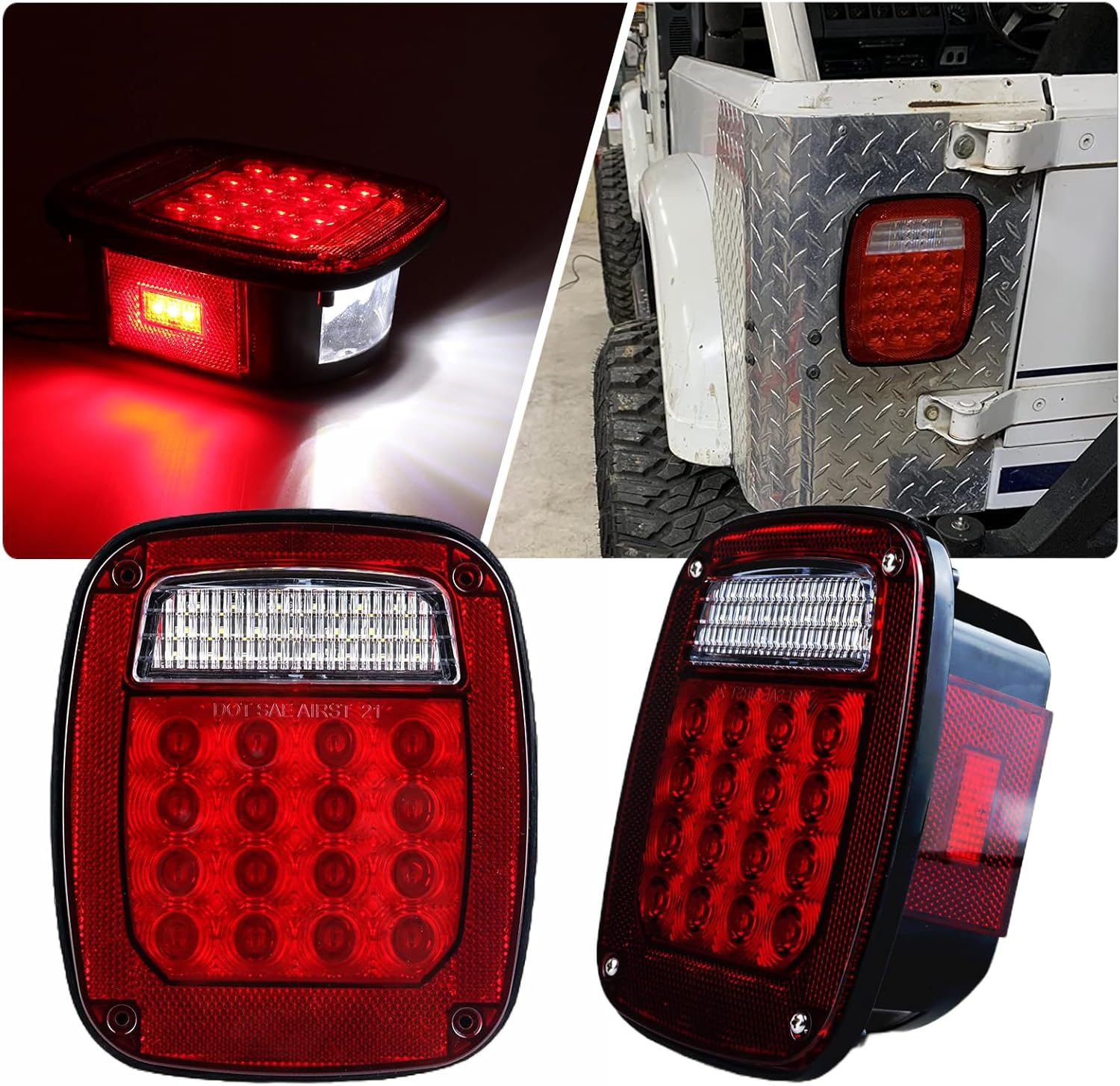
On a 1989 Wrangler YJ, the hazard lights use the same bulbs as the turn signals, but they flash all four corners at once. If your hazard lights fail, your safety and even legal compliance can be at risk.
Common Causes Of Hazard Light Failure
Before you start fixing, it’s smart to know what usually causes hazard lights to stop working:
- Blown fuse: Electrical power can’t reach the lights.
- Faulty flasher relay: This controls the blinking.
- Bad switch: The hazard switch itself can wear out.
- Wiring issues: Old wires may break or corrode.
- Burnt bulbs: If all bulbs are dead, nothing flashes.
- Grounding problems: Poor ground means bad connection.
Most fixes are simple with basic tools, but some wiring problems may need a bit more patience.
Tools And Materials You’ll Need
To get started, gather these items:
- Screwdrivers (Phillips and flathead)
- Socket set
- Multimeter (for testing electrical current)
- Replacement bulbs (if needed)
- Replacement fuse (15A or 20A, check your manual)
- Flasher relay (for 1989 YJ)
- Electrical contact cleaner
- Needle-nose pliers
- Wiring diagram (optional but helpful)
Having everything ready saves time and avoids frustration.
Step-by-step: Diagnosing And Fixing Hazard Lights
1. Check The Fuse
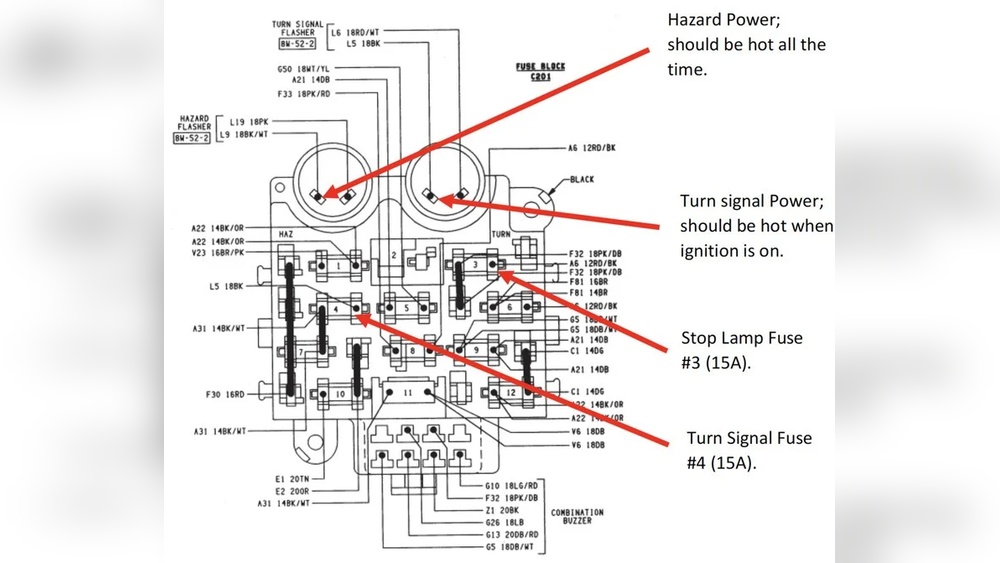
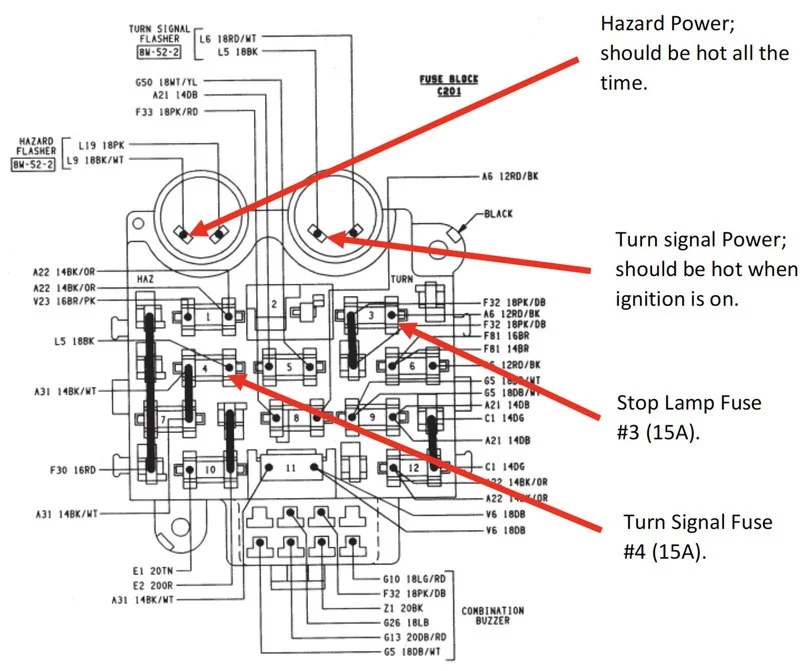
Start simple. The hazard lights are powered by a fuse in the fuse box, usually under the dashboard.
- Locate the fuse box under the steering column.
- Find the fuse labeled “Hazard” or “Turn/Hazard.”
- Remove the fuse and check if it’s burnt (the metal strip inside will be broken).
- Replace with a new fuse of the same amperage.
Insight: Many Jeep owners forget to check both the hazard and turn signal fuses, as they sometimes share circuits.
2. Inspect The Flasher Relay
The flasher relay makes your hazard lights blink. If it fails, lights either stay solid or don’t work at all.
- The relay is usually a small, cylindrical metal or plastic piece in the fuse box area.
- Unplug the relay and plug in a new one.
- Test the hazard lights.
Tip: Sometimes, the relay for hazards is separate from the turn signal relay. Double-check your owner’s manual.
3. Test The Hazard Switch
The hazard switch is located on the steering column or dashboard.
- Press the switch several times; sometimes dirt blocks the contacts.
- Remove the switch cover if possible and spray electrical contact cleaner.
- If cleaning doesn’t help, replace the switch.
Example: A sticky switch is a common problem in older YJs. Cleaning can often restore function without replacement.
4. Check Bulbs And Sockets
Burnt bulbs are a simple fix, but sockets can be corroded too.
- Remove all four bulbs (front and rear).
- Inspect for blackened glass or broken filaments.
- Replace any bad bulbs.
- Check sockets for rust or corrosion; clean with contact cleaner.
Non-obvious tip: Even if one bulb is bad, all hazard lights may fail—this is a unique issue in some YJs.
5. Inspect Wiring And Grounds
Wiring problems are more complex but often visible.
- Check for disconnected or frayed wires under the dash and near bulb sockets.
- Look for loose ground wires attached to the body or frame.
- Tighten or reconnect any loose wires.
Data: Over 60% of electrical issues in classic Jeeps are due to poor grounding.
6. Test With A Multimeter
If all else fails, use a multimeter to check for voltage.
- Set the multimeter to DC voltage.
- Test the hazard circuit at the fuse box, switch, and bulbs.
- If voltage is missing, trace the wire back to its source.
Practical advice: Don’t skip this step—it helps pinpoint hidden issues without guessing.
Comparison: Hazard Vs. Turn Signal Circuit
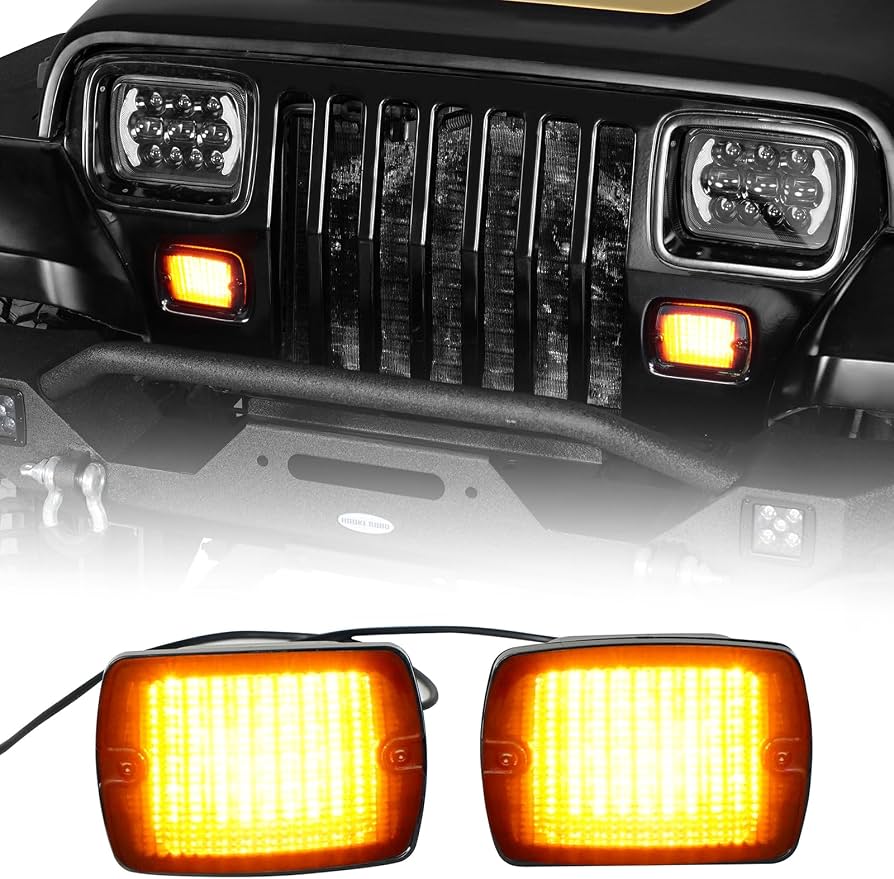
Many owners confuse the hazard and turn signal circuits. Here’s how they differ:
| Feature | Hazard Lights | Turn Signals |
|---|---|---|
| Bulbs Used | All four corners | One side only |
| Relay | Separate or shared | Separate or shared |
| Switch Location | Dash/steering column | Steering column |
| Purpose | Emergency warning | Turning indication |
Data Table: Common Parts And Costs
Knowing the average cost helps you plan repairs.
| Part | Typical Price (USD) | Replacement Difficulty |
|---|---|---|
| Fuse | $1–$5 | Easy |
| Flasher Relay | $10–$25 | Easy |
| Hazard Switch | $15–$40 | Medium |
| Bulbs | $2–$10 | Easy |
| Wiring | $10–$50 | Medium |
Preventing Future Hazard Light Problems
Fixing your hazard lights is only part of the story. You want to avoid repeating the process.
- Regularly check bulbs and sockets for corrosion.
- Inspect fuses every 6 months—old vehicles sometimes vibrate them loose.
- Clean switches with contact cleaner annually.
- Check wiring after any off-road adventure; mud and water can damage connections.
- Avoid cheap parts—low-quality relays and bulbs fail faster.
Real-world Example: Troubleshooting A 1989 Jeep Yj
Let’s look at a real case. Jake’s 1989 Jeep Wrangler YJ hazard lights stopped working after a bumpy ride.
He checked the fuse fine. Replaced the relay no change.
He cleaned the hazard switch, still nothing. Finally, he found a loose ground wire behind the rear taillight.
Tightening the wire restored function.
Insight: Ground wires are often overlooked, but they are a frequent cause of electrical issues in older Jeeps. Always check them last if other fixes don’t work.
Table: Troubleshooting Steps Vs. Time Needed
Here’s an overview of the time each fix may take.
| Step | Estimated Time |
|---|---|
| Fuse Check | 5 minutes |
| Relay Replacement | 10 minutes |
| Switch Cleaning/Replacement | 20–40 minutes |
| Bulb/Sockets | 15 minutes |
| Wiring/Grounds | 30–60 minutes |
| Multimeter Testing | 20–30 minutes |
If Nothing Works: When To Seek Professional Help
If you’ve tried all the steps and your hazard lights still don’t work, it may be time to call a mechanic. Electrical problems in classic vehicles can sometimes be hidden deep within the wiring, and fixing them may need special tools or expertise.
Tip: Choose a mechanic familiar with classic Jeeps—they know common YJ quirks.
Frequently Asked Questions
What Fuse Controls The Hazard Lights On A 1989 Jeep Wrangler Yj?
The hazard fuse is usually found in the fuse box under the dashboard, labeled “Hazard” or “Turn/Hazard.” Always use the correct amperage—most YJs use a 15A or 20A fuse.
How Do I Know If The Flasher Relay Is Bad?
If your hazard lights don’t blink or stay solid, the flasher relay may be faulty. Listen for clicking when the hazards are on. No sound usually means a bad relay.
Can One Bad Bulb Cause All Hazard Lights To Fail?
Yes. On the 1989 YJ, if one bulb burns out, sometimes all hazard lights stop working. Replace all bulbs if you’re unsure.
Where Is The Hazard Switch Located On A 1989 Jeep Yj?
The hazard switch is usually on the steering column, often a small pull-out or push button. Check your owner’s manual for exact placement.
Is It Safe To Drive Without Working Hazard Lights?
No. Hazard lights are a legal requirement and a safety feature. Driving without them can be dangerous and may result in fines.
Restoring your hazard lights is more than a repair—it’s about keeping your classic Jeep safe and ready for any adventure. With these steps, you can confidently fix your 1989 Jeep Wrangler YJ and avoid common pitfalls. For more details on classic Jeep wiring, you can check Wikipedia. Remember, regular checks and quality parts will keep your YJ’s hazard lights shining bright for years to come.