Flat spotted tires can turn a smooth ride into a noisy, uncomfortable journey. Many drivers experience this problem after their car sits unused for days or weeks, especially in cold weather.
When tires develop flat spots, you may notice vibrations, thumping sounds, or reduced handling.
These signs can be alarming, but the issue is often fixable if you act quickly. In this guide, you’ll learn how to identify flat spots, understand their causes, and discover practical ways to restore your tires and your peace of mind.
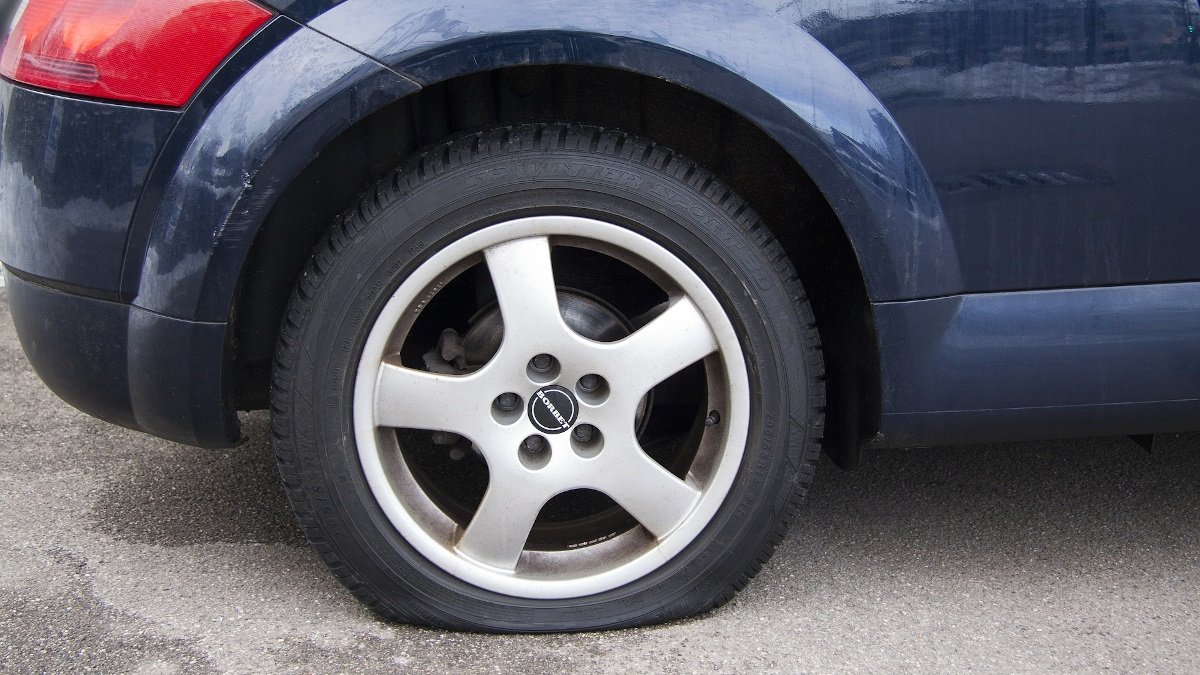
What Are Flat Spotted Tires?
Flat spots form when a tire sits stationary, and the weight of the vehicle presses down on one area. This happens most often when:
- Cars are parked for extended periods
- Tires are underinflated
- Temperatures are low
The longer a car sits without moving, the higher the risk. Even a few days of immobility in cold conditions can cause a noticeable flat spot, especially if the tires were already a bit soft.
People with collectible or rarely used cars see this problem more often, but it can happen to anyone.
There are two main types:
- Temporary flat spots: Usually go away after driving a few miles.
- Permanent flat spots: Caused by severe pressure or age, and need professional attention.
Flat spots can affect both regular vehicles and high-performance cars, but are especially common with performance tires due to their softer rubber. High-performance tires have a sticky, softer compound that offers better grip but doesn’t handle sitting still as well as harder tires. You might even notice flat spots after just a weekend if your car has summer or racing tires.
| Type | Duration | Fixability |
|---|---|---|
| Temporary | Hours to days | Easy (driving) |
| Permanent | Weeks+ | Difficult (may need replacement) |
How To Identify Flat Spotted Tires
Recognizing flat spots early is important. Common symptoms include:
- Vibration in the steering wheel
- Thumping noise from the tires
- Uneven handling or pulling
The vibrations and thumps usually get worse the faster you drive. Sometimes, the car may feel “heavy” or slow to respond when you turn the wheel.
If the flat spot is big, your car might even shake at certain speeds, and the noise can be distracting or even alarming.
To confirm, visually inspect your tires:
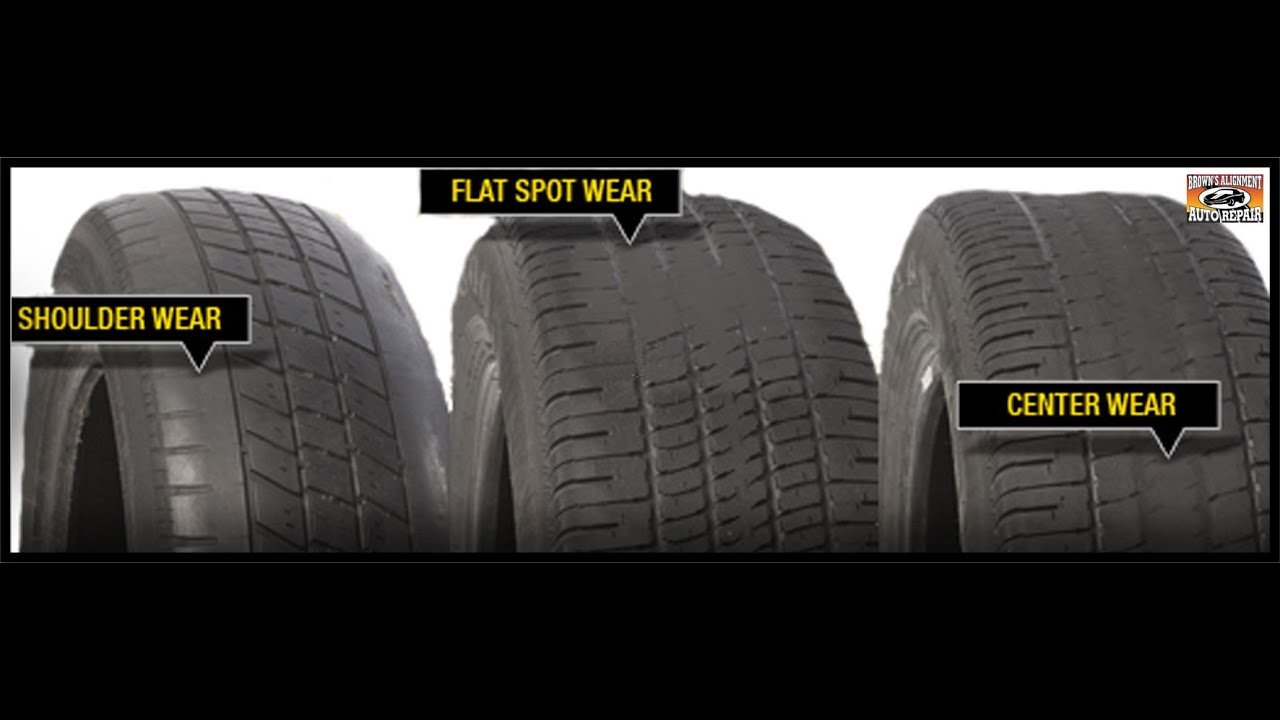
- Look for uneven surfaces or flat areas on the tread.
- Run your hand over the tire; a flat spot feels different from the rest.
A flat spot may look like a worn patch, but it usually feels rough or uneven if you run your hand around the tire’s surface. If you have a flashlight, shining it at an angle can help you spot the difference in shape.
If you’re unsure, a tire shop can check using a balance machine. The technician will spin the tire and look for unevenness or “hop.
” Don’t ignore the signs, as driving on a bad flat spot can cause other problems, like premature wear or damage to your suspension.
Steps To Fix Flat Spotted Tires
Fixing flat spots depends on their severity. Here’s a practical approach:
1. Drive The Car
Most temporary flat spots resolve just by driving:
- Start with a 15–30 minute drive at moderate speed.
- The heat and movement help the rubber regain its shape.
Sometimes, especially after a cold night, the first few miles may feel rough or noisy, but the ride should smooth out as the tires warm up.
If you park again, try to pick a different spot on the tire next time to avoid repeating the problem.
2. Check Tire Pressure
Underinflated tires worsen flat spots. Inflate to the recommended PSI (usually found on the door frame or in your manual).
Many people forget to check tire pressure when temperatures drop, but cold air lowers PSI. If your tires are even 5 PSI below the recommended level, flat spots are much more likely and will last longer.
| Car Type | Recommended PSI | Effect of Low PSI |
|---|---|---|
| Sedan | 32–35 | Flat spots more likely |
| SUV | 35–40 | Heavier weight, bigger risk |
3. Warm Up The Tires
Cold weather makes tires stiff. If possible, drive during the warmest part of the day.
Some drivers use a garage heater to speed up recovery.
If you don’t have a heated garage, even simply parking in sunlight helps. Warmer rubber flexes more, so the flat spot disappears faster.
In extreme cold, it might take longer than usual be patient and avoid sudden sharp turns until the ride smooths out.
4. Inspect And Rotate Tires
After driving and inflating, check the tires again. If the flat spot remains:
- Rotate the tires to move the affected area off the main driving wheels.
- This spreads the wear and may help the spot fade.
Rotation is especially useful if you have a front-wheel drive car, as the front tires take more stress. Swapping them with the rear can sometimes smooth out minor issues over time.
5. Professional Repair Or Replacement
If the flat spot doesn’t resolve, consult a tire shop. They may:
- Use tire shaving (removes damaged rubber)
- Recommend replacement if the tire is structurally damaged
Permanent flat spots can weaken the tire and increase risk. Ignoring these signs can lead to sudden tire failure, especially at highway speeds.
If the flat spot is deep or you see cracks, do not keep driving on that tire.
Preventing Flat Spots
Prevention is easier than repair. Here are proven tips:
- Avoid long parking: Drive your car at least once a week.
- Maintain tire pressure: Check monthly, especially in winter.
- Use tire cradles: These devices spread weight and reduce pressure on one spot.
- Store cars properly: For long-term storage, jack up the vehicle or use storage tires.
Many drivers overlook the importance of tire pressure. Even a drop of 5 PSI can double the risk of flat spots.
Also, tires over six years old are more prone due to hardened rubber. If you plan to store a car for several months, consider removing the wheels and storing them horizontally in a cool, dry place to reduce the risk even more.
Another trick is to move the car a few feet every few weeks, so the tires don’t rest on the same spot for months. This simple habit is often enough to keep your tires in good shape.
| Prevention Method | Effectiveness | Cost |
|---|---|---|
| Regular driving | High | Free |
| Tire cradles | Medium | $40–$100 |
| Pressure checks | High | $0–$10 |
| Jack stands | Very high | $50–$150 |
When To Replace Flat Spotted Tires
Some flat spots cannot be fixed. Replace your tires if:
- The flat spot is deep or visible after driving
- You see cracks or bulges
- The tire is over six years old
- Professional repair is not possible
If you feel your car pulling to one side, or if the steering wheel shakes at certain speeds, these can be signs the tire is beyond repair.
Don’t wait for a blowout replacing a damaged tire is always safer and cheaper than dealing with an accident.
Replacing damaged tires improves safety and performance. According to the National Highway Traffic Safety Administration, tire-related accidents caused over 600 deaths in the US in 2019 (NHTSA).
Frequently Asked Questions
What Causes Flat Spots On Tires?
Flat spots are caused by the vehicle’s weight pressing on the same area for long periods. Low tire pressure and cold weather increase the risk.
Even parking on a very hot surface can sometimes lead to flat spots if the tire compound is soft.
How Can I Tell If A Flat Spot Is Permanent?
Permanent flat spots usually don’t go away after driving 20 30 miles and often show visible damage. Temporary spots disappear with use.
If you still feel vibration after several drives, have a professional check it.
Is Driving With Flat Spotted Tires Safe?
Short drives are usually safe if the flat spot is minor. Deep or permanent flat spots can be dangerous and should be checked by a professional.
Listen for any changes in sound or handling these can be warning signs.
Can Tire Shops Fix Flat Spots?
Tire shops can sometimes fix mild spots using tire shaving. Severe spots, especially with structural damage, require replacement.
Not all shops offer tire shaving, so call ahead.
Are Flat Spots Covered By Warranty?
Most tire warranties don’t cover flat spots caused by parking or low pressure. Check your specific warranty for details.
Some high-end tires include road hazard coverage, but this is rare.
Fixing flat spotted tires is often simple if you catch the problem early. Temporary spots can be resolved by driving and maintaining proper pressure.
If you notice persistent vibration or visible damage, seek professional help. Preventing flat spots saves money, improves safety, and keeps your ride smooth.
Regular attention to tire care makes all the difference.