Searching for Jeep trails can feel like a treasure hunt for outdoor lovers. With the right tools and a bit of planning, you can discover amazing off-road paths that fit your skill level. Whether you want a scenic drive or a challenging adventure, finding the best trails is easier when you know where to look and what to check. Let’s explore practical ways to uncover Jeep trails that match your sense of adventure.
Where To Search For Jeep Trails
A good search starts with knowing where to look. These sources can help you find reliable and up-to-date trail options:
- Online Trail Databases: Sites like AllTrails and Trailsoffroad offer huge collections of trail maps and reviews. You can filter by location, difficulty, or trail type.
- Jeep Clubs and Forums: Local Jeep clubs often share trail info, organize group rides, and post recent trail conditions. Forums like JeepForum and WranglerForum are also full of tips.
- Social Media: Platforms like Facebook and Instagram let you search hashtags or group pages for trail photos and recommendations.
- Guidebooks and Maps: Printed off-road guides provide detailed trail descriptions, GPS coordinates, and sometimes historical notes.
- Local 4×4 Shops: Staff often know the area’s best spots and may even offer guided trips.
Comparing Online Resources
To help you decide where to start, here’s a quick look at popular trail-finding platforms:
| Platform | Coverage | User Reviews | Offline Maps |
|---|---|---|---|
| AllTrails | Global | Yes | Yes (paid) |
| Trailsoffroad | USA-focused | Yes | Yes (paid) |
| JeepForum | USA/Global | Yes | No |
What To Check Before Choosing A Trail
Not all Jeep trails are the same. Before you hit the road, consider these key points:
- Trail Difficulty: Trails are usually rated easy, moderate, or hard. Check if the trail matches your driving skill and your Jeep’s ability.
- Trail Length and Time: Estimate how long the trail will take. Some routes last an hour, while others can fill a day.
- Weather and Seasons: Rain or snow can change trail conditions quickly. Always check recent weather reports.
- Legal Access: Make sure the trail is open to vehicles and not private or closed for the season.
Trail Difficulty Ratings
Here’s a common rating system for Jeep trails:
| Rating | Description | Vehicle Needed |
|---|---|---|
| Easy (Green) | Gravel roads, few obstacles | Stock Jeep |
| Moderate (Blue) | Some rocks, mud, inclines | Lifted Jeep, all-terrain tires |
| Hard (Black) | Large rocks, steep climbs | Modified Jeep, recovery gear |
How To Use Apps And Maps Effectively
Modern technology makes trail planning easier. Here’s how to get the most out of your digital tools:
- Download Offline Maps: Cell service may not work on remote trails. Save maps in advance.
- Use GPS Waypoints: Mark important points like trailheads, campsites, and exits.
- Read Recent Reviews: Check for updates from other drivers about closures, washouts, or obstacles.
- Combine Sources: Use both digital apps and printed maps for backup.
A common mistake is relying only on one source. Even top-rated apps can have outdated info.
Always double-check with multiple resources or local contacts.
Learning From Local Knowledge
Some of the best trails are not on big websites. Here’s how to tap into local expertise:
- Attend Jeep Events: Rallies and meetups are great for networking and sharing info.
- Ask Park Rangers: For public lands, rangers know which routes are open and safe.
- Visit Off-Road Shops: Local stores often have bulletin boards with trail news.
New drivers often overlook these options, missing out on hidden gems that locals love.
Safety And Trail Etiquette
Safety should always come first. Here’s how to stay safe and respect the trails:
- Tell Someone Your Plan: Always let a friend know where you’ll be.
- Pack Recovery Gear: Bring essentials like a tow strap, first aid kit, and water.
- Follow Tread Lightly Principles: Stay on marked trails and avoid damaging nature.
- Yield to Uphill Traffic: On narrow trails, let vehicles going uphill pass.
A common beginner error is forgetting recovery gear or not knowing basic trail rules. This can turn a fun trip into a tough situation.
Sample Jeep Trail Destinations
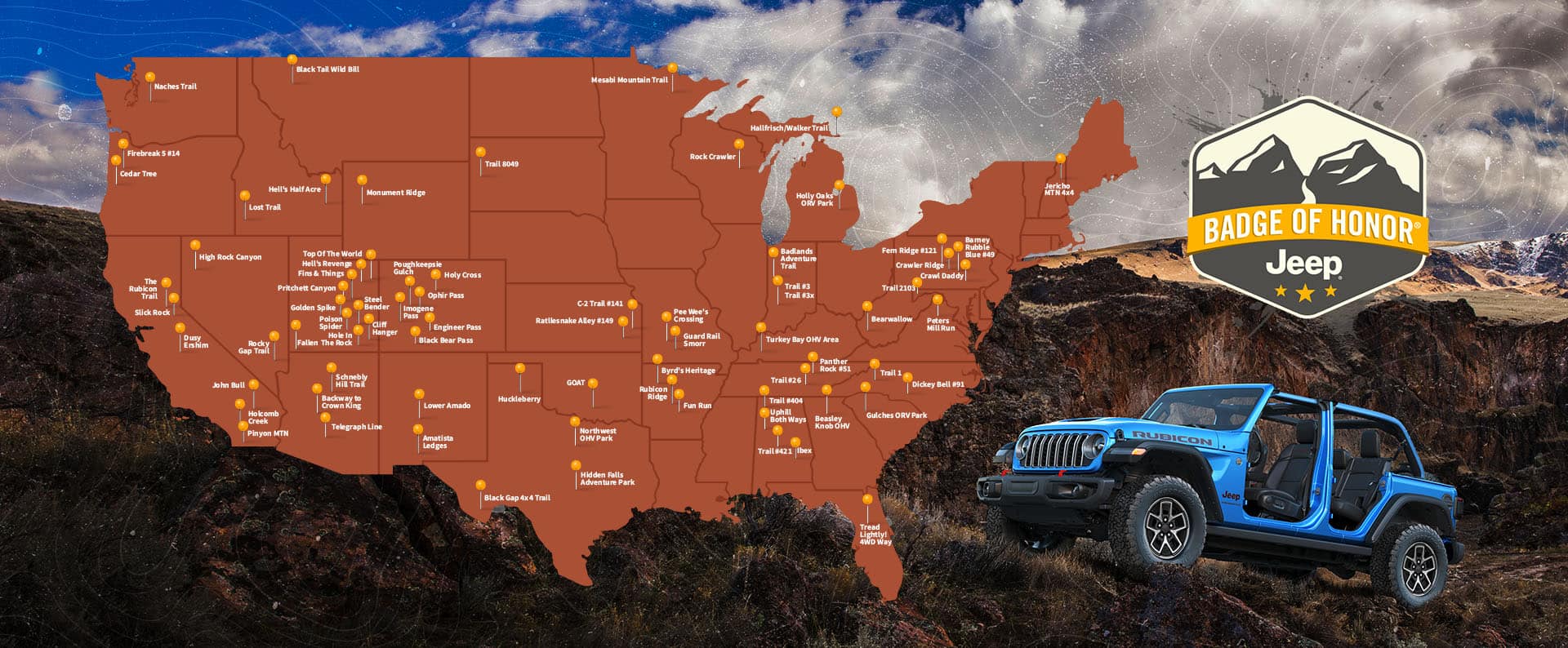
Here are some famous Jeep trail areas in the US for inspiration:
- Rubicon Trail, California: Known for its challenging rocks and history.
- Moab, Utah: Offers trails for all levels, with stunning red rock views.
- Ouray, Colorado: High mountain passes and scenic views.
- Ocala National Forest, Florida: Sandy trails great for beginners.
You can explore more about these places from the official US Forest Service website.

Frequently Asked Questions
How Do I Know If A Jeep Trail Is Legal To Drive On?
Check with local land management offices or use official apps. Trails on public lands often have signs at trailheads. Never drive on private land without permission.
What Should I Bring For My First Jeep Trail Ride?
Bring basic recovery gear, water, snacks, a first aid kit, and a printed map. Even easy trails can become tricky if weather changes or you get lost.
Can I Find Jeep Trails With Free Apps?
Yes. Apps like AllTrails and Google Maps offer free trail information, but paid versions give more details and offline maps. Always check reviews for accuracy.
How Do I Avoid Damaging The Trail?
Stay on marked paths, avoid driving after heavy rain, and pack out all trash. Respecting the environment keeps trails open for everyone.
Is It Safe To Jeep Alone?
It’s safer to go with others, especially on hard trails. If you go solo, always share your route and timing with someone, and carry extra supplies.
Finding Jeep trails is a mix of research, preparation, and community. With the right tools and mindset, you’ll discover amazing routes while keeping yourself and the trails safe.
Start small, learn as you go, and enjoy the adventure ahead.