Filling your windshield washer fluid may seem like a small task, but it plays a big role in keeping your car safe and clean. A clear windshield is essential for good visibility, especially in bad weather.
Many drivers forget about this simple maintenance step until their washer system stops working.
Learning how to fill windshield washer fluid is easy, takes only a few minutes, and helps you avoid sudden problems on the road.
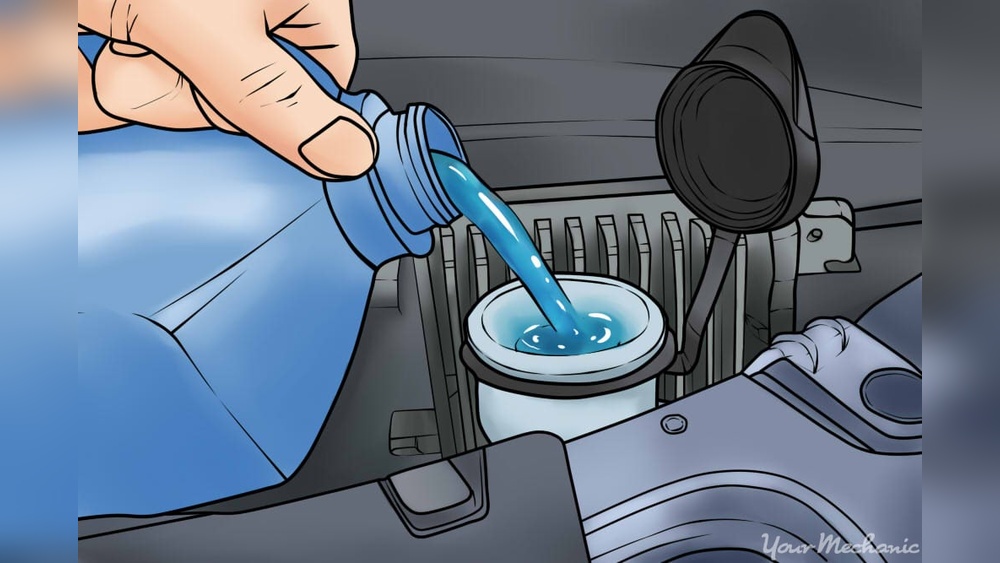
Why Windshield Washer Fluid Matters
Washer fluid is more than just water. It removes dirt, bugs, and road grime that regular wipers cannot. In winter, special washer fluids prevent freezing and can melt ice. Using plain water is risky—it can freeze, cause damage, and not clean well.
Many accidents are linked to poor visibility. According to the National Highway Traffic Safety Administration, over 38,000 crashes yearly are related to unclear windshields.
Keeping your fluid topped up is a simple way to stay safe.
What You Need
Before you start, gather these items:
- Windshield washer fluid (choose for your climate)
- A funnel (optional but helpful)
- Clean rag (to wipe spills)
Washer fluid comes in several types. Here’s a quick comparison:
| Type | Main Purpose | Best For |
|---|---|---|
| Standard | Cleans dirt, bugs | Spring, summer |
| De-icing | Melts ice, prevents freezing | Winter |
| All-season | Works year-round | Mixed climates |
Do not use plain water. It can freeze and may not clean properly. Always choose washer fluid meant for cars.
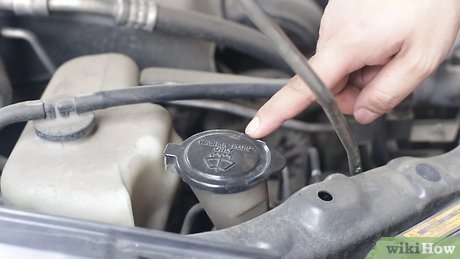
Finding The Washer Fluid Reservoir
Open your car’s hood and look for the washer fluid reservoir. It usually has a blue or white cap with a windshield symbol. This spot is often near the front, but locations vary by model. If unsure, check your owner’s manual.
Here are some common locations for popular car brands:
| Brand | Typical Reservoir Location |
|---|---|
| Ford | Front-right near radiator |
| Toyota | Front-left near battery |
| Honda | Front-center, close to engine |
| Chevrolet | Front-right, next to coolant tank |
Never confuse the washer fluid reservoir with other tanks. Filling another system with washer fluid could damage your engine.
Step-by-step: Filling Washer Fluid
Follow these simple steps:
- Turn off your car and let it cool down.
- Open the hood and secure it safely.
- Find the washer fluid reservoir. Check for the correct cap.
- Open the cap. Place your funnel if you have one.
- Slowly pour washer fluid until it reaches the ‘Full’ line. Most tanks hold 1–1.5 liters (about 1–1.5 quarts).
- Close the cap tightly.
- Wipe any spills with your rag.
Some cars have clear tanks, so you can see the fluid level. Others have a dipstick or a marked line.
Don't overfill extra fluid can leak or cause issues.
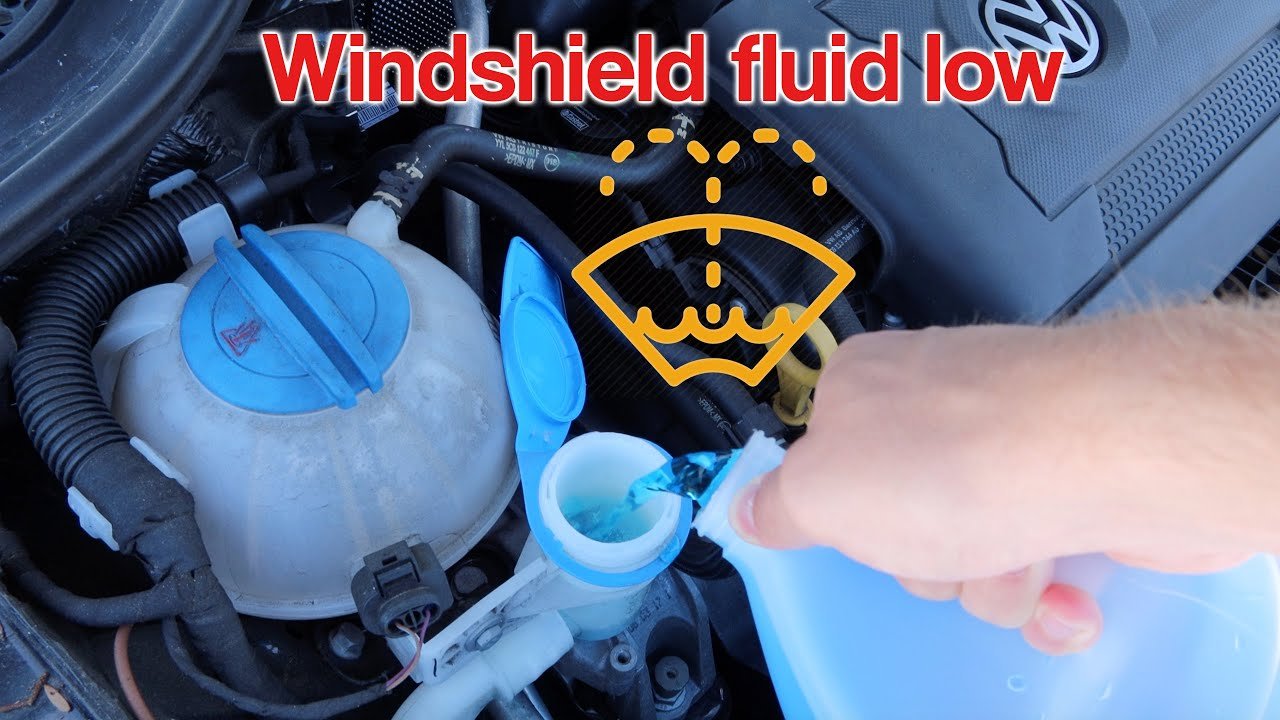
Choosing The Right Washer Fluid
Not all washer fluids are the same. Here are some factors to consider:
- Climate: Use de-icing fluid in cold regions.
- Performance: Some fluids remove bugs and road tar better.
- Additives: Many brands offer extra cleaning or anti-freeze agents.
Compare popular brands based on features:
| Brand | Anti-Freeze | Bug Removal | Average Price (per gallon) |
|---|---|---|---|
| Rain-X | Yes | Strong | $4.50 |
| Prestone | Yes | Moderate | $3.80 |
| Peak | No | Moderate | $3.00 |
| Walmart Brand | No | Basic | $2.50 |
If you drive in freezing temperatures, always choose a fluid rated for cold weather.
Common Mistakes To Avoid
Some drivers make simple mistakes that can cause problems:
- Filling with plain water: Freezes in winter, doesn’t clean well.
- Using the wrong reservoir: Never fill coolant or brake fluid tanks with washer fluid.
- Overfilling: May cause leaks or reduce cleaning effectiveness.
- Forgetting to check fluid level regularly: Leads to sudden loss of visibility.
One non-obvious tip: After filling, test your washer system. Spray the fluid to make sure it’s working and no clogs exist.
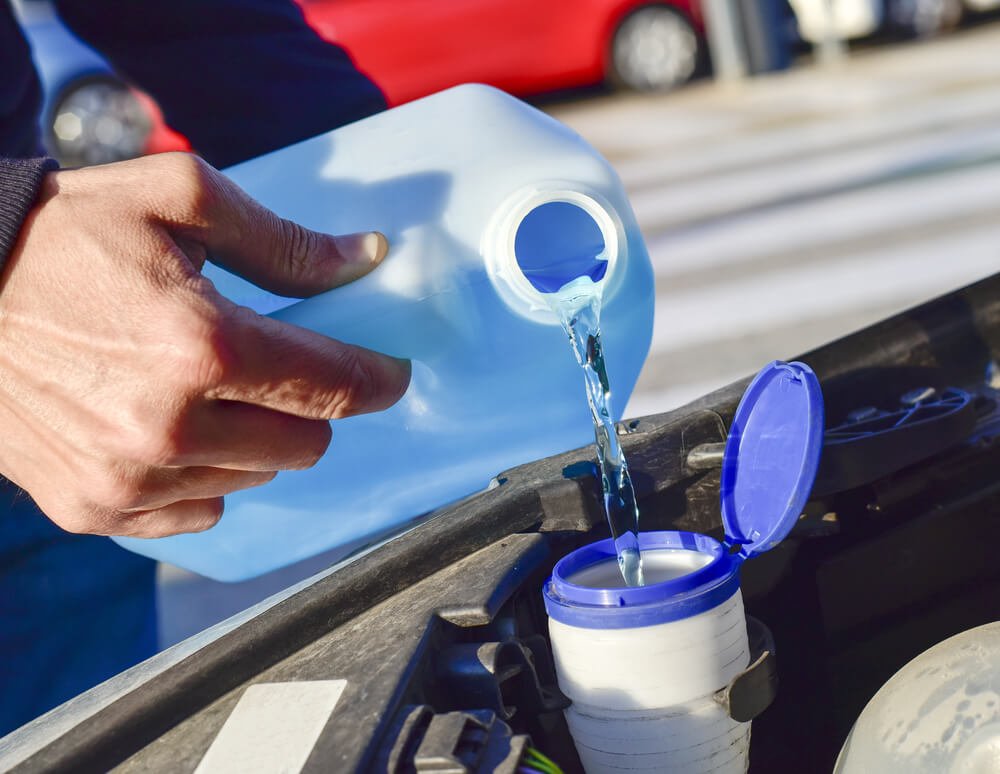
How Often Should You Fill?
Check your fluid every month, especially before long trips. In winter or rainy seasons, check more often. Heavy use may require filling every week.
Most drivers underestimate how quickly washer fluid runs out. If you travel dusty roads or highways, fluid can deplete faster than expected.
Environmental And Safety Tips
Windshield washer fluid contains chemicals like methanol that can be harmful. Store it away from children and pets. Use only approved fluids and avoid making homemade mixtures unless you know the formula. Some states recommend eco-friendly fluids—look for these if you want to minimize impact.
If you spill fluid, clean it promptly. It can damage paint or attract pets, who may be harmed if they lick it.
For more details on fluid safety and types, see Wikipedia.
Frequently Asked Questions
How Do I Know If My Washer Fluid Is Low?
Most cars show a warning light when fluid is low. You can also check the reservoir visually.
Can I Use Water Instead Of Washer Fluid?
It’s not recommended. Water can freeze, and it doesn’t clean well. Always use washer fluid made for cars.
What Happens If I Overfill The Reservoir?
Some overflow is harmless, but too much fluid can leak and damage nearby parts. Fill to the marked line only.
Is There A Difference Between Summer And Winter Washer Fluid?
Yes. Winter fluids contain anti-freeze agents and melt ice. Summer fluids focus on removing bugs and dirt.
How Often Should I Check My Washer Fluid?
Check monthly, or more often if you drive in bad weather or on dirty roads.
Keeping your windshield washer fluid filled is a quick task that pays off every time you drive. Clear vision saves lives, protects your car, and makes journeys safer.
Now you know exactly how to fill windshield washer fluid and avoid the common mistakes many drivers make.