If you love taking your Jeep off the beaten path, you know how important good lighting is. Night trails, foggy mornings, and dusty roads can make it hard to see. A strong off-road lighting setup helps you drive safely, spot obstacles, and enjoy every adventure. But how do you enhance your Jeep’s lighting without wasting money or making mistakes? Let’s break it down step by step so you can upgrade your lights confidently.
Choosing The Right Off-road Lights
Picking the best lights is the first step. Off-road lighting comes in many types, each with its own job.
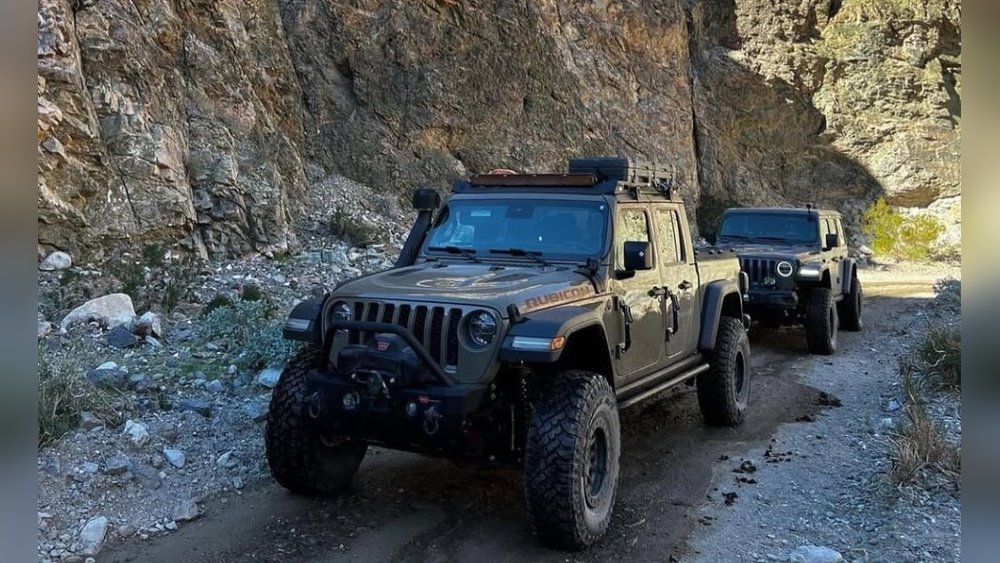
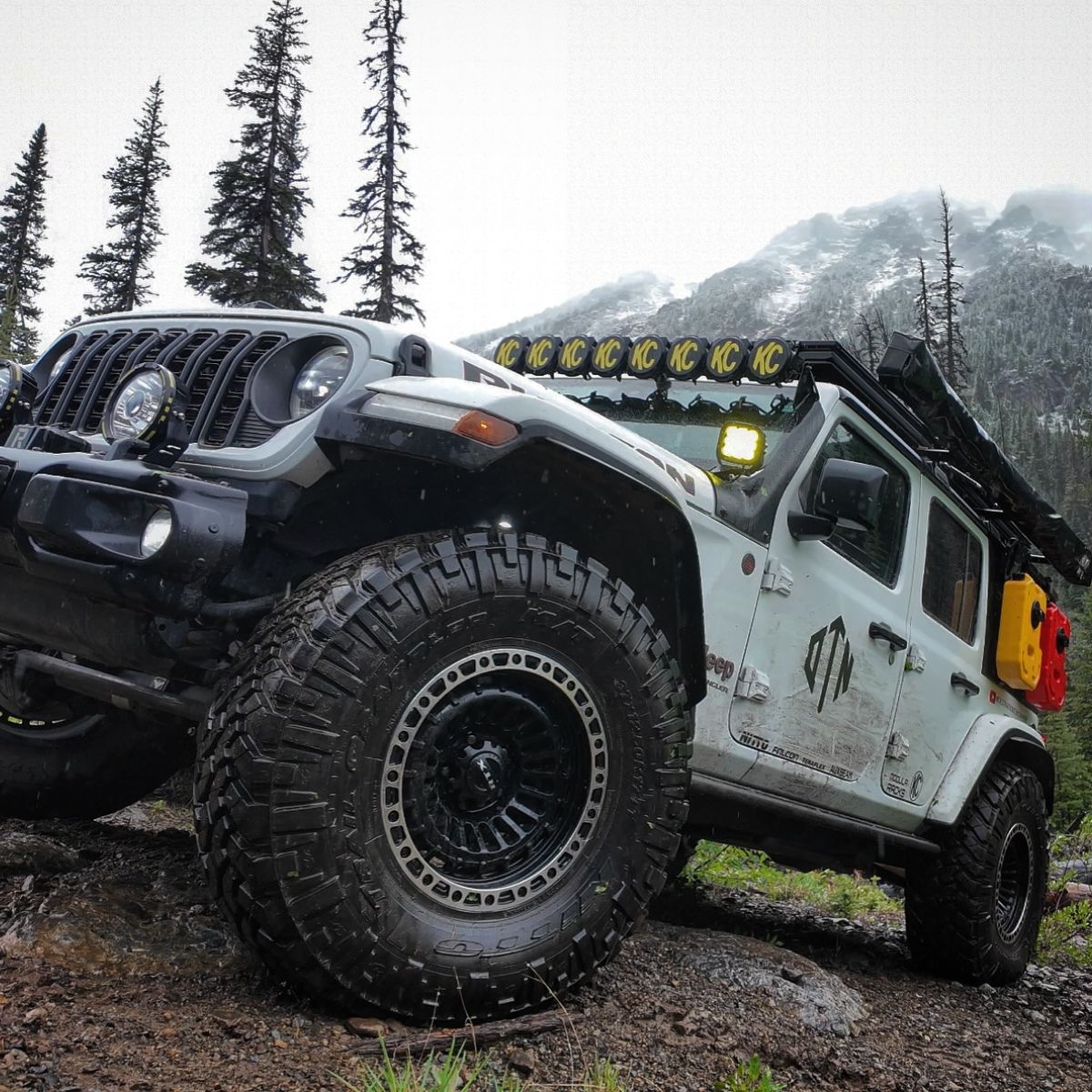
- LED Light Bars: These are popular for their power and wide coverage. Most Jeep owners choose a 20-50 inch LED light bar for the roof or front bumper.
- Spotlights: Spotlights offer focused beams. They help you see far ahead, which is great for fast driving or spotting wildlife.
- Floodlights: Floodlights spread light wide but not very far. Perfect for slow, tricky paths or campsites.
- Fog Lights: Fog lights cut through mist and dust. They’re mounted low to prevent glare.
Here’s a quick comparison of common types:
| Type | Beam Distance | Coverage | Power (Watts) |
|---|---|---|---|
| LED Light Bar | 300+ ft | Wide | 50-300W |
| Spotlight | 500+ ft | Narrow | 10-100W |
| Floodlight | 150 ft | Very Wide | 10-80W |
| Fog Light | 50 ft | Wide/Low | 10-50W |
Non-obvious insight: Mixing different types gives the best results. Many beginners only install a single light bar, but combining spot, flood, and fog lights covers all situations.
Mounting Location Matters
Where you place your lights changes how well you see and how safe you stay. Mounting in the wrong spot can cause glare or block your view.
Common Mounting Points
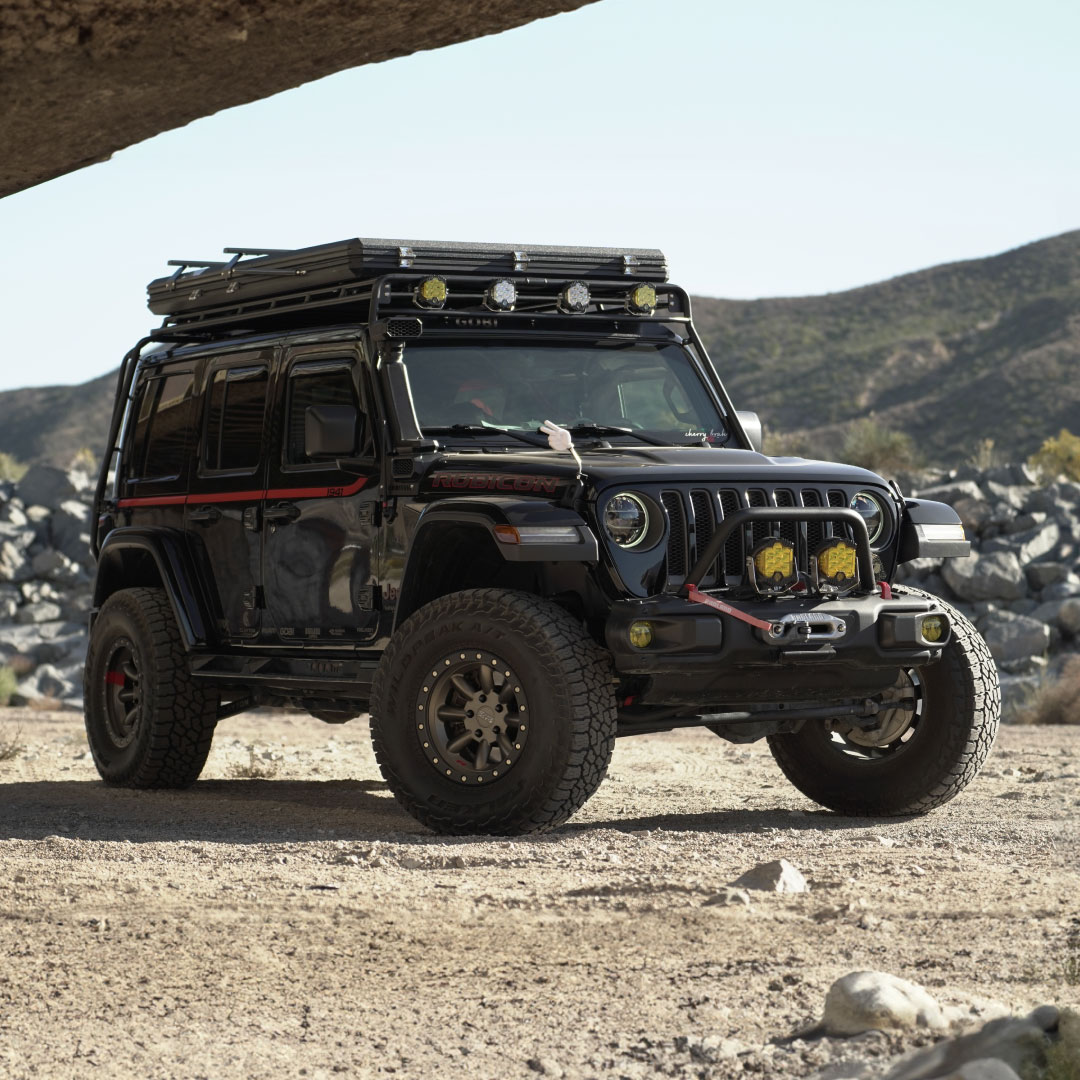
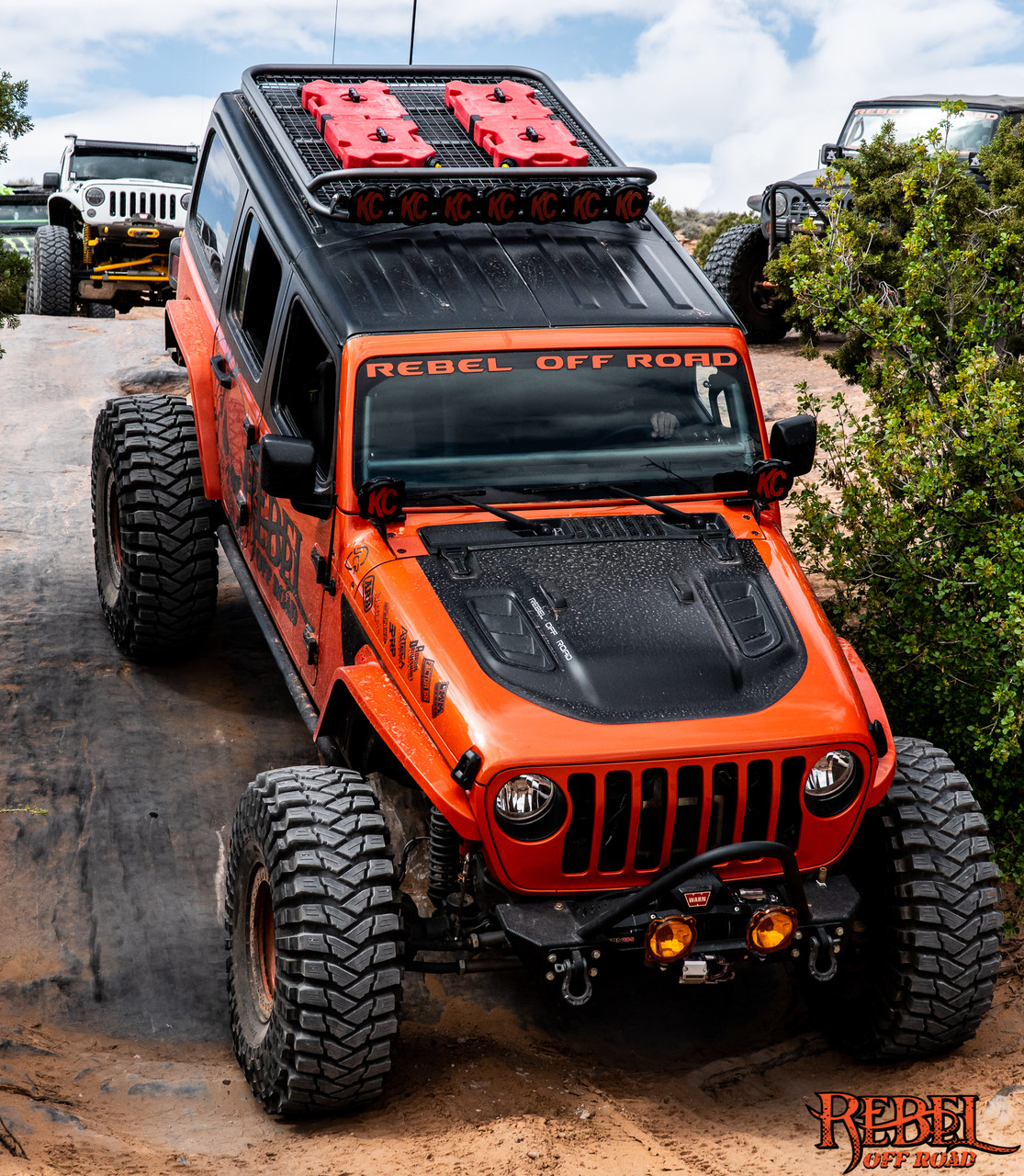
- Roof: Great for light bars. Gives wide coverage but may cause glare on the hood.
- Front bumper: Ideal for fog and flood lights. Helps with low visibility.
- A-pillars (side mirrors): Good for spotlights. Helps light up the sides of trails.
Let’s compare some mounting locations:
| Location | Best Use | Drawback |
|---|---|---|
| Roof | Wide area lighting | Hood glare |
| Bumper | Low/fog lighting | Limited distance |
| A-pillars | Side lighting | Possible mirror glare |
Pro tip: Use anti-glare covers or adjust the angle to reduce glare. Many Jeep owners forget this, leading to poor visibility.
Wiring And Power Upgrades
Even the best lights won’t work well without strong wiring and enough power. Off-road lights draw more amps than stock lights.
Wiring Tips
- Use heavy-gauge wires (at least 14 AWG for most lights).
- Install a relay harness for each light set. Relays prevent wire overheating.
- Add fuses for safety. If something fails, a fuse can protect your Jeep from fire.
Battery And Alternator
If you plan to run many lights, check your battery and alternator:
- A typical LED light bar uses about 10-20 amps. Multiple bars or high-power lights can drain your battery fast.
- Upgrade to a deep-cycle battery or a stronger alternator if needed.
Here’s a quick power comparison:
| Lighting Setup | Estimated Amps | Battery Needed |
|---|---|---|
| 1 Light Bar + 2 Spotlights | 20-30A | Standard |
| 2 Light Bars + 4 Floodlights | 40-60A | Deep Cycle |
| Heavy setup (8+ lights) | 75A+ | High Capacity |
Non-obvious insight: Many beginners skip checking their Jeep’s power system. This leads to dim lights or battery failure on the trail.
Legal And Safety Considerations
Before installing extra lights, check your state’s laws. Some places limit the number, brightness, or placement of off-road lights.
Using bright lights on public roads can get you fined.
- Use covers when driving on highways. Many states require this.
- Aim your lights so they don’t blind other drivers.
- Only use high-power lights off-road.
Always check local regulations. For more details, visit National Highway Traffic Safety Administration.
Practical Installation Tips
Installing off-road lights is not just about screwing them in. Proper installation saves time and prevents future problems.
- Test fit before drilling holes. Make sure nothing blocks the lights.
- Seal all connections with heat-shrink tubing to keep out water and dust.
- Use a switch panel inside the cabin. This lets you control each light easily.
- Double-check all mounts after your first trail run. Vibration can loosen bolts.
Common mistake: Not sealing connections. Water damage is a big problem for off-roaders.
Frequently Asked Questions
What Is The Best Type Of Off-road Light For Night Trails?
LED light bars are best for wide and bright coverage. Spotlights help see further ahead. Combine both for maximum visibility.
How Much Power Do I Need For Multiple Lights?
Add up the amp rating of each light. Standard Jeep batteries handle up to 30 amps. For setups over 40 amps, upgrade to a deep-cycle battery.
Can I Install Off-road Lights Myself?
Yes, with basic tools and wiring skills. Follow instructions and use relay harnesses for safety.
Watch out for water damage and loose mounts.
Are Extra Lights Legal On Public Roads?
Most states allow extra lights if they’re covered and not used on highways. Always check your state’s rules before installing.
How Do I Prevent Glare From Roof-mounted Lights?
Aim lights carefully. Use anti-glare covers or adjust the angle. Some owners add a matte black hood wrap to cut reflection.
Enhancing your Jeep’s off-road lighting setup makes every adventure safer and more fun. Choose the right lights, mount them smartly, upgrade your power system, and follow safety rules.
With these steps, your Jeep will be ready for any trail, day or night.