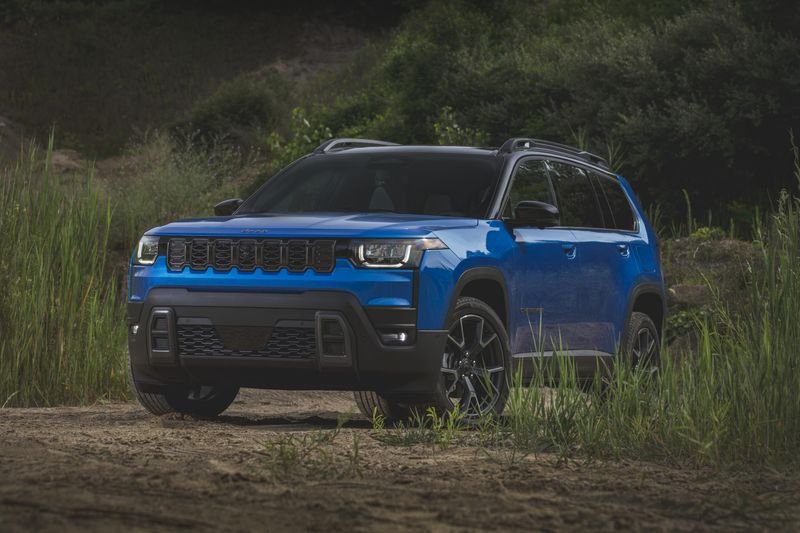
Engaging a 4 wheel drive manual system can be confusing if you haven’t done it before. This process is important for drivers who need extra traction, like on snow, mud, or rocky roads.
Knowing how to use your vehicle’s 4WD manual system keeps you safe and protects your car from damage. Let’s explore how to engage 4 wheel drive manual, step by step, and what mistakes to avoid.
Understanding 4 Wheel Drive Manual Systems
A manual 4WD system lets you control when all four wheels power the vehicle, instead of just two. Unlike automatic systems, you decide when to activate or deactivate 4WD. Most older trucks and SUVs, as well as some off-road vehicles today, use manual systems. These usually have a lever near the gear shifter or require you to turn hubs on the front wheels.
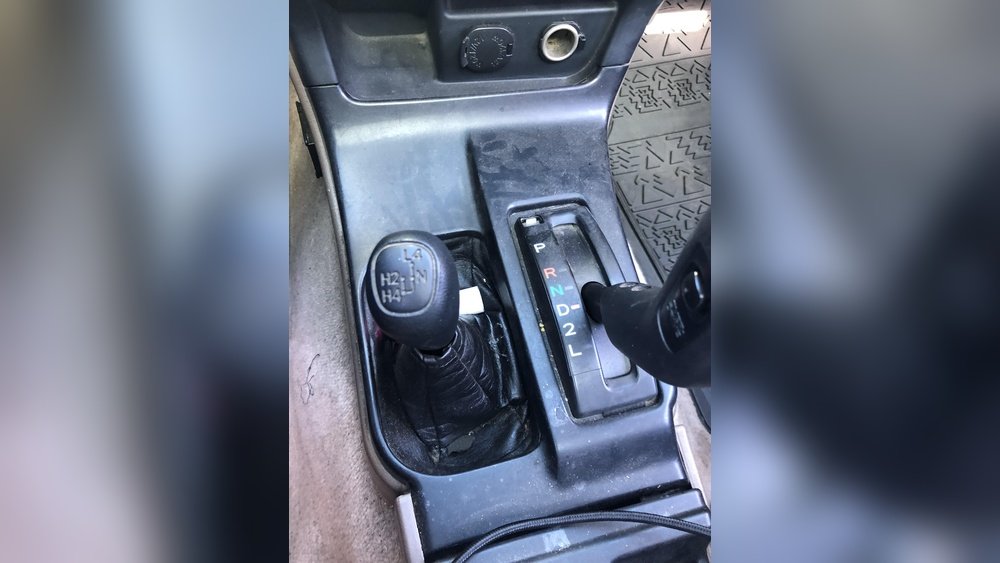
There are four main steps to engaging 4WD manual:
- Slowing Down or Stopping
- Shifting the Transfer Case Lever
- Locking the Front Hubs
- Driving Carefully in 4WD
Let’s look at each step in detail.
Slowing Down Or Stopping
Before you engage 4WD, you must slow down. Most manuals recommend shifting into 4WD at speeds below 5 mph (8 km/h) or when stopped completely.
This lowers the risk of gear grinding or damaging parts.
- If you are driving on pavement, stop the vehicle first. Never engage 4WD on dry pavement, as it can cause drivetrain binding.
- On slippery surfaces, you can shift at low speeds, but never when moving fast.
- Always check your owner’s manual for the right speed, since some vehicles allow “shift on the fly” up to 55 mph, but most manual systems do not.
A common mistake is trying to engage 4WD while moving quickly. This can break the transfer case or axles, leading to costly repairs.
Shifting The Transfer Case Lever
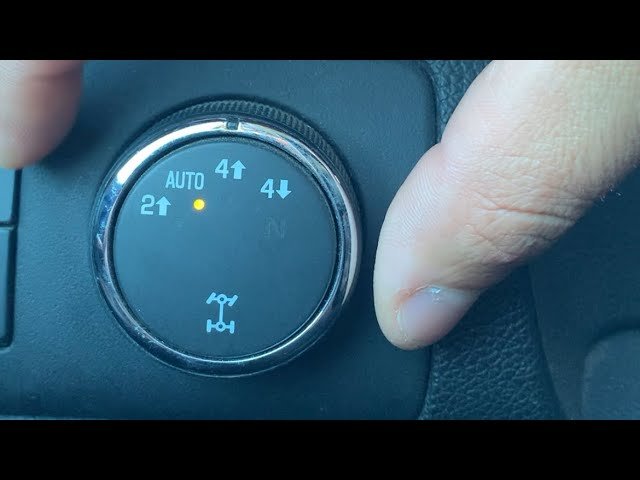
Once you’re stopped or moving slowly, find the transfer case lever. This lever is often next to your gear shifter, labeled with positions like 2H, 4H, N, and 4L:
- 2H (Two High): Normal driving, rear wheels only
- 4H (Four High): For driving at normal speeds on slippery roads
- N (Neutral): Disengages power to the wheels
- 4L (Four Low): For slow, difficult terrain (mud, sand, rocks)
How to shift:
- Keep your foot on the brake.
- Move the transfer case lever from 2H to 4H for regular slippery conditions.
- If you need maximum traction (like in deep mud or snow), shift from 4H to N, then to 4L.
- Some vehicles require you to shift the transmission into neutral before moving the transfer case lever to 4L.
Non-obvious tip: Older manual systems may need you to “rock” the vehicle gently—slightly move back and forth—if the lever is hard to move. This helps align the gears inside the transfer case.
Locking The Front Hubs
Many manual 4WD vehicles have manual locking hubs on the front wheels. These hubs connect the wheels to the front axle, sending power to them when locked.
How to lock the hubs:
- Exit the vehicle and locate the hub dial on each front wheel.
- Turn the dial from “FREE” or “UNLOCK” to “LOCK”.
- Do this for both front wheels.
- Get back in and make sure the 4WD indicator light is on (if your vehicle has one).
If you forget to lock the hubs, the 4WD system won’t work, even if the transfer case lever is in the right position. This step is often missed by beginners.
Extra insight: Some vehicles have “automatic” hubs that lock when you engage 4WD, but these can fail with age. Manual hubs are more reliable for off-roading.
Driving Carefully In 4wd
With 4WD engaged, your vehicle will handle differently:
- Turning is harder, especially on dry surfaces, because all four wheels are locked together.
- Avoid sharp turns on pavement; it stresses the drivetrain.
- Drive slowly over difficult terrain.
- Shift back to 2H once you’re on clear roads.
Here’s a quick comparison of when to use each mode:
| Mode | When to Use | Speed Range |
|---|---|---|
| 2H | Normal, dry roads | Any speed |
| 4H | Wet, snowy, gravel roads | Up to 55 mph (some vehicles) |
| 4L | Deep mud, sand, steep climbs | Low speed (under 25 mph) |
Key point: Leaving 4WD engaged on dry roads can damage your tires and drivetrain. Switch back to 2H as soon as you return to normal roads.
Common Mistakes To Avoid
Even experienced drivers sometimes forget the basics. Here are two critical errors:
- Engaging at high speed: Always slow down first.
- Forgetting to unlock hubs after: When done with 4WD, unlock the front hubs. Driving with locked hubs in 2H wastes fuel and wears out parts.
Practical Example
Imagine you’re driving a 1998 Toyota Tacoma with a manual 4WD system. A snowstorm hits, and the road gets slippery:
- Slow down and pull over.
- Shift the transfer case lever from 2H to 4H.
- Step outside and turn both front hub dials to “LOCK”.
- Continue driving, staying under 40 mph.
- Once roads are clear, shift back to 2H and unlock the hubs.
This real-world approach keeps you safe and your vehicle in good condition.
Quick Reference: Manual Vs. Automatic 4wd
Here’s how manual and automatic 4WD compare:
| Feature | Manual 4WD | Automatic 4WD |
|---|---|---|
| Driver Input Needed | Yes | No/Minimal |
| Reliability | High | Varies |
| Hubs | Manual/Auto | Automatic |
| Control | Precise | Less direct |
Manual systems give you more control, but require you to remember each step.

Frequently Asked Questions
How Do I Know If My 4wd Is Engaged?
Look for a 4WD indicator light on your dashboard. You can also test by driving in a slippery area—if all wheels grip, it’s engaged. Always check your hubs if you have manual locking types.
Can I Shift Into 4wd While Driving?
With manual systems, only shift at low speeds (usually under 5 mph). Some vehicles allow “shift on the fly,” but check your owner’s manual to avoid damage.
What Happens If I Use 4wd On Dry Pavement?
Using 4WD on dry roads can cause drivetrain binding, increased tire wear, and possible damage. Only use 4WD on slippery or loose surfaces.
Do I Need To Unlock The Front Hubs After Using 4wd?
Yes. Leaving hubs locked increases wear and tear on your front axle and reduces fuel economy. Always unlock them when you return to normal driving.
Where Can I Learn More About 4wd Systems?
For a deeper look at four-wheel drive technology, visit the Wikipedia page on Four-wheel drive.
Engaging 4 wheel drive manual isn’t hard, but taking the right steps prevents damage and keeps you safe. With practice, you’ll switch between modes confidently and make the most of your vehicle’s capabilities.