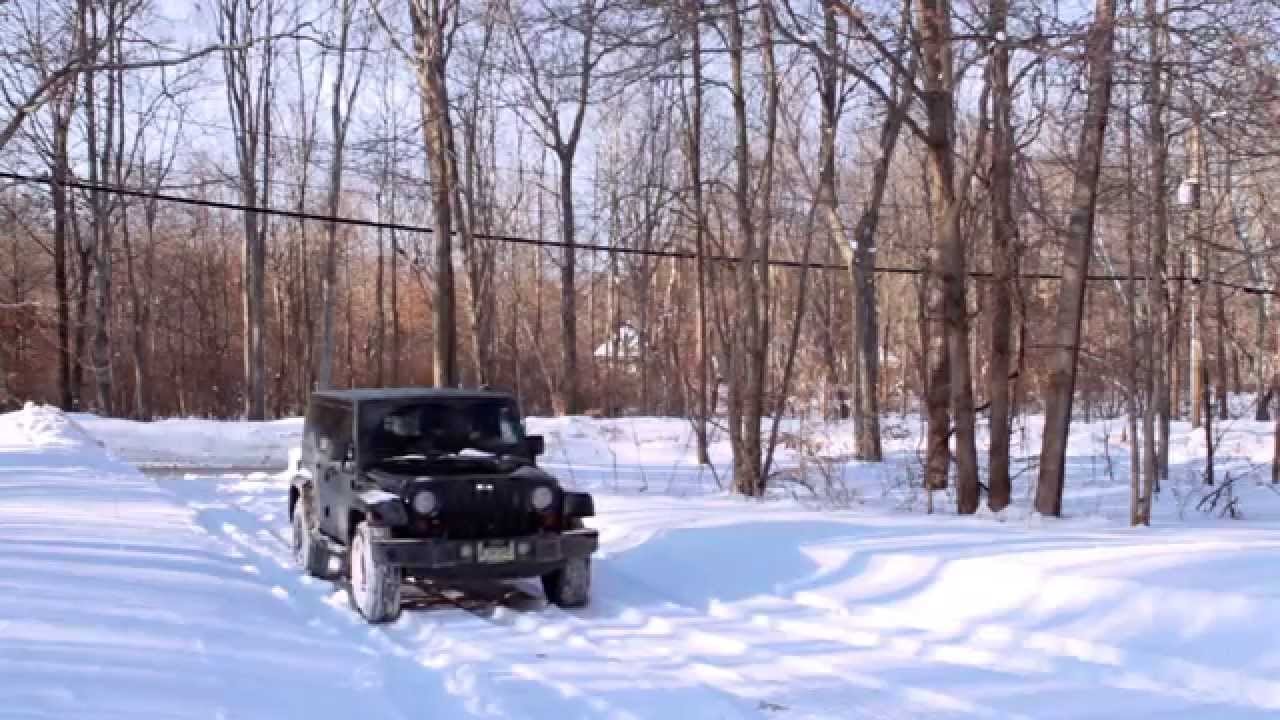
Driving a Jeep in the snow can be both exciting and challenging. Jeeps are designed for tough conditions, but snow and ice demand special skills and preparation.
Even the best vehicles can lose traction or get stuck if the driver is not careful.
Whether you’re heading to work after a fresh snowfall or planning a winter adventure, knowing how to handle your Jeep in slippery conditions keeps you and others safe.
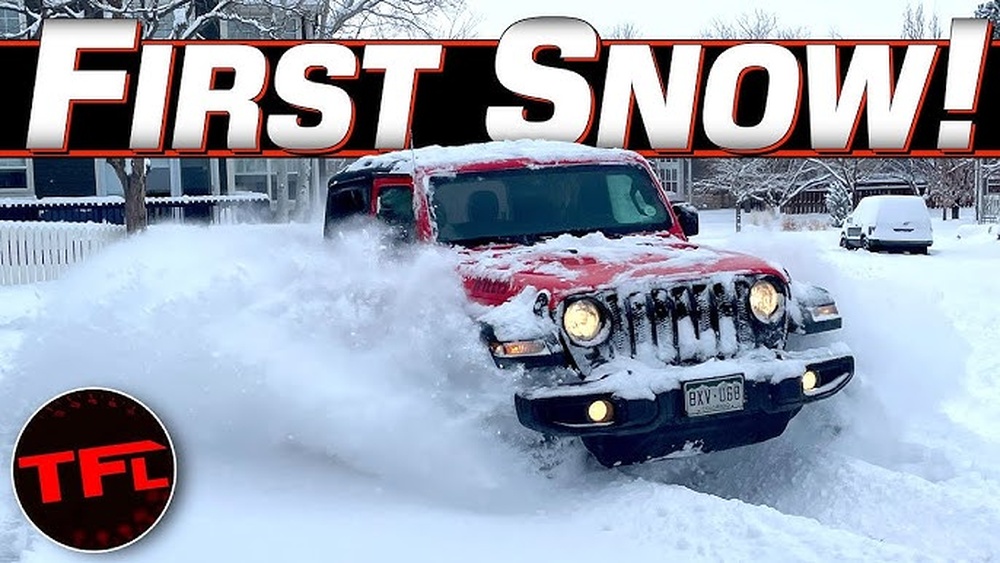
Preparing Your Jeep For Snow
Before hitting snowy roads, make sure your Jeep is ready. Start with the most important part: tires. All-terrain or snow tires offer better grip than standard ones. Check tire pressure regularly, as cold air lowers pressure and affects traction. Keep your gas tank at least half full to prevent fuel line freeze and ensure you don’t run out if stuck.
Pack essential items in your Jeep:
- Ice scraper and snow brush
- Blankets and extra clothing
- Jumper cables
- Tow strap or recovery rope
- Small shovel
- Sand or kitty litter for traction
- First-aid kit and flashlight
Check your Jeep’s 4WD system. Engage it before you need it, not after you’re already stuck. Review your owner’s manual for specific instructions, as some models have different 4WD settings.
Here’s a quick comparison of common Jeep 4WD systems:
| 4WD System | When to Use | Best For |
|---|---|---|
| Part-Time 4WD | Loose, slippery surfaces | Deep snow, off-road |
| Full-Time 4WD | Any road condition | Mixed snow/ice and dry pavement |
| Auto 4WD | Automatically engages as needed | Variable road conditions |
Key Techniques For Driving In Snow
Driving a Jeep in snow is not just about power. It’s about control, patience, and using the right techniques.
Slow Down And Increase Distance
Speed is your enemy on snow and ice. Reduce your speed by at least 50% compared to dry roads. Leave extra space between you and the car ahead—at least 8-10 seconds of following distance. This gives you more time to react if you slide or if traffic stops suddenly.
Gentle Controls
Every movement should be smooth. Accelerate gently to avoid spinning your wheels. Brake softly, using gentle pressure. If your Jeep has anti-lock brakes (ABS), apply steady pressure and let the system work. For non-ABS brakes, pump gently to avoid locking up.
Use 4wd Wisely
Four-wheel drive helps with traction but does not make you invincible. It helps you go, but it doesn’t help you stop faster.
Engage 4WD before entering snowy areas, and switch to low range (4L) for deep snow or steep hills.
Avoid using 4WD on dry pavement, as it can damage the drivetrain.
Steering And Cornering
Turn slowly and avoid sharp movements. If you start to slide, steer gently in the direction you want the front of the Jeep to go.
Don’t panic or overcorrect small adjustments are safer.
Climbing And Descending Hills
When climbing, keep a steady speed and avoid stopping. If you lose traction, back down slowly and try again with a little more momentum.
Going downhill, use low gears and let engine braking control your speed. Avoid using brakes heavily, as this can cause sliding.
Here’s a quick look at how stopping distances change on different surfaces:
| Surface | Speed (mph) | Average Stopping Distance (feet) |
|---|---|---|
| Dry Asphalt | 30 | 60 |
| Wet Asphalt | 30 | 120 |
| Packed Snow | 30 | 180 |
| Ice | 30 | 300+ |
Notice how much farther it takes to stop on snow and ice. Always plan ahead.
What To Do If You Get Stuck
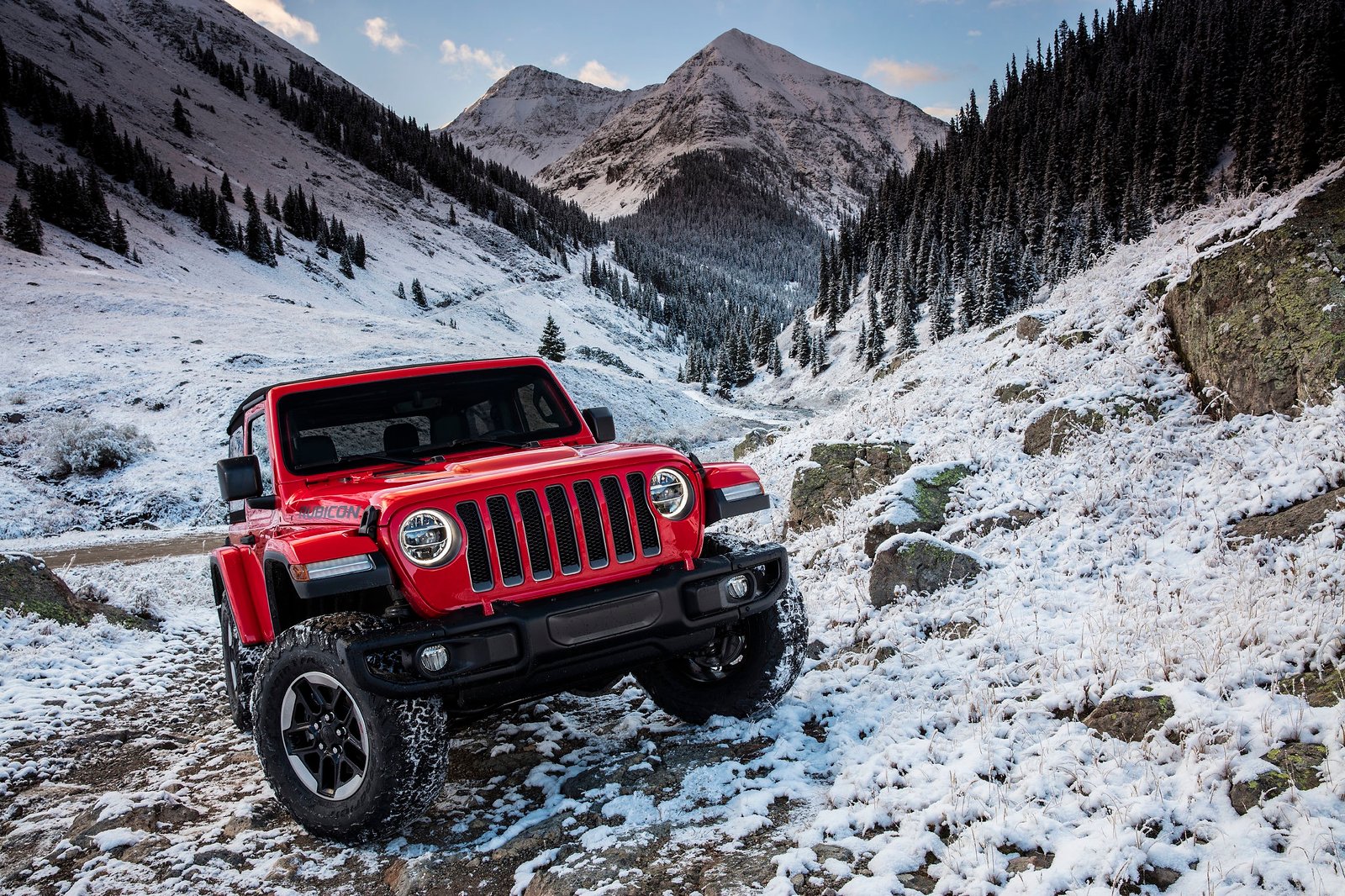
Even skilled drivers can get stuck in deep snow. Stay calm and follow these steps:
- Don’t spin your wheels. This digs you in deeper.
- Clear snow away from your tires and undercarriage.
- Place sand, kitty litter, or even floor mats under the tires for traction.
- Use a gentle rocking motion: Shift between drive and reverse, moving a little farther each time.
- If you have a tow strap and another vehicle, attach it to secure recovery points on both vehicles.
A non-obvious tip: Lowering tire pressure slightly (5-10 psi) can increase the tire’s footprint and help with traction. But don’t forget to reinflate as soon as possible.
Extra Tips For Jeep Drivers
- Automatic vs. Manual Transmission: Automatics often perform better in snow due to smoother power delivery. If you drive a manual, use higher gears to reduce wheel spin.
- Electronic Stability Control (ESC): Keep it on for most situations, but if you’re stuck, turning it off can help you rock free.
- Headlights: Use low beams during snow. High beams can reflect off snowflakes and reduce visibility.
- Windshield Wipers and Washer Fluid: Use winter-grade fluid and replace wipers before winter starts.
Jeep models vary in size and weight. Heavier Jeeps can push through deeper snow, but they also need more distance to stop.
Lighter models may get stuck more easily but can be easier to recover.
Common Mistakes To Avoid
- Overconfidence: 4WD helps with traction, not with stopping. Many accidents happen because drivers feel overconfident.
- Ignoring Weather Reports: Always check the latest updates before driving. Conditions can change quickly.
- Not Clearing Snow: Remove all snow from your Jeep, including the roof and lights. Snow left on top can slide down and block your view or hit cars behind you.
- Sudden Movements: Avoid quick turns or stops, which can cause loss of control.
For more details about winter driving safety, the National Highway Traffic Safety Administration (NHTSA) has helpful resources.
Frequently Asked Questions
What Tire Pressure Is Best For Snow Driving In A Jeep?
Keep tires at the manufacturer’s recommended pressure for normal driving. If you’re stuck, lowering by 5-10 psi can help with traction, but inflate them back as soon as possible.
Should I Use 4h Or 4l In The Snow?
Use 4H (4 High) for most snowy roads. Use 4L (4 Low) only for deep snow, steep hills, or when you need extra torque at low speeds.
Can I Use Cruise Control When Driving In The Snow?
No, avoid cruise control in snow or ice. You need full control of speed and reaction time, and cruise control can cause loss of traction.
What Should I Do If My Jeep Starts Sliding?
Stay calm, steer gently in the direction you want to go, and avoid slamming the brakes. Ease off the accelerator and make small adjustments.
Is It Safe To Drive A Soft-top Jeep In The Snow?
Yes, but make sure the top is secure and free of snow. Soft tops provide less insulation, so dress warmly and check for drafts or leaks.
Driving your Jeep in the snow can be safe and enjoyable if you’re prepared and follow the right techniques. Respect the conditions, know your vehicle, and always plan ahead.
With practice and attention, winter roads become less of a challenge and more of an adventure.