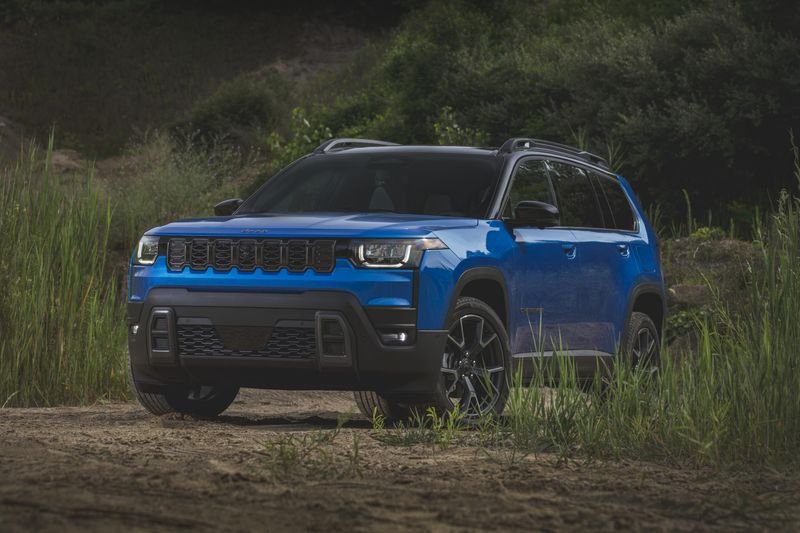
Storing a Jeep hardtop in your garage can be tricky. It’s a large, heavy, and expensive piece of equipment, and improper storage can lead to scratches, cracks, or even permanent damage.
Many Jeep owners struggle to find a safe, efficient way to keep their hardtop out of the way but still accessible for seasonal changes.
The right storage method protects your investment and makes removal and installation easier. This article covers practical ways to store your Jeep hardtop, compares popular solutions, and helps you avoid common mistakes.
Choosing The Right Storage Solution
Every garage is different. The best storage method depends on your space, budget, and how often you switch between the hardtop and soft top.
Floor Stands
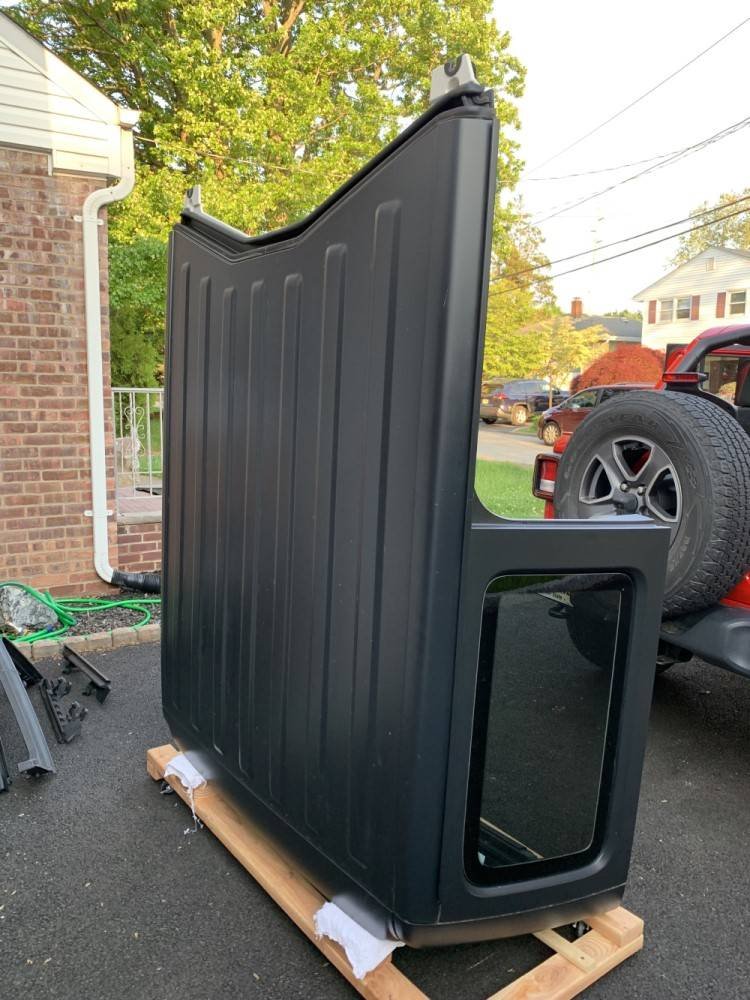
Floor stands are the simplest option. These stands hold the hardtop upright and keep it off the ground. They often have wheels for easy movement.
Advantages:
- Easy to use
- No installation required
Disadvantages:
- Takes up floor space
- Risk of accidental bumps
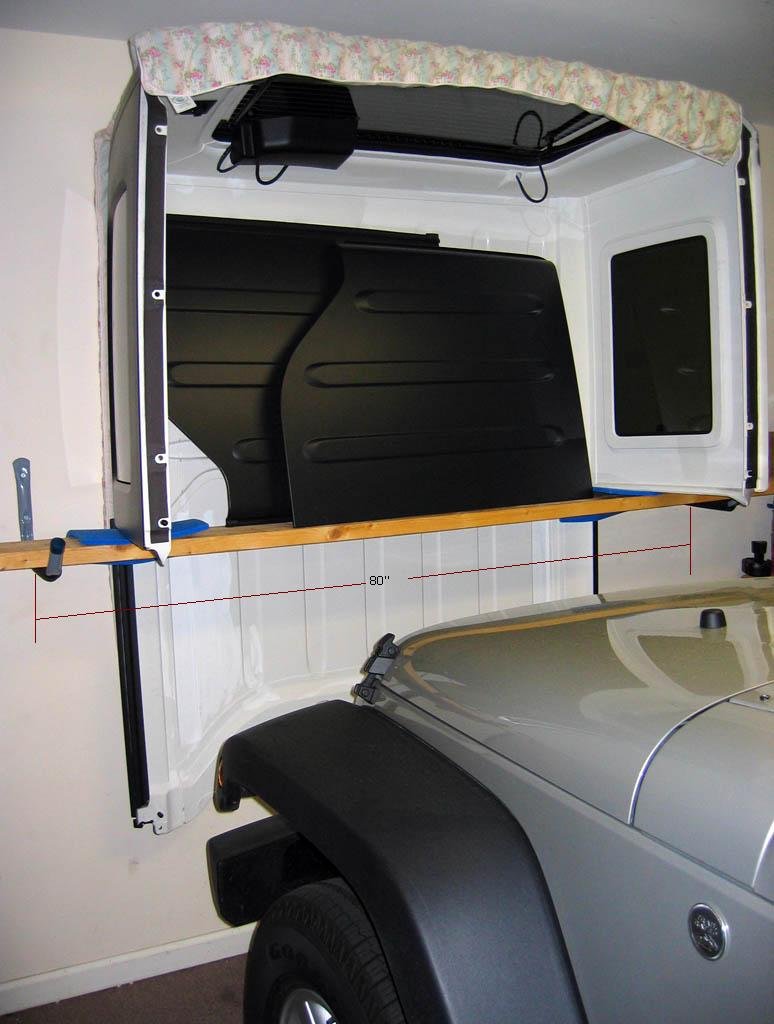
Wall Mounts
Wall mounts use brackets to hold the hardtop against a wall. They save floor space and keep the hardtop secure.
Advantages:
- Maximizes garage space
- Reduces risk of tipping
Disadvantages:
- Requires drilling and installation
- Not ideal for frequent swaps
Ceiling Hoists
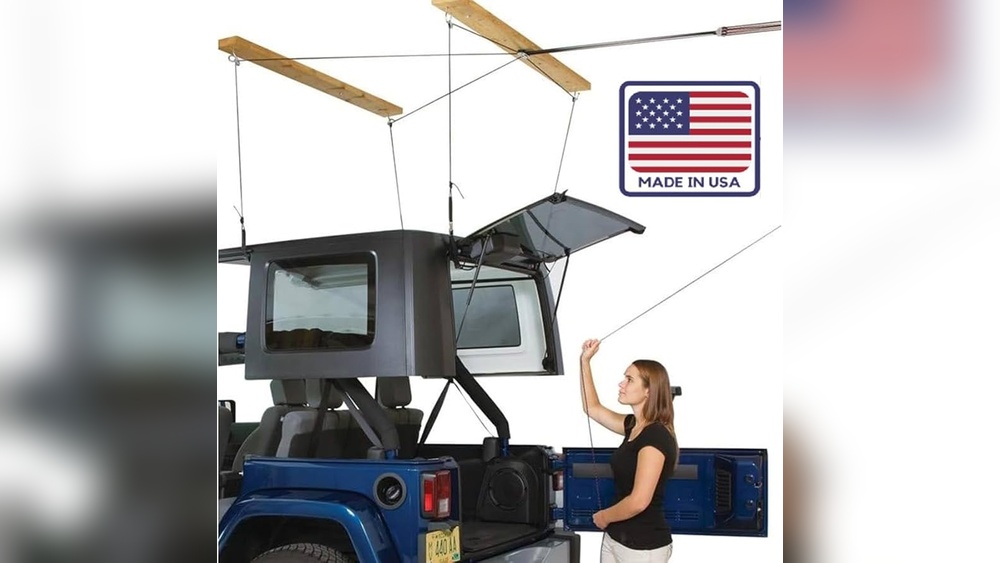
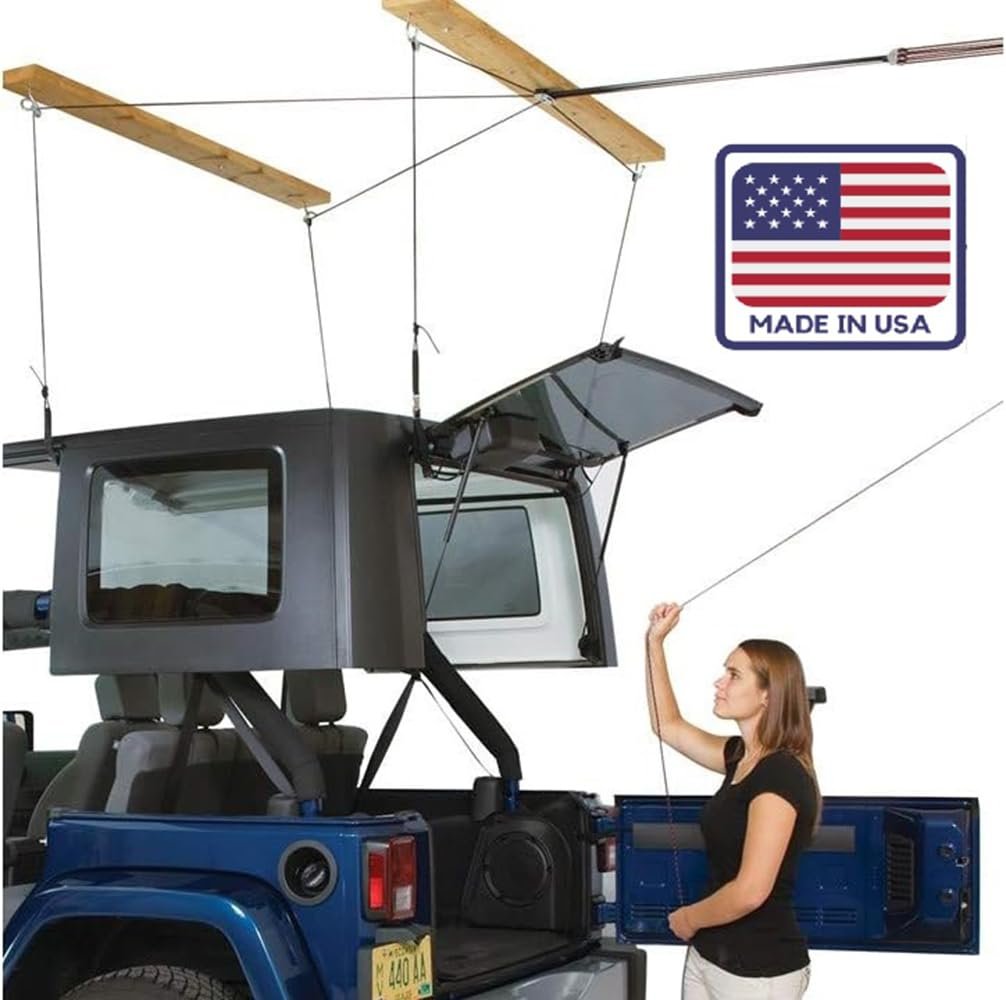
Ceiling hoists lift the hardtop overhead using pulleys. This is popular for garages with high ceilings.
Advantages:
- Frees up floor and wall space
- Makes removal easier for one person
Disadvantages:
- Installation can be complex
- Must ensure ceiling supports the weight
Here’s a quick comparison:
| Storage Type | Space Needed | Ease of Access | Installation Effort |
|---|---|---|---|
| Floor Stand | Large | Easy | None |
| Wall Mount | Medium | Moderate | Moderate |
| Ceiling Hoist | Small | Difficult | High |
Step-by-step Guide: Storing Your Hardtop
Proper storage starts with preparation and careful handling. Follow these steps for safe storage:
- Clean the Hardtop: Wash the exterior and interior. Remove dirt, dust, and bird droppings, which can cause stains.
- Inspect for Damage: Check for cracks or scratches before storing. Address issues early to prevent worsening.
- Choose Your Storage Method: Decide on floor stand, wall mount, or ceiling hoist based on your garage setup.
- Prepare the Area: Clear space in your garage. Ensure there are no sharp objects nearby.
- Protect with Padding: Use foam pads, blankets, or bubble wrap. This prevents scratches during storage.
- Lift Carefully: Hardtops can weigh 100–150 lbs. Use at least two people, or a hoist, to avoid injury.
- Secure the Hardtop: Make sure it’s stable on the stand, mount, or hoist. Double-check fasteners and supports.
- Cover It: Use a breathable cover to protect from dust and moisture.
Here’s a comparison of padding materials:
| Padding Type | Protection Level | Reusable | Cost |
|---|---|---|---|
| Foam Pads | High | Yes | Medium |
| Blankets | Medium | Yes | Low |
| Bubble Wrap | Low | No | Low |
Avoiding Common Storage Mistakes
Many Jeep owners make errors that lead to damage or inconvenience. Here are mistakes to avoid:
- Storing on bare concrete: Moisture can cause mold and paint damage.
- Using only one person to lift: Hardtop edges can crack if dropped.
- Skipping padding: Scratches are almost guaranteed without protection.
- Not checking weight limits: Ceiling hoists and wall mounts must handle the hardtop’s weight.
One insight many beginners miss is that garage humidity can harm the hardtop’s seals and paint. If your garage is damp, consider a dehumidifier.
Maximizing Garage Space
Garages often have limited room. Smart organization helps you store your hardtop and other gear.
- Use vertical space with wall mounts and shelves.
- Store tools and Jeep parts in labeled bins.
- Keep walkways clear to prevent accidents.
Here’s a space-saving example:
| Storage Solution | Space Saved | Ideal For |
|---|---|---|
| Ceiling Hoist | Up to 30 sq ft | Small garages |
| Wall Mount | 10–15 sq ft | Medium garages |
| Floor Stand | None | Large garages |
Safety Tips For Hardtop Storage
Safety is crucial when lifting and storing a hardtop.
- Wear gloves to improve grip.
- Lift with your legs, not your back.
- Check all mounts and stands regularly for stability.
- Never store the hardtop near heat sources or chemicals.
A non-obvious tip: Label the storage area for the hardtop. This prevents other items from crowding or damaging it.
Maintenance During Storage
Even when stored, your hardtop needs attention.
- Check seals and latches monthly for signs of drying or cracking.
- Wipe off any dust or moisture.
- If storing long-term, open the cover occasionally to let air circulate.
Many Jeep owners overlook this simple maintenance, which can extend the life of the hardtop.
Frequently Asked Questions
How Heavy Is A Jeep Hardtop?
Most Jeep hardtops weigh between 100 and 150 lbs. Always check your model’s manual for the exact weight.
Can I Store My Hardtop Outside?
Outdoor storage is risky. Exposure to sun, rain, and temperature changes can cause fading, leaks, or cracks. Indoor storage is strongly recommended.
Do I Need A Special Cover For My Hardtop?
A breathable, waterproof cover is best. Avoid plastic covers, which can trap moisture and cause mold.
Is It Safe To Use A Ceiling Hoist Alone?
It’s possible, but not recommended. Having a second person helps guide the hardtop and prevents accidents.
What’s The Best Way To Prevent Scratches?
Always use padding and keep the storage area clear of sharp tools or objects.
Storing your Jeep hardtop properly in your garage protects its value and ensures it’s ready for every adventure. Whether you use a floor stand, wall mount, or ceiling hoist, careful preparation and regular maintenance make all the difference. If you want more details about garage storage systems, visit Jeep’s official gear page for expert advice and products.