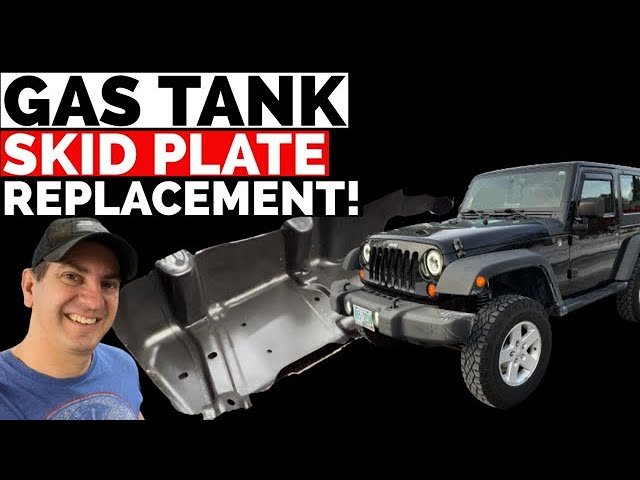
Draining the fuel tank on a 2008 Jeep Wrangler is a task that can seem intimidating, but with the right steps, anyone can do it safely. Whether you need to remove old fuel, prepare for repairs, or fix a contamination problem, knowing how to drain your tank is essential for any Jeep owner. The process requires care, proper tools, and attention to detail. Let’s walk through the practical method to drain the fuel tank and avoid common mistakes that can cause damage or safety hazards.
Why Drain The Fuel Tank?
There are several reasons you might need to drain the fuel tank on a 2008 Jeep Wrangler:
- Contaminated fuel: Water or debris in the tank can affect engine performance.
- Fuel system repairs: Many repairs require an empty tank.
- Changing fuel types: Switching from regular to premium fuel, or vice versa.
- Long-term storage: Preventing fuel degradation.
Draining the tank is not routine maintenance, but it’s important in these situations. Always check your owner’s manual before starting.
Tools And Safety Gear You Need
Gathering the right tools and safety gear makes the job easier and safer. Here’s what you’ll need:
- Fuel siphon pump: Manual or electric pump for removing fuel.
- Drain pan: To collect fuel safely.
- Jack and jack stands: For lifting and supporting your Jeep.
- Wrenches and sockets: Typically 10mm and 15mm for fuel tank bolts.
- Safety goggles and gloves: Protects from splashes.
- Fire extinguisher: For emergencies.
- Container for old fuel: Approved for gasoline storage.
Never skip safety gear. Gasoline is flammable and can irritate skin and eyes.
Step-by-step Guide To Draining The Fuel Tank
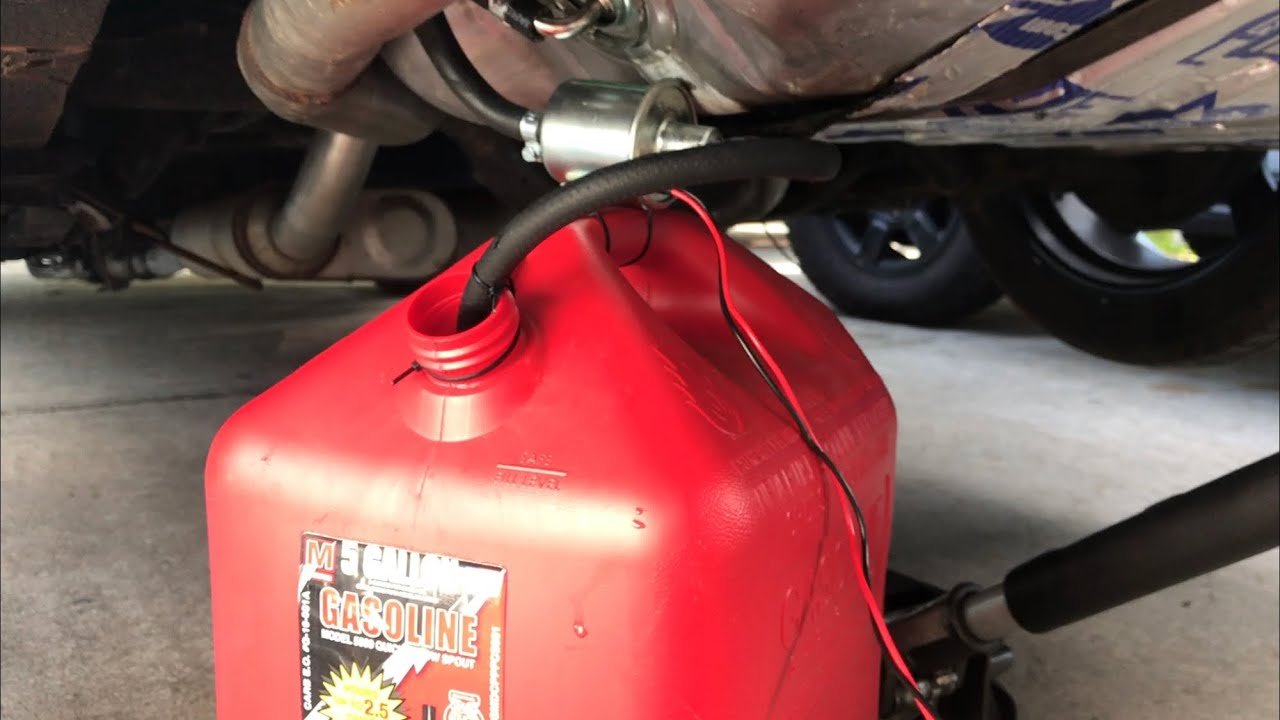
Draining the tank involves either siphoning through the fuel filler neck or removing the tank entirely. The safest way for a 2008 Jeep Wrangler is removing the tank, since siphoning is blocked by a rollover valve.
1. Prepare The Jeep
- Park your Jeep on a flat surface.
- Disconnect the negative battery cable to prevent sparks.
- Lift the Jeep with a jack and secure with jack stands.
- Wear gloves and goggles.
2. Remove The Fuel Tank Skid Plate
- Locate the skid plate under the rear of the vehicle.
- Use a socket wrench to remove the bolts (usually 15mm).
- Lower the skid plate and set aside.
3. Disconnect Fuel Lines And Electrical Connections
- Find the fuel lines and connectors at the rear of the tank.
- Press the release tabs to disconnect lines. Use a rag for spills.
- Unplug the electrical connector for the fuel pump.
4. Unbolt And Lower The Fuel Tank
- Support the tank with a drain pan or jack.
- Remove the tank mounting bolts with a socket wrench.
- Carefully lower the tank, making sure not to damage lines.
5. Drain The Fuel
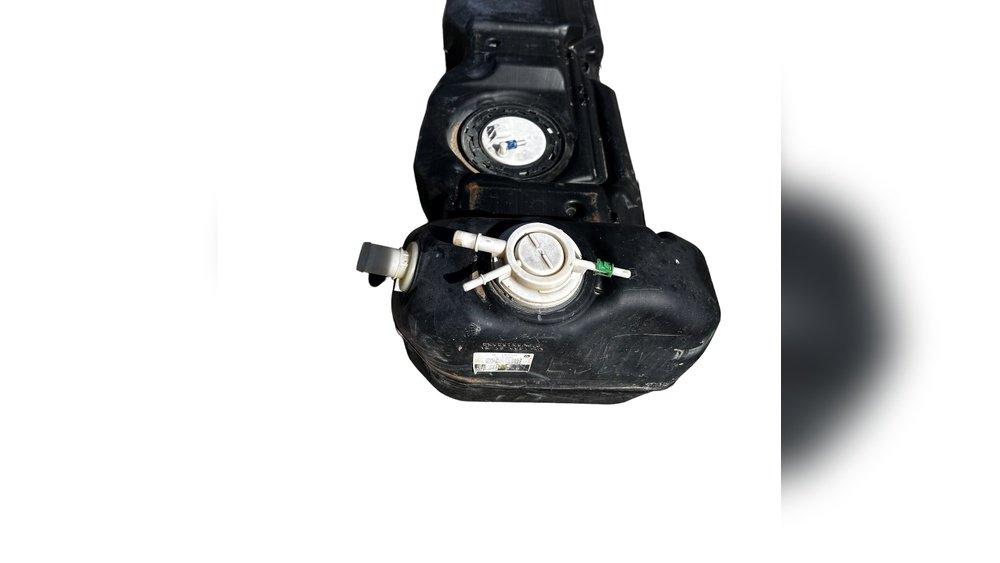
- Locate the fuel pump access on top of the tank.
- Remove the retaining ring with a screwdriver.
- Lift out the fuel pump module.
- Pour fuel from the tank into the drain pan.
- Transfer fuel to the approved container.
Most 2008 Jeep Wranglers have a capacity of 18.6 gallons. Make sure your containers can hold the full volume.
6. Reinstall Everything
- Replace the fuel pump module and secure the ring.
- Reconnect fuel lines and electrical connector.
- Bolt the tank back in place.
- Reinstall the skid plate.
- Lower the Jeep and reconnect the battery.
Check for leaks before starting the engine.
Tips And Common Mistakes
- Never smoke or use open flames near fuel.
- Don’t rush the process. Take time to avoid damaging connectors.
- Always store drained fuel properly. Old fuel can damage new engines.
- Don’t skip safety steps, even if you’re experienced.
A non-obvious tip: When removing the tank, keep the drain pan under connectors. Even small spills can cause strong odors and stains.
Another insight: If your Jeep has a check engine light after reinstalling, double-check electrical connections to the fuel pump.
Data Comparison: Fuel Tank Removal Vs Siphoning
Here’s a look at the two main methods:
| Method | Safety | Time | Fuel Recovery |
|---|---|---|---|
| Tank Removal | High | 60-90 mins | Nearly 100% |
| Siphoning | Medium | 20-30 mins | 60-70% |
For the 2008 Jeep Wrangler, tank removal is preferred due to the anti-siphon valve.
Jeep Wrangler Fuel Tank Capacity Data
Knowing your tank’s size helps plan the job:
| Model Year | Tank Capacity (Gallons) | Tank Material |
|---|---|---|
| 2008 Wrangler | 18.6 | Steel |
| 2007 Wrangler | 18.6 | Steel |
| 2012 Wrangler | 22.5 | Steel |
Most 2008 Wranglers use a steel tank, which is durable but heavy.

How To Dispose Of Old Fuel
Never pour gasoline down drains or onto the ground. Take it to a hazardous waste facility or recycling center. Many auto parts stores accept old fuel. Check local laws for proper disposal.
Frequently Asked Questions
How Long Does It Take To Drain The Fuel Tank?
Usually 60-90 minutes if removing the tank. Siphoning, if possible, is faster but not recommended for the 2008 Wrangler.
Can I Drain The Fuel Tank Without Removing It?
Not easily. The rollover valve blocks siphoning through the filler neck. Tank removal is safest and most effective.
Is Draining The Tank Safe For Beginners?
With proper tools and safety gear, yes. Read the manual and follow steps carefully. If unsure, get help from a mechanic.
What Should I Do With Drained Fuel?
Store in an approved container and take it to a hazardous waste facility or recycling center. Never reuse old fuel in your Jeep.
Where Can I Find Official Instructions?
You can find more details on the official Jeep website or check the owner’s manual. For expert advice, see Jeep Official Manuals.
Draining the fuel tank on a 2008 Jeep Wrangler is a manageable job if you follow each step carefully. With the right tools and safety measures, you’ll keep your Jeep running smoothly and avoid costly mistakes.
Always work in a safe environment, respect fuel handling rules, and consult your manual for model-specific guidance.