If your car’s air conditioning isn’t cooling, or you hear strange noises, you might need to drain the auto AC system. This process removes old refrigerant, oil, and moisture that can harm performance.
Draining the system is important before repairs, replacing parts, or recharging with new refrigerant. For most people, this task sounds complex, but with the right tools and clear steps, you can do it safely and efficiently.
Why Draining The Auto Ac System Matters
Over time, the AC system collects moisture and debris. Moisture mixes with refrigerant, forming acids that corrode internal parts. Old oil loses effectiveness, leading to poor lubrication. If you add new refrigerant without draining, you risk damaging the compressor and other parts. Proper draining prevents costly repairs and keeps your AC running smoothly.
Common Signs You Need To Drain
- Weak or warm air from vents
- Hissing or bubbling noises
- Visible leaks under the car
- AC clutch not engaging
Ignoring these signs can make problems worse. Draining is often required before replacing the compressor, condenser, or evaporator.
Tools And Materials Needed
Before starting, gather these items:
- Manifold gauge set (for pressure readings)
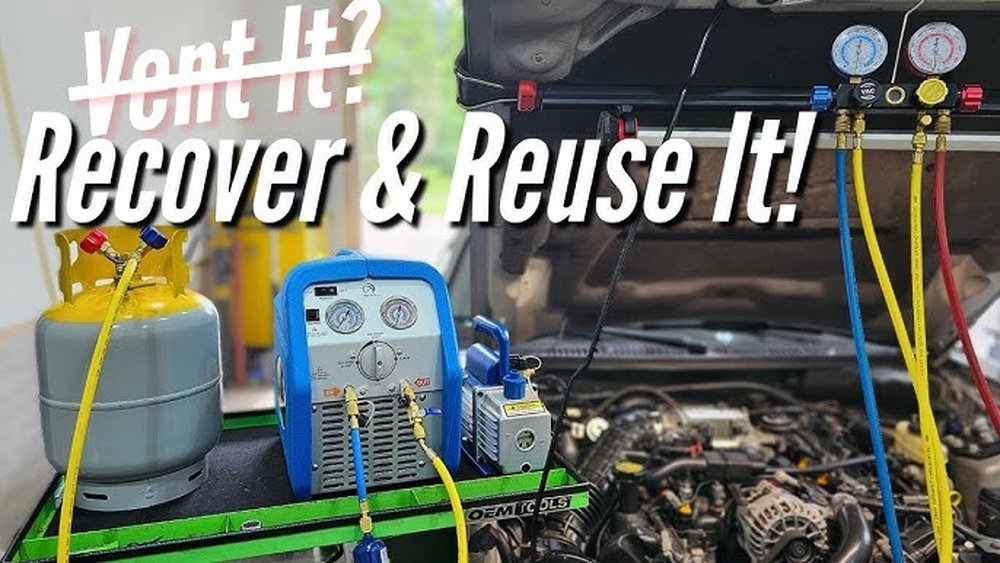
- Recovery machine (to safely remove refrigerant)
- Recovery tank (for storing refrigerant)
- Safety goggles and gloves
- Wrenches
- Clean rags
You may also need a vacuum pump if you plan to recharge the system later. Always check local regulations refrigerant must be recovered and not released into the air.
| Tool | Purpose |
|---|---|
| Manifold Gauge | Measures AC pressure |
| Recovery Machine | Removes refrigerant |
| Recovery Tank | Stores refrigerant |
| Vacuum Pump | Removes moisture |
Step-by-step Guide To Draining Your Auto Ac
Draining the AC system requires care. If you’re unsure, consult a professional. Here’s how to do it:
1. Prepare The Vehicle
Park in a well-ventilated area. Turn off the engine and disconnect the battery for safety. Wear protective gear—refrigerant can cause frostbite.
2. Connect The Manifold Gauge Set
Attach the blue hose to the low-pressure port and the red hose to the high-pressure port. The ports are usually labeled and located near the AC lines.
3. Attach Recovery Machine And Tank
Connect the yellow hose from the gauge set to the recovery machine, then from the machine to the recovery tank. Make sure all connections are tight.
4. Start The Recovery Process
Turn on the recovery machine. It will pull refrigerant out of the AC system and into the tank.
This process takes 10 30 minutes depending on the system size. Watch the gauges when pressure drops to zero, the system is empty.
5. Remove Old Oil
Some recovery machines extract both refrigerant and oil. If not, open the compressor and drain the oil manually.
Catch old oil in a container for safe disposal.
6. Check For Moisture
Use a vacuum pump to remove any remaining moisture and air. Run the pump for at least 30 minutes.
Moisture can harm the system, so don’t skip this step.
7. Inspect Components
Look for signs of damage or leaks. Replace worn parts before recharging the system.
| Step | Estimated Time |
|---|---|
| Setup | 10 min |
| Recovery | 20 min |
| Vacuum | 30 min |
| Inspection | 15 min |
Safety Tips And Regulations
Always recover refrigerant—never vent it. R-134a, the most common refrigerant, is regulated by the EPA. Improper handling can cause fines. Use certified recovery machines and tanks. Wear gloves and goggles at all times.
Common Mistakes To Avoid
- Not checking for leaks before draining
- Using the wrong recovery tank
- Skipping the vacuum step
- Mixing old and new refrigerant
Many beginners forget to inspect O-rings and seals. These parts often leak after draining, causing new problems. Always replace them if worn.
How Much Does It Cost?
Professional AC draining costs $100–$250 depending on vehicle and location. Doing it yourself saves money but requires tools and knowledge. Investing in a recovery machine can cost $200–$500. If you plan to recharge, add costs for refrigerant and oil.
| Option | Estimated Cost |
|---|---|
| Professional Service | $100–$250 |
| DIY (Tools Only) | $200–$500 |
| New Refrigerant | $40–$100 |
When Should You Drain The Ac System?
Drain the AC system when:
- Replacing major parts (compressor, condenser, evaporator)
- After an accident affecting AC components
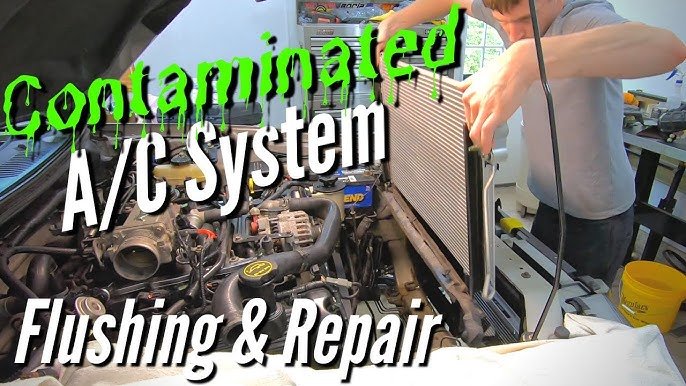
- System contamination (water, debris, wrong refrigerant)
- Low performance after years of use
A non-obvious insight: If you change refrigerant types (e.g., from R-134a to R-1234yf), full draining and flushing is required. Many people miss this step and face system failure later.
Another important tip: Always check the recovery tank for capacity and compatibility. Tanks for R-134a are not suitable for other refrigerants.
Where To Find Certified Equipment
Certified recovery machines and tanks are sold at auto parts stores and online. Always buy equipment approved by the EPA. Find out more about refrigerant regulations from EPA Mobile Air Conditioning.
Frequently Asked Questions
How Often Should I Drain My Auto Ac System?
Most cars only need draining when replacing parts or if the system is contaminated. Regular maintenance does not require draining.
Can I Drain The Ac System Without A Recovery Machine?
No, draining without a recovery machine is illegal and unsafe. Always use proper equipment to recover refrigerant.
What Happens If I Skip Draining Before Repairs?
Skipping draining can cause system contamination, poor cooling, and damage to new parts. Always drain before major repairs.
Is Draining The Ac System Dangerous?
Yes, refrigerant can cause frostbite and harm the environment. Wear safety gear and follow regulations.
Can I Recharge The Ac System Myself After Draining?
Yes, if you have the right tools and refrigerant. Make sure to use a vacuum pump to remove moisture before recharging.
Draining your auto AC system is a key step in repairs and maintenance. With the right tools, safe practices, and careful steps, you can protect your vehicle and ensure cool, comfortable air.
If you’re unsure or lack equipment, seek professional help to avoid mistakes.