Driving a 2010 Jeep Liberty is a fun experience, especially when you use the 4 wheel drive for tough roads or bad weather. But when it's time to switch back to normal driving, many owners feel unsure about how to disengage 4WD safely.
Doing this wrong can cause damage or make your Jeep handle poorly. This guide will show you step-by-step how to disengage 4 wheel drive in your 2010 Jeep Liberty, explain the system, highlight common mistakes, and compare it to other vehicles.
By the end, you’ll be confident and know exactly what to do.
Understanding The 2010 Jeep Liberty 4 Wheel Drive System
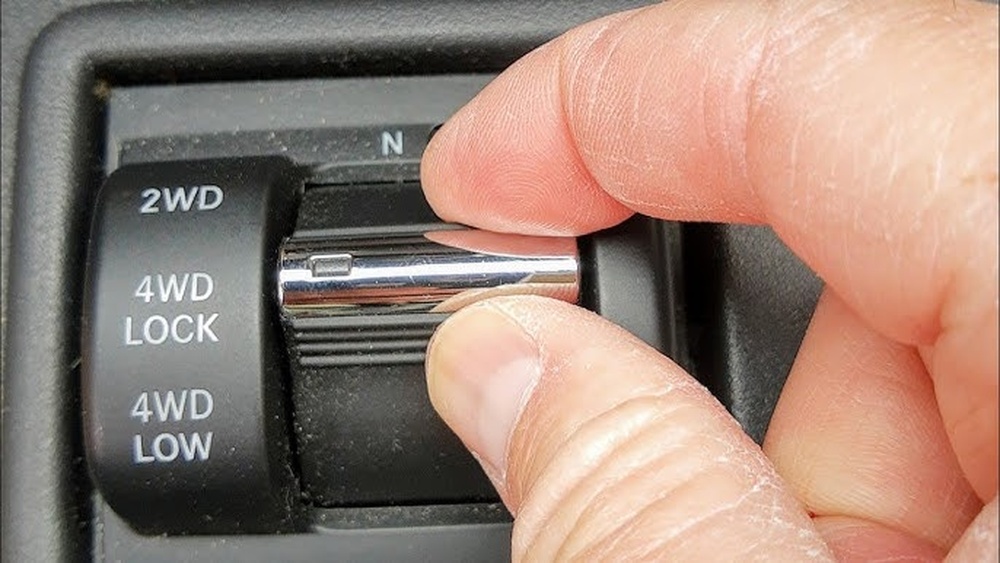
Your 2010 Jeep Liberty has a Command-Trac II system. This system lets you choose between 2WD (rear wheels only), 4WD High, and 4WD Low modes. The system uses a transfer case to shift power between the wheels. Knowing how each mode works helps you avoid mistakes and protect your Jeep.
- 2WD: Normal driving. Only the rear wheels get power.
- 4WD High: For slippery roads, snow, or light off-roading. All four wheels get power.
- 4WD Low: For deep mud, sand, or steep hills. Gives more torque and control.
Switching between these modes is easy with the lever or switch inside your Jeep. But you must follow the right steps to prevent damage.
Why Disengaging 4 Wheel Drive Is Important
Using 4WD helps your Jeep Liberty in tough conditions, but keeping it on when you don’t need it can cause problems. Disengaging 4WD saves fuel, reduces wear, and makes your Jeep handle better on dry roads. Staying in 4WD too long can harm the transfer case, tires, and drive shaft.
Common Risks If You Don’t Disengage
- Increased tire wear: 4WD on dry roads forces tires to turn at the same speed, leading to faster wear.
- Transfer case damage: Using 4WD on dry pavement can stress the system.
- Reduced fuel efficiency: 4WD uses more power, so you burn more gas.
- Harder steering: The Jeep may feel stiff or hard to turn.
The Four Key Steps To Disengage 4 Wheel Drive
The process is not complicated, but you must follow these four steps carefully. Each step is explained with details, warnings, and practical tips.
1. Park Or Slow Down
Before changing modes, always reduce your speed. For the 2010 Jeep Liberty, you can switch from 4WD High to 2WD while driving slowly (below 55 mph), but switching from 4WD Low requires stopping.
- 4WD High to 2WD: Slow to below 55 mph.
- 4WD Low to 2WD: Stop and shift to neutral.
Tip: Never try to disengage 4WD at high speed. The transfer case can get damaged.
2. Shift The Transmission To Neutral
When moving from 4WD Low, you must shift the transmission to neutral. This disconnects the engine from the wheels and allows safe switching.
- Put your foot on the brake.
- Shift the gear lever to N (neutral).
Insight: Many beginners forget this step, leading to grinding noises or failed disengagement.
3. Move The 4wd Lever Or Switch
Now, use the 4WD lever (located next to the gear shifter) or the electronic switch (if your model has one). Move it from 4WD High or Low to 2WD.
- For lever models: Pull the lever straight down to 2WD.
- For switch models: Turn the switch to 2WD.
Warning: Use steady pressure. Don’t force the lever or switch. Forcing can break internal parts.
4. Wait For The Indicator Light
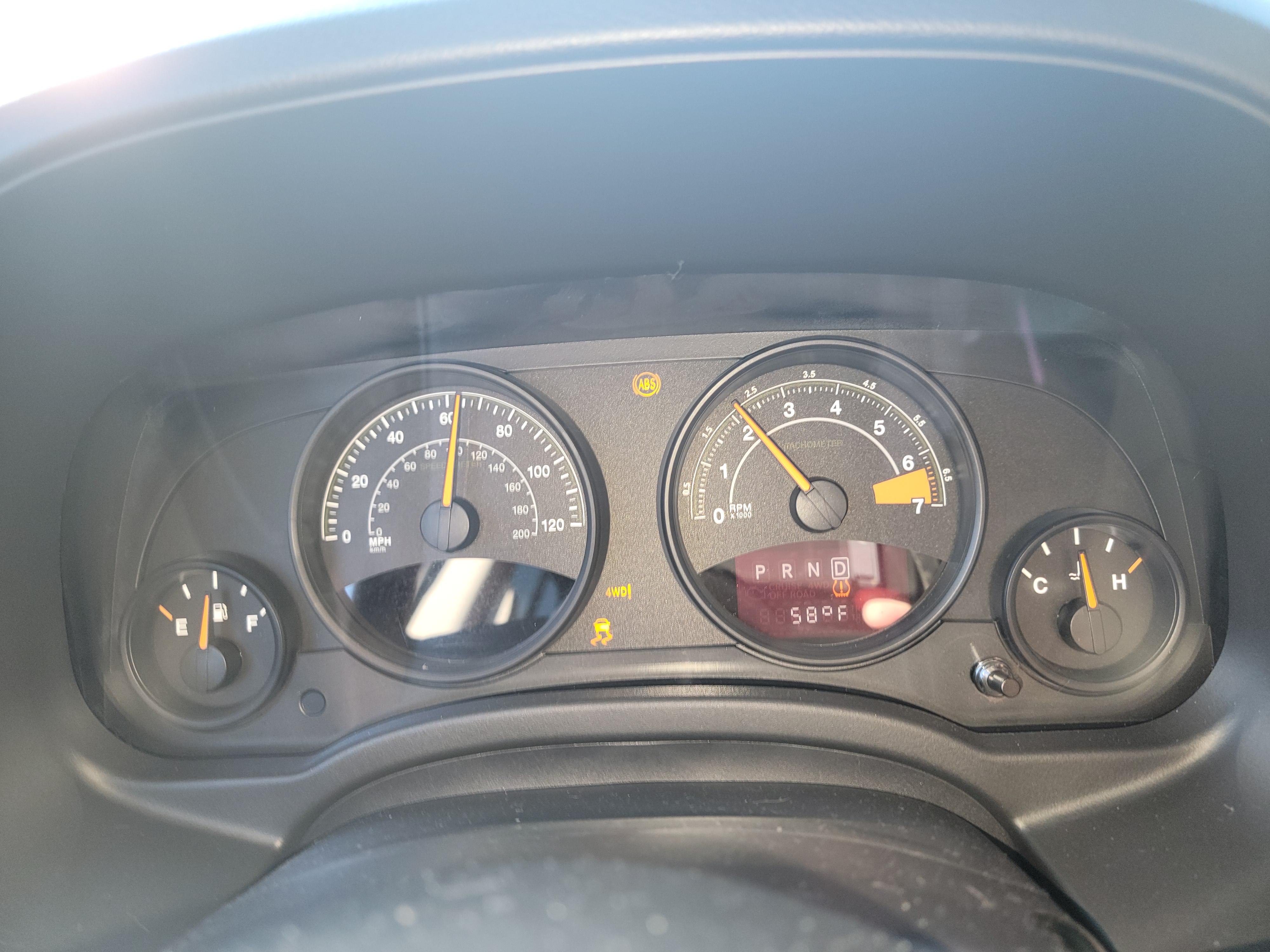
After moving the lever or switch, check the dashboard. The 4WD indicator light should turn off, and the 2WD light may come on.
- If the light stays on, repeat the steps.
- Sometimes, you need to drive a few feet for the system to fully disengage.
Non-obvious insight: The transfer case may need a moment to adjust. Be patient; don’t rush the process.
Comparing 4wd Disengagement: Jeep Liberty Vs Other Suvs
It helps to see how the 2010 Jeep Liberty compares to other popular SUVs. Here’s a simple table showing differences:
| Vehicle | 4WD Type | Disengagement Steps | Speed Limit |
|---|---|---|---|
| 2010 Jeep Liberty | Part-time Command-Trac II | Slow down, shift to neutral, move lever/switch, check light | 55 mph (4WD High) |
| Toyota 4Runner | Full-time/part-time | Stop, shift to neutral, turn switch | 0 mph (4WD Low) |
| Ford Explorer | Automatic 4WD | System auto-disengages | N/A |
| Nissan Xterra | Part-time | Stop, shift to neutral, turn switch | 0 mph (4WD Low) |
Insight: The Jeep Liberty’s system is more manual than many modern SUVs. You must do the steps yourself, not rely on automatic features.
Real-life Example: Disengaging 4wd After Snow
Imagine you’re driving in heavy snow with 4WD High engaged. The road clears, and you want to switch back to 2WD for better fuel efficiency. You slow to 45 mph, check your surroundings, and pull the lever to 2WD. The indicator light turns off. You notice smoother steering and less engine strain.
If you forget to switch, your Jeep might feel sluggish, use more gas, and the tires could wear unevenly. This is why knowing the steps is so important.
Data: Tire Wear And Fuel Efficiency
Switching to 2WD when possible saves you money and extends your Jeep’s life. Let’s look at some numbers:
| Mode | Average Tire Life (Miles) | Fuel Efficiency (MPG) |
|---|---|---|
| 2WD | 50,000 | 18-20 |
| 4WD High | 40,000 | 15-17 |
| 4WD Low | 35,000 | 14-16 |
Practical tip: Always switch to 2WD when roads are dry. You’ll get better gas mileage and your tires will last longer.
Common Mistakes When Disengaging 4wd
Even experienced drivers make mistakes when switching out of 4WD. Here are the most frequent errors:
- Trying to disengage at high speed: Always slow down first.
- Forcing the lever or switch: Be gentle, never force.
- Skipping neutral when leaving 4WD Low: Always shift to neutral.
- Ignoring indicator lights: Wait until the lights confirm the change.
- Leaving 4WD on dry pavement: Switch to 2WD as soon as conditions improve.
Advanced tip: If your Jeep doesn’t disengage after following steps, drive forward slowly for a few feet or try reversing. Sometimes the gears need movement to unlock.
Maintenance Tips For Your Jeep Liberty 4wd System
Keeping your 4WD system healthy is important. Here are some tips to make sure everything works smoothly:
- Check transfer case fluid every 30,000 miles.
- Listen for unusual noises when switching modes.
- Inspect the lever and switch for wear or damage.
- Have a mechanic check the system yearly.
Non-obvious insight: Even if you rarely use 4WD, activate it once a month. This keeps the parts moving and prevents sticking.

Troubleshooting: What If 4wd Won’t Disengage?
Sometimes, the system may not switch back to 2WD. Here’s what to do:
- Repeat the steps: Slow down, shift to neutral, move lever/switch.
- Drive forward or reverse: Helps unlock the gears.
- Check indicator lights: If they flicker, there might be an electrical issue.
- Listen for grinding or clicking: If you hear these, stop and seek help.
If the problem continues, visit a mechanic. Broken switches, worn gears, or electrical faults may need professional repair. For more details, see the official Jeep Liberty service guide on Jeep’s official site.
Table: Signs Of 4wd System Trouble
| Sign | Possible Cause | Action |
|---|---|---|
| Indicator light won’t turn off | Stuck switch or sensor | Try steps again, see mechanic |
| Grinding noise | Gear misalignment | Stop, call mechanic |
| Hard to move lever/switch | Internal wear | Don’t force, check system |
| Vehicle won’t drive smoothly | 4WD not fully disengaged | Drive forward/reverse, see mechanic |
Frequently Asked Questions
What Happens If I Leave My Jeep Liberty In 4wd On Dry Pavement?
Driving on dry roads with 4WD engaged can cause tire wear, damage the transfer case, and lower your gas mileage. Always switch to 2WD when conditions are good.
Can I Switch From 4wd High To 2wd While Moving?
Yes, you can switch from 4WD High to 2WD while driving slowly (under 55 mph). But for 4WD Low, you must stop and shift to neutral first.
Why Does My 4wd Indicator Light Stay On After I Switch To 2wd?
If the indicator light stays on, the system may not have fully disengaged. Try driving forward a few feet or reversing. If it still stays on, there may be a sensor issue.
How Often Should I Use 4wd If I Don’t Need It?
It’s good to engage 4WD once a month, even if you don’t need it. This keeps the system lubricated and prevents parts from sticking.
What Should I Do If The 4wd Lever Is Stuck?
If the lever or switch won’t move, don’t force it. Check that your Jeep is in neutral and stopped. If it’s still stuck, get it checked by a mechanic to avoid damage.
Switching your 2010 Jeep Liberty out of 4WD is simple once you know the right steps. Always slow down, use neutral for 4WD Low, move the lever or switch gently, and watch for the indicator lights.
Avoid common mistakes and keep your system healthy with regular checks.
If you ever feel unsure, consult your manual or visit a trusted mechanic. With this guide, you’ll protect your Jeep and enjoy safe, smooth driving every day.