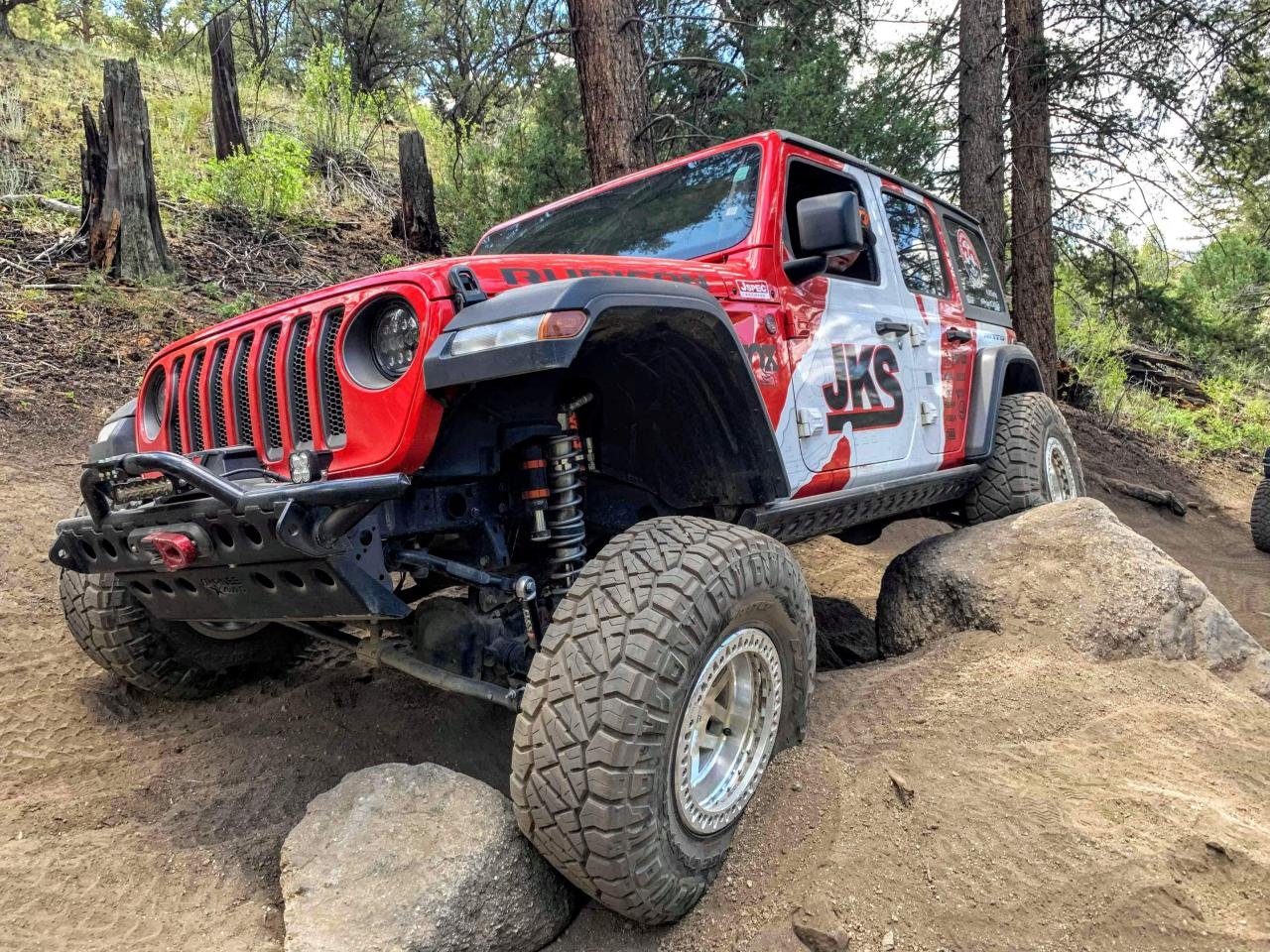
When you own a Jeep, you quickly learn how much the sway bar affects your driving, especially off-road. Disconnecting the sway bar is one of the most popular upgrades for Jeep owners who want better suspension flex and improved traction over rough terrain.
If you’re new to this, you might wonder if it’s safe, how to do it, and what difference it really makes. This guide will walk you through the process, explain why it matters, and share tips from experienced Jeep drivers so you can make an informed decision.
What Does The Sway Bar Do?
The sway bar (also called the anti-roll bar) is a metal rod connecting the left and right wheels. Its main job is to reduce body roll during turns. On paved roads, this keeps your Jeep stable and prevents excessive leaning. Off-road, however, the sway bar can limit how much your wheels move independently. That means less contact with the ground and less traction on rocks, mud, or uneven surfaces.
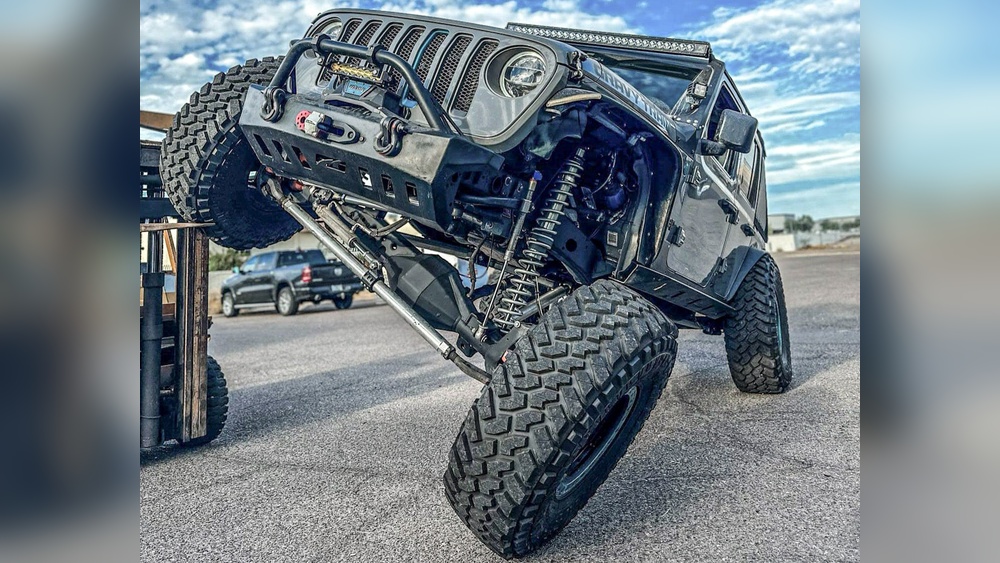
Here’s a simple comparison of how a connected sway bar affects driving:
| Driving Condition | Connected Sway Bar | Disconnected Sway Bar |
|---|---|---|
| Highway | Stable, less body roll | More body roll, less stable |
| Off-Road | Limited wheel travel, less traction | Increased flex, better traction |
| Sharp Turns | Controlled | Unstable |
Why Disconnect Your Jeep Sway Bar?
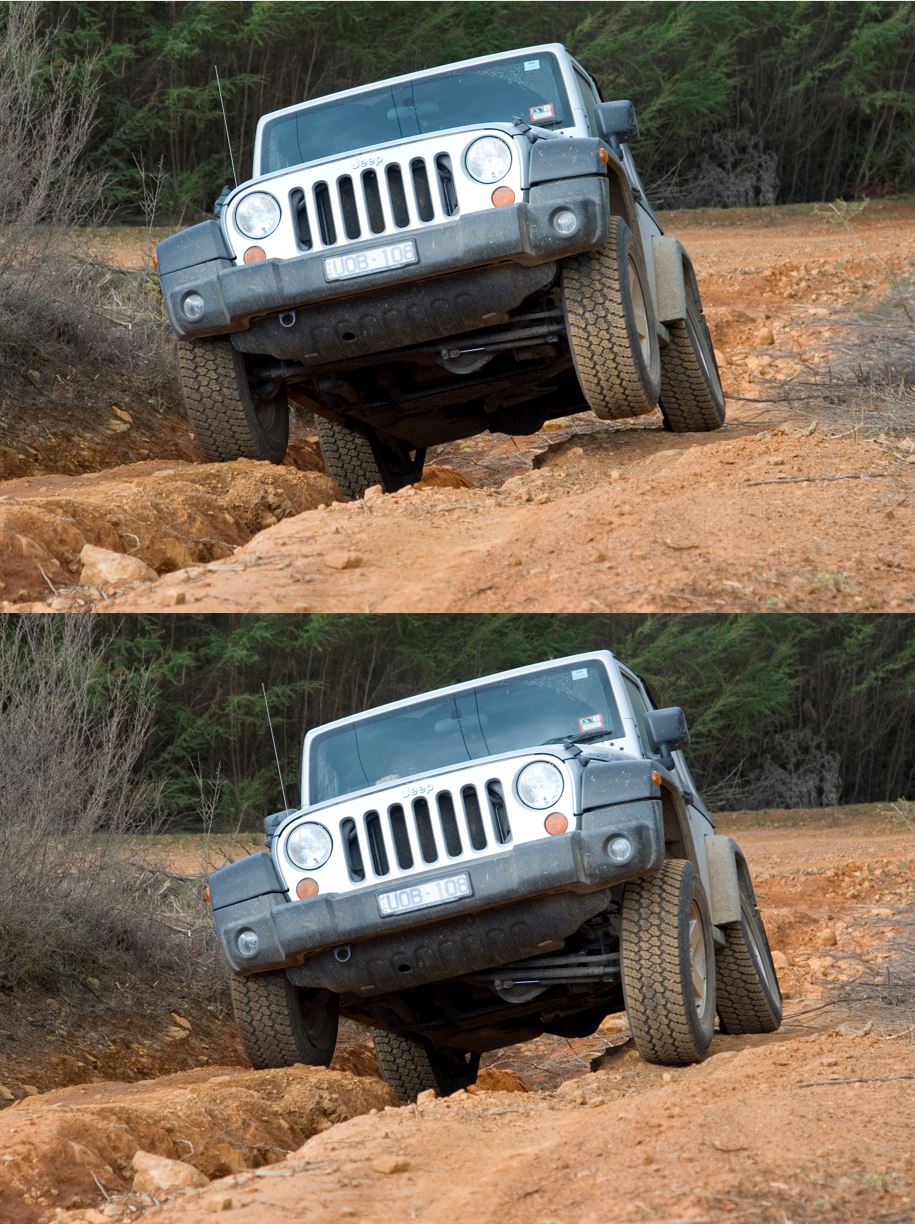
Jeep owners disconnect the sway bar to gain maximum suspension flex. This lets each wheel move up and down freely, helping your Jeep climb obstacles and keep all tires on the ground. The result is more grip and less chance of getting stuck.
Some key benefits include:
- Better articulation: Wheels can move independently.
- Improved traction: All tires stay in contact, even on rocks.
- Enhanced ride comfort: Suspension absorbs bumps more smoothly.
It’s important to reconnect the sway bar before returning to paved roads. Without it, your Jeep can sway dangerously in turns.
How To Disconnect Jeep Sway Bar
The exact method depends on your Jeep model and whether you have a manual or electronic disconnect system. Here’s a step-by-step guide for both.
Manual Sway Bar Disconnect
Most older Jeeps and some newer models use manual disconnects. You’ll need basic tools and a few minutes.
- Park safely: Find a flat, solid surface. Turn off the engine and engage the parking brake.
- Locate sway bar links: The sway bar links connect the sway bar to the axle. Look behind the front tires.
- Remove bolts or pins: Use a wrench to loosen and remove the bolts or quick-release pins holding the links.
- Detach links: Gently pull the links free from the sway bar and axle.
- Secure the sway bar: Use zip ties or bungee cords to hold the sway bar up and out of the way.
Here’s a quick comparison of manual vs. electronic disconnect:
| Feature | Manual Disconnect | Electronic Disconnect |
|---|---|---|
| Time to disconnect | 5-10 minutes | Under 1 minute |
| Tools required | Wrenches, pliers | None |
| Reliability | Very reliable | Can malfunction |
| Cost | Low | High |
Electronic Sway Bar Disconnect
Newer Jeep models (like Rubicon) feature electronic disconnects. This is much easier.
- Switch to 4WD low: Electronic systems only work in 4WD low.
- Press the disconnect button: Usually found on the dashboard.
- Wait for confirmation: The dash light will show when the sway bar is disconnected.
- Check visually: If possible, look under the Jeep to confirm.
If the electronic system fails, you may need to disconnect manually.
Important Safety Tips
- Never drive on highways with the sway bar disconnected. Your Jeep will sway dangerously.
- Reconnect before leaving the trail.
- Check for damage or wear before disconnecting.
- Avoid disconnecting in wet, muddy conditions unless you have proper tools.
Some beginners forget to secure the loose sway bar. If it hangs down, it can hit rocks or get damaged. Always tie it up securely.
Common Mistakes To Avoid
Many new Jeep owners rush through the process and overlook these mistakes:
- Forgetting to reconnect: This is risky for on-road driving.
- Not securing the sway bar: Loose parts can break or cause accidents.
- Using the wrong tools: Damaged bolts can be costly.
- Ignoring warning lights: Electronic disconnect systems give clear signals. Don’t ignore them.
Experienced Jeepers recommend keeping spare bolts and zip ties in your kit. Electronic systems can fail, so knowing manual methods is valuable.
Real-world Example
A Jeep Wrangler Rubicon owner reported a 30% improvement in off-road traction after disconnecting the sway bar. While climbing steep rocks, all four tires stayed in contact, reducing slip. On paved roads, however, the Jeep felt unstable. This shows why reconnecting is critical for safety.
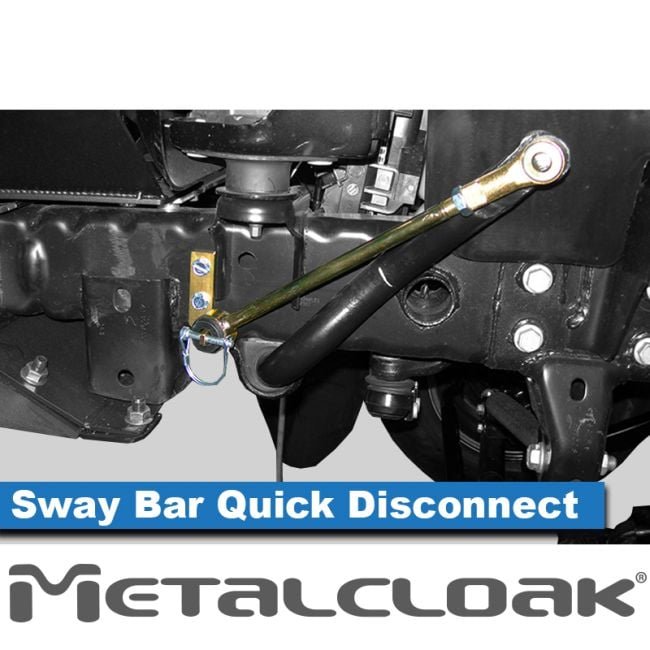
Aftermarket Sway Bar Disconnect Kits
If your Jeep does not have quick-release links, you can buy aftermarket kits. These usually cost between $100 and $250 and offer faster disconnects and easier reconnection. Many kits include:
- Quick-release pins
- Heavy-duty links
- Improved durability
Check compatibility with your Jeep model before buying. For more details on sway bars, see Wikipedia.
Frequently Asked Questions
How Do I Know If My Jeep Has An Electronic Sway Bar Disconnect?
Most Jeep Rubicon models from 2007 onward have electronic disconnects. Check your dashboard for a sway bar button or consult your owner’s manual.
Is It Safe To Drive With The Sway Bar Disconnected?
No. You should only drive off-road with the sway bar disconnected.
On highways or city streets, reconnect it to avoid dangerous body roll.
What Tools Do I Need For Manual Disconnect?
You’ll need a wrench, pliers, and possibly zip ties or bungee cords to secure the sway bar after removal.
How Often Should I Disconnect The Sway Bar?
Disconnect the sway bar only when off-roading on rough terrain. Reconnect before returning to normal roads. Frequent disconnects can wear out links faster.
Can I Install Quick Disconnects Myself?
Yes. Most quick disconnect kits come with instructions and require basic tools.
Many Jeep owners install them in their driveway within an hour.
Disconnecting your Jeep’s sway bar can make a big difference in off-road performance. With careful attention and the right tools, you’ll enjoy greater flexibility and traction.
Always remember to reconnect before hitting the pavement, and check your sway bar regularly for signs of wear.
If you’re unsure, ask a Jeep specialist or join an off-road club for hands-on advice.