If you drive a Jeep JK and want to improve its off-road performance or make it look tougher, installing a lift kit is often the first step. But choosing the right lift size is not simple. The wrong decision can affect handling, tire fitment, and even safety. Whether you’re new to Jeep modifications or just looking for a clear guide, this article will help you figure out exactly how to determine the right lift size for your Jeep JK, with practical advice, data, and real examples.
Why Lift Size Matters
The size of your lift impacts much more than how your Jeep looks. A lift kit raises the body or suspension, giving more space for bigger tires and improving ground clearance. But a lift that’s too big can cause steering issues, stress your drivetrain, and require costly changes. If it’s too small, you may not fit the tires you want or gain enough clearance for off-roading.
Key Factors In Choosing Lift Size
Before you buy a lift kit, consider these important factors:

- Tire Size: The most common reason for lifting a Jeep JK is to fit larger tires. Your desired tire size is the main driver for the lift height you need.
- Driving Style: Do you mostly drive on highways, or do you go off-road often? Extreme lifts may make daily driving harder.
- Budget: Higher lifts usually mean more expensive kits and extra parts.
- Legal Limits: Some states have laws about maximum vehicle height.
Tire Size Vs. Lift Size
Here’s a quick guide showing the typical lift heights needed for popular tire sizes on the Jeep JK:
| Tire Size | Recommended Lift | Notes |
|---|---|---|
| 33″ | 1.5″–2″ | Minimal trimming required |
| 35″ | 2.5″–3″ | May need bump stop extensions |
| 37″ | 4″ | Requires major upgrades |
Most Jeep JK owners choose 35-inch tires. For daily use and mild trails, a 2.5-inch lift is ideal. If you want 37-inch tires, you’ll need at least a 4-inch lift plus extra modifications.
Types Of Lift Kits For Jeep Jk
Not all lift kits are the same. Your choice affects ride comfort, durability, and complexity.
| Lift Kit Type | Lift Range | Main Features |
|---|---|---|
| Spacer (Budget Boost) | 1″–2″ | Easy install, keeps stock springs |
| Spring Lift | 2″–3.5″ | Better ride, includes new springs |
| Long Arm | 3.5″–6″ | Best articulation, needs welding |
Spacer kits are cheap and simple, good for light use and small tires. Spring kits offer more lift and better handling. Long arm kits are for serious off-roading and big tires.
Steps To Determine The Right Lift Size
Finding the perfect lift size involves a few steps:
- Decide Your Tire Size: Pick the size you want. This will set your lift height.
- Check Your Jeep’s Model: Two-door and four-door JKs may need different lifts for the same tires.
- Measure Clearance Needs: Look at the gap between your current tires and fenders. Remember, off-road flex can reduce this gap quickly.
- Consider Suspension Upgrades: Will you need new shocks, track bars, or control arms? Larger lifts often require these extras.
- Think About Daily Use: High lifts can make it hard to get in and out, and change handling on pavement.
- Review Manufacturer Guides: Most lift kit makers give charts or advice for their products.
- Read Real-World Reviews: Learn from other Jeep owners’ experiences. Forums and YouTube videos are helpful.
Example Calculation
Let’s say you drive a four-door Jeep JK and want 35-inch tires for moderate trails and daily driving. You have factory fenders and don’t want to cut them.
- Recommended Lift: 2.5″–3″ spring lift
- Extra Upgrades: Longer shocks, sway bar links, possibly new track bar
- Estimated Cost: $700–$1,500 for parts
If you want 37-inch tires, expect to pay more, and you’ll need to upgrade the drivetrain (axles, gears) and possibly the steering.

Common Mistakes To Avoid
Many beginners make errors that cost money and cause headaches. Here are two non-obvious things to watch for:
- Ignoring Bump Stops: Without proper bump stop extensions, your new tires can hit the fenders when flexing. Always check bump stop length with bigger tires and lifts.
- Skipping Alignment: After installing a lift, your Jeep’s alignment will change. Not fixing it can cause uneven tire wear and poor handling. Get a professional alignment every time you lift.
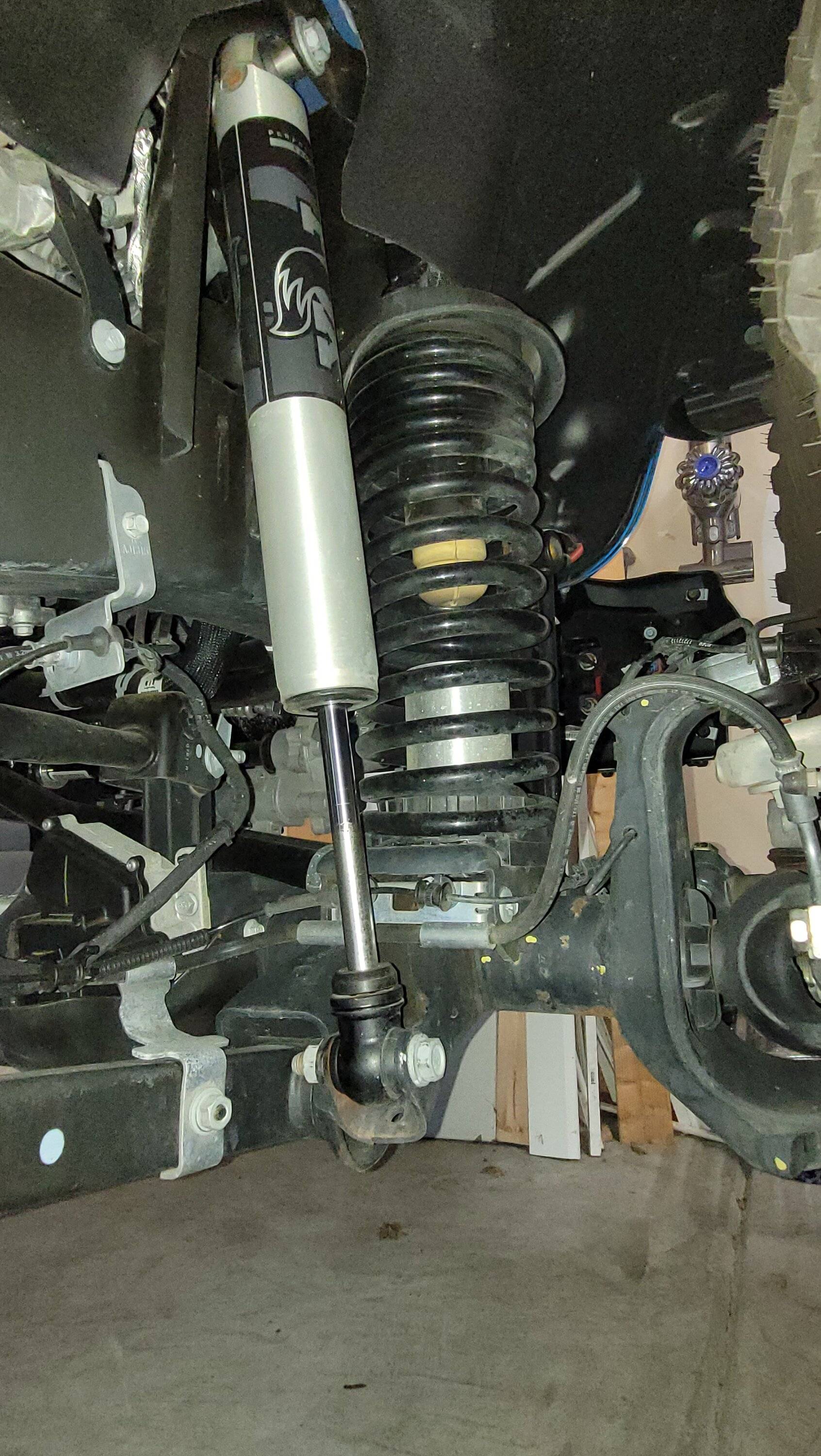
Another mistake is not planning for driveshaft angle. Bigger lifts can cause vibration and wear. For lifts over 3 inches, consider replacing driveshafts.
Jeep Jk Lift Kit Comparison
To help you visualize how different lift sizes affect your Jeep, here’s a comparison of three popular setups:
| Lift Size | Tire Size | Required Upgrades | Ride Quality |
|---|---|---|---|
| 2″ | 33″ | Stock shocks may work | Near factory |
| 2.5″ | 35″ | Shocks, sway bar links | Slightly firmer |
| 4″ | 37″ | Drivetrain, steering upgrades | Stiffer, less stable |
Useful Resources
If you want more detailed technical data or want to see state lift laws, check the official lift kit laws guide.
Frequently Asked Questions
How Much Lift Do I Need For 35-inch Tires On A Jeep Jk?
For 35-inch tires, a 2.5-inch lift is usually enough. Make sure to check for bump stop extensions and longer shocks.
Can I Keep My Stock Wheels With A Lift Kit?
Yes, but larger tires may rub on the suspension or body. Check backspacing and offset before installing.
Will A Lift Kit Affect My Jeep’s Warranty?
It can, especially if the lift causes damage. Always check your warranty terms and talk to your dealer before making changes.
Do I Need To Upgrade Other Parts With A Bigger Lift?
Yes. With lifts over 3 inches, you’ll likely need new driveshafts, control arms, and possibly re-gearing for larger tires.
Is A Suspension Lift Better Than A Body Lift?
For the Jeep JK, a suspension lift is better. It improves ground clearance and performance. Body lifts are rare and mostly for minor changes.
Choosing the right lift size for your Jeep JK is about balancing your goals, budget, and daily needs. Take time to plan, measure, and research.
A well-chosen lift will make your Jeep safer, more capable, and more fun to drive.