Cutting up old tires for disposal may sound simple, but it requires the right tools, safety steps, and disposal knowledge. Tires are strong and flexible by design, making them hard to break down.
Whether you’re clearing out old tires from your property or need to prepare them for recycling, knowing the correct method can save time and keep you safe.
This guide explains how to cut up tires for disposal, what tools you need, and how to avoid common mistakes.
Why Cut Up Tires Before Disposal?
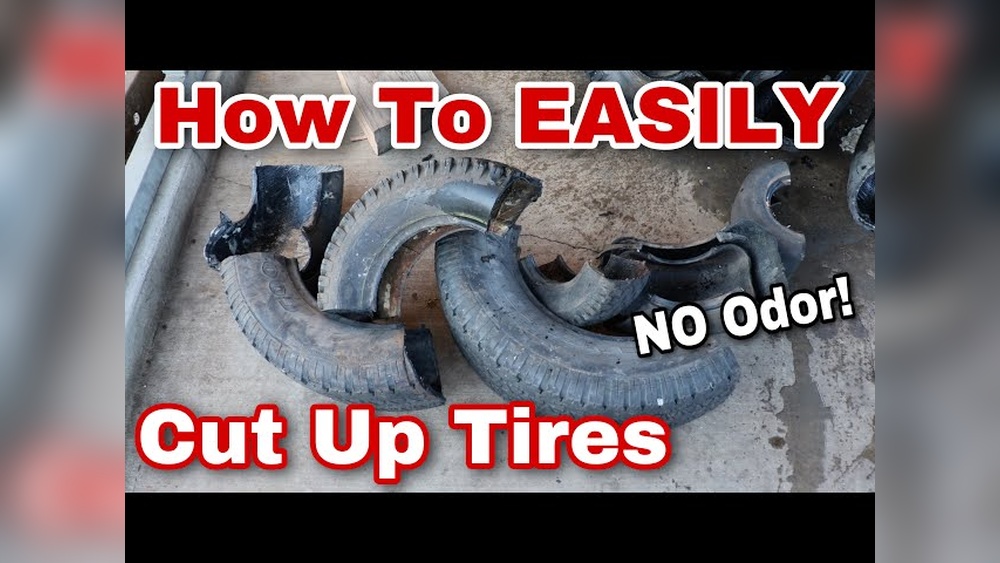
Tires are not accepted whole at most landfills or recycling centers because they take up space and can trap methane gas. By cutting tires into smaller pieces, you make them easier to handle, transport, and process. Some recycling plants require tires to be cut to specific sizes. Also, cut pieces can sometimes be reused, like for playgrounds or garden borders.
Tools And Equipment Needed
Having the right cutting tools makes the process safer and faster. Here’s a comparison of common tools for cutting tires:
| Tool | Best For | Pros | Cons |
|---|---|---|---|
| Utility Knife | Sidewalls | Cheap, good control | Slow, not for steel belts |
| Sawzall (Reciprocating Saw) | All tire parts | Fast, cuts steel | Noisy, need power |
| Angle Grinder | Steel belts | Handles tough parts | Sparks, requires care |
| Jigsaw | Tread and sidewalls | Decent control, affordable | Blades wear quickly |
Safety gear is just as important:
- Thick gloves (to avoid cuts)
- Safety goggles
- Long sleeves and pants
- Respirator mask (to avoid inhaling dust or fumes)
Step-by-step: How To Cut Up Tires
Cutting a tire safely and efficiently involves several steps:
- Clean the tire. Remove dirt and debris for better grip and visibility.
- Remove the tire from the rim. Use a pry bar or tire iron. Many recycling centers require tires off rims.
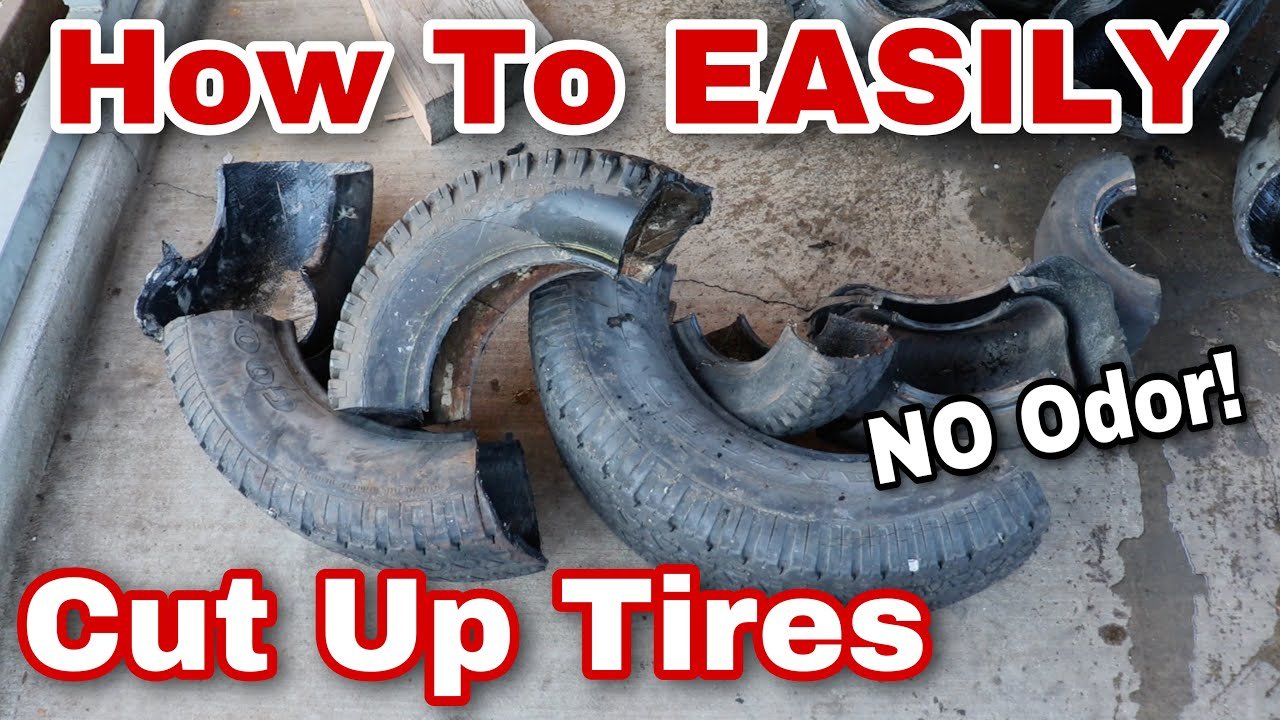
- Plan your cuts. Most people cut tires into three parts: sidewalls (both sides) and the tread.
- Cut the sidewalls. Use a utility knife for the rubber, then switch to a saw or grinder if you hit steel belts.
- Cut the tread. This part is thickest and often has steel wires. A reciprocating saw works best here.
- Dispose of steel belts. If possible, separate steel for recycling. Some centers require this.
Here’s a quick reference for the steps and tools:
| Step | Main Tool | Tip |
|---|---|---|
| Clean Tire | Brush/Water | Reduces mess |
| Remove from Rim | Pry Bar | Work slowly for safety |
| Cut Sidewalls | Utility Knife/Saw | Watch for wires |
| Cut Tread | Sawzall/Grinder | Wear safety gear |
Disposal And Recycling Options
Cutting up a tire is only half the job. Proper disposal is key. Throwing pieces in household trash is illegal in many places. Here are your main options:
- Local recycling centers: Most accept cut tires, but check their size rules first.
- Hazardous waste collection days: Some towns offer special days for tire disposal.
- Scrap metal yards: Accept separated steel belts.
- Tire retailers: Some will take old tires for a fee.
For the best environmental impact, look for programs that turn tire scraps into playground mats, road fill, or energy. The U.S. EPA reports that over 300 million tires are scrapped yearly, and about 80% are recycled in some form.

Common Mistakes To Avoid
Many people make avoidable errors when cutting up tires. Here are some pitfalls:
- Using dull blades: This increases the risk of slipping and injury.
- Skipping safety gear: Tiny steel wires can cause deep cuts.
- Cutting indoors: Tire rubber produces dust and fumes; always cut in a well-ventilated area.
- Improper disposal: Tossing tires in regular trash can lead to fines.
A less obvious mistake is ignoring local laws. Some states have strict rules about tire disposal and may require proof of legal disposal.
Always check with your city or state before starting.
Practical Tips For Easier Cutting
- Lubricate your blade with soapy water to help slice through rubber.
- Freeze the tire overnight; cold rubber is less sticky and easier to cut.
- Mark your cut lines with chalk or tape before starting.
- Work in daylight for better visibility.
Some tires have extra layers of kevlar or thicker steel. For these, an angle grinder is often necessary, but take extra care with flying sparks.
When To Call A Professional
If you have many tires, or large truck tires, it may be safer and faster to hire a tire disposal service. Professionals have industrial equipment and can process tires quickly. This can be especially important if local rules require documentation or if you are disposing of commercial quantities.
Environmental Impact And Legal Considerations
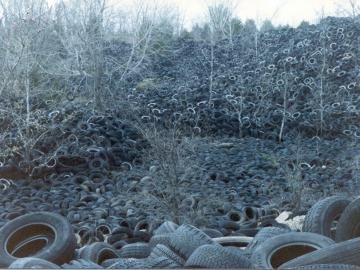
Tires left in landfills can pollute soil and water. They also provide breeding grounds for mosquitoes. Proper disposal not only avoids fines but helps protect the environment. For more on safe tire disposal laws and recycling, visit the EPA’s guide to tire management.
Frequently Asked Questions
How Do I Know If My Local Landfill Accepts Cut Tires?
Contact your local waste authority or landfill directly. Many publish guidelines online about tire size and preparation requirements.
Can I Cut Tires With A Normal Kitchen Knife?
A standard kitchen knife is not strong enough for tire rubber and may break or slip, causing injury. Always use a heavy-duty utility knife or saw.
Is It Safe To Burn Old Tire Pieces?
No, burning tires releases toxic chemicals and is illegal in most places. Always use approved disposal or recycling methods.
What Should I Do With Leftover Steel Belts?
Most scrap metal yards accept steel belts. Separate them from rubber and check your local recycling center’s rules.
Are There Any Uses For Cut Tire Pieces At Home?
Yes, cut tire pieces can become garden edging, swings, or mats. Be sure to clean the rubber and smooth any sharp wires before using them around your home.
Cutting up tires for disposal takes planning, the right tools, and attention to safety. By following these steps, you can save money, reduce environmental harm, and avoid legal trouble.
Properly cut and disposed tires can even be given a second life in new products or projects.