Jeep vehicles have a legendary reputation for adventure and off-road capability. But for many owners, the real fun starts after purchase: customizing your Jeep to match your style, needs, and environment.
Whether you’re aiming for rugged off-road performance, a unique street look, or practical daily use, customizing a Jeep offers endless possibilities. This guide will walk you through key options, smart strategies, and common pitfalls—so you can build a Jeep that’s truly yours.
Understanding Your Customization Goals
Before buying parts or making changes, think about how you’ll use your Jeep. Will you spend weekends on rocky trails, or do you mostly drive around town?
Identifying your main purpose saves money and prevents regret.
- Off-Road Focus: Upgrade suspension, tires, and armor for durability.
- City Driving: Prioritize comfort, safety, and appearance.
- Overlanding: Add storage, roof racks, and power systems for long trips.
Some owners try to do everything at once, but this often leads to wasted money. Start with your top priorities and grow your build over time.
Popular Jeep Customizations
Jeep modifications fall into a few main categories. Here are the most popular upgrades, with practical benefits for each.
1. Tires And Wheels
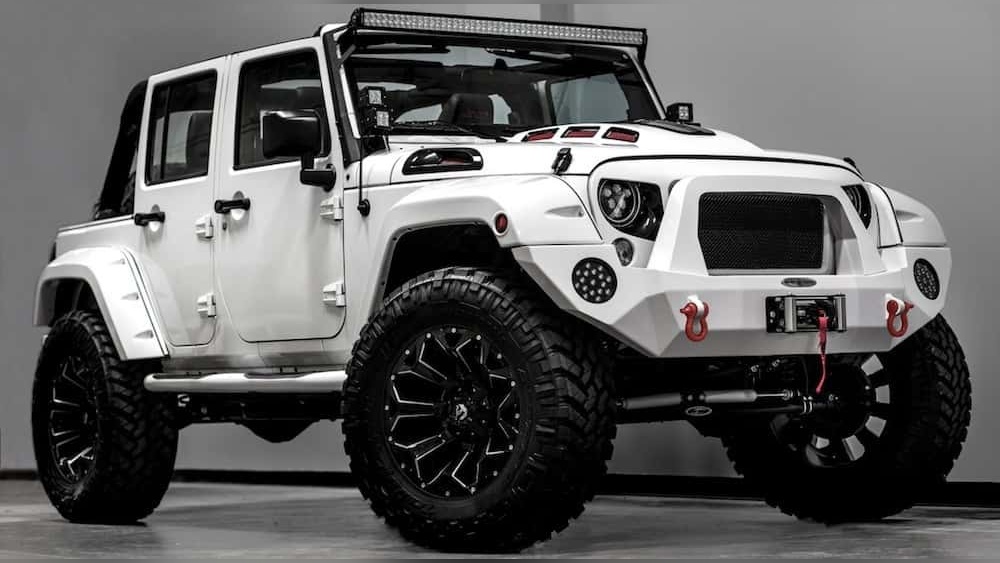
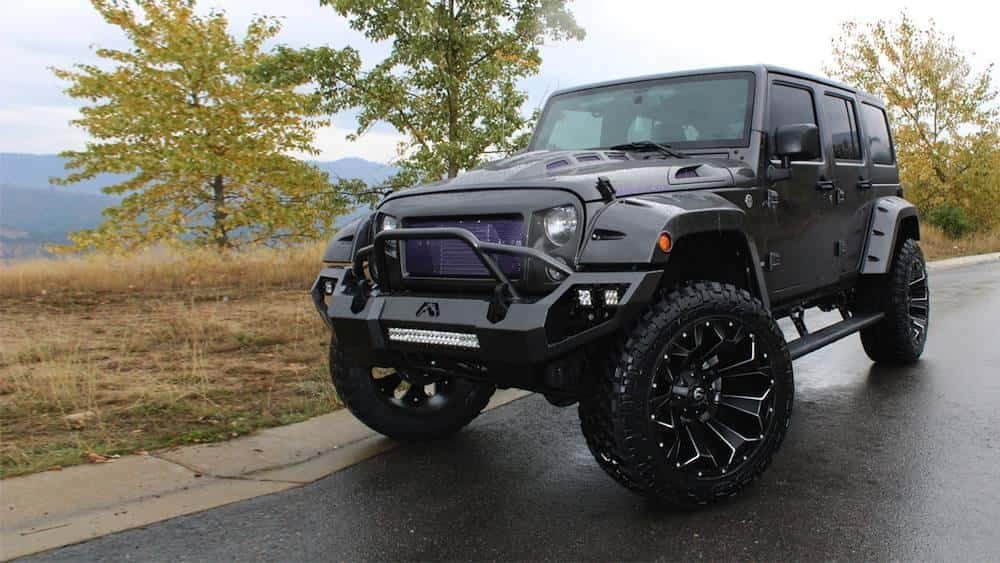
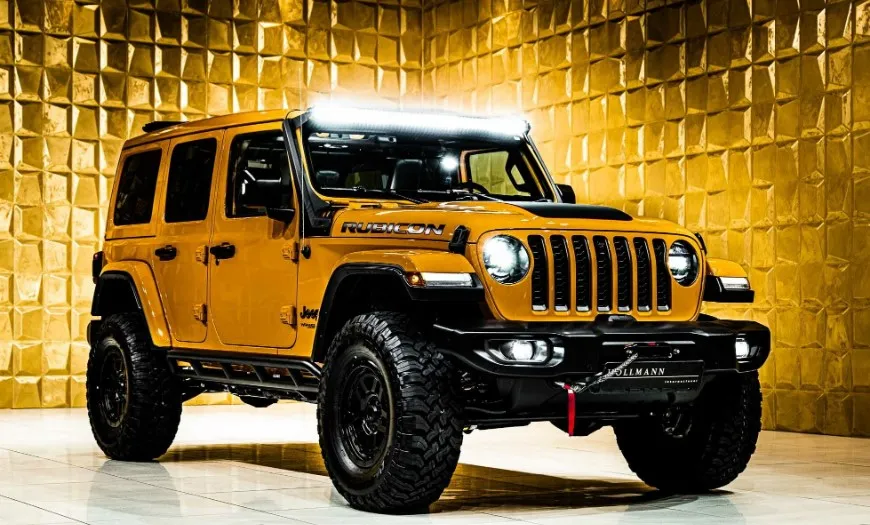
The most visible and impactful change comes from upgrading tires and wheels. Off-road tires improve grip on mud, sand, and rocks, while larger wheels give your Jeep a bolder stance.
- All-Terrain Tires: Good balance for street and off-road.
- Mud-Terrain Tires: Maximum grip off-road, but louder and less efficient on pavement.
- Wheel Size: Bigger wheels can look great, but may require a lift kit.
Example: A 33-inch all-terrain tire is a common first upgrade for Jeep Wranglers.
2. Suspension Lift Kits
A lift kit raises your Jeep’s body and frame, increasing ground clearance. This allows for bigger tires and better off-road approach angles.
- Budget Boosts (1–2 inches): Simple and affordable, with minimal impact on ride.
- Full Suspension Lifts (2.5–4+ inches): More capability, but may require new shocks, driveshafts, and alignment.
| Lift Height | Main Benefit | Common Use |
|---|---|---|
| 1–2 inches | Better tire fit, mild off-road | Daily driving |
| 2.5–4 inches | Major clearance gain | Serious off-road |
Non-obvious insight: Lifting your Jeep changes its center of gravity, making it more likely to tip if you drive aggressively.
3. Bumpers And Armor
Aftermarket bumpers add protection and style. Steel bumpers can handle impacts better than factory plastic ones and allow for accessories like winches and lights.
- Front Bumper: Often includes winch mount and recovery points.
- Rear Bumper: May have tire carrier or step.
- Rock Sliders/Skid Plates: Protect underbody from rocks and debris.
| Part | Factory Material | Aftermarket Material |
|---|---|---|
| Bumper | Plastic | Steel/Aluminum |
| Rock Slider | None | Steel |
| Skid Plate | Thin Steel | Thick Steel |
A mistake some owners make is adding heavy armor without upgrading the suspension, which can lower ride height and worsen handling.
4. Lighting Upgrades
LED headlights, fog lights, and light bars make driving at night or off-road much safer. Modern lights use less power and last longer than old halogen bulbs.
- Light Bars: Mount above windshield or on bumpers.
- Cube/Pod Lights: Add focused light to sides or rear.
- Tail Lights: Aftermarket options improve visibility and style.
Legal tip: In many states, aftermarket lights must be covered when driving on public roads.
5. Interior And Tech Enhancements
Customizing your Jeep’s cabin adds comfort and utility. Popular upgrades include:
- All-Weather Floor Mats: Protect carpet from mud and spills.
- Seat Covers: Defend seats from dirt and pets.
- Navigation/Infotainment: Modern touchscreens with GPS, Bluetooth, and backup cameras.
- Storage Solutions: Molle panels, locking boxes, and roof racks.
Non-obvious insight: Adding heavy roof racks or cargo boxes can reduce fuel economy and increase wind noise, especially at highway speeds.
Planning Your Jeep Build
Customizing a Jeep is a marathon, not a sprint. Here’s how to plan wisely and avoid common mistakes.
- Set a budget. Upgrades add up fast. Factor in installation costs, not just parts.
- Research compatibility. Not all parts fit every model or year. Double-check before buying.
- Prioritize safety. Suspension, steering, and brake upgrades matter as much as looks.
- Consult experts. Local Jeep clubs and forums can offer advice and reviews.
- Install in stages. This way, you can test each upgrade’s impact and avoid over-customizing.
| Upgrade | Average Cost (Parts) | Difficulty |
|---|---|---|
| Tires (set of 4) | $800–$1,400 | Medium |
| 2.5″ Lift Kit | $500–$2,000 | High |
| Steel Bumper | $400–$1,200 | Medium |
| LED Light Bar | $100–$500 | Low |
Legal And Warranty Considerations
Customizing your Jeep can affect its warranty and may not be street legal everywhere. Large tires, extreme lifts, and bright lights sometimes violate local laws or void manufacturer coverage. Always check your owner’s manual and local Department of Motor Vehicles rules before making major changes.
For reliable info, see the official NHTSA guide to vehicle modifications.
Frequently Asked Questions
What Is The First Upgrade I Should Make To My Jeep?
For most owners, all-terrain tires or floor liners are the smartest first upgrades. They improve performance and protect your investment with minimal cost.
How Much Does It Cost To Customize A Jeep?
A basic build (tires, small lift, bumpers) can cost between $2,000 and $5,000. High-end builds with suspension, lights, and armor may reach $10,000 or more.
Will Customizing My Jeep Void The Warranty?
Some modifications can affect the factory warranty, especially on the suspension or electronics. Check your warranty terms and ask your dealer before making changes.
Can I Install Jeep Upgrades Myself?
Many parts, like lights or seat covers, are DIY-friendly. Larger jobs—like lift kits or re-gearing axles—often need professional tools and expertise.
Are Bigger Tires Always Better?
Not always. Bigger tires look great and help off-road, but they can lower fuel economy and put stress on axles and brakes. Choose a size that matches your driving style and needs.
Customizing a Jeep is a rewarding journey that reflects both your personality and your driving needs. By planning carefully, upgrading safely, and learning from the Jeep community, you can build a vehicle that stands out on any trail or city street.