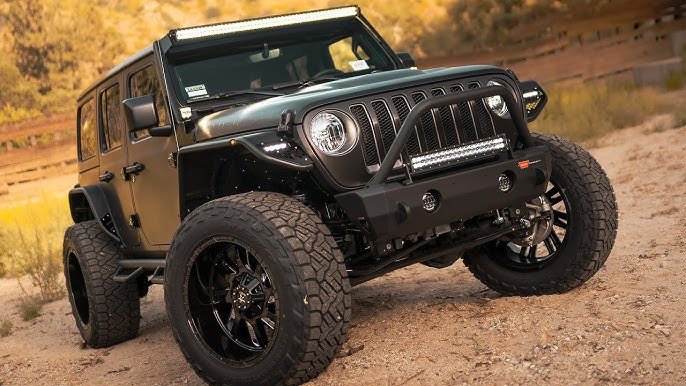
Jeep Wranglers are famous for their tough look and off-road ability. Many owners want their Jeep to stand out or perform better, so they explore ways to customize a Jeep Wrangler.
If you’re new to this, it might feel confusing with so many options and upgrades. This guide explains the main ways to customize your Wrangler, including tips, costs, and common mistakes.
Whether you want a unique style or better performance, you’ll find practical advice to help you make smart choices.
Why Customize A Jeep Wrangler?
Customizing a Jeep Wrangler makes it fit your personality and driving needs. It’s not just about looks, custom parts can improve how your Jeep handles off-road, carries gear, or even rides on city streets. Here are a few key reasons people choose to customize:
- Personal expression: Show off your style with unique paint, decals, and accessories.
- Performance: Add parts that help you handle rough terrain or carry more gear.
- Comfort: Upgrade seats, sound, or lighting for a better driving experience.
- Resale value: Well-chosen upgrades can increase your Wrangler’s value.
Popular Exterior Modifications
Changing your Wrangler’s exterior is often the first step. Some modifications are simple DIY jobs, while others need a shop.
Lift Kits
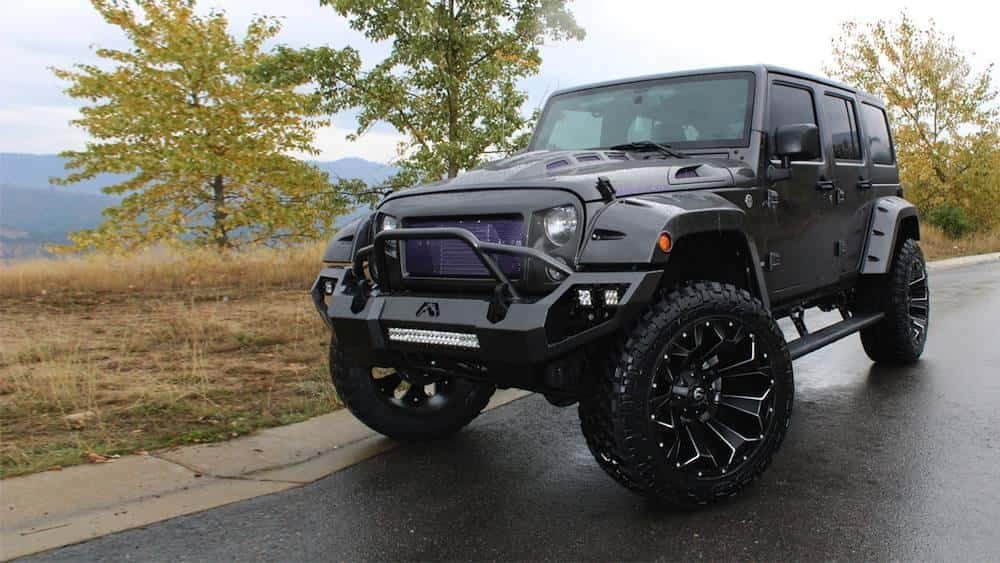
A lift kit raises your Jeep’s body or suspension. This allows for bigger tires and more ground clearance, which is great for off-roading.
- Body lifts are cheaper ($200, $600) and easier to install.
- Suspension lifts cost more ($1,000, $5,000) but offer better off-road performance.
Beginner tip: Start small, big lifts can change handling and need more parts (like brake extensions).
Wheels And Tires
New wheels and tires can change your Jeep’s look and grip. All-terrain or mud-terrain tires are popular for off-roading. Larger tires (33″, 35″) look bold but may lower gas mileage.
Watch out: Big tires often require a lift kit and speedometer recalibration.
Bumpers And Winches
Aftermarket bumpers can protect your Jeep and give space for a winch (used to pull your Jeep out if you get stuck). Steel bumpers are strong but heavy.
Pro insight: Always match your winch’s pulling power to your Jeep’s weight (usually 8,000 to 12,000 lbs).
Lighting Upgrades
Upgrade to LED headlights or add light bars for better night driving. Fog lights and rock lights help in bad weather or on trails.
Example: A basic LED headlight kit costs $100, $300 and can be installed with simple tools.
Interior Customization Options
The inside of your Wrangler can also be personalized for comfort, style, or utility.
Seat Covers And Floor Mats
Waterproof seat covers protect your seats from mud and water. Floor mats with deep grooves keep dirt off the carpet.
- Neoprene covers are popular for easy cleaning.
- Rubber mats cost $80, $150 for a set.
Upgraded Audio Systems
Wrangler stock speakers are basic. Upgrading to better speakers or a subwoofer makes music clearer, especially with the top off.
Installation tip: Some audio upgrades need special Jeep brackets, check compatibility before buying.
Storage Solutions
Wranglers have limited space. Add storage bins, seat-back organizers, or a rear cargo rack to carry tools and gear safely.
Non-obvious insight: Some under-seat storage boxes can be locked for extra security.
Performance Upgrades
Serious off-roaders often invest in mechanical upgrades. These can be expensive but make a big difference in how your Jeep drives.
Suspension And Shocks
Upgraded shocks and springs smooth the ride and improve handling. Adjustable shocks let you change settings for city or off-road use.
Engine And Exhaust
A cold air intake or new exhaust system can boost power and sound. Gains may be modest (5 to 15 horsepower), but every bit helps on trails.
Caution: Some engine mods may void your warranty or fail emissions tests. Always check local laws.
Gearing And Lockers
Changing the axle gears helps if you add big tires, so your engine doesn’t work too hard. Lockers send power to both wheels for better grip in mud or rocks.
Beginner mistake: Forgetting to re-gear after installing large tires can hurt your fuel economy and acceleration.
Table: Popular Jeep Wrangler Modifications And Costs
Here’s a quick look at common upgrades, what they do, and average prices.
| Upgrade | Purpose | Average Cost (USD) |
|---|---|---|
| Lift Kit | Ground clearance, larger tires | $500, $5,000 |
| Wheels & Tires | Traction, style | $1,000, $2,500 |
| Bumpers & Winch | Protection, recovery | $500, $2,000 |
| LED Lighting | Visibility | $100, $800 |
| Audio System | Sound quality | $300, $1,500 |
Styling And Aesthetic Changes
Many Jeep owners want their Wrangler to look unique. There are many choices, from simple decals to full wraps.
Paint, Wraps, And Decals
- Vinyl wraps let you change the color or add graphics without painting. They last 3 to 5 years and cost $1,500, $4,000.
- Decals (stickers) are cheap and easy to apply. Choose themes like mountains, flags, or custom text.
Fenders And Grilles
Swapping stock fenders or adding an aftermarket grille changes your Jeep’s face. Some grilles have built-in lights or winch mounts.
Example: Angry-eye grilles are a popular style for a bold look.

Roof And Door Customizations
One special thing about Jeep Wranglers is their removable roof and doors.
Hardtops, Soft Tops, And Sunriders
- Hardtops are better for quiet rides and winter but cost more ($2,000, $3,000).
- Soft tops are lighter and easy to fold back ($500, $1,500).
- Sunrider tops let you open just the front part like a sunroof.
Half Doors And Tube Doors
- Half doors give more air and visibility on trails.
- Tube doors are mostly for off-roading, less protection but more open.
Safety tip: Always use side mirrors when switching doors, as it’s required by law.
Table: Roof And Door Options Compared
Use this table to compare the main types of Jeep tops and doors.
| Type | Pros | Cons |
|---|---|---|
| Hardtop | Durable, quiet, secure | Heavy, expensive |
| Soft Top | Easy to remove, affordable | Noisy, less secure |
| Sunrider | Partial open-air, flexible | Mid-range cost |
| Half Doors | Airy, good for trails | Less protection |
| Tube Doors | Maximum openness | No weather protection |
Practical Tips For Customizing Your Jeep Wrangler
Customizing is exciting, but planning helps you avoid mistakes and wasted money.
- Set a budget. Upgrades can add up fast. Start with essentials and add more over time.
- Consider your needs. If you mostly drive on roads, don’t overdo off-road mods.
- Check compatibility. Some parts only fit certain Wrangler years or trims.
- DIY vs. professional. Simple jobs (like seat covers) are DIY-friendly. Complex work (like suspension) is best left to a shop.
- Keep receipts and old parts. If you sell your Jeep, buyers may want original parts.
Common Customization Mistakes To Avoid
Many new owners rush into mods and regret choices later. Here are common pitfalls:
- Ignoring weight: Heavy bumpers and tires can strain your suspension and engine.
- No legal check: Some upgrades (like very bright lights) are illegal on public roads.
- Not re-gearing: Big tires without new gears can reduce power and mpg.
- Skipping safety: Removing doors? Add mirrors. Lifting your Jeep? Check steering angles.
- Buying cheap parts: Low-quality parts often break or don’t fit right.
Table: Diy Vs. Professional Installation
Deciding who should install your upgrades? This table can help.
| Upgrade Type | DIY Friendly | Shop Recommended |
|---|---|---|
| Seat Covers, Floor Mats | Yes | No |
| Lift Kits, Suspension | Sometimes | Yes |
| Audio System | Sometimes | Yes |
| Lighting Upgrades | Yes | No |
| Winch Installation | Sometimes | Yes |
Real-world Example: Customizing A Jeep Wrangler
Let’s say you want to start with basic mods for weekend trails and city driving. Here’s a sample plan:
- Add a 2-inch suspension lift ($800 installed)
- Upgrade to 33-inch all-terrain tires ($1,200 with wheels)
- Install rubber floor mats and neoprene seat covers ($200 total)
- Swap in LED headlights ($250)
- Add a lightweight steel bumper ($600)
Total cost: About $3,000. These changes improve both looks and function, without making the Jeep hard to drive daily.
Non-obvious insight: Insurance rates can go up with major mods. Always tell your insurer about big changes.
Where To Buy Jeep Wrangler Parts
You can find parts at:
- Jeep dealerships: Good for warranty-safe upgrades.
- 4×4 specialty shops: Offer expert advice and installation.
- Online stores: Sites like Quadratec, ExtremeTerrain, and Amazon have a huge selection.
If you want more detail about the Jeep Wrangler’s history and model differences, check the official Jeep Wrangler Wikipedia page.
Wrapping Up
Customizing a Jeep Wrangler is fun and rewarding. Start with what matters most to you looks, comfort, or performance.
Plan your upgrades, learn from other owners, and don’t rush. The right mix of parts will help your Jeep stand out and handle whatever adventure you have in mind.

<!– wp:rank-math/faq-block {"questions":[{"id":"faq-question-8b60e49e5ee3","title":"What Is The Most Popular Jeep Wrangler Modification?","content":"
Lift kits and bigger tires are the most popular. They improve off-road ability and give the Jeep a more aggressive look.
“,”visible”:true},{“id”:”faq-question-b61f350855dd”,”title”:”Do Custom Parts Affect My Warranty?”,”content”:”Some parts, especially engine and suspension upgrades, can affect your warranty. Always check with your dealer before making big changes.
“,”visible”:true},{“id”:”faq-question-cc9e310ddba3″,”title”:”Can I Customize A Jeep Wrangler Myself?”,”content”:”Yes, many mods like seat covers, lights, and decals are easy DIY jobs. However, complex work (like suspension or engine changes) should be done by professionals.
“,”visible”:true},{“id”:”faq-question-798548578713″,”title”:”How Much Does It Cost To Customize A Jeep Wrangler?”,”content”:”Basic upgrades like seat covers and lights can cost a few hundred dollars. Full custom builds with lifts, wheels, and bumpers often cost $5,000 or more.
“,”visible”:true},{“id”:”faq-question-1368bde91d70″,”title”:”Will Customizing Hurt Resale Value?”,”content”:”Well-planned upgrades can help resale value, but extreme or poor-quality mods may lower it. Keep original parts if you want to return your Jeep to stock before selling.
“,”visible”:true}]} –>What Is The Most Popular Jeep Wrangler Modification?
Lift kits and bigger tires are the most popular. They improve off-road ability and give the Jeep a more aggressive look.
Do Custom Parts Affect My Warranty?
Some parts, especially engine and suspension upgrades, can affect your warranty. Always check with your dealer before making big changes.
Can I Customize A Jeep Wrangler Myself?
Yes, many mods like seat covers, lights, and decals are easy DIY jobs. However, complex work (like suspension or engine changes) should be done by professionals.
How Much Does It Cost To Customize A Jeep Wrangler?
Basic upgrades like seat covers and lights can cost a few hundred dollars. Full custom builds with lifts, wheels, and bumpers often cost $5,000 or more.
Will Customizing Hurt Resale Value?
Well-planned upgrades can help resale value, but extreme or poor-quality mods may lower it. Keep original parts if you want to return your Jeep to stock before selling.
Meta Title: How to Customize a Jeep Wrangler: Beginner’s Guide, Costs, and Tips
Meta Description: Learn how to customize a Jeep Wrangler for style and performance. Easy upgrades, costs, tips for beginners, and common mistakes. Make your Jeep unique!